
As outdoor living spaces continue to rise in popularity across the U.S., one question consistently comes up: how much does outdoor lighting really cost in 2025? Whether you're a homeowner looking to boost curb appeal or a business aiming to improve security and ambiance, understanding the cost landscape is essential.
In this article, we’ll break down the real costs of outdoor lighting — from initial setup to long-term maintenance. We'll also explore what factors influence pricing and share practical tips to help you budget wisely and avoid surprise expenses.
Table of Contents
- Key Factors That Influence Outdoor Lighting Costs
- Comparing Lighting Types by Cost
- Hidden & Ongoing Costs to Watch For
- How to Estimate Your Own Outdoor Lighting Budget
- Tips for Saving Money Without Compromising Quality
- Conclusion: Plan Your Project with Confidence
Key Factors That Influence Outdoor Lighting Costs
Several key elements come into play when calculating the total cost of an outdoor lighting system. Understanding these factors can help you plan more effectively and avoid unexpected expenses.
Type and Quantity of Fixtures
The materials you choose set the baseline for your budget. Premium brass or copper fixtures will cost significantly more upfront than aluminum or plastic options, but they also last much longer.
Labor and Installation Complexity
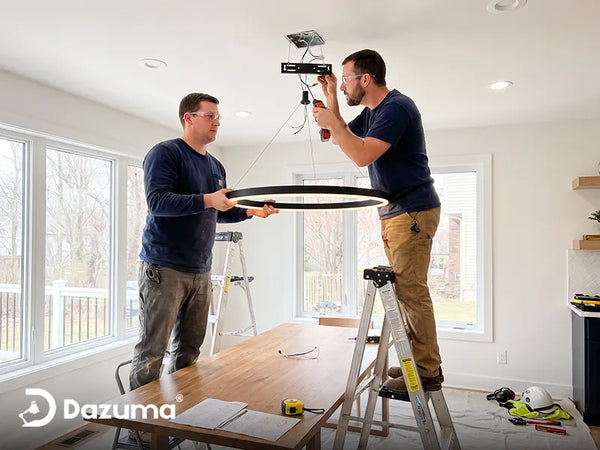
Not all lighting systems are created equal when it comes to labor. Simple stake-in lights are easy to install, while projects that require trenching for underground wiring, drilling into brick or concrete, or mounting lights along second-story rooflines will significantly increase labor hours and professional service fees. The more complex your setup, the more you'll need to budget for skilled labor.
Control Systems
The level of automation and convenience you want in your lighting also affects cost. Basic systems with manual switches or mechanical timers are budget-friendly, but if you prefer motion detectors, dusk-to-dawn sensors, or integration with smart home platforms and mobile apps, expect to pay more for both the hardware and the configuration.
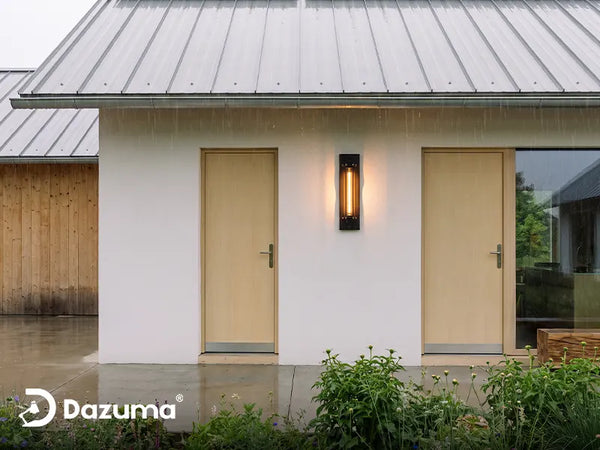
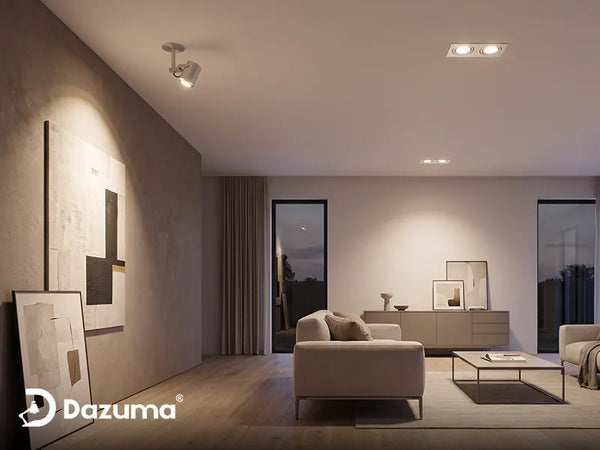
 Sleek vertical wall sconce adds architectural drama and contemporary flair to any modern front porch.
Power Source
How your lights are powered makes a big difference in both upfront and long-term costs:
- Solar: Offers a budget-friendly, wire-free installation, ideal for simple pathways or accent lighting. However, performance may decline over time, and brightness can be limited.
- Low Voltage (12V): A popular choice for residential settings, balancing safety, efficiency, and flexibility. Installation requires a transformer and some basic wiring, but operating costs stay low.
- Line Voltage (120V): Delivers the highest light output and is typically used in commercial or large residential applications. These systems must be installed by licensed electricians and tend to consume more energy, which can increase your monthly electric bill.
Landscape Layout
The physical characteristics of your yard or property also play a role. If your space includes uneven terrain, elevated features, dense trees or shrubbery, or hard-to-reach areas, installation will likely require more effort, specialized equipment, and longer labor hours. Even the presence of existing structures or hardscaping can impact the routing of wires and placement of lights, all of which adds to the bottom line.
Comparing Lighting Types by Cost
When planning your outdoor lighting, it's important to understand how different systems compare—not just in terms of upfront price, but also in performance, maintenance, and long-term value. Each type of lighting comes with its own set of strengths and trade-offs, depending on your goals, property layout, and budget.
Here’s a quick breakdown of common outdoor lighting systems and their typical price ranges:
| Lighting Type | Average Cost (Per Fixture/System) | Pros | Cons |
|---|---|---|---|
| Solar Lights | $20–$80 | Easy to install, no wiring, low maintenance | Lower brightness, shorter lifespan, performance varies with sunlight |
| Low Voltage Systems (12V) | $100–$300 | Energy-efficient, safe for residential use, flexible placement | Requires transformer, moderate installation effort |
| Line Voltage Systems (120V) | $200–$500 | High brightness, suitable for large or commercial spaces | Needs licensed electrician, higher energy consumption |
| Permanent Holiday Lighting | $2,000–$6,000 (whole home) | Year-round convenience, boosts curb appeal, remote control options | High upfront cost, less flexibility in design changes |
These price ranges include basic materials and installation but can vary significantly based on brand, finish, lighting control features, and whether you choose professional or DIY installation. For example, line voltage systems are ideal for security lighting or illuminating large areas but require more upfront investment and adherence to electrical codes. In contrast, solar lights are great for accenting pathways or gardens and are especially appealing for renters or temporary setups.
By weighing the cost against your lighting goals—whether it's enhancing safety, improving aesthetics, or reducing energy use—you can select the system that delivers the best value for your space.
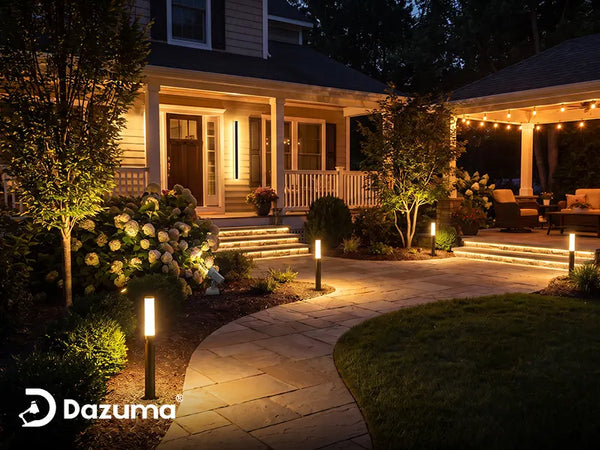
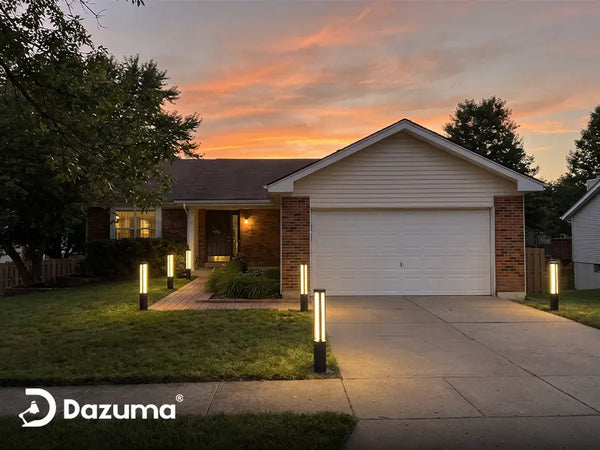
 Elegant pathway bollard lights illuminate the garden walkway with a balanced, modern glow that enhances both safety and style.
Hidden & Ongoing Costs to Watch For
Installing outdoor lighting is just the beginning—owning and maintaining a lighting system comes with its own set of ongoing responsibilities and expenses. While many modern systems are designed for efficiency and durability, there are still costs that can accumulate over time. Here are a few long-term expenses to keep in mind:
- Routine Maintenance: Regular cleaning of lenses, repositioning of fixtures, and trimming nearby plants are necessary to maintain optimal performance and appearance.
- Part Replacement: While LED bulbs last for years, components like transformers or control panels may eventually require replacement.
- Electricity Bills: A typical LED lighting system can add around $5–$25 to your monthly electric bill, depending on usage and system size.
- Smart Features: Cloud-connected or app-controlled systems may involve subscription fees for advanced automation or