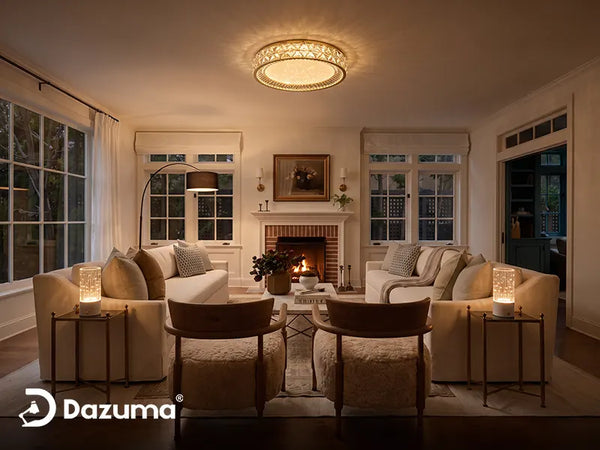

It’s that time of year again — cozy sweaters, hot cocoa, and the unmistakable sparkle of Christmas lights twinkling from every corner. Maybe you’re unpacking your holiday boxes, ready to deck out your porch or backyard, when you realize… you only have indoor lights left in the bin.
The thought pops up: “They look fine — why not just hang them outside?”
Here’s the thing — while it sounds like a harmless idea, using indoor Christmas decorations outdoors can be risky. It’s not always an automatic “no,” but it depends on the light’s rating, weather conditions, and how you protect them.
In this guide, we’ll break down how to tell the difference between indoor and outdoor Christmas lights, what can go wrong if you mix them up, and safer ways to get that magical outdoor glow without the fire hazard.
Table of Contents
Understanding the Difference: Indoor vs. Outdoor Christmas Lights
Before you start stringing lights across your roofline or wrapping them around your deck, it’s important to understand why indoor and outdoor lights aren’t built the same way. They may appear similar at first glance — but what’s inside makes a big difference in safety, durability, and performance.
1. Design and Construction
Indoor lights are made to be light, flexible, and easy to handle — ideal for decorating your Christmas tree, mantel, or staircase. Their cords are thinner, plastic casings lighter, and insulation minimal, since they’re not meant to face rain, wind, or snow.
Outdoor lights, however, are made to withstand harsh conditions. They feature thicker wiring, weather-resistant seals, and reinforced plugs that can handle moisture, cold, and temperature changes without shorting out.
Think of it like clothing: indoor lights are your soft silk pajamas, while outdoor ones are your heavy-duty puffer jacket — both cozy in their own way, but suited for completely different environments.

Indoor lights are cozy and delicate; outdoor lights are built tough to withstand the elements — don’t mix them up.
2. Safety Standards and Ratings
When shopping, look for a small mark on the light packaging or cord — UL, short for Underwriters Laboratories. This certification indicates where it’s safe to use your lights.
- UL Indoor Only – Safe only for dry, protected areas.
- UL Indoor/Outdoor – Approved for both inside and outside use.
Pro tip: Always check for this label near the plug or on the wire tag before hanging your lights outdoors. It’s a quick way to confirm they can handle exposure to the elements safely.
3. Electrical and Environmental Resistance
Outdoor Christmas decorating lights are also tested for temperature resistance and moisture protection. You might notice something like IP44 or IP65 on the box — that’s the Ingress Protection (IP) rating. The first number measures protection against dust, the second against water.
For example:
- IP44 = splash-resistant (good for mild weather).
- IP65+ = fully weatherproof (perfect for heavy rain or snow).
If your lights don’t show any IP rating, they’re likely not meant for outdoor use.

Indoor lights are made for warmth and style, not for rain or snow exposure.
The Risks of Using Indoor Lights Outdoors
It might seem harmless to hang your indoor lights outside — until things start to go wrong. They’re simply not made for harsh weather, and what looks fine one night can quickly turn risky. Here’s why.
1. Electrical Hazards
Moisture is the biggest threat. Once indoor lights get wet, the wiring can short-circuit, spark, or even start a fire. If you’re decorating outdoors, always use a GFCI outlet (Ground Fault Circuit Interrupter). It automatically shuts off the power when it detects a surge, protecting your home from electrical accidents.
2. Weather and Physical Damage
Rain, snow, and sunlight can wear down the thin insulation on indoor lights. When the coating cracks, water seeps in and corrodes the wires — causing flickering bulbs or blown fuses. Outdoor-rated lights are built with tougher materials that resist UV rays and temperature changes, keeping them safe season after season.
3. Insurance and Liability Issues
If an accident happens because you used “indoor only” lights outside, your insurance may not cover the damage. It’s considered improper use of electrical equipment. To stay safe (and insured), always check the label and make sure your lights meet National Electrical Code (NEC) standards for outdoor use.

Keep indoor electrical decor like neon signs safely inside — they’re not weatherproof.
How to Tell if Your Christmas Lights Are Outdoor-Rated
Not sure what’s hiding in that big tangle of lights from last year’s storage box? Don’t worry — it’s easy to figure out whether your Christmas lights are safe to hang outside. Before you start climbing ladders or wrapping railings, take a quick minute to check these simple clues.
1. Check the Label
Start with the most obvious sign — the label. Look for clear wording such as “UL Listed for Outdoor Use” or “Suitable for Wet Locations.” These phrases mean the lights have passed safety tests and can handle exposure to rain or snow. If the label says “Indoor Only,” that’s your cue to keep them inside — perfect for your tree, fireplace mantel, or window frames, but definitely not for the roof or bushes. Even a drizzle could damage them.
2. Inspect the Plug and Cord
Next, take a close look at the cord and plug. Outdoor-rated lights typically have thicker, more durable cords with heavy insulation and rubber seals around the prongs to keep out moisture. They feel solid in your hand. By contrast, indoor plugs are lightweight, with smooth plastic and no weatherproofing — great for cozy interiors, but a disaster waiting to happen outdoors. If the cord looks thin or feels flimsy, play it safe and keep it indoors.
3. Read the Manufacturer’s Instructions
Finally, check the manufacturer’s information — it’s usually printed on the box, tag, or included manual. Most brands clearly state whether the product is meant for indoor or outdoor use. Lost the packaging? No problem. Just search the model number online; manufacturers often list full specs on their websites. Spending a few minutes double-checking this can save you a blown fuse — or worse — later on.

Decorative setups like Christmas villages look magical inside — outdoor conditions could easily damage them.
Safe Alternatives and Solutions
If your indoor lights can’t brave the weather, don’t worry — there are plenty of safe ways to keep your holiday glow alive. The easiest fix is to switch to outdoor-rated LED lights. They’re energy-efficient, long-lasting, and built to handle rain, snow, and temperature changes without overheating or melting. You can find them in all kinds of styles — string lights for railings, net lights for bushes, or icicle lights for rooflines — and they’ll last you for many holidays to come.
A little protection goes a long way, too. Use waterproof plug covers, outdoor extension cords, and zip ties or clips to secure everything neatly and keep moisture out. Always keep plugs off the ground and away from puddles. And if you absolutely must use indoor lights outside, limit them to covered spaces like porches or patios, keep them dry, and unplug them right after use. With the right setup and a bit of care, your lights can shine bright and safe all season long.
FAQs
Q: Can I use indoor LED lights outdoors if it’s not raining?
You could, but only for a short time. Even morning dew or humidity can damage indoor lights. If you plan to keep them outside longer than a few hours, use outdoor-rated LEDs instead.
Q: What happens if indoor Christmas lights get wet?
They can short out, spark, or overheat. Unplug them right away, dry them completely, and check for damage before using again. When in doubt, replace them.
Q: Are all LED lights safe for outdoor use?
No. “LED” just refers to the bulb type — not the safety rating. Always look for “Outdoor Use” or “Indoor/Outdoor” on the label.
Q: Can I plug indoor and outdoor lights together?
Not recommended. The indoor set limits safety and could cause the whole strand to fail. Keep indoor and outdoor lights separate.
Q: How can I tell if my lights are outdoor-rated?
Check for a UL or ETL label that says “Outdoor Use” or “Wet Location.” If it’s missing, assume they’re indoor-only.
Conclusion: Keep the Holiday Spirit Safe
Your holiday lights should spark joy — not trouble. Before you hang a single strand, take a moment to check the label, confirm the safety rating, and make sure your setup is built for the great outdoors.
Indoor lights belong inside, adding that warm, cozy glow to your living room. Outdoor lights, on the other hand, are made to brave wind, snow, and chilly nights. When you’re unsure, always go with the safer, outdoor-rated option — it’ll save your home, your wallet, and maybe even your Christmas spirit.
So this season, let your home shine bright — confidently, beautifully, and safely with Dazuma's light fixtures. Because the holidays should be about celebration and connection, not sparks and circuit breakers. Stay bright, stay safe, and keep the glow going all winter long.