
Planning landscape lighting isn’t about picking a few lights and sticking them in the ground. It’s about shaping how your outdoor space feels after dark. Done right, good lighting makes your home safer, more inviting, and far more enjoyable at night. Done wrong, it can feel harsh, messy, or simply wasted money.
If you’re wondering how to plan landscape lighting the right way, this guide will walk you through the thought process before you buy or install anything. Think like a lighting designer first—then act like a homeowner.
Why Landscape Lighting Planning Matters
Many homeowners jump straight into buying fixtures. That’s usually where problems start. Lights end up too bright, unevenly spaced, or focused on the wrong areas. Planning helps you avoid overlighting, reduce glare, and create a balanced look that feels intentional rather than random.
More importantly, planning ensures your lighting actually matches how you use your outdoor space—whether that’s welcoming guests at the front door or enjoying quiet evenings on the patio.
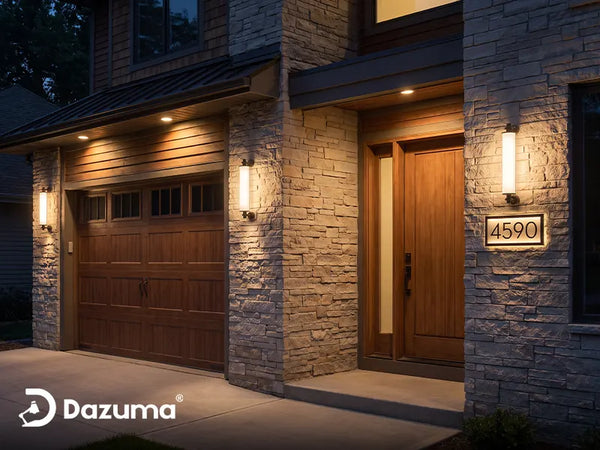
 A balanced landscape lighting plan highlights architecture without overlighting the home.
Start With the Purpose, Not the Lights
Before thinking about fixture styles or bulb types, ask yourself one simple question: What do I want my outdoor lighting to do?
Some people prioritize safety, making sure walkways, steps, and entrances are clearly visible. Others care more about curb appeal, highlighting trees, textures, or architectural features. Many homeowners want both—and that’s perfectly fine. The key is knowing which areas matter most, so lighting decisions support real needs instead of guesswork.
Understand Your Yard Like a Designer Would
A smart way to begin planning is to walk your property at night. Areas that feel fine during the day can disappear into darkness after sunset. Pay attention to where your eyes naturally go and where you feel unsure about footing or visibility.
Look for natural focal points as well. Mature trees, garden beds, stone walls, and the home’s façade are all strong candidates for lighting. Planning works best when lighting enhances what’s already there instead of trying to create interest where none exists.
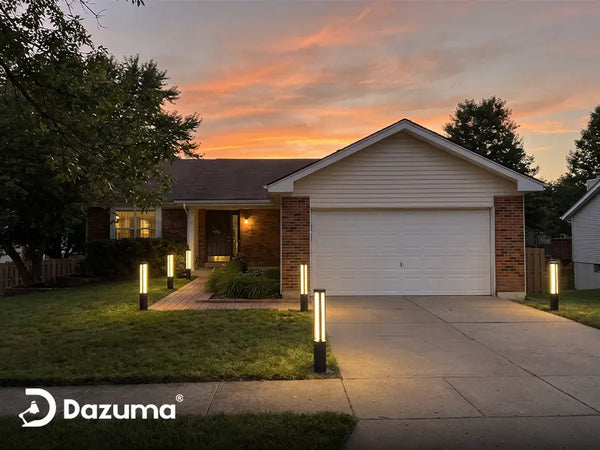
 Consistent spacing and direction are key when planning pathway and boundary lighting.
Use a Layered Lighting Approach
One of the most important landscape lighting concepts is layering. Rather than relying on a single type of light, designers combine multiple layers to create depth and balance.
Ambient lighting provides overall visibility without overwhelming the space. Task lighting focuses on functional areas like paths and steps. Accent lighting adds visual interest by drawing attention to textures, plants, or architectural details. When these layers work together, the yard feels comfortable, natural, and intentional.
Choose Lighting Techniques That Match the Space
Different areas call for different lighting techniques. Path lighting, such as low-voltage path lights or bollard lights, helps guide movement, but spacing matters—too close together can look like a runway. Uplighting is often used to highlight trees or columns, while downlighting creates a softer, moonlight-like effect that feels more subtle and natural.
For walls and textured surfaces, techniques like wall washing or grazing can dramatically change how a home looks at night. These approaches aren’t about brightness; they’re about direction and placement.
Decide on Power Options Early
How your lights are powered affects everything from brightness to maintenance. Low-voltage systems are the most common choice for residential landscape lighting because they’re flexible, safe, and easy to expand. Solar lights work well in areas with strong sun exposure but aren’t always ideal for consistent brightness. Line-voltage lighting is powerful but usually requires a licensed electrician and careful planning.
Choosing the right power option early prevents frustration later and helps set realistic expectations for performance.
 Thoughtful lighting placement enhances both safety and visual flow in garden paths.
Plan Lighting Zones and Controls
A well-planned lighting system isn’t just about where lights go—it’s also about how they’re controlled. Dividing your lighting into zones allows you to adjust different areas independently. Front yard lighting might run all night for curb appeal and security, while backyard lighting may only be needed during gatherings.
Many homeowners in the U.S. prefer automatic solutions like timers, photocells, or smart controls. These options improve convenience, save energy, and make lighting feel effortless.
Set a Realistic Budget
Landscape lighting doesn’t have to be expensive, but it does benefit from smart budgeting. Planning your layout first helps you avoid buying too many fixtures or replacing poorly placed ones later. It’s often more cost-effective to install fewer, well-positioned lights than to overdo it and regret the result.
Leaving room for future expansion is also a smart move, especially if you expect your landscaping to evolve over time.
DIY or Hire a Professional?
Many homeowners successfully plan and install simple landscape lighting systems themselves. Small yards, basic pathways, and low-voltage setups are often very DIY-friendly. Larger properties or complex designs may benefit from professional input, especially when visual impact is a priority.
There’s no single right answer—it depends on your comfort level, budget, and goals.
Common Landscape Lighting Planning Mistakes
Even with good intentions, certain mistakes are common:
• Overlighting areas instead of creating balance
• Ignoring glare and light direction
• Placing fixtures too close together
• Forgetting about maintenance and bulb access
Avoiding these issues usually comes down to planning slowly and intentionally.
A Simple Checklist Before You Start
Before purchasing or installing anything, make sure you’ve defined your goals, identified key features, planned lighting layers, chosen a power source, mapped out zones, and set a budget. This step alone can save time, money, and frustration.
Final Thoughts
Learning how to plan landscape lighting is less about technical expertise and more about thoughtful observation. When lighting supports how you live and highlights what makes your home unique, the result feels natural and timeless.
If you're planning your outdoor lighting project, choosing the right fixtures can make a big difference in both appearance and performance. Explore high-quality landscape lighting options designed for durability and visual impact.