
There’s something magical about that moment when you plug in your Christmas lights and your whole yard starts to glow. But before you dive into decorating, there’s one question that always sparks debate: can you mix white and colored Christmas lights outdoors?
Short answer? Yes, you absolutely can — but there’s a right way to do it. Let’s talk about how to mix them safely, stylishly, and in a way that makes your home look straight out of a Hallmark movie.
Table of Contents:
The Short Answer: Yes, You Can — But It Depends
Mixing white and colored Christmas lights is totally doable, and when done right, it can create a warm, festive, and balanced display that turns your home into the neighborhood favorite. Imagine the clean white glow outlining your roofline, paired with pops of red, green, or blue scattered across your trees — classic yet full of personality.
Still, pulling it off beautifully takes more than just plugging in a few strands. There are two main things to keep in mind:
- Electrical compatibility — Not every light string is made to work together. Different types or voltages can cause flickering or short circuits.
- Design consistency — You want your setup to look intentional, not random. Mixing colors should feel coordinated, not chaotic.
If you balance both safety and style, you’ll get that perfect mix — cheerful, bright, and totally Instagram-worthy.

Star string lights add a touch of magic to any backyard during festive nights.
Safety First: Mixing Lights the Right Way
Before jumping into color combos and creative layouts, let’s cover the basics: safety first. A little prep goes a long way in preventing flickering lights, tripped breakers, or worse — electrical mishaps in the middle of your holiday fun.
1. Match Power and Voltage
Rule number one: never connect two light strings that weren’t made to go together. Even if the plugs fit, their voltage or wiring might differ. Mixing LED and incandescent lights on the same line can cause uneven power flow — your LEDs might flicker while the incandescent bulbs overheat.
Always check the label or packaging for key info like voltage, wattage, and whether the lights are rated for outdoor use. Look for:
- UL-certified or ETL-listed tags (means they’ve passed safety testing)
- Outdoor-rated insulation to handle rain, snow, and cold
- Matching plug type and voltage if you plan to connect multiple strands
These small checks help your lights run brighter, longer, and safer.
2. Keep Indoor and Outdoor Lights Separate
This might seem obvious, but it’s one of the most common holiday mistakes. Indoor lights just aren’t built for harsh weather — their thin insulation can crack in the cold or short out if it gets wet.
Stick with products labeled “For Outdoor Use” for anything exposed to rain or snow, like roofs, trees, bushes, and pathways. Save your indoor sets for your Christmas tree, mantel, or windows where it’s warm and dry. Outdoor-rated lights last longer and give you peace of mind all season.
3. Don’t Overload Your Circuit
Remember, every circuit has a limit. Most homes run on 15-amp circuits, which handle about 1,800 watts max. Go over that, and your lights — or your power — will go out fast.
LEDs make things easier since they use far less energy than incandescent bulbs. Still, if you’re mixing both, it’s easy to push the limit. Check the manufacturer’s tag near the plug — it usually tells you how many strands can safely connect end-to-end. Some LED sets handle 40+ strands, while older incandescent ones might allow only three.
If in doubt, split your lights across multiple outlets or use separate circuits. It’s safer, cleaner, and keeps your display glowing all night long.

Multicolor lantern lights bring playful charm and warmth to outdoor walls and patios.
Mixing White and Colored Lights: Aesthetic Principles
Now for the fun part — making your light display look amazing.
1. Choose a Theme Before You Mix
Before you start wrapping lights around everything, take a moment to plan your theme. Without one, your yard can easily look more garage sale than holiday magic.
A theme keeps your colors cohesive and your layout intentional. Here are some favorites Americans love:
- Classic White Elegance – Warm white lights outlining the roof, windows, and trees for a timeless, graceful look.
- Festive Color Pop – White lights as a base with red, green, or multicolor accents to bring cheerful contrast.
- Vintage Nostalgia – Big C9 bulbs in red, green, and clear white for that cozy, retro 1960s vibe.
- Winter Wonderland – Cool white mixed with icy blue for a crisp, modern glow.
Whatever style you choose, consistency matters. Stick to a limited palette and make sure all your “white” lights match (we’ll get to that next).
2. Warm vs. Cool White — It Really Matters
Not all white lights are the same.
- Warm white (around 2700K) gives off a soft, golden glow — cozy and traditional.
- Cool white (around 5000K) feels bright, crisp, and slightly blue — perfect for a frosty, wintery look.
Warm white pairs beautifully with red and green; cool white works best with blue or silver. Mismatched tones can make your display feel uneven, so check the color temperature on the box before buying.
3. Placement Strategy
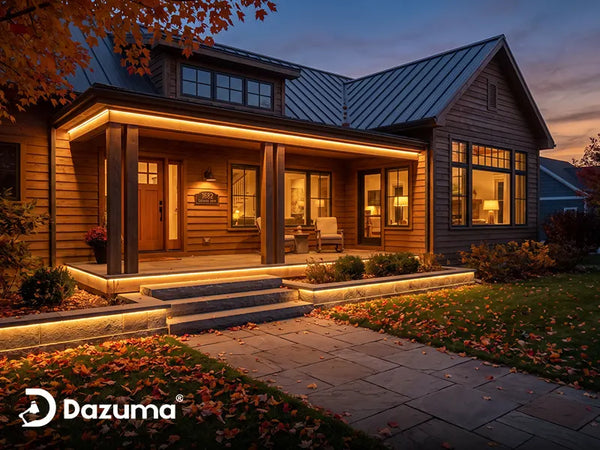
A little structure goes a long way. Use white lights to outline your roofline, porch, or windows — they provide a clean “frame.” Then, layer colored lights on trees, shrubs, or pathways to add life and energy.
For balance, follow this simple rule: 60% white, 40% color. White lights create harmony; color adds personality. Together, they make your home shine — festive, balanced, and totally picture-worthy.
LED vs. Incandescent: Mixing Pitfalls and Solutions
Mixing LED and incandescent Christmas lights may seem fine at first — but these two types work very differently. To avoid frustration (and flickering bulbs), here’s what to watch out for.
1. Don’t Mix on the Same String
Even if the plugs fit, never connect LED and incandescent strands together. Their power draw and brightness are completely different. LEDs run on low voltage, while incandescents use more energy and heat up fast. When combined, you’ll likely dim your LEDs or burn out the incandescent bulbs early.
Instead, plug them into separate outlets or extension cords so you can control each section on its own. You’ll keep things safer — and your lights will shine the way they should.
2. Brightness Mismatch
LEDs are typically much brighter and sharper than traditional bulbs, which can throw off your balance if they’re too close together. Try these quick fixes:
- Use an outdoor dimmer plug to soften overly bright LEDs.
- Adjust spacing — place the brighter strands a little farther from your main focal areas.
- Or upgrade gradually to all-LED strands for a smoother, more unified look.
3. Energy Use and Lifespan
Still holding on to those classic glass bulbs? They’re charming — but not efficient. LEDs use up to 80% less energy and last ten times longer, making them ideal for outdoor setups that face rain, snow, or coastal humidity.
You can mix both styles safely with care, but in the long run, switching fully to LEDs will save power, reduce maintenance, and keep your display glowing beautifully for years to come.

A playful neon Santa design adds personality and color to modern holiday décor.
Design Inspiration: Real-Life Mixing Ideas
If you’re not sure how to combine white and colored lights tastefully, here are some tried-and-true setups that look great in American neighborhoods:
- Rooflines: White icicle lights hanging from the eaves, with colored C9 bulbs tracing the roof’s edge.
- Yard Trees: Wrap the trunk in white lights for structure, then cover the canopy with colored strands — instant “wow” factor.
- Pathways: Use white stake lights for clean visibility and sprinkle in a few red or green ones for festive flair.
- Porch or Gazebo: Drape warm white fairy lights as a base and weave in colored bulbs for depth and texture.
- Smart RGB Lights: If you’re techy, try brands like Twinkly or Govee — you can customize colors from an app and switch from “classic white” to “party mode” in seconds.
FAQs
1. Can I plug white and colored lights into the same outlet?
Yes — as long as you stay within your circuit’s wattage limit (about 1,800 watts for most homes). Use outdoor-rated extension cords and grounded outlets for safety.
2. Do colored lights fade faster outdoors?
A little, especially old incandescent bulbs. Their painted coating can fade from sun or rain. LED colored lights last much longer and hold their color better.
3. Can I mix warm white with multicolor lights?
Absolutely. It’s one of the most popular combos because the warm white glow softens the bold colors, creating a cozy, nostalgic holiday look.
4. How do I make it look balanced?
Use white lights as your base and add colored lights for accents. Think of white as the structure and color as the fun — aim for about 60% white, 40% color for a cheerful, harmonious display.
Conclusion
So, can you mix white and colored Christmas lights outdoors? Yes — safely, beautifully, and in a way that makes your home shine.
The key is to plan your layout, match your lights, and stay consistent with your color tones. When you get it right, you’ll have a display that feels both festive and elegant — the kind neighbors slow down to admire as they drive by.
In the end, it’s not about perfection; it’s about creating a glow that feels like home. So grab your lights, some hot cocoa, and a ladder — it’s time to make your yard sparkle.