
Outdoor stairs can look great during the day—but once the sun goes down, they’re often one of the most dangerous spots around a home. A missed step, poor visibility, or harsh shadows can quickly turn into a fall. That’s why learning how to put a light on stair outdoor areas is about more than style—it’s about safety, comfort, and usability.
The good news? You don’t need to be a contractor or lighting expert to do it right. With the right planning and a clear understanding of placement and options, outdoor stair lighting is a project most homeowners can handle confidently.
Why Outdoor Stair Lighting Matters
Outdoor stair lighting serves one main purpose: helping people see where they’re stepping. But it does a lot more than that.
Proper lighting reduces trips and falls, especially for kids, older adults, and guests unfamiliar with your space. In the U.S., outdoor steps are one of the most common places for nighttime accidents, particularly around front porches and backyard decks.
Lighting also makes your home feel more welcoming. A softly lit staircase improves curb appeal, extends the usability of outdoor spaces, and gives your home a polished, intentional look after dark.

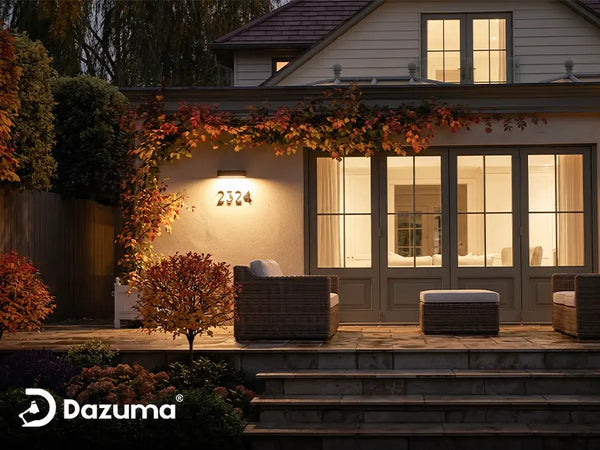
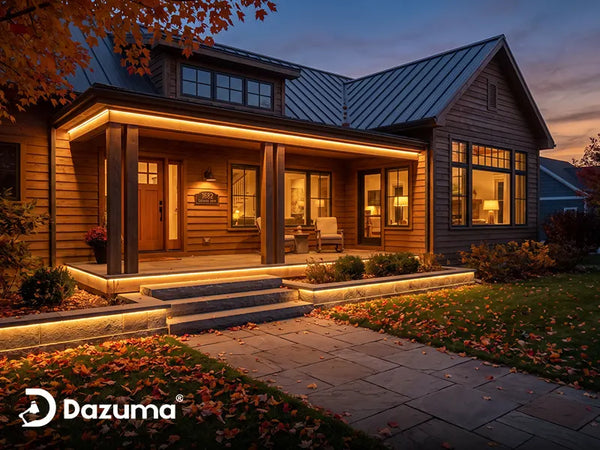
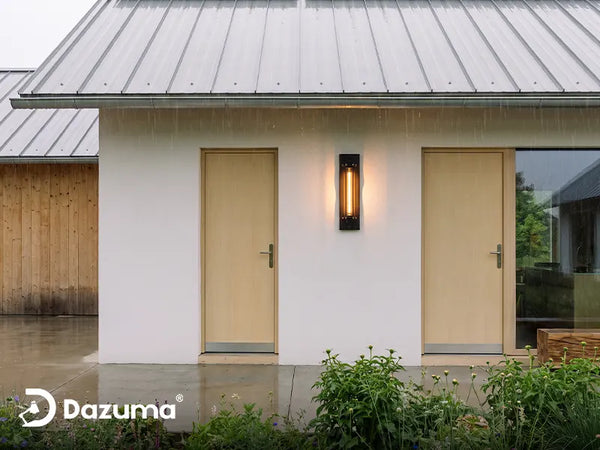
Warm wall-mounted step lights provide subtle illumination for outdoor stairs without causing glare.
Understand Your Outdoor Stair Setup First
Before installing anything, take a few minutes to look closely at your stairs. Not all staircases need the same lighting approach.
Think about how many steps you have. A short set of three porch steps may only need one or two lights, while a long staircase leading to a backyard or garden will require more consistent coverage. Material matters too—wood, concrete, stone, and composite stairs all handle mounting differently.
Location is another key factor. Front entry stairs often need brighter, more functional lighting, while backyard or garden stairs can lean more toward ambiance. Also consider how exposed the area is to rain, snow, or direct sunlight, since this affects fixture choice and durability.
Types of Outdoor Stair Lights You Can Install
There isn’t one “correct” fixture for every situation. The best option depends on your layout, power access, and how hands-on you want the installation to be.
Step lights are one of the most popular choices. These are mounted directly into stair risers or nearby walls and provide clean, focused illumination right where you need it. They look modern and professional but usually require low-voltage wiring or hardwiring.
Solar stair lights are a favorite for DIYers. They don’t need wiring and are easy to install, making them great for decks and garden steps. Just keep in mind that brightness and winter performance depend heavily on sun exposure.
Post lights and rail lights work well on wider staircases or deck stairs with handrails. They add structure, visibility, and a bit of architectural style.
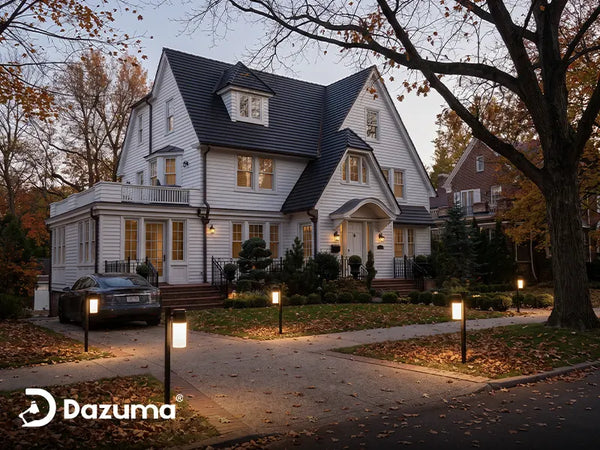
Some homeowners choose path lights placed near stair edges. This indirect approach doesn’t light each step individually, but it creates enough ambient light to guide movement safely.

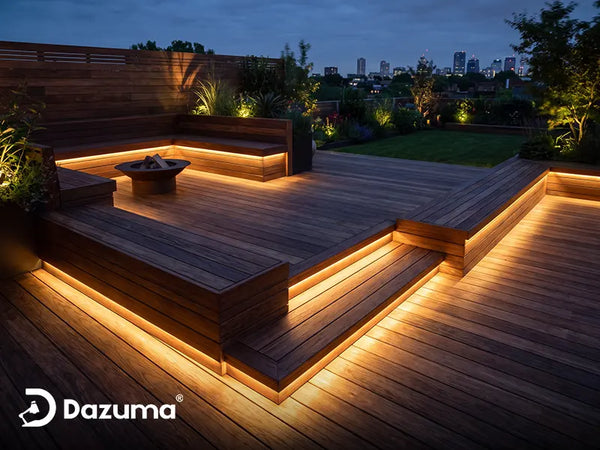
Soft under-step lighting highlights each stair, creating a welcoming and upscale front entrance at night.
Where to Place Lights on Outdoor Stairs
Placement is the most important part of learning how to put a light on stair outdoor spaces effectively.
Lights, like strip lights, are commonly installed on stair risers, side walls (also called stringers), or handrails. For longer staircases, lights are often spaced evenly, sometimes on every step or every other step, depending on brightness.
The goal is to eliminate shadows without creating glare. Lights should be low enough to illuminate the steps clearly but not so bright that they shine directly into people’s eyes. Consistency matters—uneven spacing can make stairs harder to read visually.
How to Put a Light on Outdoor Stairs: Step-by-Step
The actual installation process doesn’t have to be complicated. At a high level, it usually follows one simple workflow:
- Choose your power source (solar, low-voltage, or hardwired)
- Mark your light positions before drilling
- Mount fixtures securely using outdoor-rated hardware
- Connect wiring if applicable, using waterproof connectors
- Test the lights at night and adjust positioning if needed
Solar lights are typically the easiest: mount, secure, and you’re done. Low-voltage systems take a bit more planning but offer consistent brightness and long-term reliability. Hardwired lights are best left to experienced DIYers or licensed electricians.
Safety Tips and Code Considerations
Safety always comes first when working with outdoor lighting. Any fixture you install should be rated for outdoor or wet locations. This protects against moisture, corrosion, and electrical issues.
In the U.S., outdoor wiring must follow NEC (National Electrical Code) guidelines. If your project involves line-voltage wiring or cutting into existing electrical systems, hiring a licensed electrician is strongly recommended.
Also make sure wires are kept away from foot traffic and protected from water pooling or snow buildup.
Choosing the Right Brightness and Color Temperature
Brightness matters more than many people realize. Too little light makes stairs unsafe, while too much can cause glare and harsh shadows.
Most outdoor stair lights fall in the lower lumen range, designed to guide rather than flood. Warm white light (around 2700K–3000K) is generally preferred for residential outdoor stairs because it feels inviting and doesn’t strain the eyes at night.
Whatever you choose, aim for consistency. Mixing different brightness levels or color temperatures on the same staircase can be distracting and confusing.
Final Thoughts
Learning how to put a light on stair outdoor areas isn’t just about adding fixtures—it’s about making your home safer, more functional, and more enjoyable after dark. With the right planning, thoughtful placement, and outdoor-rated products at Dazuma, even a simple staircase can feel polished and secure.
Start small if you need to. You can always add more lighting later. What matters most is creating a clear, comfortable path that people can use with confidence—day or night.