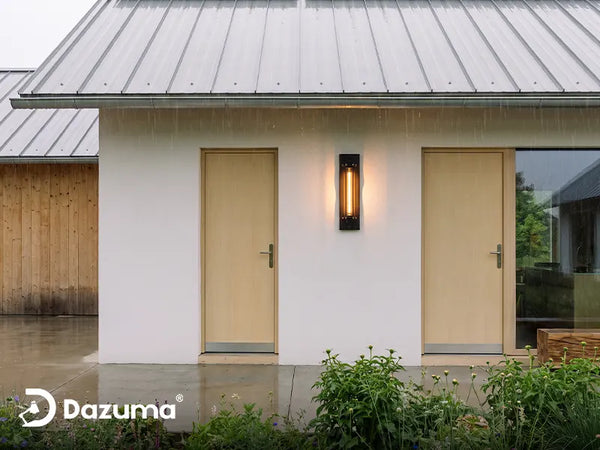

If you’ve ever looked up at your porch or backyard lights and thought, “Wow, these used to look a lot nicer,” you’re not alone. Outdoor light fixtures take a beating from sun, rain, snow, and humidity. Over time, that shiny finish dulls, spots appear, and before you know it, your once-beautiful lights are looking cloudy, chalky, or just plain tired.
For American homeowners, outdoor lighting isn’t just about visibility—it’s about curb appeal, creating a welcoming space for guests, and even boosting property value. But here’s the good news: you don’t have to live with dull, oxidized lights forever. With the right prep and a few simple tools, you can bring back that original shine.
In this guide, we’ll walk step by step through how to clean oxidized outdoor light fixtures safely and effectively. Let’s roll up our sleeves and get started.
Table of Contents
Understanding Oxidation on Outdoor Light Fixtures
What is oxidation?
Oxidation is just a fancy word for a natural chemical reaction. When metal is exposed to air and moisture, it reacts with oxygen and forms a new surface layer. Think of how an apple browns after being cut—that’s oxidation too. With metal, this reaction can cause discoloration, dullness, or chalky buildup.

A quick clean can make your outdoor fixtures look dramatically better.
Common Materials in Outdoor Fixtures
Most outdoor light fixtures in the U.S. are made from these materials, each reacting differently to weather:
- Brass – develops a green or brown patina over time.
- Copper – naturally turns green, which some homeowners even appreciate as a “vintage” look.
- Aluminum – prone to white, powdery oxidation spots.
- Stainless steel – generally durable but can show rust stains or dullness.
- Powder-coated finishes – resist corrosion better, but may fade or lose their glossy appearance.
Signs Your Fixtures Are Oxidized
If you’re unsure whether you’re dealing with simple dirt or actual oxidation, look for these common warning signs:
- A white, chalky film that doesn’t wipe off easily.
- Green streaks or patina (especially on copper and brass).
- Black or brown spots that mar the finish.
- Cloudy or foggy glass that remains dull even after cleaning with water.
both you and your fixtures.
- Turn off the power – Always switch off the light and, for extra safety, flip the breaker. Even a small splash of water can be dangerous when electricity is involved.
- Gather your supplies – Keep everything you’ll need within reach: soft cloths, mild dish soap, vinegar, lemon juice, baking soda, non-abrasive pads, gloves, a bucket of warm water, and a drop cloth. Having these ready makes the job faster and easier.
- Protect the area – Cover nearby plants, wood, or siding with a towel or tarp. Even gentle cleaners like vinegar can damage surfaces or greenery if they drip.
Step-by-Step Guide to Cleaning Oxidized Fixtures
A. Basic Cleaning (for mild oxidation)
If your outdoor light fixtures are only slightly dull or have picked up a layer of dust and cobwebs, you can usually restore their shine with a quick and easy cleaning routine before moving on to anything more intensive:
- Wipe away loose debris – Start by using a soft, dry cloth to remove surface-level dust, dirt, and spiderwebs that have collected over time. This step helps you avoid smearing grime around once water is added.
- Wash with soapy water – Fill a small bucket with warm water and add a few drops of mild dish soap. Dip your cloth or sponge in the mixture and gently scrub the surface of the fixture, paying extra attention to areas where dirt tends to build up.
-
Rinse and dry thoroughly – Once the soap has lifted the grime, rinse the fixture with clean water. Immediately dry it with a lint-free cloth to prevent streaks or water spots, which can leave the fixture looking dull again.

Gently wash your outdoor wall light with mild soap and water to remove dirt and restore its shine.
B. Natural Cleaning Solutions (eco-friendly & budget-friendly)
If your fixtures have more noticeable discoloration or oxidation that basic soap and water won’t fix, it’s time to turn to natural, household remedies that are safe, affordable, and environmentally friendly. These simple pantry staples can work wonders:
- Vinegar spray – Combine equal parts white vinegar and water in a spray bottle. Mist the solution directly onto any cloudy or chalky areas and let it sit for a few minutes to loosen up the buildup. Then wipe the surface with a soft cloth until it looks clearer and shinier.
- Lemon juice + baking soda paste – Squeeze fresh lemon juice over baking soda to create a mildly abrasive paste. Apply it to spots with stubborn oxidation or discoloration, gently scrub in small circles, and then rinse with clean water. Dry the area completely to bring back the shine.
- Salt + vinegar for brass or copper – Mix table salt with vinegar to form a paste that works especially well on brass or copper fixtures. Rub it into the metal with a soft cloth to remove green patina or dark spots, then rinse thoroughly and buff dry.
C. Deeper Cleaning for Severe Oxidation
Sometimes natural cleaners aren’t strong enough, especially if the fixture hasn’t been cleaned in years or has been exposed to harsh weather conditions. In those cases, you’ll need a stronger approach:
- Apply a metal polish – Use a commercial cleaner designed specifically for the material of your fixture, such as brass polish, aluminum polish, or stainless steel cleaner. Follow the manufacturer’s instructions carefully, applying the product evenly and polishing until the surface regains its shine.
- Use fine steel wool or a non-abrasive pad – For heavy oxidation that resists polish alone, gently rub the surface with fine steel wool (grade 0000) or a non-abrasive scrubbing pad. Work slowly and carefully to avoid scratching the finish, especially on softer metals like brass or copper.
- Disassemble for thorough cleaning – If oxidation is stubborn in tight corners, around screws, or on the inside of the fixture, consider removing the fixture from the wall or post. This allows you to clean all surfaces more effectively and ensures the oxidation doesn’t keep spreading in hidden areas. If you find the fixture is too damaged or the wiring is corroded, it might be time to upgrade. Explore our collection of durable outdoor wall lights as a replacement option.

Restore shine to metal fixtures with gentle scrubbing and protective spray.
D. Cleaning Fixture Glass
The metal housing isn’t the only part that needs attention—the glass panels or covers play a huge role in how bright and polished your lights appear. Dirty or foggy glass can make an otherwise clean fixture look dingy. For more delicate designs like chandeliers, you can also see our guide on How to Clean a Crystal Chandelier.
- Soak and clean – Remove the glass pieces, if possible, and soak them in a solution of warm water and white vinegar. This helps break down cloudy residue and restores clarity. After soaking, rinse thoroughly with clean water and dry completely with a microfiber cloth.
- Handle with care – Avoid using harsh scouring pads or abrasive cleaners, as they can leave scratches that permanently dull the glass. Stick to soft cloths or non-abrasive sponges to maintain a crystal-clear finish.
Preventing Future Oxidation
Once your fixtures are sparkling again, here’s how to keep them that way:
- Apply a protective coating – A layer of clear spray lacquer or even car wax helps block moisture and slow oxidation.
- Set a maintenance schedule – Wipe fixtures down every 2–3 months instead of waiting years. Quick touch-ups are easier than deep cleans.
- Choose durable materials – If you’re upgrading, look for powder-coated aluminum or marine-grade stainless steel, especially if you live near the coast.
- Seasonal awareness – Winter snow, humid summers, and salty sea air all accelerate oxidation. Consider bringing removable fixtures indoors during extreme weather.
 Clean and well-maintained fixtures enhance the charm of your outdoor space.
Frequently Asked Questions (FAQs)
1. How often should I clean outdoor light fixtures?
At least twice a year—spring and fall are perfect times. If you live near the coast, consider quarterly cleaning.
2. Can I use WD-40 on oxidized lights?
Yes, WD-40 can help loosen oxidation, but it’s better as a short-term fix. Follow up with a polish or protective coating.
3. Will oxidation damage the wiring or is it just cosmetic?
Most oxidation is surface-level and cosmetic, but if you see corrosion near electrical parts, have an electrician check it out.
4. Is green patina on copper bad or desirable?
That depends! Some homeowners love the classic, weathered look. If you prefer shiny copper, you’ll need to clean and seal it.
5. What’s the easiest low-maintenance outdoor light material?
Powder-coated aluminum and marine-grade stainless steel are both excellent choices for resisting oxidation.
Conclusion
Outdoor light fixtures might not be the first thing you think about when it comes to home maintenance, but they make a big difference in how your home looks and feels. The good news? With some basic prep, a little vinegar or polish, and regular upkeep, you can restore oxidized lights and keep them looking their best.
Remember: maintaining your lights doesn’t just brighten your home’s exterior—it boosts curb appeal, makes outdoor spaces more inviting, and saves you from replacing fixtures too soon.
So the next time you glance at your porch light and see dullness or spots, don’t sigh and walk past it. Grab your supplies and try these methods. You’ll be surprised how much fresher your whole house looks when your lights are shining bright again.