
If you’ve ever felt like your living room looks fine during the day but feels flat or uncomfortable at night, lighting is probably the reason. Many people rely on a single overhead light and call it done. In reality, learning how to light a living room is more about balance than brightness.
A well-lit living room supports daily life. It helps you relax after work, read a book, host friends, or watch TV without eye strain. The good news is that you don’t need a designer or a full renovation. You just need to understand how lighting layers work and how to use them in a way that fits your space.
Three Layers of Living Room Lighting
Good living room lighting is built in layers. Each layer serves a different purpose, and together they create a space that feels comfortable and flexible rather than harsh or boring.
Ambient Lighting – The Foundation of the Room
Ambient lighting is your base layer. It provides overall illumination and makes sure the room is bright enough to move around safely. Think of it as the lighting equivalent of a foundation. Everything else builds on top of it.
In most U.S. living rooms, ambient lighting comes from ceiling-mounted fixtures. Flush mount and semi-flush lights are common in homes with standard or low ceilings. Chandeliers often appear in larger living rooms or homes with higher ceilings, where they can add style without overwhelming the space. Recessed lighting is also popular, especially in newer homes, because it provides even light without drawing attention to itself.
What’s important to remember is that ambient lighting sets brightness, not mood. On its own, it often feels flat or too intense. That’s why relying only on ceiling lights is one of the most common living room lighting mistakes.

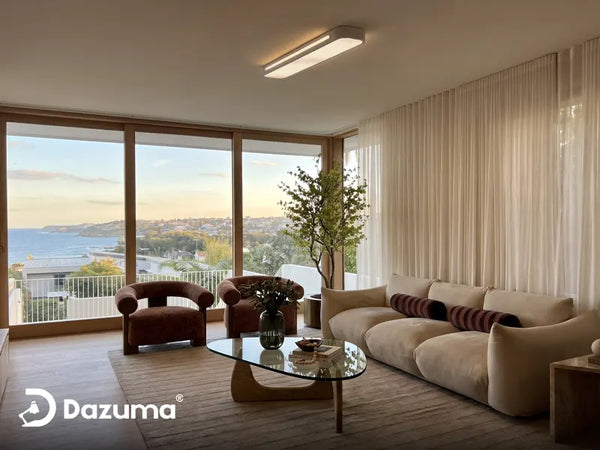
Combining natural light with overhead fixtures helps create a bright yet inviting living room during the day.
Task Lighting – Lighting for Everyday Activities
Task lighting focuses on what you actually do in your living room. This might include reading on the sofa, working on a laptop, doing a puzzle, or helping kids with homework. These activities need focused light that doesn’t light up the entire room.
Floor lamps placed next to sofas or armchairs are a classic solution. They provide light exactly where you need it and are easy to move if your layout changes. Table lamps near seating areas are just as effective and add warmth at eye level, which makes the room feel more inviting.
Placement matters more than people think. A task light should be close enough to reduce shadows but not so close that it causes glare. As a rule of thumb, place lamps slightly behind or beside where you sit, not directly in front of you.
Accent Lighting – Adding Depth and Personality
Accent lighting is what gives a living room character. It highlights the things you love and adds visual depth, especially in the evening.
In American interior design, accent lighting is often used to showcase artwork, built-in shelves, architectural details, or even indoor plants. Wall sconces can frame a fireplace or sofa wall. Picture lights draw attention to artwork without overpowering the room. LED strip lighting tucked under shelves or behind cabinets adds a soft glow that feels modern and intentional.
Accent lighting doesn’t need to be bright. Its job is to create contrast and make the room feel layered, not to compete with your main lights.

Combining natural light with overhead fixtures helps create a bright yet inviting living room during the day.
How to Choose the Right Light Fixtures for Your Living Room
Once you understand the layers, the next step is choosing fixtures that fit your space and lifestyle.
Match Lighting to Room Size and Ceiling Height
Room size and ceiling height should guide your choices. In living rooms with low ceilings, bulky fixtures can make the space feel cramped. Flush or semi-flush lights usually work best here. In rooms with higher ceilings, you have more freedom. Larger fixtures or chandeliers can help fill vertical space and make the room feel balanced.
Apartments often require more flexibility, especially if you can’t hardwire new fixtures. Single-family homes usually allow for more permanent solutions, but that doesn’t mean everything needs to be built-in. Overcrowding a room with too many fixtures can be just as uncomfortable as under-lighting it.
Choosing Between Overhead Lights, Lamps, and Wall Fixtures
Overhead lighting makes sense for general illumination, especially during the day or when you’re cleaning or hosting guests. That said, most U.S. homes rely heavily on lamps for everyday comfort. Lamps create softer light and make living rooms feel relaxed rather than clinical.
The best approach is to mix fixed and movable light sources. Overhead lights provide structure. Lamps and wall fixtures give you flexibility. This combination lets you adjust the lighting as your needs change throughout the day.

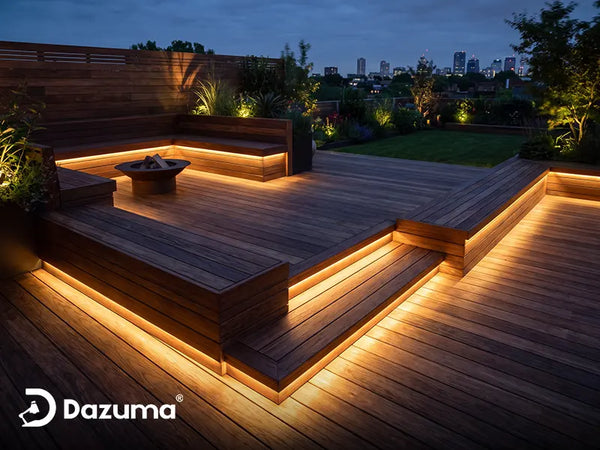
Accent lighting adds depth and personality by drawing attention to shelves and decorative elements.
Living Room Lighting Layout Tips
Many rentals and older homes don’t have overhead living room lighting. Fortunately, you can still create a well-lit space.
Start with multiple floor and table lamps spread evenly around the room. This prevents dark corners and harsh shadows. Wall-mounted plug-in sconces are another great option because they add vertical light without requiring electrical work. By mixing light sources at different heights, you can achieve balance without a single ceiling fixture.
Lighting Open-Concept Living Rooms
Open-concept spaces are common in modern U.S. homes, but they can be tricky to light. The key is using lighting to define zones.
Use different lighting styles for the living, dining, and kitchen areas, while keeping a consistent overall look. Floor lamps and table lamps can anchor the living area, while pendant lights or recessed lighting serve the kitchen and dining zones. Avoid visual clutter by limiting the number of statement fixtures competing for attention.
Small Living Room Lighting Ideas
In small living rooms, lighting can make the space feel larger or smaller. Directional light that washes walls or ceilings helps visually expand the room. Mirrors and reflective surfaces can amplify light and reduce the need for extra fixtures.
Avoid heavy or oversized lamps that dominate the space. Slim floor lamps, wall-mounted lights, and compact table lamps are usually better choices. The goal is to keep the room feeling open, not crowded.
Create a Living Room Lighting Plan That Grows With You
Learning how to light a living room isn’t about following trends or buying the most expensive fixtures. It’s about thinking in layers instead of relying on a single light source. When you focus on flexibility and comfort, your lighting can adapt as your life changes.
Start small if you need to. Add one lamp. Adjust placement. Experiment with how the room feels at night. Good lighting is achievable without tearing down walls or rewiring your home. With the right approach, your living room can feel warm, functional, and truly lived-in—every single day.