
Few things ruin a relaxing summer evening faster than turning on your outdoor lights and watching bugs appear out of nowhere. Whether it’s your front porch, backyard patio, or deck, outdoor lighting often becomes an unintended gathering spot for insects. If you’ve ever wondered whether the color of your lights has anything to do with it, the answer is yes—and it matters more than most people realize.
Choosing the right outdoor light color won’t eliminate bugs entirely, but it can significantly reduce how many show up. Understanding why certain colors attract insects, and which ones don’t, makes it much easier to design outdoor spaces that feel comfortable instead of chaotic.
Why Bugs Are Drawn to Outdoor Lights
Insects aren’t just randomly flying toward your porch light. Many flying bugs rely on natural light sources like the moon to navigate at night. Artificial lighting, especially certain colors, interferes with that process.
Most insects are highly sensitive to short-wavelength light, including ultraviolet, blue, and cool white tones. These wavelengths appear extremely bright to them, even when the light doesn’t seem harsh to human eyes. As a result, bugs instinctively move toward these light sources and end up circling them for hours.
This is why the issue isn’t just how bright your outdoor lights are—it’s the type of light they produce.

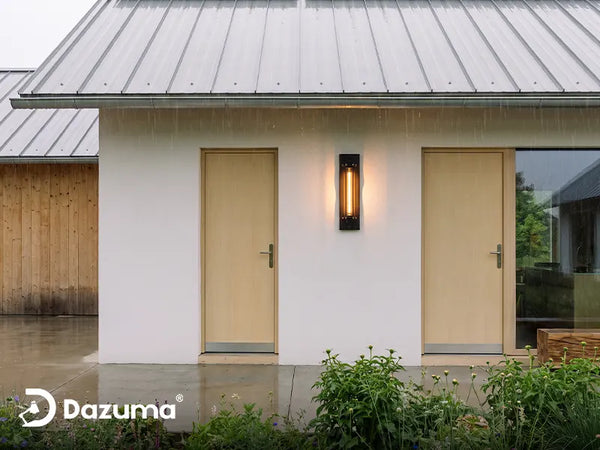
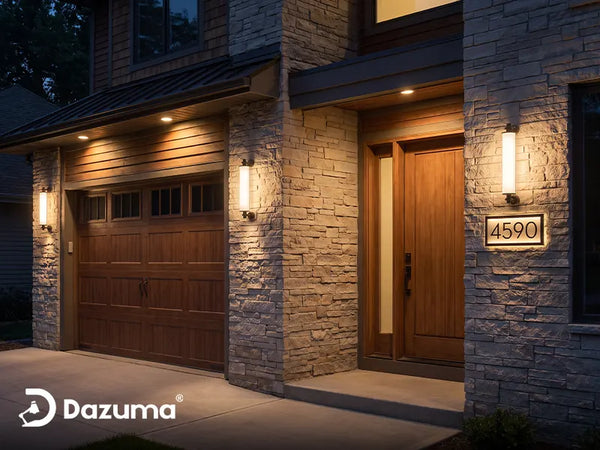
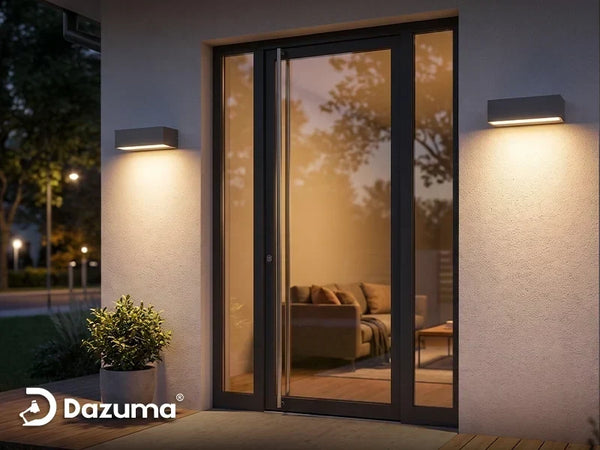
Sleek outdoor wall sconces create stylish up-and-down lighting for exterior walls.
The Science Behind Light Color and Bug Attraction
Light color is determined by wavelength. Shorter wavelengths fall on the blue and violet end of the spectrum, while longer wavelengths include yellow, amber, and red. Insects are far more responsive to shorter wavelengths, which is why cool-toned lighting tends to attract more bugs.
Longer wavelengths are much less visible to insects. When outdoor lights emit mostly yellow or amber light, bugs are less likely to notice them in the first place. That simple shift in visibility is what makes certain light colors far more bug-friendly than others.
The Best Outdoor Light Colors That Don’t Attract Bugs
Among all available options, yellow and amber lighting consistently perform best when it comes to reducing insect activity. These colors sit on the warmer end of the spectrum and avoid the blue and UV wavelengths that bugs are drawn to.
This is exactly why many so-called “bug lights” use a yellow or amber glow. They aren’t repelling insects or killing them—they’re simply producing light that insects don’t find appealing. In everyday use, amber lighting works well around front doors, porches, patios, decks, and outdoor seating areas where comfort matters most.
Amber LED lights have become especially popular in recent years because they balance practicality with ambiance. They offer good visibility, use less energy, and create a warm, cozy atmosphere that feels inviting rather than harsh.
Warm White vs. Cool White Outdoor Lighting
White light can be misleading, because not all white lights behave the same way outdoors. The key difference lies in color temperature, which is measured in Kelvins.
Warm white lighting typically falls between 2700K and 3000K and has a soft, yellowish appearance. Cool white lighting, usually 4000K and above, appears brighter and more blue. From a bug-attraction standpoint, this difference is important.
Warm white lights attract noticeably fewer insects than cool white ones. While they may not be quite as effective as amber lighting, they are often preferred by homeowners who want a more natural-looking glow that still complements modern architecture. Cool white lights, on the other hand, tend to draw bugs much more aggressively, even when they’re not especially bright.

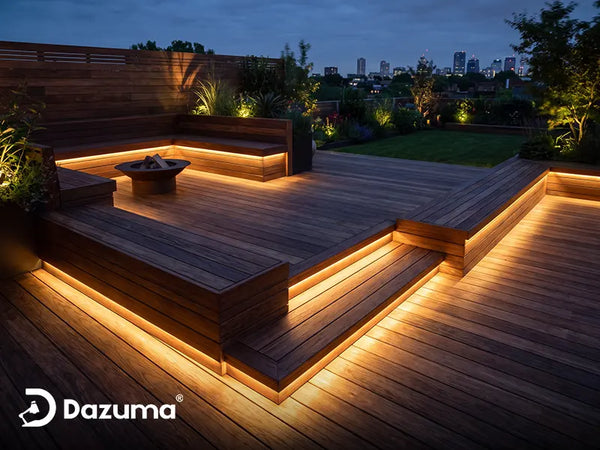
Soft outdoor wall lighting sets a cozy atmosphere for evening gatherings on the patio.
What About Red Lights?
Red light sits at the far end of the visible spectrum and is barely detectable to most insects. Technically speaking, red lighting attracts the fewest bugs of all.
In practice, though, red lights aren’t ideal for most outdoor living spaces. They distort colors, reduce visibility, and can feel unnatural for everyday use. While red lighting may work well in specific situations—such as wildlife observation or stargazing—it’s not a practical solution for general porch or patio lighting.
Light Colors That Attract the Most Bugs
If your outdoor lights seem to act like a magnet for insects, there’s a good chance they fall into the blue or cool white category. These lights emit exactly the wavelengths insects respond to most strongly.
Purple and ultraviolet lighting are even worse. While they may look decorative, they are extremely effective at attracting bugs. This is why UV light is commonly used in insect traps and bug zappers. Using these colors for general outdoor lighting almost guarantees increased insect activity.
Does Brightness Matter More Than Color?
Brightness does play a role, but it’s often overstated. A very bright light will naturally attract more attention, including from insects. However, color remains the dominant factor.
A moderately bright amber light usually attracts far fewer bugs than a dim blue or cool white light. The most effective approach is to combine warm-colored lighting with reasonable brightness levels and thoughtful placement.

Soft outdoor wall lighting sets a cozy atmosphere for evening gatherings on the patio.
Choosing Bug-Resistant Outdoor Lighting Options
Modern outdoor lighting offers plenty of options that are both functional and insect-conscious. Amber LED fixtures are one of the most reliable choices for homeowners looking to reduce bugs without sacrificing style or visibility.
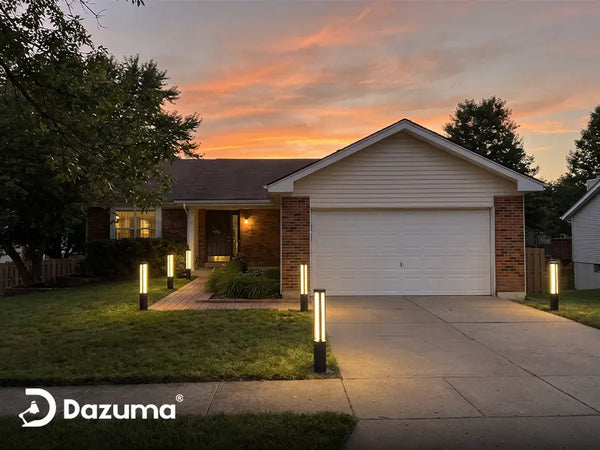
Low-voltage landscape lighting is another effective option, especially when paired with warm color temperatures and downward-facing fixtures. These lights provide enough illumination for pathways and gardens while minimizing light spill that attracts insects.
Solar outdoor lights can also be a good solution, particularly for lawns, walkways, and garden borders. Many solar fixtures are available in warm or amber tones and offer the added benefit of energy savings and easy installation.
Where Bug-Resistant Lighting Makes the Biggest Difference
Some outdoor areas benefit more than others from careful light color selection. Entryways and front porches are especially important, since bugs attracted there often end up inside the house. Warm or amber lighting in these spots can noticeably reduce that problem.
Patios, decks, and backyard seating areas also see major improvements when bug-resistant lighting is used. These are places where people gather, eat, and relax, so reducing insect activity directly improves comfort. Garden paths and walkways benefit as well, as long as the lighting is subtle and well-directed.
Final Thoughts
So, what color outdoor lights don’t attract bugs? In most real-world situations, amber, yellow, and warm white lighting are your best choices. They avoid the wavelengths insects are drawn to while still providing practical, comfortable illumination.
No outdoor lighting solution can eliminate bugs completely, but choosing the right color can make a noticeable difference. With warmer tones and thoughtful placement, you can enjoy your outdoor spaces with fewer insects—and a lot less frustration.