
“This fixture is half the price—so why not?”
That reaction is completely understandable. When you’re shopping for lighting, especially online, cheaper options can look just as good as more expensive ones. The photos are clean, the specs seem similar, and the price difference is hard to ignore.
But here’s the reality many buyers discover later: a lower price doesn’t always mean a lower total cost. Lighting expenses don’t stop at checkout. Installation, performance over time, maintenance, and support all factor into what you actually pay in the long run.
This article takes a closer look at what “cheap lighting” really means—and why it often ends up costing more than expected.
What “Cheap Lighting” Usually Means
Cheap lighting isn’t automatically a bad choice, but it usually reflects a different set of priorities. To reach a lower price point, manufacturers often reduce costs in ways that aren’t immediately visible.
That can mean lower-grade materials, less durable internal components, or simpler construction. Drivers and power supplies are often where savings happen first, even though they play a huge role in how long a fixture lasts. Heat management and internal stability may also get less attention, which affects performance over time.
Beyond the physical product, cost-cutting often shows up in the process itself. Quality checks may be limited, long-term testing may be skipped, and packaging may be just good enough to get the product out the door. After the sale, responsibility can become unclear—especially if something goes wrong months later.
None of this is about pointing fingers at specific brands. It’s simply how ultra-low pricing is usually achieved.

A visual comparison showing how cheap lighting can lead to higher repair and replacement costs over time.
The Hidden Costs That Add Up Over Time
This is where cheap lighting starts to lose its appeal.
One of the most common issues is having to replace fixtures sooner than expected. A light that fails after a year or two quickly wipes out any upfront savings, especially once you factor in shipping, labor, and the hassle of doing it all over again.
Consistency is another frequent problem. Color temperature can drift over time, brightness may vary from one fixture to another, and batches don’t always match. In spaces like kitchens, living rooms, offices, or retail environments, these differences are hard to ignore once everything is installed.
Installation costs add another layer. In the U.S., labor isn’t cheap. Paying an electrician once is normal. Paying them again to fix or replace a failing fixture is where things get expensive. As many homeowners learn the hard way, fixing a problem often costs more than doing it right the first time.
Then there’s the cost no one likes to talk about: frustration. Downtime, wasted weekends, delayed projects, and constant follow-ups all take a toll. For businesses, that can mean disrupted operations or areas that can’t be used as intended. Even for homeowners, time and peace of mind have real value.
What Really Matters Beyond the Price Tag
When it comes to long-term lighting costs, the product itself is only part of the equation. What often matters more is who takes responsibility after the order is placed.
At Dazuma, lighting isn’t treated as a one-time transaction. Each project is managed as a complete process. It starts with product selection and design, making sure the fixture fits the actual use case—not just the spec sheet. From there, orders move into supervised production, where aging tests and quality inspections are conducted before anything is approved for shipment.
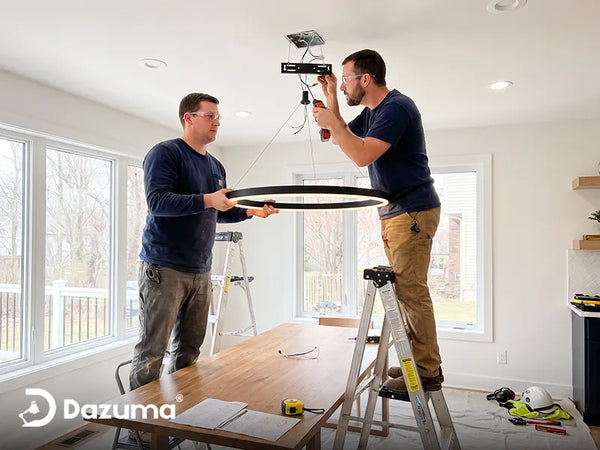
The process doesn’t stop once products leave the factory. Packaging, logistics, and delivery are tracked step by step, all the way until the lights reach the customer. Installation support is provided when needed, ensuring the product is not only delivered, but properly installed and ready to perform as intended.
Just as importantly, support doesn’t disappear after delivery. If issues arise later, customers aren’t left guessing who to contact. One email or a phone call connects them directly to Dazuma’s U.S.-based customer service team—real people, local support, and clear accountability.
For business inquiries, communication follows a clear and professional path: starting with email, followed by a phone call when needed, and even in-person meetings for deeper commercial discussions. This structured approach reduces misunderstandings, delays, and unexpected costs over time.
This kind of end-to-end responsibility—covering design, production oversight, testing, delivery, installation assistance, and after-sales support—is often what makes the biggest difference in total cost. When fewer problems occur and issues are resolved quickly, lighting becomes not just cheaper upfront, but truly cost-effective in the long run.

Behind the scenes of lighting manufacturing, highlighting assembly, testing, and quality control.
Cheap vs. Cost-Effective: Understanding the Difference
Cheap lighting focuses on the lowest possible upfront price. Cost-effective lighting focuses on how well a product performs over its entire lifespan.
A fixture that lasts longer, stays consistent, and causes fewer issues often ends up being the better deal, even if it costs more on day one. Another key difference is responsibility. When something goes wrong, someone has to own the problem. If that responsibility falls entirely on the buyer, the true cost becomes much higher than expected.
In the long run, fewer problems usually mean lower total cost. Less time spent fixing issues, fewer replacements, and fewer service calls all add up.
When Cheap Lighting Might Make Sense
To be fair, cheap lighting isn’t always the wrong choice. It can make sense in certain situations, especially when expectations are clear.
For example:
- Temporary installations
- Non-critical or low-traffic areas
- Decorative lighting where performance isn’t essential
In these cases, lower cost and shorter lifespan may be an acceptable trade-off. As many Americans would say, cheap isn’t always bad—it just depends on what you expect from it.

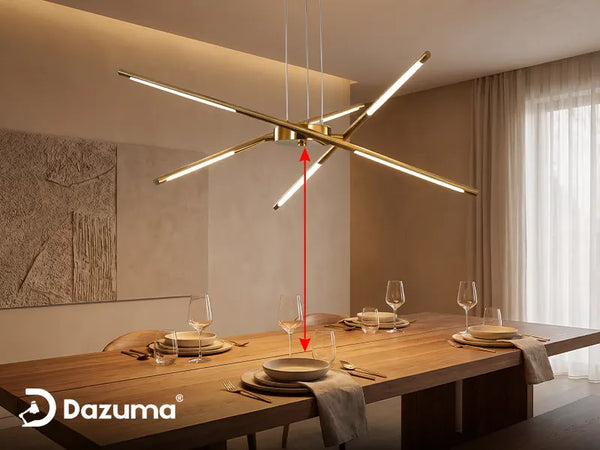
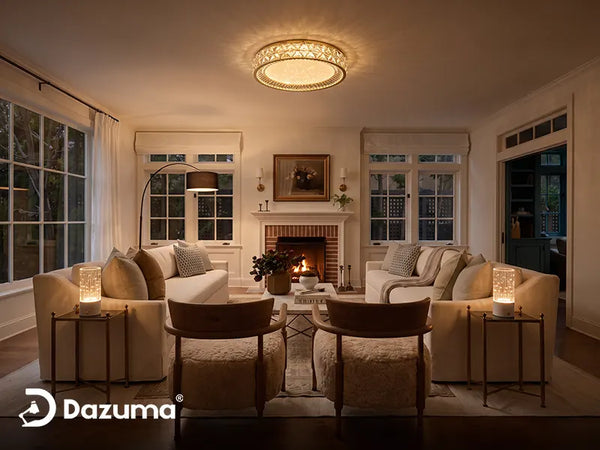
A refined chandelier creates warm, inviting ambient lighting for a comfortable living space.
How to Make a Smarter Lighting Decision
Before choosing a lighting product, it helps to slow down and ask a few practical questions. Has the product been tested for long-term use? What kind of quality control is involved? Who supports you after delivery? And what happens if something fails six months down the line?
These questions often matter far more than a small difference in price.
Conclusion
So, is cheap lighting really cheaper in the long run? In many cases, it isn’t.
While low prices are tempting, the cheapest option often ends up costing more through replacements, labor, lost time, and frustration. Looking beyond the price tag helps ensure your lighting choice actually saves money—not just today, but years from now.