
Who This Is For: This guide is for homeowners who are early in a living room remodel and feel overwhelmed by crystal, glass, wood, modern, traditional, and sculptural chandelier options—and want a choice that still feels right after the room is finished.
Why Choosing A Living Room Chandelier Feels So Difficult
A chandelier is visible from almost every seat, so homeowners often worry that the wrong choice will make the room feel dated, too formal, too small, or unfinished.
The common mistake is starting with a style label before considering ceiling height, room proportions, furniture placement, and visual activity. Choose the chandelier that solves the room’s biggest need: shape for a plain room, calm for a busy room, reflection for a dark room, or vertical presence for a tall room.

Quick Answer: What Chandelier Style Should You Choose?
Choose a chandelier style that relates to the room’s architecture and balances its existing materials:
- Modern or linear chandeliers work well with clean-lined furniture, open layouts, and contemporary architecture.
- Glass chandeliers suit rooms that need lightness, reflection, and a flexible transitional look.
- Wood chandeliers add warmth and texture to organic, rustic, coastal, or relaxed modern interiors.
- Crystal chandeliers bring sparkle and formality, but modern silhouettes can also work in contemporary rooms.
- Candle-style chandeliers complement traditional, French, farmhouse, and old-house details.
- Sputnik or starburst chandeliers add energy to simple rooms and work best when nearby decor is relatively restrained.
If two styles seem equally attractive, choose the one that improves the room when the light is turned off. During the daytime, a chandelier functions as furniture in the air. Its silhouette matters as much as its illumination.
What To Check Before Choosing A Chandelier Style
Start With The Ceiling, Not The Sofa
The ceiling sets the physical limits. An 8-foot ceiling calls for a shallower fixture than a vaulted or two-story living room. Beams, coffers, ceiling fans, recessed lights, and nearby vents also affect what can hang comfortably.
A fixture that looks elegant in a double-height showroom may feel intrusive under a standard ceiling, while a compact design can disappear in a vaulted room.
Identify The Room’s Strongest Existing Feature
Look for the element that already controls the room: a stone fireplace, tall windows, built-in cabinetry, exposed beams, a large sectional, or a dramatic rug. The chandelier should support that feature rather than compete with it.
A veined stone fireplace and patterned rug may call for a calmer glass or linear fixture. Plain walls and neutral upholstery can support a sculptural starburst or layered crystal focal point.
Decide How Formal You Want Daily Life To Feel
Style is partly emotional. A candle chandelier creates a traditional sense of occasion. A wood fixture feels more relaxed and tactile. Clear glass feels open and adaptable. Crystal reflects light and adds ceremony. None is automatically better; the right choice should match how you actually use the room.
If children play there, pets use the sofa, and the family watches movies nightly, a delicate chandelier that demands frequent cleaning may not support real life.

Choose A Fixture That Connects Two Existing Details
A good chandelier rarely matches only one item. Clear glass might connect to the windows and glass coffee table. Black metal might repeat the fireplace screen and curtain rods. Wood may echo ceiling beams and side tables.
Living Room Chandelier Styles And When They Work
Modern And Linear Chandeliers
Modern chandeliers use clean geometry, LED lines, rings, or balanced arms and work well in open plans. Linear fixtures organize long seating arrangements, while round designs suit square or circular conversation areas. Warm metal, diffused light, or curves keep the look comfortable.
Glass Chandeliers: Light, Flexible, And Easy To Blend
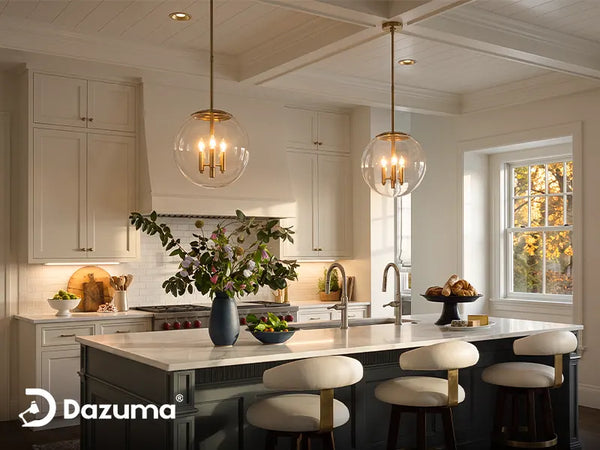
A Glass Chandelier is a strong choice when you want a noticeable fixture without creating a heavy visual block. Clear, smoked, milk, ribbed, or hand-shaped glass can fit contemporary, transitional, vintage-inspired, and even traditional rooms.
Clear glass keeps sightlines open, smoked glass adds mood, and frosted or milk glass softens glare. Glass also reflects nearby colors, making mixed finishes easier to combine, though dust and fingerprints show more readily.
Wood Chandeliers: Warmth Without Formality
A Wood Chandelier works especially well when the room needs warmth, natural texture, or a more relaxed mood. It can connect exposed beams, oak flooring, woven furniture, a rustic mantel, or warm leather seating.
Wood fixtures are not limited to farmhouse homes. Clean rings and branching forms can suit modern organic, Scandinavian, coastal, and Japanese-influenced rooms. Avoid an almost-match; deliberate wood-tone contrast usually looks better than two stains that nearly match.
Crystal Chandeliers: Sparkle, Reflection, And Visual Drama
A Crystal Chandelier is useful when a living room needs light reflection and a stronger focal point. Traditional tiered crystals create formality, while modern crystal rods, droplets, rings, and linear arrangements can feel much cleaner.
Crystal is effective with tall ceilings, dark walls, or limited decorative detail, but it can overwhelm a low room already filled with reflective accessories. More individual pieces also mean more cleaning, so review the practical advice in the Crystal Chandelier Guide.
Candle-Style Chandeliers
Candle chandeliers suit rooms with traditional millwork, arched openings, antique furniture, plaster details, or a classic fireplace. Black iron feels more rustic, aged brass feels warmer and more refined, and pale finishes can create a softer French-country look.
Exposed bulbs can glare when hung low, so dimming is especially valuable with candle designs.
Sputnik And Starburst Chandeliers
Sputnik fixtures create motion through radiating arms and exposed globes. They work best when the surrounding room has clean lines and enough negative space to let the fixture breathe.
They energize neutral midcentury or contemporary rooms but can feel restless beside patterned walls, sculptural furniture, and many accessories.
Bubble And Sculptural Chandeliers
Bubble chandeliers, irregular glass clusters, and artistic branch forms behave more like suspended sculpture. They are useful when you want the ceiling fixture to become the primary artwork in a simple room.
Examine sculptural fixtures from every side because they are often viewed from the entry, staircase, kitchen, and sofa.
Glass Feels Lighter; Wood Feels Grounded
Two fixtures can have the same diameter but very different visual weight. Transparent glass allows the room to continue through the fixture, while solid wood or dark metal creates a stronger ceiling presence.

Living Room Chandelier Style Comparison
| Style | Best Room Feeling | Works Well With | Potential Concern |
|---|---|---|---|
| Modern / Linear | Clean, calm, architectural | Open plans, low-profile furniture, contemporary fireplaces | Can feel cold if light quality and materials are too hard |
| Glass | Light, open, adaptable | Small rooms, mixed styles, visible sightlines | Dust and fingerprints may show |
| Wood | Warm, relaxed, natural | Beams, stone, leather, organic textiles | Too many similar wood tones can feel heavy |
| Crystal | Reflective, elegant, dramatic | Tall ceilings, dark rooms, formal or glamorous interiors | Higher visual activity and more cleaning |
| Candle Style | Traditional, welcoming, historic | Millwork, antique pieces, classic fireplaces | Visible bulbs can create glare |
| Sputnik / Starburst | Energetic, playful, sculptural | Simple neutral rooms, midcentury furniture | May compete with other busy decor |
Match The Chandelier Style To Your Ceiling Height
For 8-Foot Ceilings
Look for shallow chandeliers, compact branching fixtures, semi-flush chandelier forms, or wide fixtures with limited drop. The room can still have a statement light, but the statement should spread outward rather than hang deeply into the walking zone.
For 9- To 10-Foot Ceilings
This range supports moderate tiers, glass clusters, candle arms, rings, and compact linear designs. Adjustable rods or chains provide useful flexibility.
For Vaulted Or Two-Story Ceilings
Tall rooms need more vertical presence. Multi-tier crystal, long sculptural clusters, large candle chandeliers, and layered rings can connect the ceiling to the seating area. Do not size only by floor area; ceiling volume changes the scale.

Ceiling Volume Changes What Looks Balanced
Do not copy a fixture from a room photo without comparing ceiling height. The same chandelier can feel dramatic in one room, cramped in another, and too small in a third.
Use Furniture And Sightlines To Refine The Choice
Center The Fixture On The Living Zone
In an open floor plan, the chandelier does not always need to be centered on the entire room. It often looks better centered over the conversation area formed by the sofa, chairs, and coffee table. This helps define the living zone without walls.
Check The View Toward The Television
Low exposed bulbs or crystals can reflect in a television. Check from the main seats; frosted glass, shades, dimming, or greater mounting height may be more comfortable.
Consider The View From The Staircase
In a two-story room, check the upper-level view. A fixture that looks good below may expose unattractive hardware from above.
Layer The Chandelier With Other Lighting
A chandelier should not be expected to handle every task. Floor lamps, table lamps, recessed lights, and sconces make the room easier to use. The guide on how to light a living room the right way explains how ambient, task, and accent lighting work together.

A Realistic Room Example: When Two Styles Both Seem Right
Consider a 14-by-18-foot living room with a 10-foot ceiling, a light oak floor, a white stone fireplace, a cream sectional, black window frames, and a glass coffee table. The homeowners like both a wooden branch chandelier and a clear glass globe chandelier.
The wood fixture connects to the floor, but the room already has a large oak cabinet and woven pieces. The glass fixture repeats the coffee table, preserves the fireplace view, and lets black details connect to the windows. Glass is more balanced because it adds visual lightness the room lacks.
With gray flooring, a black media cabinet, and little natural texture, wood might become the better solution. Do not ask only, “Which chandelier do I like?” Ask, “Which one helps this room feel complete?”
Choose What The Room Is Missing
If the room already contains several warm wood pieces, glass may provide relief. If the room is cool, pale, and hard-edged, wood or warm metal may make it feel more comfortable.

Common Chandelier Selection Mistakes
Choosing From A Close-Up Product Photo
Close-up images make small fixtures appear substantial. Always check dimensions and look for room-scale photos. Measure the proposed width with painter’s tape or create a simple cardboard outline.
Matching The Chandelier Too Literally
A farmhouse sofa does not require a farmhouse chandelier. A modern sectional does not force you to choose a geometric LED fixture. Rooms feel more personal when styles relate without becoming a matching set.
Ignoring The Fixture When It Is Off
The chandelier may be off for much of the day. Examine its silhouette, canopy, cord or chain, visible bulbs, and material color in daylight.
Using One Bright Chandelier As The Only Light
This creates glare overhead and dark corners around the room. Use the chandelier for general atmosphere and layer in lower task and accent light.
Forgetting Cleaning And Bulb Access
A detailed fixture above a tall living room may require professional cleaning or special equipment. Confirm how bulbs or integrated components are accessed before installation.
Waiting Until The End Of The Remodel
Heavy or oversized chandeliers may require ceiling reinforcement, a suitable junction box, and careful placement. Choose the general fixture type early enough for the electrician and contractor to plan safely.
Chandelier Style Checklist Before You Order
- Measure the room and ceiling height.
- Mark the main seating zone rather than assuming the room center.
- Photograph the chandelier location from the entry, sofa, staircase, and adjacent rooms.
- Identify the room’s strongest existing feature.
- Decide whether the room needs warmth, reflection, simplicity, or drama.
- Compare visual weight, not only fixture diameter.
- Check glare from normal seated eye level and television locations.
- Confirm dimming, bulb access, cleaning needs, and ceiling support.
- View the chandelier from the side and above when those angles are visible.
- Use a licensed electrician for permanent installation and support assessment.
Final Advice: Choose The Chandelier That Balances The Room
The best living room chandelier is the fixture that balances the room. Use glass for visual lightness, wood for warmth, crystal for reflection, candle forms for traditional architecture, and sculptural modern shapes for a strong focal point.
Before ordering, test the size with tape or cardboard, study every visible angle, and think about daily life—not only the finished-room photograph.