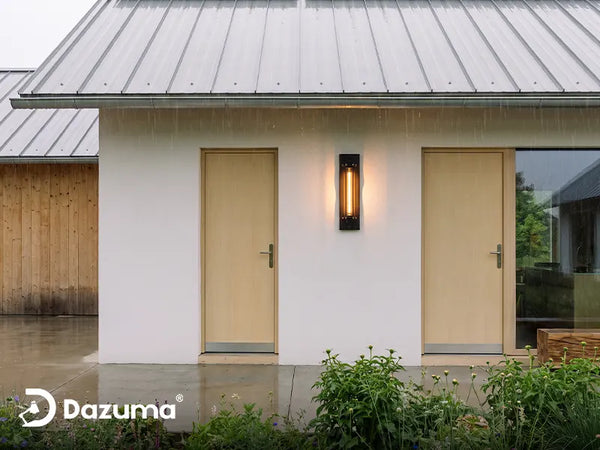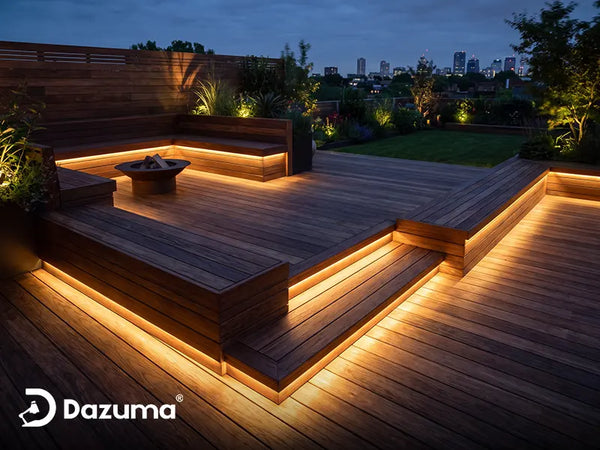

Who This Is For: This guide is for homeowners who want the front yard to feel safer, more welcoming, and more polished at night, but are not sure which landscape lights belong near the walkway, driveway, trees, porch, or garden beds.
Introduction: The Best Front Yard Lights Do More Than Brighten The Lawn
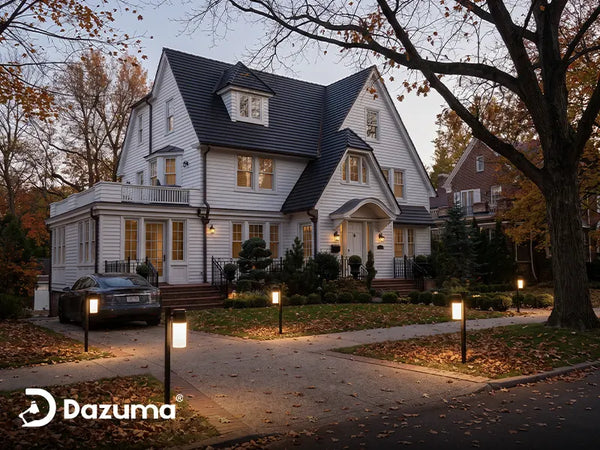
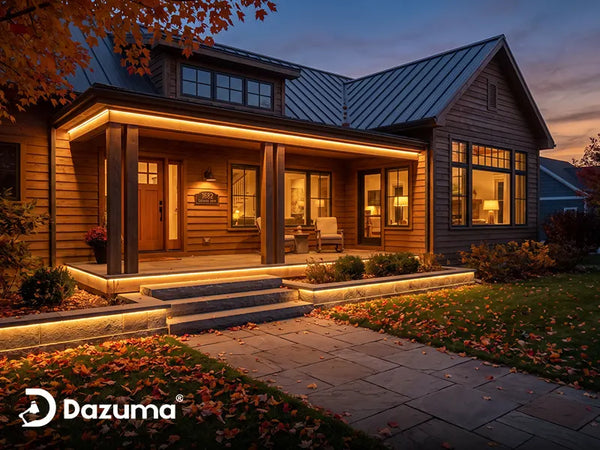
A front yard can look beautiful during the day and disappear completely after sunset. The porch becomes a dark square, the walkway blends into the lawn, the shrubs lose shape, and the house no longer feels as welcoming as it should. That is where front yard landscape lighting earns its place. It is not just decoration. It gives the home a nighttime identity.
The best lights for a front yard landscape usually work in layers. You need some low, practical light for walking. You need a few accents to show trees, planting beds, or stonework. You may need post, pillar, or wall lighting near an entry, driveway, gate, or porch. The mistake many homeowners make is buying one bright fixture and expecting it to solve every problem. Good front yard lighting is quieter than that.
This guide explains which light types work best, where to use them, and how to keep the yard from looking either too dim or too overlit. It also includes two product options for very different front yard effects: one sculptural focal light for pillars and entry features, and one plant-like spike light for garden beds and lawn edges.

Quick Answer: What Are The Best Lights For A Front Yard Landscape?
The best lights for a front yard landscape are usually path lights, low-voltage spotlights, well lights, bollard lights, post or pillar lights, and a few carefully placed wall or porch fixtures. Path lights guide movement. Spotlights and well lights highlight trees, stone, and architectural details. Bollard lights help with longer walks or driveway edges. Pillar lights and post lights make the entrance feel intentional.
For most homes, start with Path Lights along the main route from the driveway or sidewalk to the front door. Then add one or two accents for trees, columns, address signs, or a front garden bed. If the home has a gate, wide driveway, or tall entry columns, Pillar Lights can create a stronger arrival moment without needing tall lamp posts.
The key is to light what matters. You do not need to brighten every square foot of grass. You need to make the walkway readable, the entrance welcoming, and the best parts of the landscape visible from the street and from inside the home.
Think In Front Yard Zones Before Choosing Fixtures
A front yard is easier to design when you stop thinking in product categories and start thinking in zones. The entry path, driveway edge, porch steps, planting beds, trees, fence line, and house facade each need a different kind of light. One fixture style rarely works everywhere.
The walkway needs low glare and consistent spacing. The driveway edge needs visibility without airport-runway brightness. The front door needs warmth and recognition. A specimen tree needs a narrow beam from below or a soft cross-light from the side. A flower bed needs lower, more blended illumination so the plant shapes still feel natural. The yard should read as one scene, but each zone has a job.
If you are still mapping where the lights should go, the older guide Where to Place Landscape Lighting: A Practical Guide is useful because placement is more important than fixture count.

Start With The Route People Actually Walk
Before lighting the prettiest tree, make sure guests can read the route to the front door. Good path lighting lowers anxiety because people can see edges, steps, planting beds, and surface changes without feeling watched by a bright security light.
Best Front Yard Landscape Lights Compared
| Light Type | Best Front Yard Use | Design Tip |
|---|---|---|
| Path Lights | Walkways, garden paths, sidewalk-to-door routes | Stagger them instead of placing pairs directly across from each other. |
| Spotlights | Trees, columns, stone features, address signs | Use narrow beams for tall objects and wider beams for shrubs. |
| Well Lights | Subtle uplighting without visible fixtures | Best in clean beds where leaves and mulch will not constantly cover the lens. |
| Bollard Lights | Driveway edges, wider paths, modern yards | Choose fewer, better-spaced fixtures to avoid a commercial walkway feel. |
| Pillar Or Post Lights | Entry columns, gates, driveway piers, front garden focal points | Match scale to the column or entry feature, not just the size of the house. |
Path Lights Are The First Layer For Most Front Yards
Path lights are usually the most practical place to begin because they solve a daily problem: getting from the car, sidewalk, or street to the door after dark. They also frame the approach to the house. When the path has a gentle rhythm of light, the entry feels designed even before you notice the porch fixture.
Do not line them up too closely. Many front yards look better when path lights are staggered along alternate sides of the walkway. This keeps the route visible without creating a runway effect. On a straight path, spacing can be wider and more restrained. On a curved path, use fixtures at turns or level changes so people understand the direction naturally.
For sunny front yards, Solar Path Lights can help when wiring is difficult or when you want a simpler upgrade. For shaded yards, long walkways, or a more consistent light level, low-voltage path lighting is usually easier to control.
Keep Path Lighting Low And Comfortable
The best path lights reveal edges and direction without shining into the eyes. A shielded top, warm light, and moderate spacing usually feel more expensive than brighter fixtures placed too close together.

A Sculptural Pillar Light For A Stronger Arrival Moment
If your front yard has gate columns, low stone piers, raised planters, or a modern entry wall, a sculptural pillar light can do more than mark the entrance. It can become the visual signature of the yard after dark. This works especially well when the rest of the landscape lighting is quiet and low.

Sculptural front yard focal light
Moon-Shaped Stone Pillar Light Outdoor Decorative Light
Price: $199.99
Best for front yard columns, entry piers, garden walls, villas, and walkway focal points where you want a soft moonlit glow instead of a traditional lantern shape.
- Available in multiple diameters, making it easier to match different pillar and column sizes.
- Soft spherical design adds a moonlight effect that feels decorative but still useful near an entrance.
- Solar and hardwired options allow the fixture to fit different front yard installation plans.
Accent Lights Make The Landscape Feel Finished
Once the path and entry are clear, accent lighting gives the front yard personality. A small ornamental tree, a pair of grasses near the porch, a stone retaining wall, a mailbox bed, or a sculptural planter can become a nighttime feature. The trick is choosing only a few accents. If every plant is lit, nothing feels special.
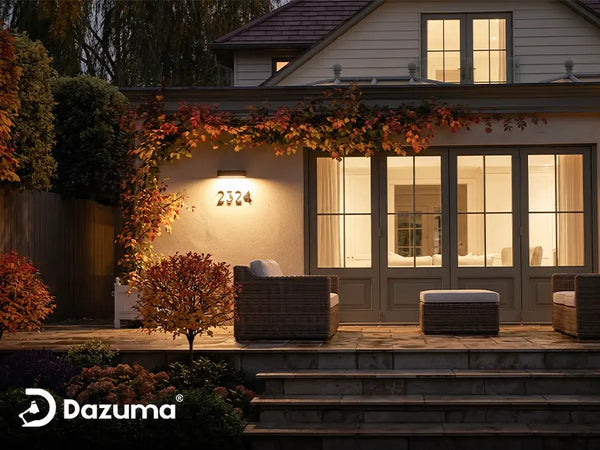
Outdoor Spotlights are best when you need control. They can aim up into a tree canopy, across a textured wall, or toward a house number. Well lights are better when you want the fixture hidden. Plant-like accent lights work differently: they become part of the planting composition during the day and a soft glow at night.
For front yard curb appeal, warm white light is usually the safest choice. It flatters stone, brick, wood, green leaves, and most exterior paint colors. Cooler light can work on very modern homes, but it often makes planting beds feel harsher than expected. The goal is not to make the yard look like a store display. The goal is to make the home feel calm, cared for, and easy to approach.

A Reed-Style Landscape Light For Garden Beds And Lawn Edges
For front yards with ornamental grasses, soft planting beds, pond edges, or natural-style landscaping, a spike light can feel more integrated than a visible spotlight. Instead of hiding the fixture, the fixture becomes part of the planting rhythm.

Natural garden bed accent
Landscape Light Spikes Outdoor LED Lawn Metal Light
Price: $211.99
Best for front yard planting beds, lawn edges, courtyard gardens, residential landscapes, and villa entries where you want low warm light that blends with plants.
- Reed-inspired shape works as daytime landscape detail as well as nighttime lighting.
- Stainless steel, aluminum, and acrylic materials support outdoor use around planting areas.
- Warm 3000K light adds atmosphere without making the garden bed feel too bright.
A Simple Front Yard Lighting Plan That Works
For a small to medium front yard, a dependable plan usually starts with three layers. First, use low path lighting on the main route. Second, add one entry feature, such as a pillar light, post light, porch lantern, or wall fixture. Third, add one or two accents in the landscape, such as a tree, garden bed, stone wall, or address sign.
For larger yards, add lighting only where the layout needs help. A wide driveway may need bollard lights or post lights. A deep front lawn may need one well light under a tree so the yard has depth from the street. A dark side gate may need a motion or dusk-to-dawn fixture. A broader outdoor lighting plan is helpful when you are comparing how these layers fit together instead of choosing one fixture at a time.
Another useful test is the inside-out view. Stand in the living room or entry at night and look out toward the yard. If the front yard lighting creates a soft foreground and a few visible shapes, it will feel welcoming. If all you see is black glass or one glaring fixture, the design needs another layer or better aiming.

Check The View From Inside The House
Many homeowners only judge outdoor lighting from the sidewalk. The view from inside matters too, especially if the front yard is visible from a living room, dining area, or entry hall.
Brightness And Color Temperature For Front Yard Landscape Lights
Front yard lights should feel comfortable, not aggressive. For paths and beds, lower output often looks better than high brightness because the fixture is close to the eye. For trees and taller features, you may need more output, but the beam should still be controlled. If a light makes people squint from the walkway or street, it is working against curb appeal.
Warm white light, often around 2700K to 3000K, is a safe starting point for most homes. It makes brick, stone, wood, stucco, and foliage feel inviting. Neutral white can work on crisp modern facades, but use it carefully around planting beds. Color-changing lights can be fun for holidays, but for everyday front yard design, warm and steady usually looks more timeless.
For a deeper look at front yard effect and mood, the guide Dramatic Nighttime Curb Appeal With Lighting is a useful companion because it focuses on how the home reads from the street after dark.
Common Front Yard Lighting Mistakes To Avoid
Using Too Many Matching Fixtures
Repeating one fixture everywhere can make the yard feel flat. A better design uses compatible families of light: path lights for movement, accent lights for plants, and a stronger feature light near the entrance.
Pointing Spotlights Straight At The Street
Aim fixtures toward the object you want to reveal, not toward drivers or pedestrians. If the source is visible before the tree or wall is visible, adjust the angle or add shielding.
Lighting The Lawn Instead Of The Edges
Grass itself rarely needs much light. Edges, paths, planting beds, steps, columns, and trees usually create a richer scene. Light the shapes that define the yard.
Forgetting Maintenance
Mulch, leaves, sprinklers, pollen, and grass clippings can reduce output quickly. Place fixtures where lenses can be cleaned and where plant growth will not cover the beam after one season.
Final Advice: Choose Lights By Job, Not By Fixture Name
The best front yard landscape lights are the ones that solve the right job in the right place. A path light should make the route easier to follow. A pillar light should strengthen the entrance. A spotlight should reveal a tree, wall, or sign. A garden accent light should make plants feel alive at night without overpowering them.
Start small, test at night, and add layers slowly. Many beautiful front yards use fewer lights than people expect. The difference is that each fixture has a purpose. When the path is readable, the entry is warm, and the best landscape features have soft definition, the whole home feels more considered from the curb.