
Who This Is For: This guide is for homeowners curious about the glowing wire inside a traditional bulb, comparing an old incandescent with an LED replacement, or trying to understand why a favorite lamp gets hot or changes color when dimmed.
A clear incandescent bulb makes its working part easy to spot: a delicate wire suspended inside a glass shell. Flip the switch, and that wire lights the room. Turn a compatible dimmer down, and its glow becomes softer and more amber.
An incandescent light bulb works by passing electric current through a thin filament. Electrical resistance heats the filament until it emits visible light. In a typical modern incandescent, the filament is tungsten, and the sealed glass envelope protects it from the surrounding air.
That operating principle explains the bulb's familiar warmth, its electricity use, and its eventual failure. It also helps explain why a replacement can look nearly identical yet behave differently in the same lamp.

What Is an Incandescent Light Bulb?
Incandescent means producing light because of high temperature. A traditional bulb does this with a solid filament heated electrically. The filament remains intact while operating; its temperature is high enough to produce a strong glow.
The name describes the light-making process. It does not specify a bulb's shape, base size, or decorative finish. A familiar pear-shaped bulb might use incandescent or LED technology. Likewise, an elongated vintage bulb can contain a conventional filament or LED elements designed to resemble one.
How an Incandescent Light Bulb Turns Electricity Into Light
1. The Switch Completes an Electrical Circuit
In a common household screw-base bulb, the small contact on the bottom and the threaded metal shell form separate electrical connections. An insulating section keeps them apart. Inside, lead-in wires connect these contacts to opposite ends of the filament.
With the bulb installed in a working fixture and the switch closed, current can travel through the complete circuit, including the filament. Opening the switch interrupts that path, so electrical heating stops and the filament cools.
2. Resistance Heats the Filament
The thin wire resists the flow of current, converting electrical energy into thermal energy. This process is called resistive heating, or Joule heating. The filament's material, length, and thickness are chosen so it reaches its intended operating temperature at the bulb's rated voltage.
As the wire becomes extremely hot, it emits thermal radiation across a broad range of wavelengths. Some of that radiation falls within the visible range, allowing your eyes to see the glow. Much of it is infrared, which contributes heat without illuminating the room.
Researchers describe this relationship between temperature, electricity, and emitted light in Basic Physics of the Incandescent Lamp. The important household takeaway is that heating the filament is the mechanism that makes the light.
3. The Glass Envelope Protects the Hot Wire
A filament operating in ordinary air would react rapidly with oxygen. The sealed bulb keeps that air away. Depending on the design, the interior contains a vacuum or a suitable gas fill. Argon is commonly used in gas-filled incandescent lamps.
The fill gas also helps slow the loss of tungsten from the hot filament. As LEDVANCE's incandescent lamp analysis explains, the working assembly is a tungsten wire inside an evacuated or inert-gas-filled glass bulb. The glass therefore does more than keep fingers away from the wire.
4. Light Passes Through the Glass
A clear bulb leaves the bright filament visible. A frosted finish scatters its light, spreading the apparent glow across the bulb's surface. A shade or reflector then changes where that light goes in the room.
This is why changing the bulb finish can change the appearance of a lamp even when the lumen rating stays similar. Clear glass emphasizes the filament; a diffusing finish can make the source look less concentrated.
| Part | What It Does |
|---|---|
| Base contacts and insulation | Provide two separate connections to the fixture. |
| Lead-in wires | Connect the contacts to the filament. |
| Tungsten filament | Heats up and emits light. |
| Support assembly | Holds the delicate filament in position. |
| Sealed glass envelope | Maintains the protected environment around the filament. |
Why Use a Tungsten Bulb Filament?

A Small Wire That Withstands Intense Heat
Tungsten has a very high melting point and loses material relatively slowly at the temperatures needed for incandescent lighting. Those properties let it remain a useful filament while glowing intensely. Lamp manufacturer Ushio explains these advantages in its technical FAQs.
The wire is usually coiled, sometimes with the coil itself wound into another coil. This packs a long, thin filament into a small space and helps manage heat loss. The glowing section can therefore be much longer than it looks through the glass.
Why Incandescent Bulbs Get Hot and Turn Warmer When Dimmed
Producing light through intense heat comes with an efficiency tradeoff. ENERGY STAR explains that incandescent bulbs release about 90% of their energy as heat. Only a small share becomes useful visible light.
For a homeowner, this makes the fixture's wattage limit meaningful. A bulb that screws into a socket can still exceed the fixture's allowed heat load. With table lamps, check the selected lamp's label and permitted bulb type before installing a replacement, especially beneath a compact shade.
Lower Temperature, Warmer-Looking Light
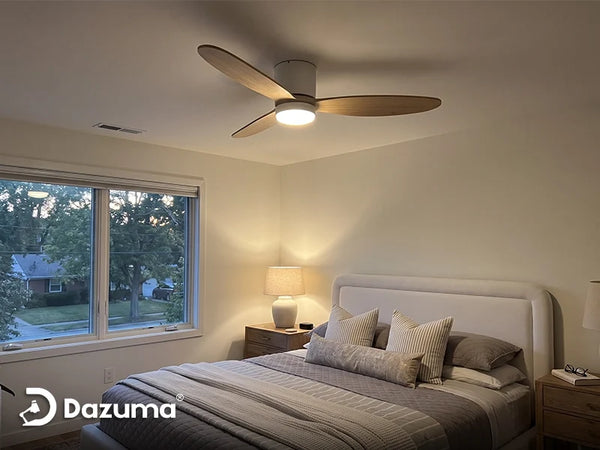
A compatible dimmer reduces power delivered to the filament. Its temperature falls, its light output drops, and the glow shifts toward yellow and amber. In lighting language, that appearance is called warmer even though the filament is physically cooler.
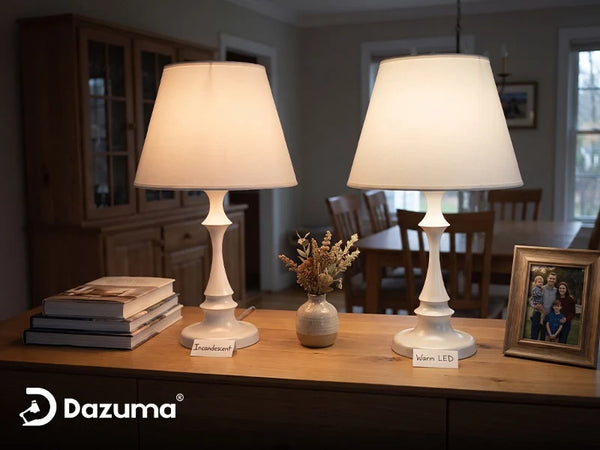
Lutron's dim-to-warm guidance describes this familiar color shift. It helps explain the relaxed look of a dimmed bedside lamp. To reproduce the same change with an LED, look for a compatible dim-to-warm bulb; a standard dimmable LED may keep nearly the same color as it dims.

What Do 60W and 100W Mean?
Watts measure electrical power. Lumens measure visible light output. A 60-watt incandescent light bulb uses 60 watts at its rated operating conditions; the number alone does not describe its exact brightness.
For common household replacements, ENERGY STAR's brightness guide provides these familiar reference points:
| Traditional Incandescent Reference | Replacement Brightness Target |
|---|---|
| 40 watts | About 450 lumens |
| 60 watts | About 800 lumens |
| 75 watts | About 1,100 lumens |
| 100 watts | About 1,600 lumens |
Actual output varies with bulb design, so use the old bulb's lumen rating when available. A 100-watt-equivalent LED describes a brightness comparison. Its actual power consumption is a separate specification on the package.
How Long Does an Incandescent Light Bulb Last?
About 1,000 hours is a common reference for standard incandescent bulbs, although individual ratings vary. At three hours of use per day, 1,000 operating hours works out to roughly eleven months. This is a planning estimate, not a scheduled failure date.
During operation, small amounts of tungsten leave the filament. The wire gradually develops thin, weak spots; eventually, a break opens the circuit and the bulb goes dark. Some evaporated material can also collect on the glass, darkening it.
A worn bulb may fail just as you switch it on. Cold tungsten has lower electrical resistance, so startup briefly draws more current than normal operation. An already weakened filament may not survive that moment. Repeated premature failures deserve attention to the bulb's voltage rating, vibration, and fixture condition.
Who Invented the Incandescent Light Bulb?
The light bulb developed through contributions from several inventors, including Joseph Swan and Thomas Edison. As the Department of Energy's history explains, Edison built on earlier work and helped make electric lighting practical as a complete system.
In 1879, Edison's team developed a successful carbon-filament lamp. The National Archives records his key lamp patent as granted on January 27, 1880. Tungsten filaments came later. The familiar modern tungsten bulb is therefore a later development of the technology.

Does “Edison Bulb” Always Mean Incandescent?
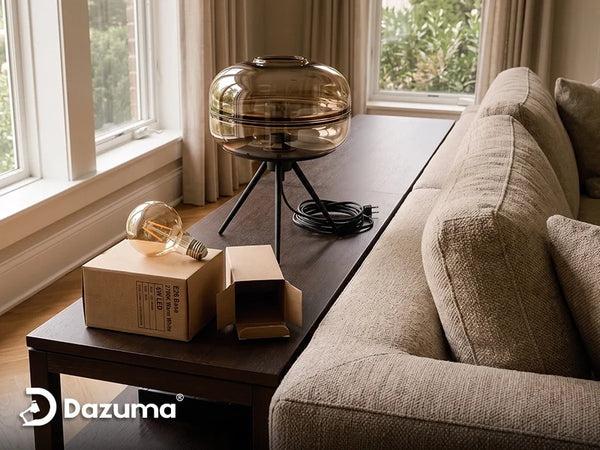
Today, Edison-style usually describes a vintage appearance. Both incandescent and LED bulbs can have decorative glass and visible glowing elements. The packaging identifies the technology.
For compatible glass pendant lights, consider how the exposed bulb will look from a dining chair. A decorative shape may suit the fixture beautifully, but brightness, glare, dimensions, and the fixture's bulb requirements still matter.
Incandescent Light Bulb vs. LED vs. Fluorescent
The technologies produce light differently. Incandescent bulbs heat a filament. LEDs use semiconductor components. Fluorescent lamps, including CFLs, generate ultraviolet light in a gas discharge; a phosphor coating converts it into visible light.
A suitable LED typically provides comparable light with much less electricity. LEDs still produce heat, however, and their electronics need appropriate operating conditions. An LED also needs its own compatibility checks for dimmers and enclosed fixtures.
For a fuller household comparison, our LED vs. incandescent guide explains brightness, running costs, and dimming behavior.
Use the Science to Choose a Better Replacement
Start With the Fixture Label
Before removing a bulb, turn the fixture off and let it cool; unplug a portable lamp. Photograph the bulb markings and the fixture's label. Match the base, voltage, physical dimensions, and permitted bulb type, then check actual wattage against the fixture's limits.
Our guide to light bulb types explains the difference between technology, shape, and base markings.

Next, compare lumens and light appearance on the Lighting Facts label. Choose the brightness you need and a color that suits the room. If dimming matters, verify the replacement bulb and control work together.
Try one replacement in its intended lamp before buying several. Look at the reading surface, the shade, and the room from your usual seat. Understanding the filament explains how the old bulb worked; checking the actual room tells you whether the new one gives you the light you wanted.