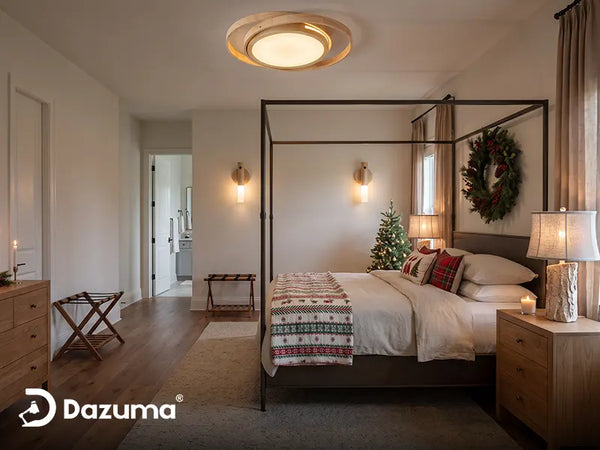

Who This Is For: This guide is for homeowners replacing a tired lampshade, choosing a new lamp, or trying to understand why a beautiful fabric shade makes the room feel darker. It focuses on everyday decisions: enough light to read, a comfortable evening glow, manageable cleaning, and a material that works with the room.
Which Fabric Is Best for a Lampshade?
Light-colored cotton or linen is a practical starting point when you want a softly glowing shade and a lamp that contributes to the room's general light. Silk can suit a more tailored, luminous appearance. Velvet and dense dark fabrics are better for a dramatic accent when you do not need much light passing through the shade's sides.
There is no material that automatically wins in every room. A cream cotton shade with an opaque lining can transmit less side light than a loosely woven linen shade. A silk-look fabric may be synthetic rather than silk. Read the finished shade's construction details, not just the decorative material description.
Start by asking what is bothering you about the existing light. If the room feels dim, prioritize transmission and light distribution. If the bulb is visible from the sofa, prioritize shielding and shape. If dust is the problem, think about texture and access before buying an elaborate pleated shade.

The Fabric Name Tells Only Part of the Story
A finished lampshade is a combination of outer cloth, lining or backing, frame, adhesive or stitching, and openings at the top and bottom. Those layers determine whether the shade glows across its surface or sends most of the light through its openings.
Weave and Density
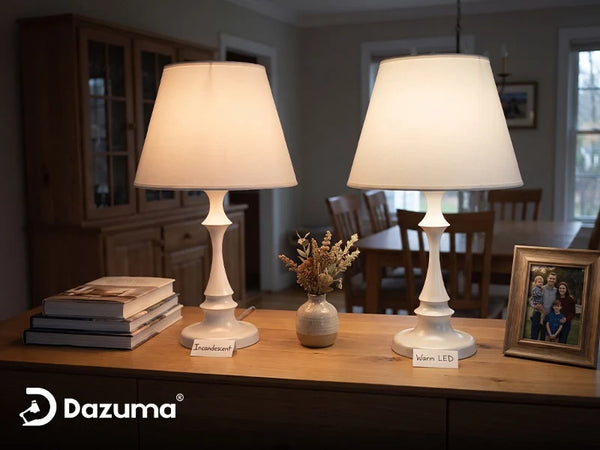
An open weave can reveal attractive threads and texture when lit, but it may also reveal the bulb or create brighter spots. A tighter weave can look smoother, although its transmission still depends on color and thickness. Linen is not always loose, and cotton is not always dense. Ask for an illuminated product photograph or a sample of the actual fabric.
Lining and Backing
A pale translucent lining can help create an even glow. An opaque backing blocks more lateral light, directing the effect toward the openings. A metallic interior can produce a more concentrated, reflective appearance. It does not simply make the whole room brighter: where the light goes matters.
Hardback shades use a relatively rigid backing with fabric attached to it. Softback shades typically use fabric stretched or sewn over a frame, often with a separate lining. Neither construction is universally better, but the backing and adhesives change what cleaning methods are safe.
Shape and Openings
A deep tapered shade can conceal the bulb differently from a shallow drum. A bottom diffuser on a ceiling shade can reduce the direct view of the source. When comparing fabric drum pendant lighting, check the view from below as well as the side profile. A pretty fabric surface does not guarantee comfortable overhead light.
Fabric Lampshade Materials Compared
| Material | Visual Character | Useful Starting Point | Check Before Buying |
|---|---|---|---|
| Linen | Natural texture and visible threads | Relaxed living rooms and bedrooms | Weave visibility, lining, and illuminated color |
| Cotton | Smooth or woven, plain or patterned | Versatile everyday lamps | Backing, opacity, and care instructions |
| Silk | Sheen, slubs, or refined folds | Formal rooms and sheltered decorative positions | Sun exposure and specialist care needs |
| Polyester or blends | Can imitate many natural textures | Where consistent appearance is important | Actual fiber content and complete shade construction |
| Velvet | Rich color and plush surface | Accent lighting and dramatic corners | Limited side glow, lint, and nap care |
Linen: Texture Without an Overly Formal Look
Linen works especially well with ceramic bases, oak furniture, woven upholstery, and painted wood. Its uneven threads can give a plain lamp more depth without introducing another pattern. Those irregularities are often part of the intended appearance, not a defect.
Choose a finer, paler weave for a quieter effect, or a coarser texture when you want the shade to remain visually noticeable. If seeing individual fibers bothers you, inspect a lit sample. The evening appearance may be more textured than the daytime photograph suggests.
Cotton: A Flexible Everyday Choice
Cotton can be crisp and minimal, softly gathered, or covered in a bold print. A light neutral shade is often easy to coordinate with existing table lamps, while a patterned version can connect scattered colors in a bedroom or living room.
Do not assume cotton means machine-washable. A cotton cover bonded to a backing is an assembled lighting component, not a removable pillowcase. If easy maintenance is the priority, choose a smooth surface with clear dry-cleaning or dusting guidance.
Silk: A More Tailored Finish
Silk can bring subtle sheen to a plain base or emphasize the folds of a traditional shade. It suits rooms where you want refined texture rather than a rustic effect. Different weaves range from smooth to visibly slubbed, so silk is not one uniform look.
It is also a choice that deserves more care. Keep delicate shades out of prolonged direct sun and ask the maker about fading and cleaning. A silk shade in a protected bedroom corner has a different maintenance burden from one beside a sunny window or a frequently handled entry table.
Blends and Velvet: Judge the Finished Shade
A polyester-linen blend may deliver the texture you want, while a synthetic silk-look cloth may offer a different price and care profile from natural silk. Neither label alone proves durability or quality. Check seams, trim, backing, and the way light reveals the surface.
Velvet is useful when the lamp is meant to create a pool of accent light. Its dense surface often limits side transmission, particularly with dark fabric and an opaque lining. Avoid choosing it as the sole light source for a dim room unless the finished shade's output meets the task.

Ask Where the Light Goes
A glowing shade contributes light around the room. An opaque shade creates stronger contrast above and below it. Both can be beautiful. The better choice depends on whether you want a background glow, reading light, or a decorative accent.
Match the Material to Your Daily Routine
For Reading Beside a Sofa
Start with a light-colored shade and test the page from your usual seat. The opening, lamp height, and bulb output matter as much as the cloth. You should not have to lean toward the lamp or raise the bulb beyond the fixture's allowed rating.
For floor lamps, check whether the shade's lower edge screens the bulb from seated eyes while letting light reach your book. Our guide to choosing a floor-lamp shade covers the broader relationship between the base, shade, and fitting.
For Bedside Use
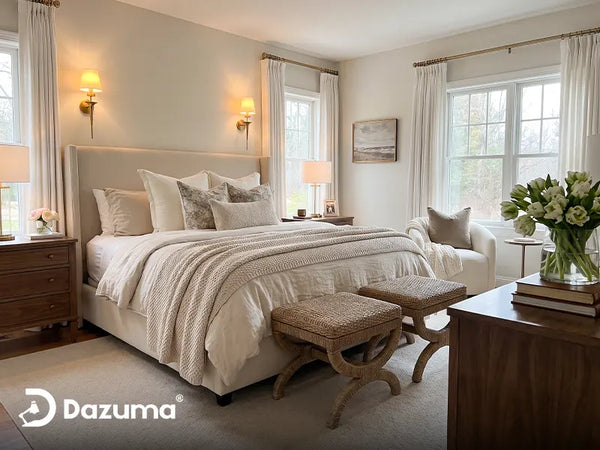
A softly glowing cotton or linen shade can feel comfortable at night, but check it from both sitting and lying positions. A short shade may expose the bulb when you recline. If one person reads while the other sleeps, a decorative shade may spread too much light; a separate directional reading light can solve that conflict.
For a Dark Corner or Hallway
If the lamp needs to brighten the surrounding room, start with pale cloth and a transmitting lining. Dark fabric may look excellent against white walls during the day but contribute less side light at night. Consider a hypothetical hallway with one lamp and no ceiling light: replacing cream cotton with black velvet would change the lighting plan, not just the color scheme.
For Dusty or Busy Households
With pets, children, or open windows, choose a shade you can reach and dust easily. Smooth fabric generally has fewer recesses to work around than dense gathers or heavy trim. Position the lamp away from cooking grease, frequent splashes, and narrow passages where people brush against it.
Check the Color With the Lamp On and Off
A lampshade has two appearances. Daylight shows its surface color. The bulb reveals its weave, lining, seams, and transmitted tint. A shade that looks white on a screen may appear ivory at night. Beige fabric combined with a warm bulb can look more amber than expected.
Use the bulb you intend to keep when evaluating a sample. Around 2700K to 3000K is a common starting range for warm evening light, but the cloth and lining alter the final impression. Compare the shade beside your paint, wood, and upholstery rather than against a white shopping-page background.
Try a Lit Sample, Not Just a Swatch
Ask for an illuminated photograph of the finished shade or a sample showing its backing. A loose piece of fabric cannot reproduce every layer. If you test a swatch near a lamp, keep it clear of the bulb and ventilation openings.

Cleaning: Choose What You Can Maintain

Small, Regular Cleanings Are Easier
Dust before buildup becomes embedded in the weave. Keep a dedicated clean brush with your household supplies so the routine takes only a few minutes. Do not use the same brush for greasy kitchen surfaces and delicate fabric.
For routine dusting, switch off and unplug a portable lamp, allow it to cool, and handle the shade by its frame or fitting. Start with a clean, soft brush and gentle strokes. Support the frame so you are not pushing against unsupported fabric.
Use vacuum attachments only when the manufacturer allows them and the shade is sturdy enough. Pleats need careful attention along their folds. Avoid aggressive adhesive rollers on delicate fibers, loose trim, or fragile finishes. A method that suits a robust cotton drum may damage silk or an antique shade.
For stains, follow the maker's instructions before using water or detergent. Wet cleaning can leave rings, move dyes, soften adhesives, or distort a backing. Pooky's fabric-shade care guidance specifically notes the risk of water marks and recommends professional help for particularly delicate or valuable shades.
If a shade has become brittle, scorched, or detached from its frame, replacement may be more appropriate than cleaning. Inspect the lamp as well: unexplained heat damage deserves investigation rather than another cover hiding the problem.
Check Fitting, Size, and Bulb Compatibility
Confirm the attachment before choosing the fabric. Spider fittings used with a harp, socket-mounted UNO fittings, and clip-on shades are not interchangeable by appearance alone. Record the existing attachment, top and bottom widths, vertical height, and fitting position. A replacement with the same outside dimensions can sit differently if its fitting is recessed at another depth.
Check the lamp and shade manufacturers' permitted bulb type, maximum actual wattage, and required clearances. There is no safe universal clearance for every shade. Fabric, backing, ventilation, and bulb shape all matter. Never allow cloth or trim to contact the bulb.
An LED can reduce heat compared with a similar-output incandescent, but it is not heat-free and does not make an unsuitable shade safe. Use the correct bulb and enclosure suitability, and keep ventilation clear. Do not recover a shade with ordinary upholstery fabric and assume its thickness provides adequate protection.

A Short Buying Checklist
- Decide whether the lamp provides reading light, general light, or an accent.
- Confirm the fitting and dimensions before ordering.
- Ask about the outer fabric, backing, and lining together.
- Review the finished shade both illuminated and unlit.
- Check the view from your usual seated or lying position.
- Choose a surface and shape you can maintain.
- Verify bulb restrictions and required clearance with the maker.
Final Advice
Choose the light effect first, then the texture. Pale cotton and linen are useful starting points for a glowing everyday shade. Silk can add refinement, while velvet and darker fabrics create more focused contrast. None of these effects comes from fiber alone. Check the weave, lining, shape, and bulb as one assembled system, and you are far less likely to end up with a beautiful shade that makes the lamp harder to use.