
When people walk into a café, they don’t consciously think about lighting—but they definitely feel it. It shapes how welcoming the space feels, how long customers stay, and even how they perceive the brand. That was exactly the challenge behind the lighting design for Coffee & Co. Corner Café, a modern neighborhood spot designed to balance efficiency with comfort.
From the very beginning, this project wasn’t just about installing fixtures. It was about creating a space that works during busy morning rushes but still feels inviting enough for someone to sit down with a laptop in the afternoon. Every lighting decision had to support both function and atmosphere at the same time.
Building a Lighting Concept That Works in Real Life
One of the biggest mistakes in commercial lighting is treating it as decoration instead of infrastructure. For this café, the approach was much more intentional. Instead of relying on a single type of lighting, the design focused on layering different light sources to support how the space is actually used.
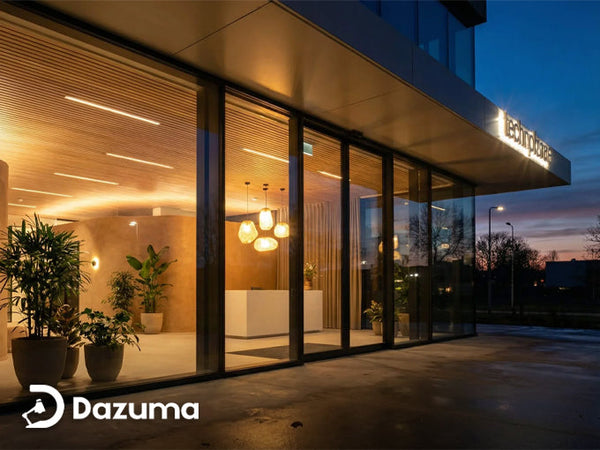
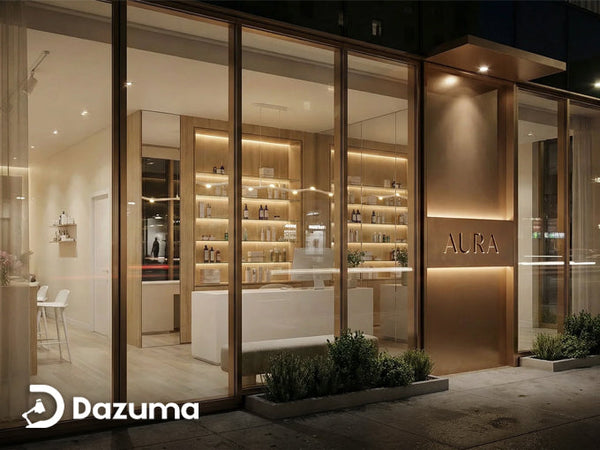
The team started by breaking the café into functional zones—each with its own purpose, pace, and mood. The front-facing glass storefront became an opportunity rather than just a structural feature. At night, the warm interior lighting naturally spills outward, making the café glow from the street. This subtle visibility does more for attracting foot traffic than any oversized sign ever could.
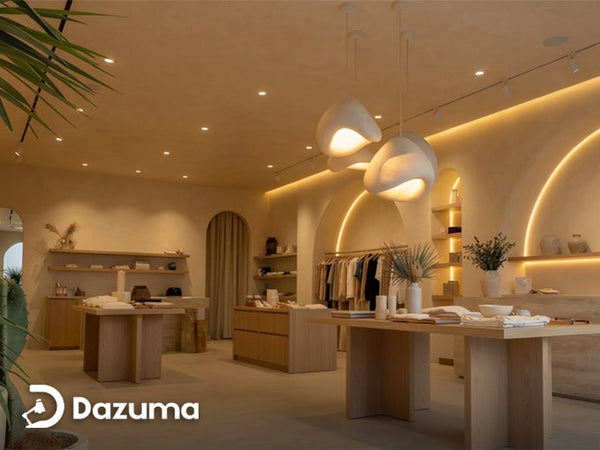
Moving inside, the coffee bar required a completely different mindset. This is where speed and clarity matter most. Baristas need to work quickly and accurately, so lighting here had to be bright enough for efficiency without feeling harsh. Decorative pendant lights helped define the space visually, while recessed and track lighting ensured the work surface remained well-lit and practical.

Pendant lighting above the bar enhances both functionality and atmosphere, creating a warm and social focal point.
Designing for Comfort Without Slowing Down the Business
A café isn’t just a place to grab coffee—it’s also a place to stay. That’s why the seating area needed a softer, more relaxed lighting approach. Instead of uniform brightness, the lighting here shifts slightly warmer and more diffused, creating a comfortable environment that encourages people to settle in.
This balance is tricky. If the space is too dim, it feels sleepy. Too bright, and it loses its sense of comfort. The final design found a middle ground where customers can read, work, or chat without feeling rushed. Over time, this kind of atmosphere can directly influence how long people stay—and how often they come back.
Another detail that played a surprisingly important role was the menu and display area. In many U.S. cafés, this is where purchasing decisions happen quickly. Focused lighting ensures menus are easy to read and products look fresh and appealing. It’s a small detail, but it has a real impact on sales.
From Design Plans to On-Site Execution
Even the best lighting plan can fall apart without proper execution. That’s why coordination during this project was just as important as the design itself. Fixtures had to align with ceiling conditions, electrical layouts, and installation timelines—all while maintaining consistency across the space.
Rather than treating installation as a final step, it was approached as part of the design process. Adjustments were made on-site as needed, whether that meant fine-tuning fixture placement or adapting to structural constraints. This flexibility helped avoid common issues like uneven lighting or visual imbalance.
Once everything was installed, the final phase focused on refinement. Brightness levels were adjusted, light temperatures were balanced, and the overall atmosphere was fine-tuned. These finishing touches don’t take long, but they make a noticeable difference in how the space feels.

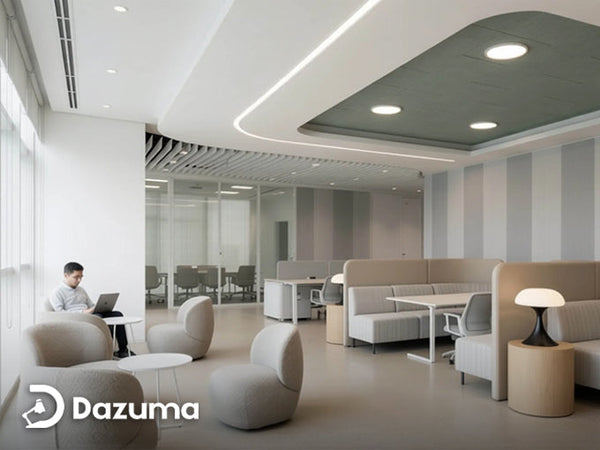
The open café space uses layered lighting to balance brightness and comfort, highlighting architectural features while maintaining a relaxed vibe.
What the Final Space Achieved
By the time the project was complete, the café delivered a cohesive experience from every angle. During the day, natural light works together with the interior lighting to create a clean and open feel. In the evening, the space becomes warmer and more intimate without losing its clarity or functionality.
What stands out most is how seamless everything feels. The lighting doesn’t draw attention to itself, but it quietly supports every part of the space—from the workflow behind the counter to the comfort of the seating area. That’s usually the sign of a well-executed lighting design.

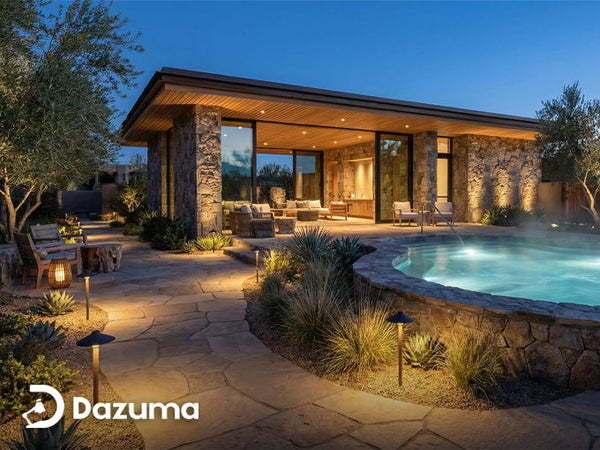
A mix of natural daylight and decorative lighting creates a bright yet intimate seating area, perfect for casual gatherings and work sessions.
Key Takeaways for Similar Projects
For anyone planning a café or similar commercial space, this project highlights a few ideas worth keeping in mind:
- Lighting should be designed around how the space is used, not just how it looks
- Layering different types of lighting creates flexibility and depth
- Small details, like menu lighting, can influence customer behavior
- Execution and adjustment are just as important as the initial design
Conclusion: Lighting as Part of the Customer Experience
The Coffee & Co. Corner Café project shows that lighting is more than a finishing touch—it’s part of the overall strategy. When done right, it improves workflow, enhances atmosphere, and supports the brand without being obvious.
For modern cafés, where experience matters just as much as the product, that kind of impact isn’t optional. It’s essential.