
For lifestyle boutiques, lighting does a lot more than help customers see products. It shapes the mood of the space, highlights the brand’s personality, and influences how people move through the store. In this coastal boutique project, the goal was to create an environment that feels light, inviting, and polished without losing that laid-back California feel.
Located in a beach-inspired retail setting, the boutique was designed around soft colors, natural textures, and an open layout. The space features clothing displays, accessories, fitting rooms, wall shelving, and a storefront window designed to catch attention from the outside. During the day, the store benefits from natural light, but once that light fades, the interior still needs to maintain the same warm and relaxed atmosphere.
That is where lighting became essential. Instead of using one bright layer of general lighting, the design team focused on creating a more balanced and intentional lighting plan that supports both the customer experience and the retail goals of the store.

Elegant pendant lights above a kitchen island.
Using Lighting to Support the Brand Identity
One of the most important parts of this project was making sure the lighting matched the boutique’s coastal identity. The store needed to feel bright and fresh, but not cold or overly modern.
Warm white lighting was used throughout the space to create a softer and more flattering environment. This type of light works especially well in boutiques because it makes products, textures, and skin tones look more natural. Clothing colors feel richer, natural materials like wood and linen stand out more, and the overall space feels more comfortable to spend time in.
The lighting also helps reinforce the boutique’s “sun-kissed” aesthetic. Instead of harsh contrasts or dramatic shadows, the design uses a more relaxed approach with soft illumination, subtle highlights, and gentle transitions between different parts of the store.
This creates the feeling of being in a well-designed coastal home rather than a traditional retail store, which is exactly what many lifestyle brands are trying to achieve.
Highlighting Products Without Over-Lighting the Space
One of the biggest mistakes in retail lighting is making everything equally bright. When every shelf, wall, and display has the same level of light, nothing really stands out.
For this project, the lighting was designed to guide the customer’s attention naturally. Key display areas, new arrivals, featured products, and storefront windows were given more focused lighting, while secondary areas stayed softer and more understated.
Track lighting played a major role here because it gives flexibility. Fixtures can be adjusted as displays change, allowing the store to refresh its layout without needing to redesign the lighting system every time. Accent lighting was used to highlight mannequins, feature tables, and wall displays, helping products stand out without making the store feel overly bright.
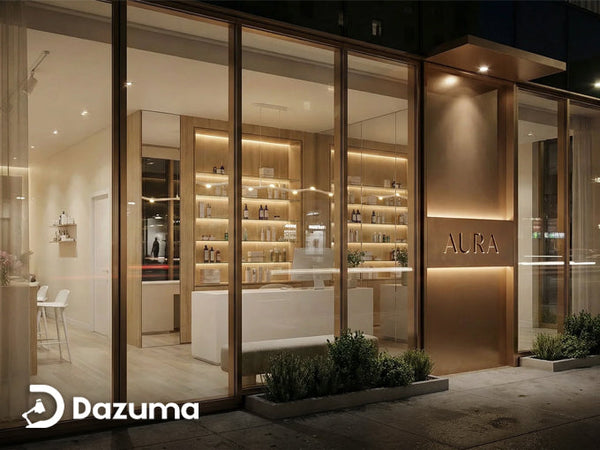
Hidden LED strip lighting was also integrated into shelving and display areas to add depth and create a cleaner, more polished look. These small details help make the store feel more upscale and thoughtfully designed.
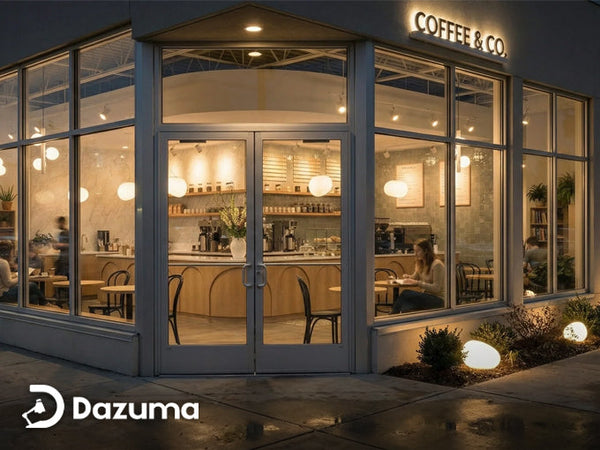
The storefront window was another major focus. In boutique retail, the window display is often the first thing customers notice, so the lighting needed to make the products visible and attractive from outside, especially during the evening. Focused lighting was used to create a strong visual focal point while still maintaining the soft, relaxed feeling of the rest of the space.

Cozy lounge with soft wall lighting.
Designing Better Fitting Room Lighting
Fitting room lighting is one of the most important details in any clothing store, but it is often overlooked. Bad lighting can make customers feel uncomfortable, distort colors, and make products look less appealing.
In this project, special attention was given to creating flattering and comfortable lighting inside the fitting rooms. Warm color temperatures were used to make skin tones look more natural, while soft, even lighting helped reduce harsh shadows.
Instead of relying on a single overhead light, the design likely combines side lighting and indirect lighting to create a more balanced effect. This makes the fitting room experience feel more premium and helps customers feel more confident when trying on clothes.
Good fitting room lighting can directly influence purchasing decisions because when people feel good in the mirror, they are more likely to buy.
Creating a Comfortable Customer Experience
Beyond product displays and fitting rooms, the overall lighting strategy was designed to make the boutique feel comfortable and easy to shop.
The checkout area and lounge spaces use softer ambient lighting to create a more relaxed mood. This helps slow the pace of the shopping experience and encourages customers to spend more time in the store.
Lighting was also used to support circulation and wayfinding. Customers can move naturally through the space because the brighter areas subtly guide them toward key displays, pathways, and important zones within the store.
At the same time, the lighting helps create visual layers throughout the space. Different brightness levels, textures, and focal points keep the store from feeling flat or repetitive.

Modern entryway with warm lighting and arches.
Fixture Selection That Supports the Space
The fixture selection for this project was based on both flexibility and aesthetics. Some of the most important lighting elements likely include:
- Track lighting for highlighting displays, mannequins, and featured products
- Hidden LED strip lighting for shelves, cabinetry, and display walls
- Decorative pendant lights to add warmth and reinforce the boutique feel
- Soft ceiling lighting to provide overall ambient illumination
- Wall sconces and accent lights to create depth and visual interest
- Focused fitting room lighting to improve comfort and appearance
Together, these fixtures help create a lighting system that feels layered, natural, and easy to experience.
A Boutique That Feels Like a Brand Experience
After the project was completed, the boutique became more than just a place to shop. It became an environment that reflects the lifestyle the brand wants to sell.
The lighting helps products stand out, makes the space feel more welcoming, and supports the relaxed coastal atmosphere that customers expect. Instead of feeling like a typical retail store, the boutique now feels more personal, more curated, and more memorable.
Ultimately, this project shows that great retail lighting is not about making a space brighter. It is about making the space feel right.
Key Takeaways for Boutique Lighting Design
This project highlights a few lighting strategies that work especially well in lifestyle retail environments:
- Use warm lighting to create a softer, more inviting atmosphere
- Focus on featured displays instead of lighting everything equally
- Invest in fitting room lighting because it directly affects customer confidence
- Use layered lighting to add depth and guide movement
- Match the lighting to the brand identity so the space feels cohesive