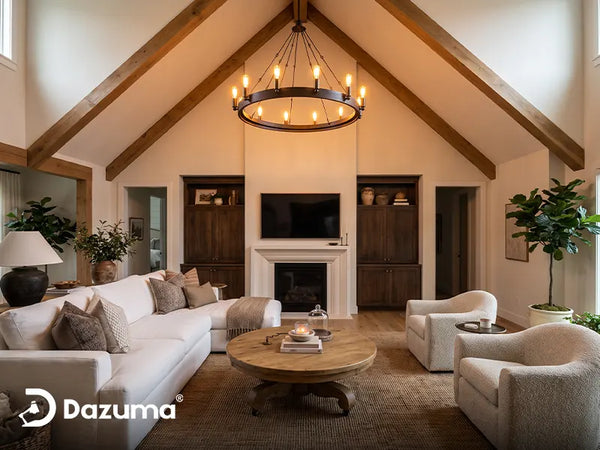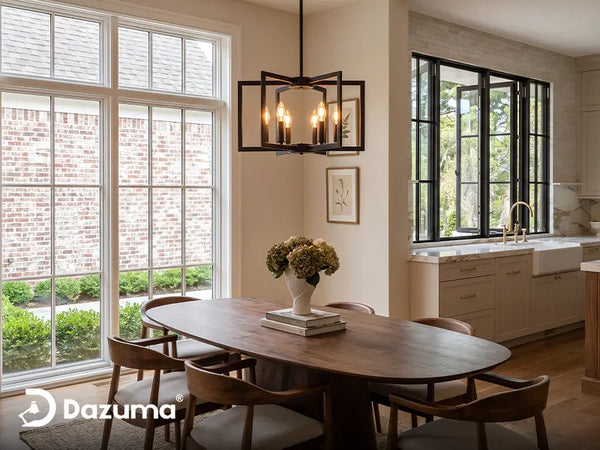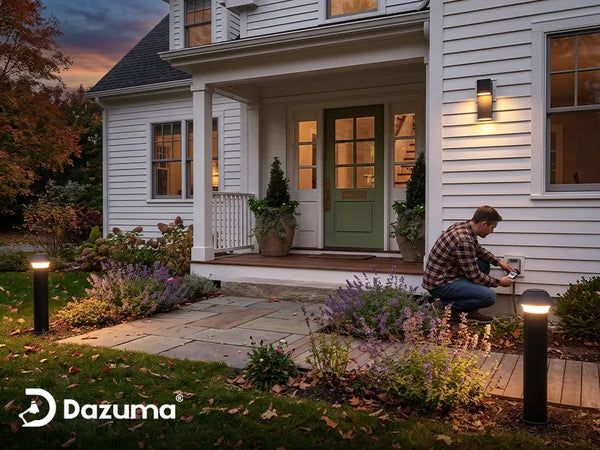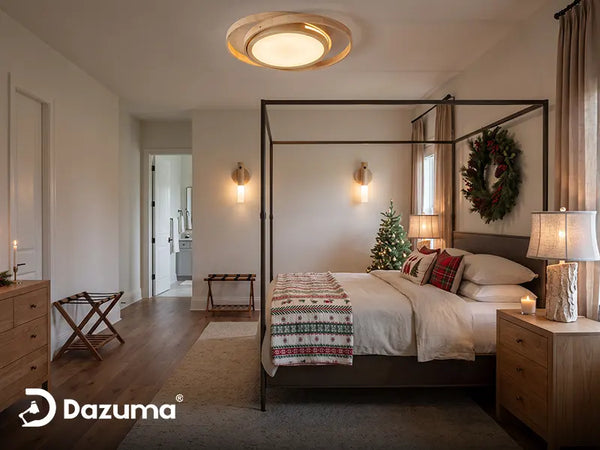

If you're thinking about switching to LED lighting, you might be wondering: do LED lights use a lot of electricity? In fact, LED lights are among the most energy-efficient lighting options available today.
But how much electricity do LED lights actually use? And will they noticeably affect your electric bill?
Let’s break down the real numbers so you can see exactly how efficient LED lighting is.

Quick Answer: Do LED Lights Use a Lot of Electricity?
No. LED lights use significantly less electricity than traditional lighting. Most LED bulbs consume 8–12 watts, while older incandescent bulbs often use 60 watts or more to produce the same brightness. According to the U.S. Department of Energy, LEDs use at least 75% less energy and can last up to 25 times longer than incandescent lighting.
For most households, running a typical LED bulb costs only about $4–$5 per year, even when used daily.
How Much Electricity Do LED Lights Use?
Most standard LED bulbs use between 8 and 12 watts of electricity.
To understand how efficient that is, compare it with older lighting technologies that produce the same brightness.
| Light Type | Power Use | Brightness |
| Incandescent bulb | 60 watts | ~800 lumens |
| CFL bulb | 13–15 watts | ~800 lumens |
| LED bulb | 8–10 watts | ~800 lumens |
This means an LED bulb can produce the same brightness as a traditional 60-watt bulb while using about one-sixth of the electricity.
In practical terms, replacing old bulbs with LEDs can significantly reduce your home’s lighting energy use.
LED vs Incandescent: Why LEDs Use Less Power
The reason LEDs use so little electricity comes down to how they produce light.
Incandescent bulbs
Traditional bulbs work by heating a metal filament until it glows. Unfortunately, most of the energy becomes heat instead of light.
About 90% of the energy is wasted as heat.
LED lights
LED stands for light-emitting diode, a semiconductor that produces light when electricity flows through it.
This process is much more efficient because:
- Very little energy is lost as heat
- Most electricity is converted directly into light
- Light is emitted in a focused direction rather than radiating everywhere
As a result, LEDs typically deliver 70–150 lumens per watt, while incandescent bulbs produce only around 13 lumens per watt.

How Much Does It Cost to Run LED Lights?
Let’s look at a realistic example to understand the cost.
Suppose you have a 10-watt LED bulb that runs 8 hours per day.
Electricity used per year:
10W × 8 hours × 365 days = 29.2 kWh
If the average electricity rate is $0.15 per kWh, the yearly cost would be:
$4.38 per year
That means the light costs less than the price of a cup of coffee each year.
Now compare that to a 60-watt incandescent bulb:
60W × 8 hours × 365 days = 175.2 kWh
Annual cost:
$26.28 per year
So switching from one incandescent bulb to LED could save over $20 annually.
If your home has 20 frequently used lights, the annual savings could exceed $300.
Will LED Lights Increase Your Electric Bill?
This is a common concern, especially with decorative lighting like LED string lights or outdoor lights.
In reality, LED lighting rarely makes a noticeable difference to your electricity bill.
Why?
Because lighting typically accounts for only 10–15% of a household’s total electricity use in the United States.
Even though LEDs reduce lighting energy use by about 75–80%, the total household bill might only drop by around 6–10%.
That’s still meaningful savings, but it explains why switching bulbs alone won’t cut your entire energy bill in half.
Real-World Example: LED Strips and Electricity Use
Online discussions often highlight how inexpensive LED lighting is to operate.
For example, one user discussion on Reddit estimated that a typical LED strip around a room consumes about 20 watts.
If that strip ran 24 hours a day, the yearly electricity cost would still be roughly $15 or less, depending on local electricity rates.
That’s why LED lighting is widely used for:
- accent lighting
- gaming rooms
- outdoor landscape lighting
- patio and porch lighting
Even when used for long hours, LED lights remain very economical.
Where LED Lights Save the Most Energy
While LEDs save electricity everywhere, some areas benefit the most.
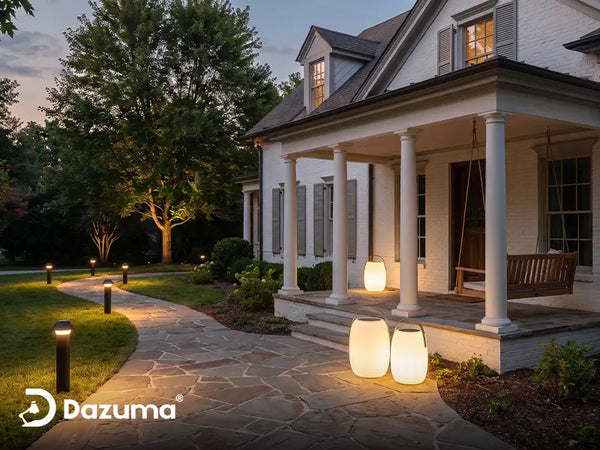
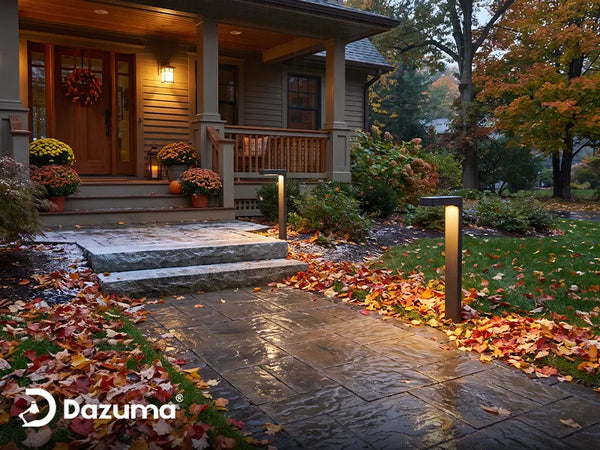
Outdoor lighting
Porch lights, garage lights, and landscape lights often stay on for long periods. Switching to LEDs dramatically reduces energy use.
Motion sensor lighting
Using LED bulbs with motion sensors ensures lights operate only when needed, reducing electricity consumption even further.
Decorative lighting
LED strips, holiday lights, and accent lighting can run for hours without noticeably increasing energy costs.
Frequently used indoor lights
Kitchen, hallway, and living room lights are usually used the most, so replacing these bulbs first yields the biggest savings.

Other Benefits of LED Lighting
Energy efficiency is only one reason LEDs have become the most popular lighting choice.
They also offer several additional advantages.
Longer lifespan
Many LED bulbs last 15,000 to 25,000 hours, meaning they can operate for years before needing replacement.
Lower heat output
Since LEDs produce very little heat, they are safer and reduce cooling loads in warm climates.
Better durability
LEDs are more resistant to vibration and impact compared to fragile incandescent filaments.
Flexible design
LED technology allows lighting designers to create modern fixtures, decorative lighting, and smart lighting systems.
Frequently Asked Questions
1. Do LED lights increase your electricity bill?
No. LED lights typically reduce electricity consumption, and running a single LED bulb often costs only a few dollars per year.
2. Are LED strip lights expensive to run?
Not usually. A typical LED strip uses 15–25 watts, which means the annual electricity cost is usually under $15 even with regular use.
3. Do LED lights use electricity when turned off?
Standard LED bulbs do not consume electricity when switched off. However, some smart bulbs may use a very small amount of standby power.
4. Are LED lights cheaper than incandescent bulbs in the long run?
Yes. Even though LEDs cost more upfront, their lower energy use and longer lifespan make them significantly cheaper over time.
5. How many LED lights can you run before electricity costs rise significantly?
Because LEDs consume so little power, you can run many lights simultaneously before electricity costs become noticeable.
Final Verdict: Do LED Lights Use a Lot of Electricity?
No. LED lights are one of the most energy-efficient lighting technologies available today.
Compared with traditional bulbs, they:
- use 75–85% less electricity
- cost only a few dollars per year to operate
- last many times longer than older bulbs
For homeowners, switching to LED lighting is one of the easiest ways to reduce electricity use while improving lighting quality.
Whether you're upgrading indoor fixtures, adding outdoor lighting, or installing decorative lights, LEDs deliver bright illumination with minimal energy consumption.