
When homeowners decide to upgrade their exterior spaces, they spend countless hours selecting the perfect architectural silhouettes, weather-resistant materials, and designer finishes. However, as an experienced landscape lighting designer, I often see the most critical element completely overlooked: the actual light output. If you are still shopping for bulbs based on wattage, you are navigating the modern lighting world in the dark. Today, the brilliance of a bulb is measured strictly in lumens. Understanding exactly "How many lumens do I need for outdoor lighting?" is the absolute secret to transforming a dark, uninviting yard into a breathtaking and secure evening retreat.
The outdoor environment requires a highly nuanced approach to illumination. If you use too few lumens, your space remains dangerous to navigate and fails to highlight your beautiful architecture. If you use too many lumens, your home will look like a glaring, high-security prison yard, destroying any sense of ambient relaxation. The key to a luxurious, magazine-worthy exterior is layering different intensities of light across different functional zones. Let us break down the precise lumen requirements for every specific area of your property to help you build a flawless Outdoor Lighting design.

Zone 1: Pathways And Stairs (100 - 200 Lumens)
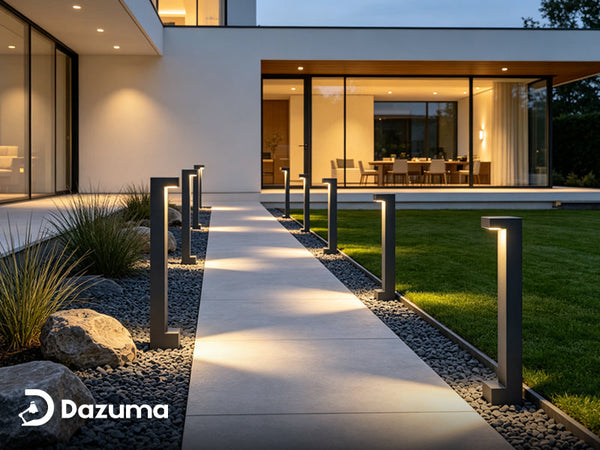
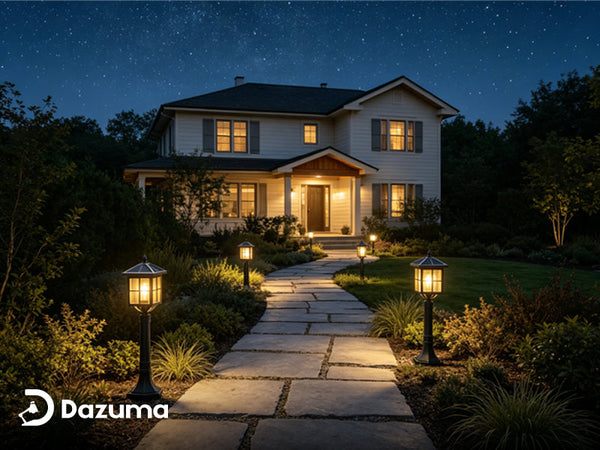
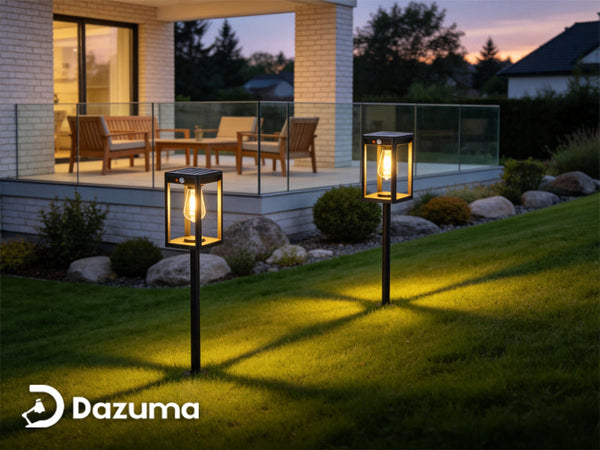
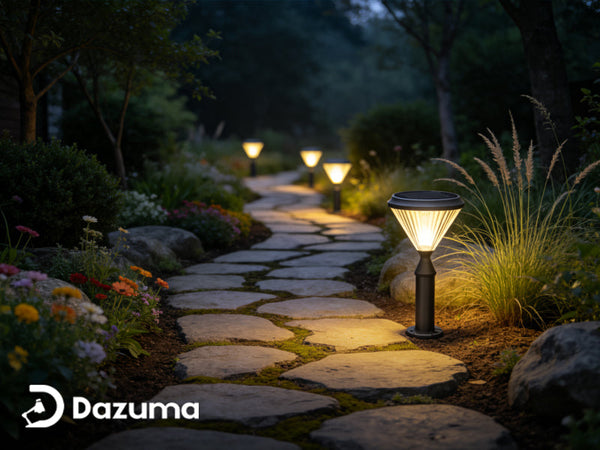
The primary goal of illuminating your walkways, sidewalks, and garden stairs is safety. You need enough light to see uneven flagstones or steps, but you must strictly avoid blinding pedestrians. Because Path Lights are installed low to the ground and direct light downward, extreme brightness is highly unnecessary and often counterproductive.

When our eyes adjust to the dark, a sudden burst of intense light can cause temporary night blindness. Therefore, the ideal range for pathway lighting is between 100 and 200 lumens per fixture. This produces a soft, welcoming pool of light that safely guides the eye without overwhelming the senses.
Instead of using one incredibly bright fixture to illuminate an entire 20-foot walkway, professional designers use multiple low-lumen fixtures spaced 8 to 10 feet apart. This creates a gentle, overlapping rhythm of illumination that feels organic, safe, and beautifully integrated into the surrounding landscape.
Zone 2: Landscape And Architectural Accent (300 - 1000+ Lumens)
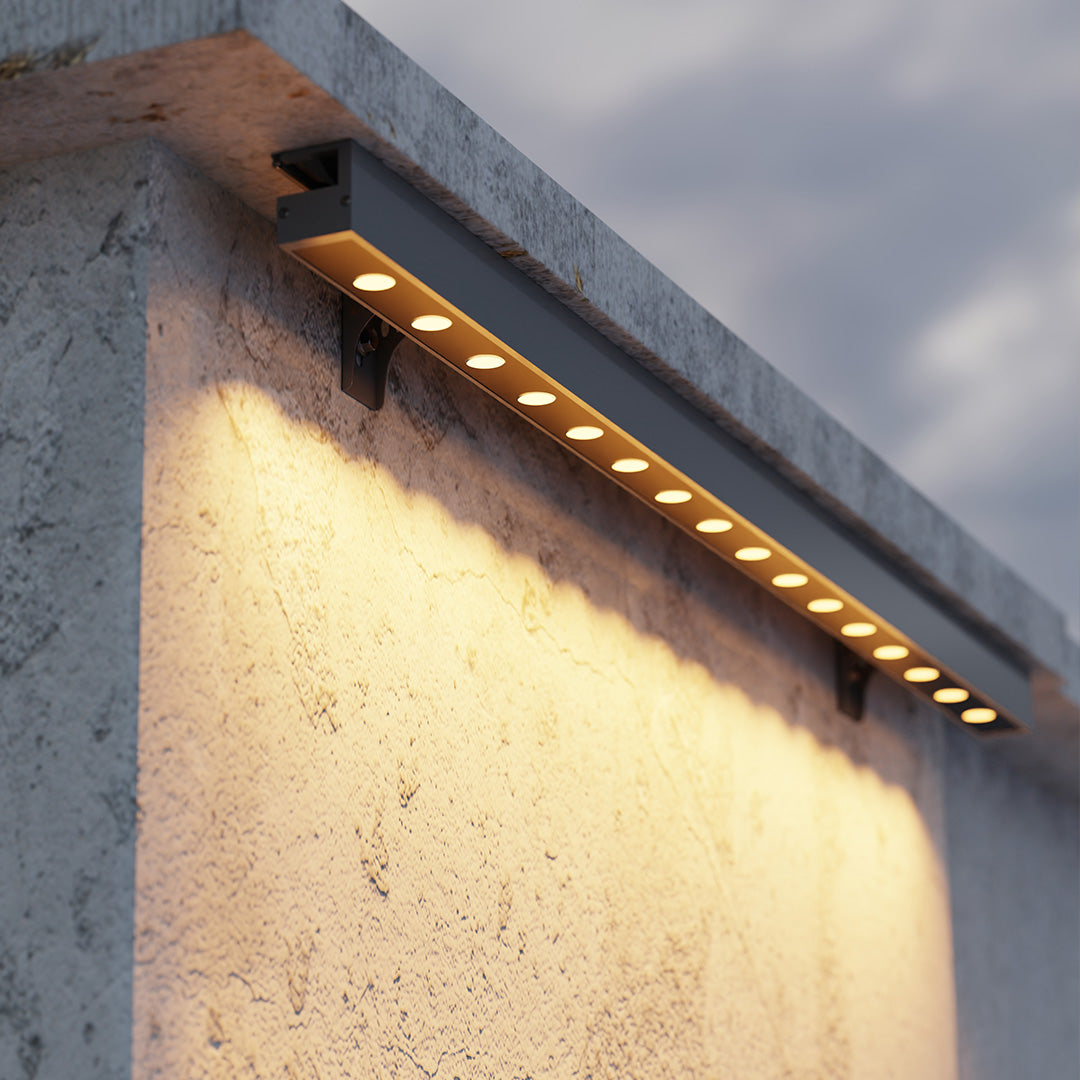
When you transition from the ground level to illuminating vertical features—like statues, water fountains, and trees—the lumen requirements broaden significantly based on the scale of the target. Landscape Lighting is all about creating depth and drama, and you need enough optical power to push the light to the top of your chosen subject.
For small shrubs, dwarf trees, or low retaining walls (under 6 feet tall), a modest output of 300 to 400 lumens is perfectly adequate. This will softly wash the texture of the leaves or stone without blowing out the natural colors. However, if you are attempting to uplight a massive, two-story oak tree or the towering brick chimney of your home, 300 lumens will barely make a dent in the darkness. For grand architectural features and mature trees, you must utilize heavy-duty spotlights pushing 800 to over 1000 lumens, paired with a tight beam angle to ensure the light successfully reaches the upper canopy.
Zone 3: Porches, Patios, And Entertaining Spaces (300 - 600 Lumens)
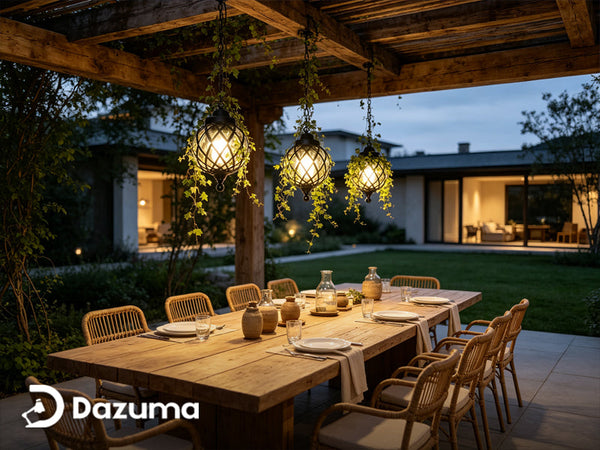
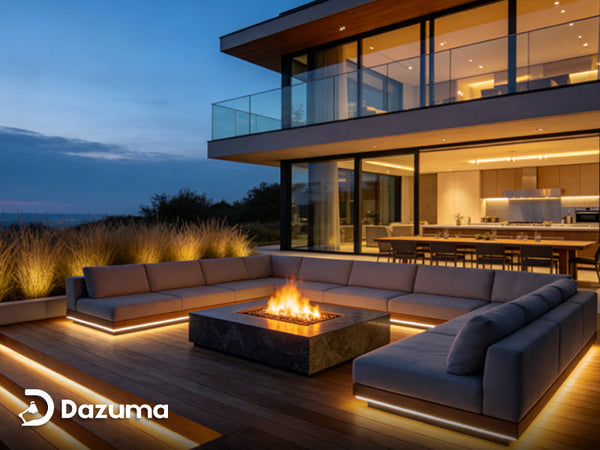
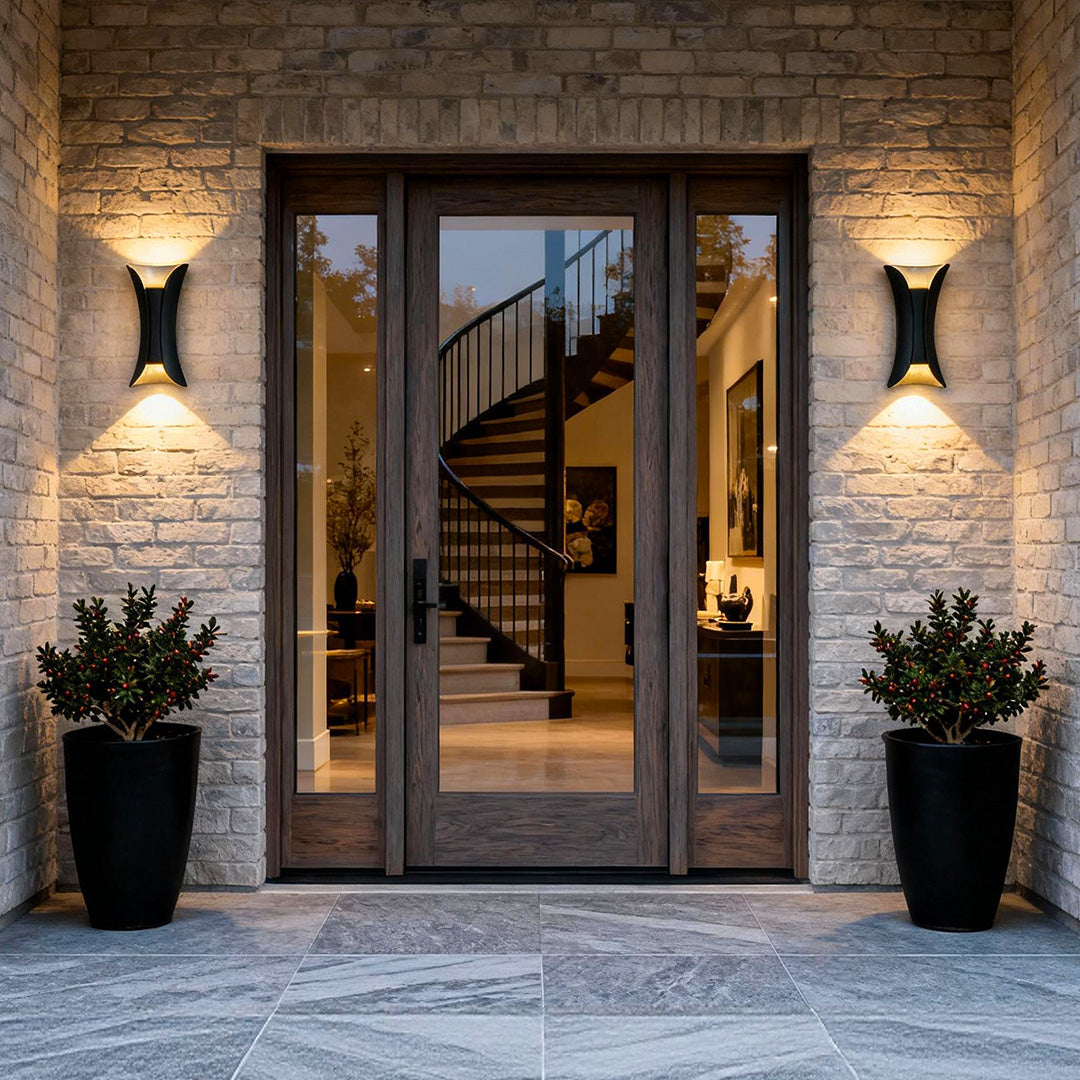
Your outdoor living rooms, dining patios, and front porches are spaces where you will spend extended periods relaxing or socializing. The lighting here needs to be functional enough to allow you to read a book or enjoy a meal, but comfortable enough to prevent eye strain. Harsh, high-lumen bulbs in seating areas will quickly ruin the evening mood and attract swarms of unwanted insects.
For these intimate social zones, we strongly recommend outfitting your Outdoor Wall Lighting and overhead pendants with bulbs ranging from 300 to 600 lumens. This output mimics the gentle, flattering glow of early evening sunlight.
If you have a dedicated outdoor kitchen or BBQ grilling station, you can introduce a specific task light (around 700 lumens) directed strictly at the cooking surface. However, always keep the surrounding ambient seating areas softer. Incorporating a dimmable system for your patio fixtures is highly recommended, allowing you to instantly transition from a bright family dinner to a low-light, relaxing wine hour.

Professional Reference: The Lumen Recommendation Chart
To eliminate the guesswork from your exterior design project, use this professional architectural reference table. It clearly maps the functional areas of your property to the ideal lumen output, ensuring your home remains both stunningly beautiful and perfectly secure after sunset:
| Outdoor Location | Recommended Lumens | Primary Lighting Goal |
|---|---|---|
| Walkways & Step Lighting | 100 - 200 Lumens | Safety and navigation without causing temporary night blindness. |
| Patio Seating & Porch Sconces | 300 - 600 Lumens | Ambient entertaining; soft enough to prevent eye strain and reduce bugs. |
| Small Shrubs & Low Walls | 300 - 400 Lumens | Subtle textural highlighting for ground-level landscaping. |
| Large Trees & 2-Story Facades | 800 - 1000+ Lumens | Powerful upward projection to capture large architectural scale. |
| Driveway & Security Floodlights | 700 - 1300+ Lumens | Broad, intense visibility for deterring intruders and safe parking. |
Zone 4: Security And Floodlighting (700 - 1300+ Lumens)
Finally, we must address utility and security. For areas like dark garage aprons, expansive driveways, or blind spots along the side of your home, you need raw optical power. Security lighting is designed to cast a wide, intense net of illumination that leaves absolutely no room for shadows to hide in.
For robust floodlights, you should look for outputs ranging from 700 to 1300 lumens, and sometimes even higher for commercial-sized driveways. Because this level of brightness is unpleasant to be around for long periods, it is an industry best practice to pair your high-lumen security fixtures with smart motion sensors. This ensures your powerful 1300-lumen lights only activate when a vehicle or person approaches, conserving energy while delivering maximum shock-value security.
Build Your Perfect Nighttime Retreat
Understanding lumens is the ultimate key to professional landscape design. By applying low lumens to your pathways for safety and reserving high lumens for grand trees and security, you create a perfectly balanced, multi-dimensional yard. Ready to bring your vision to life?
Explore Premium Outdoor Lighting