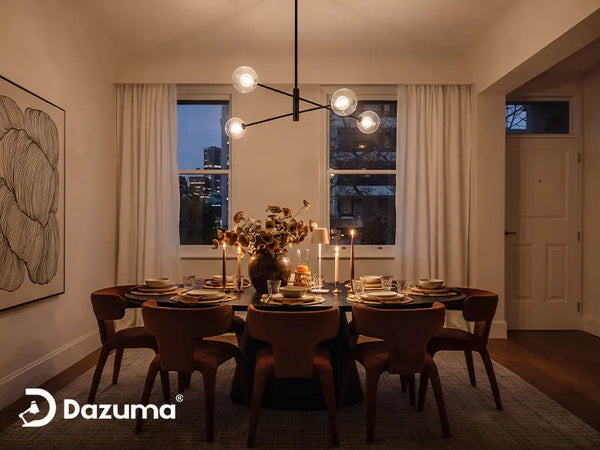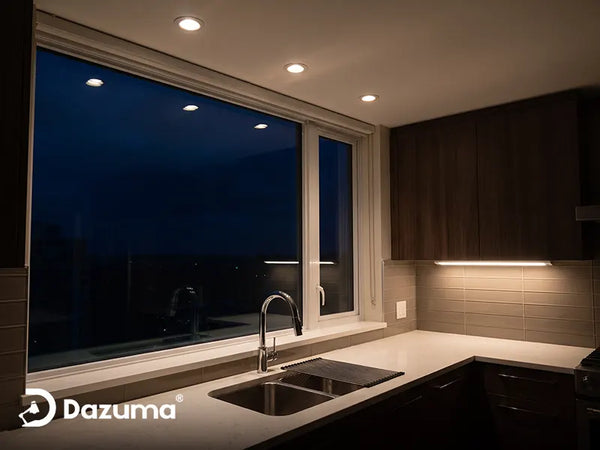

When designing the lighting layout for a home, most people focus entirely on the physical silhouette of the fixture, the finish of the metal, or the style of the lampshade. While these aesthetic choices are undeniably important, there is an invisible element that will dictate the entire atmosphere of your room: color temperature. As a professional interior lighting designer, I have seen breathtaking living rooms completely ruined by a single bulb that emitted a harsh, clinical blue light. Choosing the correct color temperature for your Table Lamps is not just a matter of visual preference; it is a critical design decision that directly affects your mood, your productivity, and even your circadian rhythm.
Table Lamps hold a unique position in interior architecture. Unlike primary overhead fixtures, they reside at eye level. They are the intimate, localized sources of illumination we rely on when we curl up with a book, wind down before bed, or focus on a late-night project at our desks. Because they are in such close physical proximity to our faces and our daily tasks, getting the color temperature right is absolutely paramount. Let us dive deep into the science of the Kelvin scale, decode the biological impacts of light, and outline the strict designer rules for choosing the perfect warmth for every room in your home.

Decoding The Kelvin Scale
To make educated lighting decisions, you must first understand how we measure the color of light. In the lighting industry, color temperature is measured in Kelvins (K). The scale typically ranges from 2000K to 6500K for residential applications. It is essential to note that the Kelvin scale works counterintuitively to how we perceive physical heat. The lower the Kelvin number, the "warmer" and more yellow/orange the light appears. The higher the Kelvin number, the "cooler" and more blue/white the light becomes.

For example, a traditional candle burns at around 1900K, emitting a deeply relaxing, amber glow. A standard incandescent bulb sits at 2700K, which has been the comforting standard for American living rooms for over a century.
On the opposite end of the spectrum, natural daylight on a clear afternoon measures around 5000K to 5500K. While this crisp, blue-toned light is excellent for a surgical operating room or a commercial warehouse, bringing a 5000K bulb into your living room will make the space feel incredibly sterile, harsh, and unwelcoming. For residential Table Lamps, you will almost exclusively be choosing between 2700K, 3000K, and occasionally 4000K.
The Bedroom And Living Room: Maximizing Warmth (2700K)
The primary function of a living room or a bedroom is relaxation. These are the sanctuaries where we retreat after a long, stressful day. Biologically, our bodies are deeply sensitive to the color of light. Exposure to blue light (high Kelvins) suppresses the production of melatonin, the hormone responsible for sleep. Conversely, warm, amber light signals to our brain that the sun is setting, encouraging our nervous system to wind down.
For bedside nightstands, end tables next to your living room sofa, or entryway consoles, you should strictly use 2700K bulbs in your Table Lamps. This creates a cozy, inviting, and highly flattering atmosphere. It perfectly mimics the nostalgic glow of traditional incandescent lighting while utilizing energy-efficient LED technology. When you turn off your bright overhead Ceiling Lights and switch on a 2700K table lamp, the entire room instantly transitions into a peaceful, intimate lounge space.
The Home Office And Reading Nook: The Golden Middle (3000K - 4000K)
While 2700K is beautiful for relaxation, it can sometimes feel too yellow and lethargic when you need to be alert. If you are placing a Table Lamp on a home office desk, a crafting table, or next to a dedicated reading chair, you need a color temperature that promotes focus, enhances visual clarity, and reduces eye strain.
This is where 3000K (Soft White) truly shines. It is often considered the "golden middle" of residential lighting. A 3000K bulb strips away the heavy yellow/orange hues of 2700K, resulting in a cleaner, crisper white light that still feels warm and residential. It is the absolute perfect choice for reading text on physical paper without causing the glare associated with cooler temperatures.
If you are doing highly detailed task work—such as drafting, painting, or sewing—you may want to step up to a 4000K (Cool White) bulb. 4000K mimics morning sunlight and offers exceptional color rendering, ensuring that the blue and green pigments in your artwork or fabrics look accurate. However, use 4000K sparingly; it should be restricted strictly to task-oriented desks and never used as ambient room lighting.

Technical Specifications Guide: The Kelvin Breakdown
To ensure absolute consistency throughout your home, it is highly recommended to stick to a unified lighting plan. Mixing a 2700K bulb in a table lamp right next to a 4000K floor lamp will create a chaotic, visually jarring clash. Use this professional reference table to select the correct color temperature for every specific function in your house:
| Kelvin Rating | Common Industry Name | Light Appearance | Ideal Table Lamp Applications |
|---|---|---|---|
| 2700K | Warm White | Cozy, yellow, traditional glow. | Bedside nightstands, living room end tables, console tables. |
| 3000K | Soft White | Clean, neutral, slightly warm. | Reading chairs, general home offices, modern kitchens. |
| 4000K | Cool White | Crisp, bright, bluish-white tint. | Drafting desks, crafting areas, detailed task workstations. |
| 5000K+ | Daylight | Harsh, clinical, extreme clarity. | Garages, basements, medical facilities (Avoid in living spaces). |
Layering With Surrounding Fixtures
A professional lighting design never relies on a single source of light. Your Table Lamps must work in perfect harmony with the rest of your room's architecture.

As a fundamental rule of layering, all fixtures within the same visual zone should share a similar color temperature. If your grand Chandeliers are emitting a 2700K ambient glow, your Table Lamps and adjacent Outdoor Floor Lamps (if visible through glass patio doors) should ideally match that warmth to create a cohesive, uninterrupted visual flow.
Finally, always ensure you are purchasing high-quality bulbs with a high Color Rendering Index (CRI of 90 or above). Even if you select the perfect 2700K color temperature, a cheap bulb with a low CRI will make your furniture, skin tones, and artwork look dull and washed out. High CRI ensures that the warm light accurately reflects the true, vibrant colors of your beautiful home.
Set The Perfect Mood With Premium Fixtures
Do not let harsh, incorrect lighting ruin your carefully curated interior. By mastering the Kelvin scale and choosing the appropriate warmth for your reading nooks and nightstands, you instantly elevate your home's comfort and luxury. Ready to find the perfect accent piece?
Explore Our Collection of Designer Table Lamps