
Floor lamps are one of the most versatile lighting solutions for living rooms. They provide ambient illumination, support reading and relaxation, enhance interior design, and help create a warm and inviting atmosphere. However, even the most stylish floor lamp can feel awkward or ineffective if it is placed in the wrong location.
So, where should you put a floor lamp in a living room? The ideal placement depends on your room layout, furniture arrangement, lighting goals, and ceiling height. In most cases, floor lamps work best beside seating areas, near sofas, in empty corners, or layered with other light sources to create balanced illumination throughout the space.
This guide explains the best floor lamp placement ideas for living rooms and how to position them for both functionality and visual balance.

Why Floor Lamp Placement Matters
Lighting significantly affects how a living room looks and feels. Poorly positioned lamps can create glare, uneven brightness, dark corners, or visual clutter. Proper placement helps distribute light evenly while supporting activities such as reading, entertaining, and watching television.
Interior designers often use floor lamps as part of a layered lighting plan that combines ambient, task, and accent lighting. Pairing floor lamps with ceiling lights, wall lighting, and decorative fixtures creates a more balanced and comfortable environment.
Best Places To Put A Floor Lamp In The Living Room
Next To The Sofa
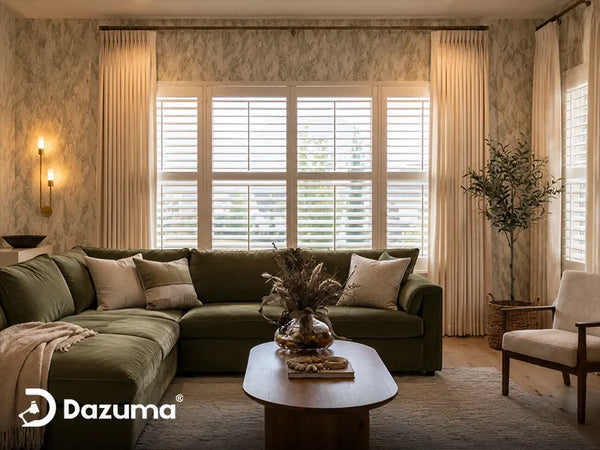
One of the most common and effective placements is beside the sofa. This location provides comfortable task lighting for reading while also adding warmth to the seating area.
For best results, position the lamp slightly behind or beside the seating position rather than directly in front of eye level. Arc floor lamps work especially well with sectional sofas because the overhead arm extends light toward the center of the seating arrangement.

In An Empty Corner
Unused corners often make living rooms feel darker and less inviting. Placing a floor lamp in a corner helps eliminate shadows while visually balancing the room.
Tall torchiere floor lamps are especially effective for corner placement because they direct light upward and create soft ambient illumination across walls and ceilings.
Corner lighting also works well when combined with decorative wall lights to create layered brightness throughout the room.
Beside An Accent Chair
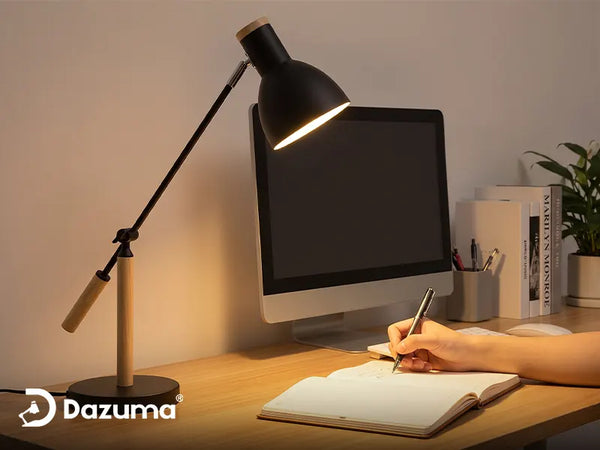
A floor lamp paired with an accent chair creates a comfortable reading nook. Adjustable reading lamps or swing-arm floor lamps are ideal because they provide focused illumination exactly where it's needed.
This setup is especially popular in apartments, smaller living rooms, and open-concept spaces where creating functional zones is important.
Behind A Sectional Sofa
In larger living rooms, placing a floor lamp behind a sectional sofa can help define the seating area while adding overhead-style illumination without requiring additional ceiling wiring.
Arc floor lamps are particularly useful in this arrangement because their extended arm reaches over the seating area without occupying valuable floor space near walkways.
Near The TV Area
Adding a floor lamp near a television can reduce eye strain by minimizing the contrast between a bright screen and a dark room. However, avoid placing the lamp directly behind the television or where it creates screen glare.
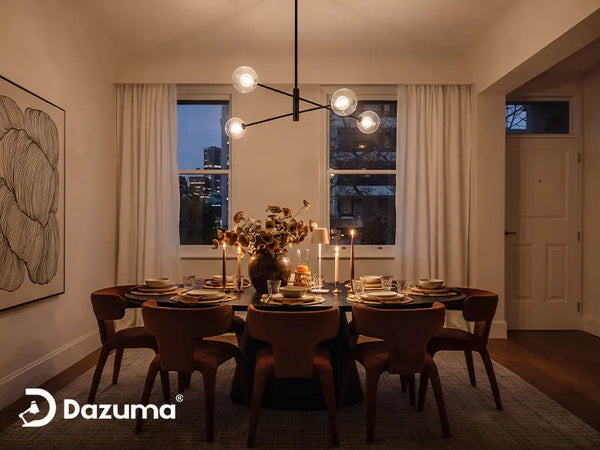
Soft indirect lighting generally works best for entertainment areas. Many homeowners combine floor lamps with dimmable chandeliers or subtle accent lighting to create a more cinematic atmosphere.

How Tall Should A Living Room Floor Lamp Be?
The height of a floor lamp affects both lighting performance and visual proportions within the room.
| Floor Lamp Type | Typical Height | Best Application |
|---|---|---|
| Reading Floor Lamp | 55-65 Inches | Beside Sofas And Chairs |
| Torchiere Lamp | 68-72 Inches | Ambient Corner Lighting |
| Arc Floor Lamp | 70-84 Inches | Sectionals And Large Seating Areas |
| Tripod Floor Lamp | 58-68 Inches | Decorative Accent Lighting |
In general, the bottom of the lampshade should sit at or slightly above seated eye level to prevent harsh glare.
How Many Floor Lamps Should A Living Room Have?
The number of floor lamps depends on room size, layout, and available natural light. Smaller living rooms may only require one strategically placed floor lamp, while larger rooms often benefit from multiple light sources distributed throughout the space.
Designers typically recommend using several moderate light sources instead of relying on one extremely bright fixture. Combining floor lamps with pendant lights, table lamps, and ceiling fixtures creates a more comfortable and visually dynamic environment.
Recommended Brightness For Living Room Floor Lamps
| Lighting Purpose | Recommended Lumens |
|---|---|
| Ambient Lighting | 800-1,500 Lumens |
| Reading Lighting | 400-800 Lumens |
| Accent Lighting | 200-500 Lumens |
Warm white bulbs between 2700K and 3000K are typically preferred for living rooms because they create a cozy and relaxing atmosphere.
Common Floor Lamp Placement Mistakes
- Blocking walkways or traffic paths.
- Placing lamps where cords become tripping hazards.
- Positioning lamps directly behind televisions.
- Using oversized lamps in small living rooms.
- Relying on a single floor lamp for all room lighting.
- Ignoring balance between lighting layers.
Avoiding these mistakes can make the living room feel more spacious, functional, and professionally designed.
Final Thoughts
Knowing where to put a floor lamp in a living room can dramatically improve both lighting quality and overall room design. Whether placed beside a sofa, next to an accent chair, in an empty corner, or behind a sectional, floor lamps help create a warm and functional environment when positioned thoughtfully. Explore Dazuma's collection of floor lamps, ceiling lights, chandeliers, and decorative lighting solutions to create a beautifully layered living room that feels comfortable day and night.