
Choosing the right LED lighting product involves more than selecting a fixture style or brightness level. One of the most important factors affecting the appearance, comfort, and functionality of a space is color temperature. Measured in Kelvins (K), color temperature determines whether a light appears warm and cozy, clean and neutral, or bright and energizing.
Many homeowners invest in beautiful lighting fixtures only to discover that the light itself feels too yellow, too harsh, or simply out of place. Understanding LED color temperature can help you create the perfect atmosphere while improving comfort and functionality throughout your home.
This guide explains how color temperature works, compares the most common LED options, and provides room-by-room recommendations to help you choose the right lighting for every space.

What Is LED Color Temperature?
Color temperature refers to the visual warmth or coolness of light and is measured in Kelvins (K). Lower Kelvin numbers produce warmer, yellow-toned light, while higher Kelvin numbers create cooler, whiter light.
Unlike brightness, which is measured in lumens, color temperature affects the atmosphere and perceived comfort of a space.
| Color Temperature | Appearance | Typical Applications |
|---|---|---|
| 2200K-2700K | Warm Golden Light | Bedrooms, Living Rooms |
| 3000K | Warm White | Dining Rooms, Hallways |
| 3500K-4000K | Neutral White | Kitchens, Bathrooms, Offices |
| 5000K-6500K | Cool Daylight White | Garages, Workshops, Task Areas |
Why Color Temperature Matters
Color temperature affects more than aesthetics. It influences mood, productivity, visual comfort, and even how colors appear within a room.
For example, warm lighting can make a living room feel cozy and relaxing, while cooler lighting can improve visibility and concentration in a home office or workspace.
Selecting the wrong color temperature may result in a room that feels uncomfortable or doesn't function as intended.

2700K: Warm White For Comfort And Relaxation
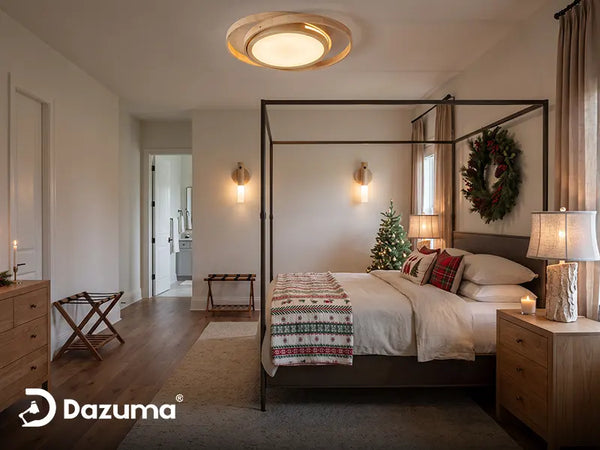
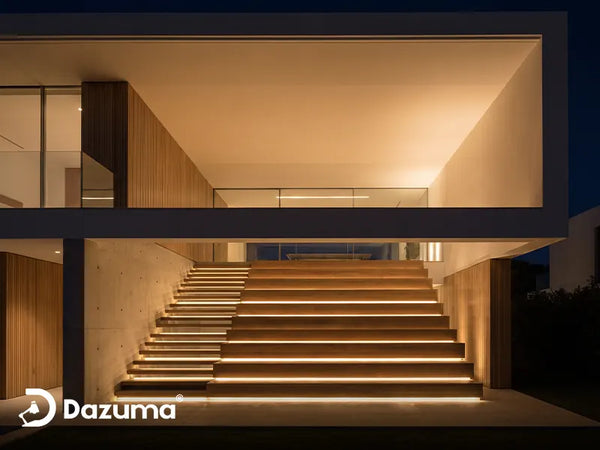
2700K is one of the most popular residential lighting choices because it closely resembles traditional incandescent bulbs. It produces a soft, warm glow that creates an inviting atmosphere.
This color temperature works particularly well in:
- Living Rooms
- Bedrooms
- Dining Rooms
- Reading Corners
- Hospitality Spaces
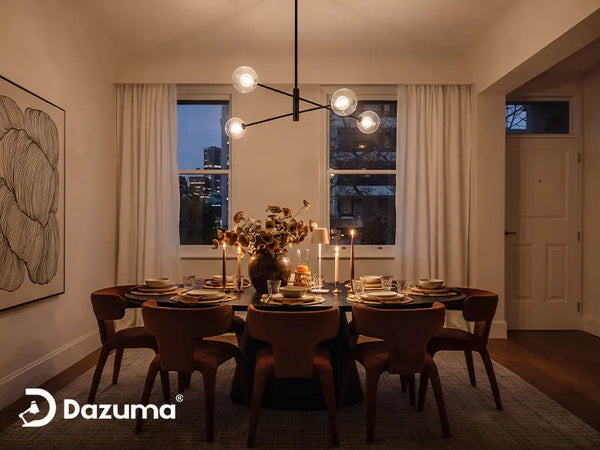
Many homeowners prefer warm lighting when installing decorative chandeliers because it enhances comfort and creates a welcoming environment.
3000K: The Most Versatile Choice
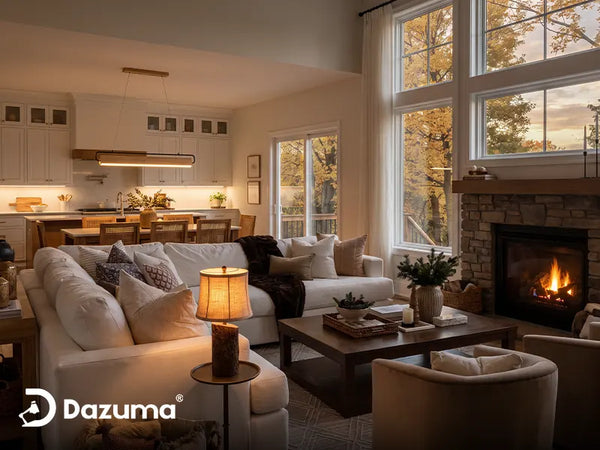
If you're unsure which color temperature to choose, 3000K is often the safest option. It provides a balance between warmth and brightness, making it suitable for many areas throughout the home.
Unlike 2700K, which leans noticeably warm, 3000K appears cleaner while still maintaining a comfortable atmosphere.
Ideal applications include:
- Open-Concept Living Areas
- Dining Rooms
- Hallways
- Entryways
- Modern Bedrooms
Many interior designers consider 3000K the best all-around residential color temperature.
4000K: Clean And Functional Lighting
4000K produces a neutral white light that enhances visibility without appearing overly harsh. It has become increasingly popular in modern homes where functionality is a priority.
This color temperature works particularly well in kitchens, bathrooms, laundry rooms, and workspaces where accurate color perception and visibility are important.
Homeowners frequently pair 4000K bulbs with modern pendant lights above kitchen islands to achieve a bright and contemporary appearance.

5000K And Above: Daylight White For Task Lighting
5000K to 6500K lighting closely resembles natural daylight. While extremely effective for task-oriented environments, it can feel overly clinical in residential living spaces.
These higher color temperatures are best suited for:
- Garages
- Workshops
- Commercial Spaces
- Home Gyms
- Utility Rooms
For most living areas, lower color temperatures provide a more comfortable experience.
Recommended Color Temperature By Room
| Room | Recommended Color Temperature |
|---|---|
| Living Room | 2700K - 3000K |
| Bedroom | 2700K - 3000K |
| Dining Room | 2700K - 3000K |
| Kitchen | 3000K - 4000K |
| Bathroom | 3500K - 4000K |
| Home Office | 4000K - 5000K |
| Garage | 5000K - 6500K |
| Outdoor Patio | 2700K - 3000K |
Choosing Color Temperature For Outdoor Lighting
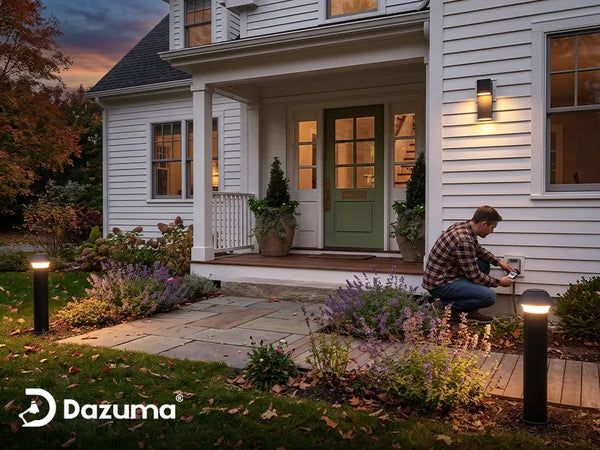
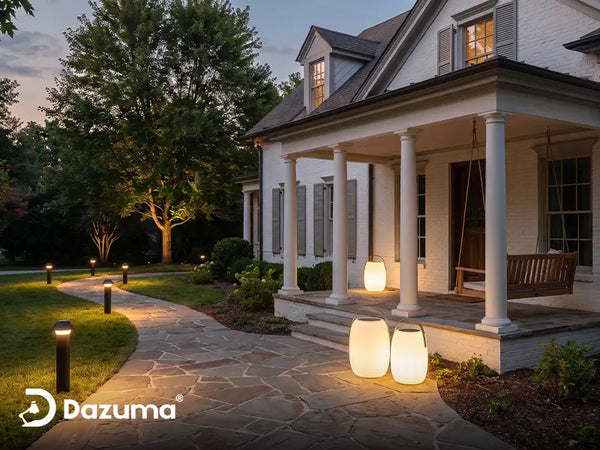
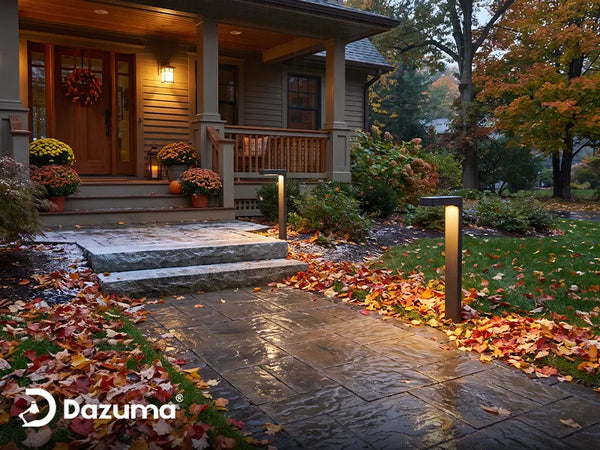
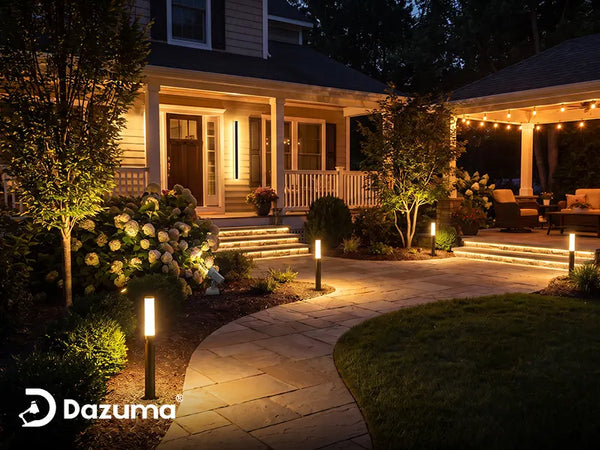
Outdoor lighting requires a different approach than indoor lighting. Warm white lighting between 2700K and 3000K is generally recommended because it creates a welcoming atmosphere while minimizing glare.
Popular outdoor applications include:
- Landscape lighting
- Pathway lights
- Outdoor wall lights
- Garden accent lighting
- Patio lighting
Warmer color temperatures help outdoor spaces feel more inviting and often complement natural materials such as stone, wood, and landscaping.

Common Color Temperature Mistakes To Avoid
- Using 5000K lighting throughout the entire home.
- Mixing drastically different color temperatures in the same room.
- Choosing color temperature based solely on brightness.
- Ignoring the room's primary function.
- Selecting cool lighting for relaxation spaces.
Consistency is often just as important as the actual Kelvin rating. Maintaining similar color temperatures throughout connected spaces creates a more cohesive design.
Final Thoughts
The right LED color temperature can dramatically improve the comfort, appearance, and functionality of your home. While 2700K creates warmth and relaxation, 3000K offers versatility, 4000K enhances productivity, and 5000K delivers maximum visibility for task-oriented spaces. By selecting the appropriate color temperature for each room, homeowners can create lighting that not only looks beautiful but also supports the way they live. Explore Dazuma's collections of chandeliers, pendant lights, and outdoor lighting to find fixtures that perfectly match your preferred color temperature and design style.