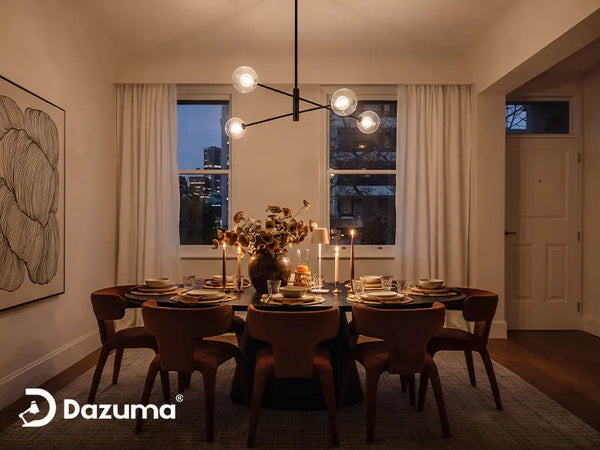

Who This Is For: This guide is for homeowners, designers, and remodelers who like pendant lighting but are not sure whether rattan, glass, milk glass, crystal, ceramic, or wood will work best in a kitchen, dining room, bedroom, entryway, or relaxed living space.
Introduction: Material Matters More Than Most People Expect
When people shop for pendant lights, they often compare shape first: globe, dome, cone, drum, lantern, or linear. Shape matters, but material usually decides how the light actually feels once it is installed. A rattan pendant can make a white kitchen feel warmer and more relaxed. Clear glass can make the same kitchen feel brighter and more open. Milk glass softens glare. Crystal adds sparkle. Ceramic brings a handmade, sculptural quality. Wood adds natural warmth and a grounded architectural look.
The best material is not simply the prettiest one in a product photo. It should match the room’s function, ceiling height, cleaning reality, and the mood you want every day. This comparison breaks down the six materials by appearance, light behavior, maintenance, and best use direction.

Quick Answer: Which Pendant Light Material Should You Choose?
Choose rattan if you want relaxed warmth, coastal texture, or an organic modern look. Choose glass if you want brightness and an open sightline. Choose milk glass if you like glass but need softer diffusion and less exposed-bulb glare. Choose crystal if the room needs sparkle, elegance, or a decorative focal point. Choose ceramic if you want a crafted, matte, sculptural feeling. Choose wood if the room needs warmth, natural grain, and a quieter presence.
For everyday rooms, the safest method is to match the material to the way the room is used. Kitchen pendants must handle task lighting, food prep, and sightlines. Dining room pendants can be more atmospheric. Bedroom pendants should feel soft and comfortable near eye level. Entryway pendants need enough visual presence to make a first impression.
Pendant Light Material Comparison Table
Use this table as a practical starting point. No material is always better; each one has a natural personality and a few tradeoffs.
| Material | Best Style Direction | Light Effect | Best Rooms | Watch Out For |
|---|---|---|---|---|
| Rattan | Coastal, boho, organic modern | Warm texture with patterned shadows | Dining rooms, breakfast nooks, bedrooms | Dust, moisture, and reduced task light |
| Glass | Modern, transitional, minimal | Bright, open, and clean | Kitchen islands, entries, small rooms | Smudges, visible bulbs, and glare |
| Milk Glass | Soft modern, vintage, classic | Even, diffused glow | Bathrooms, kitchens, bedrooms, hallways | Less sparkle and slightly lower brightness |
| Crystal | Elegant, glam, formal, luxury | Sparkle, refraction, decorative highlights | Dining rooms, foyers, powder rooms | Cleaning time and over-formality |
| Ceramic | Handmade, earthy, minimalist | Focused downward light with matte softness | Counters, bedside areas, reading corners | Weight, fragility, and limited side glow |
| Wood | Japandi, farmhouse, rustic modern | Warm, grounded, low-glare presence | Dining rooms, living rooms, bedrooms | Humidity, heat exposure, finish matching |
Why Material Changes The Way Light Feels
A pendant shade is more than decoration. It can act like a filter, reflector, diffuser, or screen. Clear glass exposes the bulb and lets light travel freely, so the fixture feels visually light. Milk glass turns a bright point source into a soft glowing volume. Rattan breaks light through small openings, creating shadow texture. Ceramic and many wood shades block side light and push more light downward. Crystal bends and reflects light, creating sparkle that can feel beautiful in a dining room but distracting in a quiet bedroom.
This is why two pendants with the same bulb can look different in the same space. An opaque ceramic pendant may need a stronger bulb than a clear glass pendant over the same counter. A rattan shade may feel cozy at dinner but less precise for chopping vegetables. A milk glass globe may be more comfortable near eye level because it hides the LED point.
Also consider visual weight. Clear glass almost disappears. Milk glass shows shape without feeling heavy. Rattan and wood add texture. Ceramic adds sculptural mass. Crystal adds movement and shine. In open-plan homes, this matters because pendants are seen from several rooms at once.
Rattan, Glass, Milk Glass, Crystal, Ceramic, And Wood Compared

Rattan Pendant Light: Warm, Textured, And Relaxed
A Rattan Pendant Light works best when you want the room to feel natural rather than polished. It brings texture without the heaviness of metal and suits coastal homes, boho rooms, organic modern interiors, bedrooms, and casual dining spaces.
The main benefit of rattan is atmosphere. The woven structure can cast soft patterned shadows, especially with a visible bulb. That shadow is part of its charm, but it also means rattan is not always ideal for task-heavy zones. Over a dining table, breakfast nook, or lounge corner, it feels welcoming. Over a kitchen prep area, use it with recessed lighting, under-cabinet lighting, or another task layer.
Rattan also needs gentle maintenance because dust can settle in the weave. In humid rooms, natural fibers may age faster unless the fixture is designed for that condition. Warm white bulbs usually make rattan look richer and more natural than cool white bulbs.
Glass Pendant Lights: Clear, Bright, And Visually Light
Glass Pendant Lights are one of the easiest choices for smaller rooms because they do not visually block the space. Clear glass is especially helpful over kitchen islands, narrow counters, and entryways where you want a pendant shape without a heavy sightline.

The tradeoff is visibility. Clear glass shows the bulb, fingerprints, water spots, and cooking film. If the bulb is too bright, too cool, or unattractive, the fixture will feel harsh. Use a dimmable LED bulb when possible and choose a bulb shape that looks intentional. If you are planning pendants over an island, the scale and spacing matter as much as the shade. For practical placement rules, see The Golden Rules Of Pendant Lighting: Sizing & Placement.
Milk Glass Pendant Light: Soft Diffusion Without Visual Clutter
A milk glass pendant light is a useful middle ground between clear glass and opaque shade materials. It keeps the clean, timeless shape of glass but hides the bulb and softens the glow. That makes it strong for bedrooms, bathrooms, hallways, breakfast areas, and kitchen islands where people sit directly under or beside the fixture.
Milk glass is also forgiving in mixed-style homes. It can feel vintage in an older house, crisp in a modern space, and calm in a transitional kitchen. The main limitation is that it usually reduces raw brightness compared with clear glass, so bulb output and dimmer compatibility matter.

Crystal Pendant Light: Sparkle, Drama, And Formal Detail
A Crystal Pendant Light is the right direction when you want the fixture to be noticed. Crystal does not only provide light; it decorates light through reflection, refraction, and small highlights.
Crystal works best in dining rooms, foyers, powder rooms, dressing areas, and formal living spaces. It can also work over a kitchen island if the surrounding design is clean enough to let the fixture breathe. The key is proportion. Too much crystal in a casual room can feel overdressed, while a fixture that is too small can look lost in a tall entry.
Cleaning is the practical concern. Crystal looks best when dust-free because sparkle depends on clean surfaces. If the fixture has many small pieces, maintenance takes more time than wiping a smooth shade. For homeowners who want a decorative focal point, that extra care can be worth it.
Ceramic Pendant Light: Sculptural, Matte, And Crafted
A ceramic pendant light gives a room a handmade quality even when the overall design is simple. It can feel Mediterranean, Japanese-inspired, Scandinavian, farmhouse, or modern depending on the silhouette and glaze. Ceramic is especially good when you want a pendant that feels like a small sculptural object.
Because ceramic is usually opaque, it often directs light downward instead of glowing through the sides. That makes it useful over kitchen counters, bedside tables, reading corners, and small dining tables. Check fixture weight before installation, and be careful in areas where a fragile shade may be bumped or exposed to heavy steam.
Wood Pendant Lights: Warm, Grounded, And Architectural
Wood Pendant Lights are best when a room needs warmth but not shine. Wood feels grounded and calm, which makes it a strong choice for Japandi interiors, warm minimal homes, modern farmhouse kitchens, and living spaces with stone, linen, plaster, or neutral walls.

Wood does not reflect light the way glass or crystal does. Instead, it gives the pendant a warmer visual presence. Pale oak feels airy and Scandinavian. Walnut feels richer and more formal. Dark stained wood can look dramatic but may feel heavy in a low-ceiling room. Avoid placing untreated natural wood in damp or humid areas unless the fixture is rated and finished for that use.
Best Pendant Light Materials By Room
Kitchen Island
For kitchen islands, glass and milk glass are usually the most practical. Clear glass keeps the island open and bright, while milk glass softens glare for people sitting at the counter. Ceramic can work beautifully if you want focused downward light, but the kitchen should also have good general lighting. Rattan can work in relaxed kitchens, especially with natural cabinetry, but it should not be the only task light. For island-specific height advice, see Pendant Lighting Height Over Kitchen Island: The Ultimate Guide.
Dining Room
The dining room gives you more freedom. Rattan feels casual and welcoming. Crystal makes dinner feel more formal. Wood adds warmth without glitter. Ceramic pairs well with stoneware, linen, and natural wood tables. Milk glass is ideal when the dining room is part of an open-plan space and you want elegance without visual noise.
Bedroom
For bedrooms, choose materials that soften the mood. Milk glass, wood, ceramic, and rattan are usually stronger choices than clear glass or highly reflective crystal. Bedside pendants should not expose a harsh bulb at eye level. If you love glass in a bedroom, consider opal or frosted glass rather than clear glass.
Entryway Or Foyer
An entryway can handle more personality because the pendant becomes a first impression. Crystal works if the architecture is tall or formal. Glass works if the entry is small and needs openness. Wood or ceramic can make a modern entry feel warmer. In a two-story foyer, make sure the material has enough visual presence to hold the volume of the space.
Buying Checklist And Common Mistakes
Before choosing a pendant material, walk through the room at the time of day you use it most. Notice whether the room needs more brightness, more softness, more texture, or more visual focus. Then check the following points.
- Light direction: Clear and milk glass spread light more broadly; ceramic and many wood shades send light downward; rattan can create patterned shadow.
- Glare control: If the bulb will be near eye level, milk glass, ceramic, wood, or a shaded rattan design may be more comfortable than clear glass.
- Cleaning level: Smooth glass and glazed ceramic are simple to wipe. Rattan and crystal need more detailed cleaning.
- Room humidity: Be cautious with natural fibers and wood in damp areas unless the fixture is designed for that condition.
- Visual weight: Clear glass feels light. Ceramic and wood feel grounded. Crystal feels decorative. Rattan feels airy but textured.
A common mistake is choosing texture when the room actually needs task light. Another is ignoring the bulb because the shade looks good. Clear glass and crystal expose the bulb more than other materials, so bulb shape and color temperature become part of the design. In open-plan homes, avoid using too many strong materials at once. One bold pendant material usually looks more intentional than three competing ones. For a broader design framework, Dazuma’s guide on How to Choose the Perfect Pendant Light: Function, Design, Scale can help connect material with scale and proportion.
Final Advice: Choose The Feeling First, Then The Material
The best pendant material is the one that supports how the room should feel every day. If you want calm and softness, start with milk glass, ceramic, or wood. If you want openness and brightness, start with glass. If you want texture and a relaxed natural mood, choose rattan. If you want elegance and sparkle, choose crystal.
For most homes, the smartest choice is not the trendiest material. It is the material that fits the room’s function, cleaning reality, ceiling height, and existing finishes. Once you know whether the space needs to feel natural, clear, soft, sparkling, crafted, or warm, the right pendant light material becomes much easier to choose.