
Who This Is For: This guide is for homeowners, renters planning ahead for a remodel, and design-conscious bedroom shoppers who like the look of bedside pendant lights but want to understand height, wiring, placement, switch location, glare, and daily comfort before buying or installing anything.
Quick Answer: What Matters Most?
Bedside pendant lights can be a beautiful and practical upgrade, but they need more planning than a table lamp. The most important checks are the pendant height, distance from the wall, relationship to the nightstand, switch location, cord length, shade direction, and whether the fixture is hardwired or plug-in. If the pendant is too high, it feels decorative but not useful. If it is too low, it can block your view, bump your head, or feel visually heavy beside the bed.
For most bedrooms, a good starting point is to place the bottom of the pendant roughly above the upper half of the nightstand area, not directly in the way of your pillow or face. The fixture should feel close enough to help with reading, reaching for a book, or creating a warm evening glow, but not so close that it shines directly into your eyes. If you are replacing table lamps, the goal is not simply to “hang a light.” It is to free up surface space, create a calmer bedside composition, and make the room feel more intentional.

Why Bedside Pendant Lights Work So Well
Compared with table lamps, bedside pendants keep the nightstand clear. That one benefit matters more than people expect. In a real bedroom, the nightstand often holds a phone, charger, book, water glass, glasses, jewelry tray, hand cream, or alarm clock. A pendant removes the lamp base from that crowded surface, so the bedside area feels cleaner and easier to use.
They also make a small bedroom look more designed. A pair of pendants creates vertical rhythm beside the bed, drawing the eye upward and making the sleeping area feel finished. This is especially helpful in compact rooms where large furniture, bulky lamp bases, or oversized shades can make the room feel tighter. If you are comparing different indoor hanging fixtures, start with broad Pendant Lighting styles, then narrow by size, shade direction, light output, and bedroom mood.
Another overlooked benefit is symmetry without clutter. Matching pendants on both sides of a bed create balance, but they do not need to be perfectly formal. In a guest bedroom, a single pendant on one side and a small table lamp on the other can still work. In a primary bedroom, two pendants usually look more intentional, especially when the bed, headboard, and nightstands are centered on the wall.

They Save Surface Space
For a small nightstand, a pendant often solves the clutter problem better than a narrower table lamp. The light still lands where you need it, while the tabletop stays open for daily items.
Height, Spacing, And Bedside Positioning
Height is the first installation decision because it affects comfort, function, and appearance. A pendant beside a bed is not installed like a pendant over a kitchen island. Over an island, you usually measure from the countertop. Beside a bed, you need to consider mattress height, nightstand height, headboard height, eye level when sitting up, and where your hand naturally reaches when you are lying down.
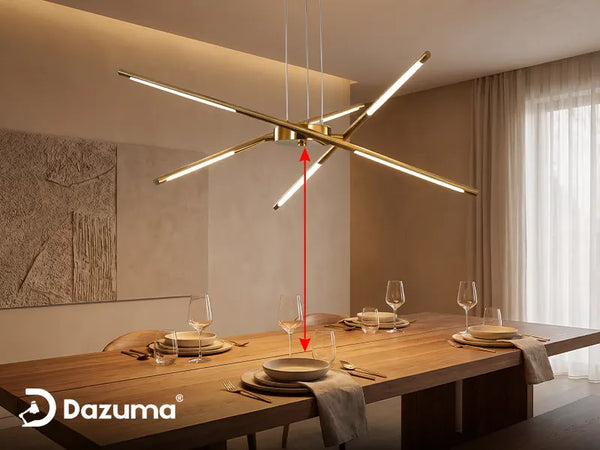
A practical starting range is to hang the bottom of the shade around 26 to 32 inches above the nightstand top. If your nightstand is unusually low or high, adjust by sightline rather than following the number blindly. The pendant should not hang so low that it feels like an object in your sleeping zone. It should also not hang so high that it becomes a mini ceiling light instead of a bedside light.
Distance from the wall matters too. Many bedside pendants look best when the center of the fixture sits around 8 to 14 inches out from the wall, depending on shade diameter and headboard depth. If the fixture is too close to the wall, it may cast harsh shadows. If it is too far forward, it may feel like it is hanging over your pillow. The centerline often works best above the back half of the nightstand, not the front edge.
| Installation Point | Good Starting Range | Why It Matters |
|---|---|---|
| Bottom of shade above nightstand | About 26–32 inches | Keeps the light useful without blocking views or head movement. |
| Fixture center from wall | About 8–14 inches | Helps avoid harsh wall shadows and keeps the pendant out of the pillow zone. |
| Pendant width | Usually smaller than nightstand width | Prevents the fixture from overpowering the bedside area. |
| Switch height | Reachable from bed | A beautiful pendant becomes annoying if you have to get up to turn it off. |
If you want a deeper placement framework for hanging lights in general, the article The Golden Rules Of Pendant Lighting: Sizing & Placement is a useful reference point, though bedside pendants should always be adjusted to how you sit, read, and move around the bed.
Mock Up The Drop Before Drilling
Before committing to a ceiling box location, tape a string from the ceiling and hang a paper template at the proposed shade size. Sit in bed, reach for the nightstand, and check whether the pendant feels comfortable.

Wiring, Switches, And Dimming Details
The biggest difference between a bedside pendant and a bedside lamp is wiring. A table lamp can move with your furniture. A hardwired pendant becomes part of the room. That is why the electrical plan should come before the final furniture layout is locked in. If your bed may move to another wall later, hardwired pendants may not be the best first upgrade.
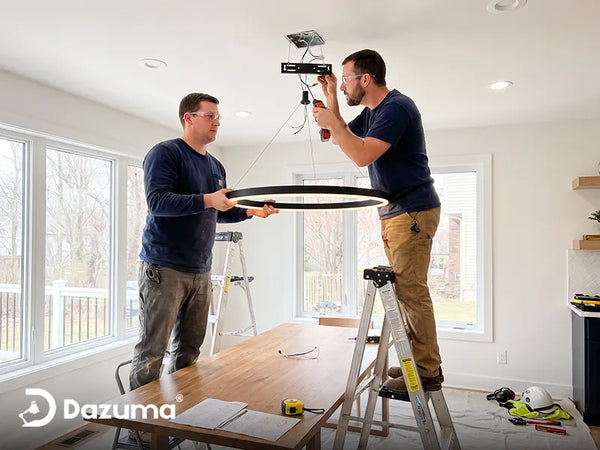
For hardwired fixtures, use a properly located ceiling electrical box and follow local electrical code. If the installation requires new wiring, moving a box, adding a switch, or working inside the ceiling, it is usually a job for a licensed electrician. NFPA notes that AFCIs and GFCIs should be installed by a qualified electrician, which is a good reminder that electrical safety is not just about making the light turn on. It is about the whole circuit and protection method behind the wall.
Switch placement is also a daily-use issue. The best bedside pendant is controlled from bed, not only from the doorway. You can use separate switches on each side, a dual control setup, smart wall controls, or compatible dimmers depending on the fixture and wiring. Be careful with dimming: not every LED pendant is dimmable. If a product page says “Dimmable: No,” do not assume a wall dimmer will make it work. In many cases, using an incompatible dimmer can cause flicker, buzzing, poor performance, or shortened component life.
If the pendant uses a replaceable bulb, check the bulb base, maximum wattage, and shade heat clearance. If it is an integrated LED fixture, check wattage, color temperature, and whether the light source can be replaced later. For a bedroom, warm white light around 2700K to 3000K usually feels calmer than cool white. A higher output may sound useful, but bedside lighting should be comfortable at night, not bright like a bathroom vanity.
Style, Shade Shape, And Light Quality
Style is not only about color or finish. The shade shape decides where the light goes. A cone shade pushes light downward, which can be helpful for reading and nightstand tasks. A globe, ring, or crystal pendant spreads light more decoratively, which can be better for atmosphere. A fabric or drum-inspired shade softens the glow and hides the bulb more easily, which is why Drum Pendant Lighting can be worth considering when the bedroom needs a gentler, more shaded look.
Finish also changes the feeling of the room. Black pendants feel crisp and architectural. Gold or brass finishes feel warmer and more decorative. Crystal details add sparkle, but they should be used carefully in a bedroom so the room still feels restful. If your bedroom already has reflective mirrors, polished hardware, and glossy furniture, a simpler pendant may be easier to live with. If the room is very plain, a small crystal pendant can become the quiet focal point.
For a clean current look, explore Modern Pendant Lights with simple silhouettes, slim cords, and controlled shade shapes. If you prefer a more decorative bedside moment, Crystal Pendant Light styles can add texture and glow without taking up space on the nightstand.

Match The Shade To The Task
A decorative shade creates mood, while a directional shade helps with reading. The right choice depends on whether the pendant is mainly for ambience, task lighting, or both.
A Crystal Bedside Pendant For Soft Decorative Glow
If your bedroom already has good general lighting and you want the bedside pendant to add a softer evening atmosphere, a small crystal ring design can work well. This type of fixture is less about a hard reading beam and more about creating a warm decorative layer beside the bed, especially in a modern bedroom with simple bedding and a clean wall behind the headboard.

Dia 11'' Ring LED Crystal Small Bedside Pendant Lights
Price: $217.99
Best for bedrooms where the bedside pendant should feel decorative, warm, and refined rather than purely task-focused.
- Hand-composed crystal detail gives the bedside area a more decorative glow.
- The 11.8-inch diameter feels noticeable without needing tabletop space.
- Integrated warm LED light suits bedrooms where atmosphere matters more than strong task light.
Common Installation Mistakes To Avoid
The most common mistake is treating bedside pendants as a purely decorative decision. They are beautiful, but they live in one of the most personal parts of the home. You interact with them when you are tired, half-awake, reading, reaching for water, or trying not to disturb another person. A slightly wrong height or switch position can become annoying very quickly.
Another mistake is choosing a fixture only because it looks good in a product photo. Product photos are usually styled in ideal conditions. Your room may have a taller mattress, a lower headboard, deeper nightstands, or a sloped ceiling. Always compare product dimensions with your actual bed wall. Measure the shade diameter, total drop, canopy position, and cord adjustment range.
| Mistake | What Happens | Better Choice |
|---|---|---|
| Hanging too low | The pendant blocks views and feels intrusive. | Mock up the shade height before installation. |
| Using harsh exposed bulbs | The light shines into your eyes at night. | Choose shaded, diffused, or warm light for comfort. |
| Forgetting switch access | You have to get out of bed to turn off the light. | Plan bedside control before wiring. |
| Ignoring dimmer compatibility | Flicker, buzzing, or poor LED performance may occur. | Use only compatible dimmers or skip dimming when not supported. |
Plan For Real Bedtime Habits
Think about how you actually use the bedroom. If you read every night, prioritize downward light and easy switching. If the pendant is mainly for ambience, prioritize warm glow and low glare.

A Cone Pendant For Focused Bedside Light
If you want the pendant to behave more like a bedside task light, a cone-shaped metal shade is often easier to control. It directs light downward toward the nightstand or book area and keeps the bedroom wall visually clean. This can work especially well in modern, Scandinavian, or minimal bedrooms where the fixture should feel simple rather than sparkly.

Modernist Cone Shaped Metal Island Pendant Lights Bedroom Ceiling Lights
Price: $101.99
Best for bedside areas where you want a clean downlight effect, an adjustable cord, and a simple metal shade that does not visually crowd the room.
- Downlight direction helps keep the light focused near the bedside surface.
- Black, blue, pink, and gold finishes give more flexibility for bedroom styling.
- The 9-inch diameter is compact enough for many nightstand areas.
Final Advice Before Installation
Before installing bedside pendant lights, make one simple decision: are these lights for reading, ambience, or both? That answer changes the best shade shape, height, bulb type, and switch strategy. A decorative crystal pendant can make the bedroom feel more polished, while a cone pendant gives more controlled light for practical bedside use. Neither is automatically better. The right one is the fixture that fits your room, your habits, and your wiring plan.
Also remember that bedside pendants are tied closely to furniture placement. Install them only after you know the bed size, headboard width, nightstand height, and final wall layout. If you are still deciding between hanging lights and lamps, the guide Is a ceiling light or bedside lamp better for reading? can help clarify how different light sources behave in real bedrooms.
For most homes, the safest and best-looking result comes from measuring carefully, testing the drop with a temporary mockup, confirming fixture specifications, and hiring a qualified electrician when wiring needs to be added or moved. Once the height and control are right, bedside pendants can make a bedroom feel calmer, cleaner, and more custom than a standard pair of table lamps.

The Best Result Feels Effortless
A well-installed bedside pendant should not feel like a visual obstacle. It should feel natural, comfortable, easy to control, and perfectly related to the bed and nightstand.