
Who This Is For: This guide is for homeowners choosing between a crystal pendant light and glass pendant lights for a kitchen island, dining table, bedroom corner, entryway, or living room accent. If both look beautiful online but you are not sure which one will feel right once it is hanging in your own home, this comparison will help you make the calmer, smarter choice.

Quick Answer
Choose a Crystal Pendant Light if you want the fixture to act like jewelry for the room. Crystal catches light, creates small highlights, and gives dining rooms, foyers, vanity corners, and bedrooms a more polished feeling after sunset.
Choose Glass Pendant Lights if you want something cleaner, easier to blend with changing decor, and more practical for everyday spaces. Glass can be clear, smoked, ribbed, opal, milk white, amber, or tinted, so it can lean modern, farmhouse, industrial, coastal, or quietly traditional without taking over the room.
The simple rule is this: crystal adds sparkle to the light; glass shapes the light. That difference sounds small, but it changes the whole mood of a room. A crystal pendant says, "Look here." A glass pendant says, "Let the room breathe."
The Main Difference Is How The Light Behaves
Many shoppers compare crystal and glass as if one is automatically premium and the other is basic. In real homes, the better question is not "Which material costs more?" but "What does this fixture do to the light, the sightline, and the mood of the room?"
A crystal pendant light usually uses faceted, cut, or textured crystal pieces that bend and scatter light. The result is a more decorative glow, especially when the bulb is warm and the room has nearby reflective surfaces like mirrors, polished stone, glassware, or metal hardware. This is why crystal often feels romantic in a dining room and elegant in an entryway.
Glass pendant lights cover a much wider range of effects. Clear glass keeps the bulb visible and the view open. Smoked glass adds mood. Milk glass softens glare. Ribbed glass adds texture and hides fingerprints a little better than perfectly clear glass. If you are still exploring the wider pendant family, browsing Pendant Lighting by shape first can make the decision easier than starting with material alone.

Glass Keeps Sightlines Open
Glass is usually the easier choice when the pendant hangs near eye level, such as above a kitchen island or breakfast bar. It gives the room a finished look without creating a visual wall between the kitchen and the living area.
Here is the information gain most people miss: crystal needs breathing room. If it is too close to shiny backsplash tile, glossy cabinets, or a mirror, the sparkle can become visual noise. Glass is more forgiving because it usually reads as a clean shape first and a light effect second.
Best Choice By Room
The right answer changes by room because each space asks a pendant light to do something different. A kitchen island needs task comfort and open views. A dining room needs mood. A bedroom needs softness. An entryway needs a clear first impression.
Kitchen Islands: Glass Usually Wins
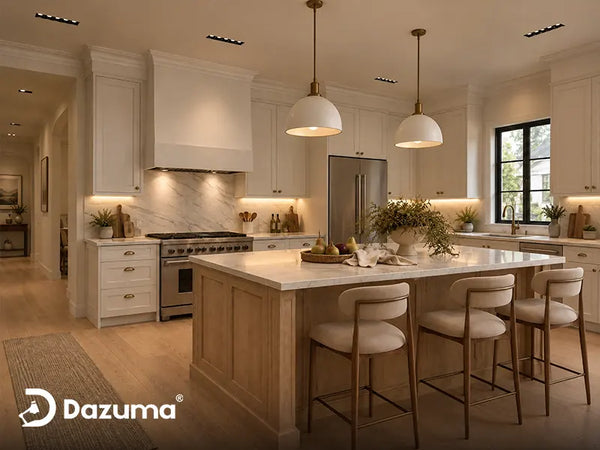
For kitchen islands, glass pendant lights are hard to beat. They pair easily with stone counters, painted cabinets, wood tones, metal hardware, and tile backsplashes. A clear or lightly smoked globe can look decorative while keeping the whole kitchen airy. If your kitchen already has bold marble veining, patterned tile, or strong cabinet color, glass gives the eye a place to rest.
Crystal can still work in a kitchen, but it needs restraint. One small crystal pendant over a coffee bar or butler's pantry can feel special. A row of very sparkly pendants over a busy island can feel crowded. If your main concern is island layout, the guide Should Pendant Lights over Kitchen Islands Be Centered? is a useful companion because placement affects whether the final look feels balanced or fussy.
Dining Rooms: Crystal Has More Emotional Pull
Dining rooms are where crystal pendant lights often shine. A dining table is already a gathering point, so a little sparkle above it can make the room feel warm, intentional, and slightly dressed up. Crystal also works beautifully with glassware, polished flatware, candlelight, and darker evening wall colors.
Glass still works well in dining spaces, especially if you like modern, coastal, Japandi, or industrial rooms. Smoked glass brings depth. Amber glass brings warmth. Milk glass feels soft and classic. But if you want the room to feel a bit more like a finished evening space, crystal has the stronger emotional effect.
Crystal Makes Small Moments Feel More Finished
A crystal pendant does not need to be oversized to feel special. Even a compact fixture above a round dining table can add a gentle shimmer that makes dinner, morning coffee, or a quiet weekend breakfast feel more considered.

Bedrooms And Reading Corners: Choose By Mood
In a bedroom, pendant lighting is rarely only about brightness. It is about how the room feels when the day slows down. Glass pendants beside the bed create a clean, calm look and free up nightstand space. Crystal pendants feel more intimate and decorative, especially near a vanity, reading chair, or pair of bedside drops.
Entryways And Hallways: Think About Ceiling Height
A crystal pendant can make a small entry feel intentional instead of forgotten. That said, narrow hallways and lower ceilings usually need lighter visual weight. A simple glass globe or slim pendant keeps the entry bright without making people feel like they are walking around a fragile centerpiece.
Crystal Vs Glass Pendant Lights: Side-By-Side
| Decision Point | Crystal Pendant Light | Glass Pendant Lights |
|---|---|---|
| Best Look | Elegant, decorative, polished, more noticeable | Clean, open, versatile, casual or refined |
| Light Effect | Sparkle, refraction, tiny highlights, richer shadows | Clear glow, soft diffusion, tint, visible bulb effect |
| Best Rooms | Dining rooms, foyers, bedrooms, vanities, formal corners | Kitchen islands, breakfast nooks, bedrooms, offices, living rooms |
| Cleaning | More detailed dusting around facets and decorative parts | Usually simpler, though clear glass shows fingerprints |
| Long-Term Flexibility | Best when you know you want a dressier focal point | Easier to keep when furniture, paint, or hardware changes |
Two Pendant Lights To Consider
If your room needs an open, everyday pendant, a glass globe is usually the safer first pick. It is especially helpful in kitchens and dining nooks where you want the fixture to look designed without blocking the view across the table or island.
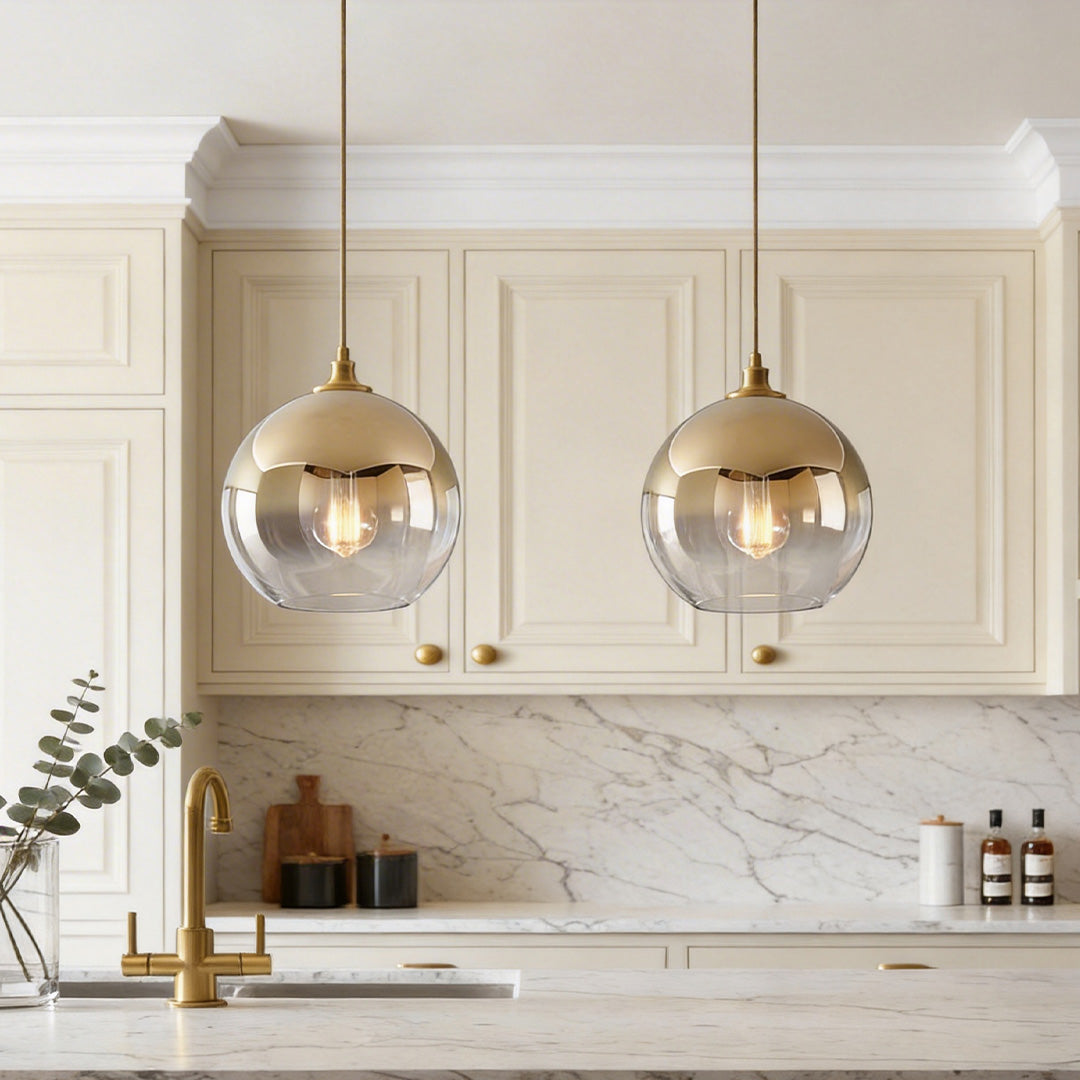
Clean Glass Glow
Glass Round Pendant Light Modern Single-Ball Ceiling Light
Price: $119.99
Best for kitchen islands, dining tables, bedrooms, home offices, and living rooms where you want soft, even indoor light with a simple globe shape.
- High-transparency glass helps the fixture feel light and open.
- Available with or without bulbs, including warm light and 3-color temperature options.
- Works well when you want a modern pendant that will not fight the rest of the room.
A gold modern pendant gives you a different kind of polish. It does not sparkle like crystal, but it can bring the same "finished" feeling through a warmer metal finish and a slimmer, more architectural shape. This is useful when a full crystal pendant feels too formal but plain glass feels too quiet.

Gold Adds Warmth Without Heavy Sparkle
If your home already has brass cabinet pulls, gold mirror frames, or warm wood furniture, a slim gold pendant can connect those details without making the room feel overly ornate.
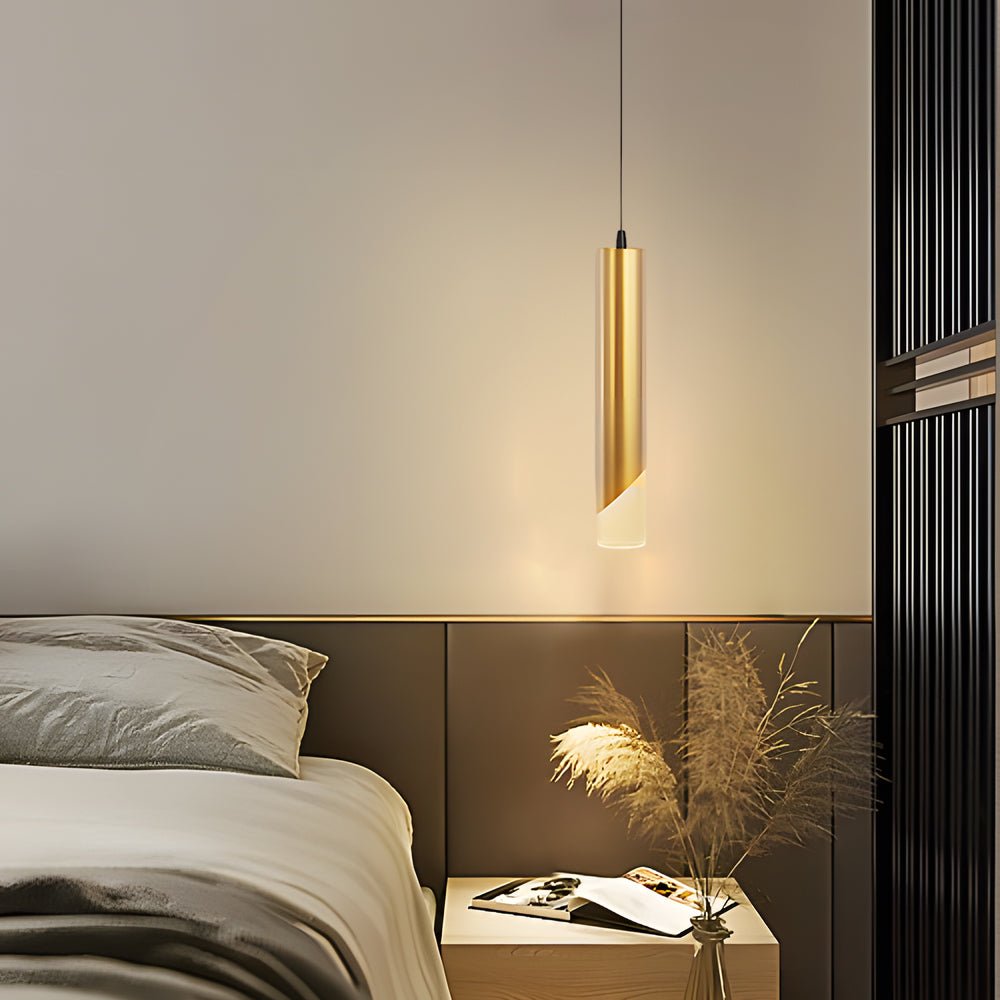
Warm Modern Accent
Hardware Slender Cylinder 3 Step Dimming Gold Modern LED Pendant Lights
Price: $135.99
Best for bedrooms, living rooms, bars, and small accent areas where a slim gold pendant can add warmth without the visual weight of a larger decorative fixture.
- Three-step color temperature switching offers 3000K, 4500K, and 6000K options.
- The slim cylinder shape fits small areas better than a wide shade.
- Gold finish adds warmth when clear glass alone feels too simple.
Size, Height, And Spacing Tips
Material matters, but size is what usually decides whether a pendant looks expensive or awkward. A crystal pendant that is too large can feel heavy. A glass pendant that is too small can disappear. Before you buy, measure the surface below the fixture and think about the room from standing eye level.
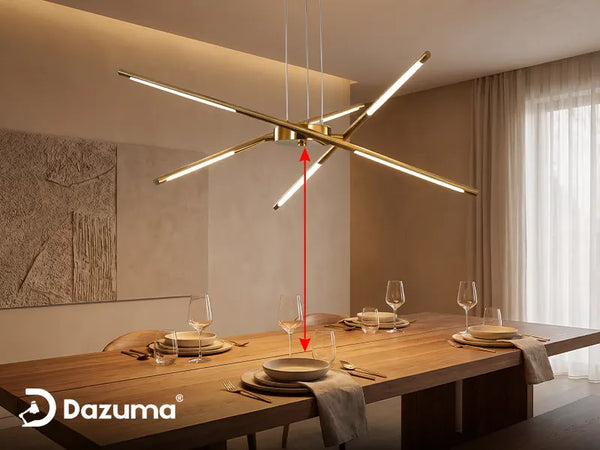
Over a kitchen island, a common starting point is to hang pendants about 30 to 36 inches above the counter, measured from the countertop to the bottom of the fixture. For multiple pendants, leave enough space between shades so the lights feel intentional instead of crowded. For more detailed sizing help, The Golden Rules Of Pendant Lighting: Sizing & Placement is worth reading before you finalize the layout.
Use Visual Weight, Not Just Inches
A clear glass globe can often be slightly larger because you can see through it. A crystal pendant may need to be smaller or spaced farther apart because the sparkle and detail make it feel stronger in the room.

If you are choosing for a kitchen specifically, also compare your pendant material with the room's existing finish story. A clear glass pendant may pair beautifully with a busy backsplash, while a gold or crystal pendant may look better when the surrounding surfaces are calmer. For fixture families that are already organized around cooking and gathering spaces, Kitchen Lighting can help you compare pendants with other ceiling and task lighting options.
Cleaning And Daily Use
Glass pendant lights are usually easier to maintain, but not always invisible. Clear glass shows fingerprints, dust, and cooking film faster than smoked, ribbed, or opal glass. If the pendant hangs near a cooktop, choose a shade shape that is easy to wipe, and avoid overly deep creases unless you enjoy detailed cleaning.
Crystal pendants need more patience. Dust settles on facets and connectors, and each small surface affects the way the fixture sparkles. That does not mean crystal is impractical; it just means it is better in rooms where grease and daily fingerprints are less of a problem. Dining rooms, foyers, bedrooms, and vanity areas are usually friendlier than active cooking zones.

Final Advice: Which Is Better For Your Home?
For most kitchens, breakfast nooks, home offices, and casual living spaces, glass pendant lights are the better everyday choice. They are easier to style, easier to clean, and more forgiving when the room changes over time.
For dining rooms, foyers, bedrooms, vanities, and small corners that need a bit of charm, a crystal pendant light can be the better emotional choice. It gives the room a sense of occasion. It makes the evening light feel warmer and more layered. It helps a space feel decorated, not just illuminated.
If you are still split, look at the rest of the room. Busy surfaces, bold tile, and open sightlines usually point toward glass. Calm backgrounds, soft fabrics, warm metals, and evening-focused spaces usually welcome crystal. The best pendant is not the one that wins on paper. It is the one that makes your room feel like the version of home you actually want to walk into every day.