
Outdoor lighting in hardscape environments—such as concrete driveways, stone pathways, and commercial plazas—requires more than just aesthetic consideration. It demands precision installation, long-term durability, and reliable performance under varying environmental conditions.
Core drilled outdoor lighting has become a preferred method in both residential and commercial projects for achieving these goals. When paired with the right well lights, it allows lighting to integrate seamlessly into architecture, delivering both functional illumination and refined visual impact.

What Is Core Drilled Outdoor Lighting?
Core drilled outdoor lighting refers to the installation method where precise holes are drilled into solid surfaces such as concrete, stone, or pavers to embed lighting fixtures. This technique is most commonly used for well lights (in-ground lights), which are designed to sit flush with the surrounding surface.
Unlike surface-mounted fixtures, core drilled installations provide a cleaner and more professional finish. The lighting becomes part of the structure itself rather than an added element, which is especially important in high-end residential landscapes and commercial environments where visual consistency matters.
Why Well Lights Are Ideal for Core Drilled Installation
Well lights are specifically engineered for recessed applications, making them the natural choice for core drilled installations. Their compact structure allows them to fit precisely into drilled cavities, while their sealed construction ensures protection against moisture, dust, and outdoor exposure.
More importantly, well lights provide controlled illumination from ground level. Whether highlighting architectural elements, guiding pathways, or enhancing landscape features, they deliver light exactly where it is needed without introducing visual clutter. This combination of performance and subtlety is what makes them widely used in professional lighting design.
Key Factors to Consider When Selecting Well Lights
Choosing the right well light is not simply a matter of style—it directly impacts performance, safety, and maintenance over time.
1. Waterproof rating
Waterproof rating is one of the most critical considerations. For outdoor recessed applications, fixtures should meet at least IP67 standards, with IP68 preferred in areas exposed to heavy moisture or pooling water. Without proper sealing, even high-quality fixtures can fail prematurely.
2. Material selection
Material selection also plays a key role. Stainless steel and die-cast aluminum are commonly used for their corrosion resistance and structural strength, particularly in environments exposed to rain, soil, and temperature fluctuations.
3. Load-Bearing Capacity
In commercial or high-traffic areas, load-bearing capacity becomes essential. Fixtures installed in driveways or plazas must withstand foot traffic or even vehicle pressure without deformation.
4. Lighting Performance
Such as beam angle and brightness—should align with the intended application. Narrow beams are ideal for accent lighting, while wider beams provide more general illumination for pathways and open spaces.
Recommended Core Drilled Outdoor Lighting
Selecting the appropriate well light depends heavily on how the space is used. Rather than focusing on individual products alone, it is more effective to match fixture types with real-world applications.
1. Residential Priority
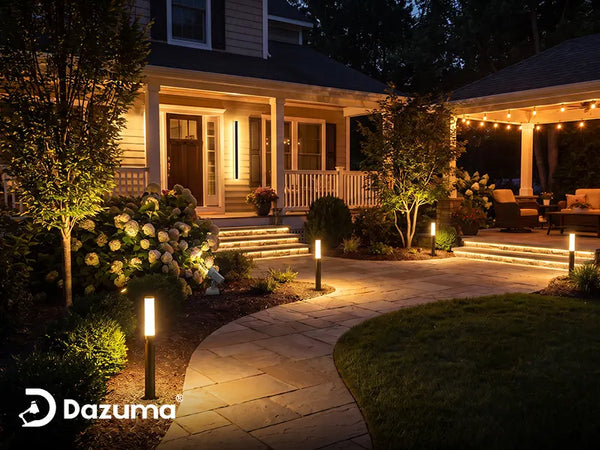
For residential environments such as decks, stairs, and garden steps, compact recessed well lights are the most practical solution. These fixtures are designed to provide low-glare, evenly distributed light, improving visibility while maintaining a soft and comfortable atmosphere.
They are typically low-voltage and energy-efficient, making them suitable for continuous nighttime use. In core drilled installations, their small size allows for precise placement without disrupting surrounding materials.
Best for:
- Decks / stairs
- Garden pathways
- Patio transitions

2. Cost-Efficient Commercial Use
For projects requiring multiple fixtures—such as parks, plazas, or long pathways—multi-pack well lights offer a cost-effective and consistent lighting solution.
These fixtures are usually standardized in size and output, allowing for uniform installation across large areas. Their IP67 waterproof rating ensures reliable performance in outdoor environments, even under temporary water exposure.
Best for:
- Commercial walkways
- Public spaces
- Large residential landscapes

3. Design-Oriented Projects
For projects that emphasize visual identity—such as boutique hotels, gardens, or themed outdoor spaces—patterned well lights provide a more artistic lighting effect.
Instead of simple illumination, these fixtures create light textures and shadow patterns, adding a layer of visual storytelling to the environment. This is especially effective in low-light landscapes where lighting becomes part of the design language.
Best for:
- Landscape feature zones
- Hospitality projects
- Decorative outdoor areas

4. Balanced Performance
For pathways, driveways, and hardscape integration, square or structured well lights provide a balance between durability, beam control, and clean installation.
These fixtures are typically built with stainless steel and designed for flush mounting, making them ideal for core drilled applications in concrete or stone surfaces. Their controlled beam angle ensures effective illumination without excessive glare.
Best for:
- Walkways
- Driveways
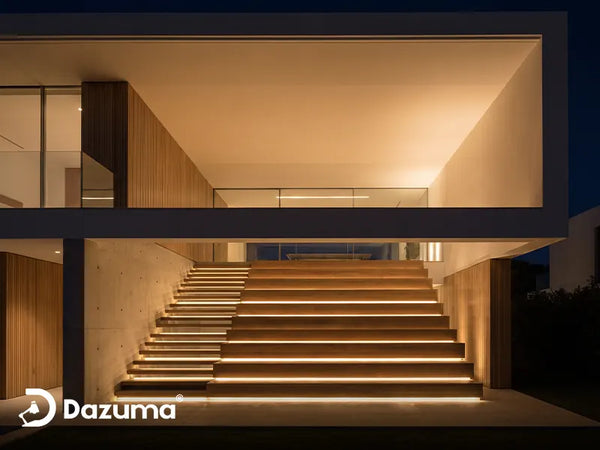
- Architectural lighting

Installation Considerations for Core Drilled Lighting
Even the best fixtures can underperform if installation is not handled correctly. Core drilled lighting requires careful planning and execution to ensure long-term reliability.
- Depth and diameter of the drilled hole must match the fixture specifications precisely. Any misalignment can lead to improper seating, affecting both appearance and waterproof performance.
- Drainage is another critical factor that is often overlooked. Without proper water management, moisture can accumulate around the fixture, increasing the risk of failure over time.
- Sealing is equally important. High-quality sealing materials should be used to prevent water ingress, especially in environments exposed to rain or irrigation systems.
In professional installations, this step is often the difference between a system that lasts for years and one that requires frequent maintenance.
Residential vs Commercial Considerations
While the same installation method may be used, the priorities for residential and commercial projects differ significantly.
Residential applications tend to focus on ambiance and visual comfort. Lighting is used to enhance outdoor living spaces, highlight landscaping, and create a welcoming environment. Flexibility in design and ease of installation are often key considerations.
In contrast, commercial projects prioritize durability, safety, and consistency. Lighting systems must withstand higher usage levels, meet stricter standards, and integrate seamlessly with architectural planning. In these cases, fixture quality and installation precision are critical to ensuring long-term performance and reducing maintenance costs.
Conclusion: Choosing the Right Well Lighting Solution
Core drilled outdoor lighting represents a professional approach to integrating illumination into hardscape environments. When combined with well-selected well lights, it offers a durable, visually clean, and highly effective solution for both residential and commercial applications.
The key lies not only in the fixture itself, but in how well it matches the installation method, environmental conditions, and project requirements. By selecting the appropriate lighting type and ensuring proper installation, it is possible to achieve a system that delivers both performance and longevity.
For projects that demand reliability and precision, choosing well-designed, high-quality well lights is an essential first step toward a successful outcome.