
Who This Is For: This checklist is for hosts getting a spare bedroom ready for holiday visitors, from one overnight guest to relatives sharing the room for several nights. It is especially useful when the room normally serves as an office, storage space, or occasional guest room.
Introduction
A guest room can look welcoming in daylight and still be awkward at night. The visitor enters with a suitcase, reaches for an unfamiliar switch, and later tries to find the bathroom without waking anyone. Those moments reveal whether the lighting works.
Before the holidays, test the room as if you have never stayed there. Light the bed for reading, the floor for movement, and the places guests use to unpack and get dressed. Make the controls obvious and the bright sources comfortable from a pillow. A few small adjustments often help more than buying a dramatic new ceiling fixture.

The Quick Answer: Check the Room From the Guest's Pillow
Provide a clear general light that switches on as the guest enters, a reachable light beside each occupied side of the bed, enough illumination for the closet or suitcase, and a gentle route to the door and bathroom. Then lie on the bed and check whether a bare bulb or ceiling fixture shines into your eyes. If two people share the room, one should be able to read or get up without forcing the other to sit under full brightness.
Warm white light around 2700K to 3000K is a useful starting point for an evening bedroom, but placement and control matter more than a single Kelvin number. A low-output lamp at the far side of the room may feel cozy while leaving a book unreadable. A bright, well-aimed bedside lamp can serve reading without turning the whole room into a work area.
If the room needs a more complete refresh, compare bedroom lighting by the jobs missing in the space: arrival, bedside use, dressing, and movement at night. Choose the functional gap first, then the style that suits the room.
Start at the Door With Your Hands Full
Stand outside the guest room with a suitcase or laundry basket and open the door after sunset. Can you find the main switch immediately without walking into the room? Does that switch illuminate enough floor to reach the bed and set down a bag? A beautiful bedside lamp does little for an arriving visitor if its switch is on the far side of an unfamiliar dark room.
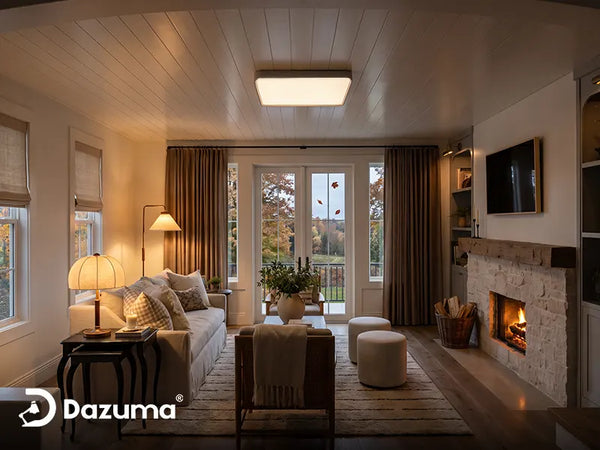
Look beyond the doorway. A ceiling light may reveal the center of the room but leave the closet or an alcove dark. Conversely, a very bright exposed fixture can make the first impression harsh and produce glare when a guest looks up. A diffused flush mount ceiling light can provide a compact general layer, particularly where ceiling height is limited. Confirm the actual fixture's distribution and room scale rather than assuming every flush mount spreads light evenly.
Make the First Switch Predictable
If the entry switch controls an outlet, plug the intended lamp into that outlet and test it; do not leave a guest guessing why the ceiling stays dark. If there are several switches, label their functions discreetly or leave a short, friendly note. A simple instruction such as “Wall switch turns on the entry lamp; each bedside light has its own switch” can prevent a late-night search.
Keep the route from the door to the bed clear. The light should show a suitcase stand, low bench, or furniture corner before anyone bumps into it. Lighting is not a replacement for removing a trip hazard: shift clutter, loose rugs, and cords out of the walking path before visitors arrive.

Try It Without Knowing the Room
Ask someone who does not use the guest room to enter and turn on a light. Watch where they reach first. If the expected switch is hidden behind the door or furniture, move what you can and explain the control clearly.
The objective is not a hotel-style control system. One predictable switch at the threshold and a comfortable route to the bed already make the room easier to use.
Test Each Side of the Bed Separately
Sit on the mattress where a guest will sit, then lie down. Can you reach a switch without standing up or leaning across the other person? Does the light land on a book or phone without exposing the bulb to your eyes? A bedside source should support the activity at the pillow, not merely look symmetrical from the doorway.
If two guests will share the bed, independent controls are especially helpful. Matching lamps can look balanced, but one lamp on a shared wall switch does not let one person read while the other sleeps. Two individually switched sources may be more useful even when their fixtures are modest. Test both sides, including the one squeezed next to a wall or dresser.
A shaded table lamp works when the nightstand has enough stable surface for it, a phone, and a glass of water. In a narrow room, a wall-mounted reading light can free that surface. With wall sconces, check whether the light actually reaches the page; a decorative up-light may illuminate the wall beautifully while leaving the book in shadow. Permanent wiring and mounting should follow the fixture instructions and applicable local requirements.
LED is a light-source technology, not a guarantee of comfortable reading. Bulb output, shade, direction, and the reader's position all matter. The guide to LED table lamps for bedside reading explains how to judge the page rather than the lamp's label.
Reach, Read, and Look Up
First switch the light on from a pillow. Then hold a book where someone would read it. Finally look across the bed. If the page is clear but the other guest sees a bare bulb, adjust the shade or aim. The best position serves both people.
Move a charging cable and a water glass onto the nightstand during the test. A lamp that takes the entire surface may be impractical even when its beam is excellent.

Make the Night Route Visible Without Lighting the Whole Bedroom
Guests may wake up in a room whose furniture they have seen for only a few hours. From the bed, trace the route to the door and on to the bathroom. The floor edge, any step, and the bathroom entrance should be understandable before someone starts walking. A small low-level light may help, but it should not shine directly into sleeping faces or leave the room bright all night.
A motion-activated or plug-in night light can be convenient when the outlet and detection area suit the route. Test it from both sides of the bed and at an ordinary walking pace. It should turn on before the guest reaches a furniture corner, remain on long enough to leave the room, and not be triggered repeatedly by movement in bed. Do not assume the sensor's advertised range predicts performance in a room with furniture blocking its view.
Check the hallway and bathroom too. A guest can see the bedroom door but still face a dark corridor or a bathroom switch hidden beyond the threshold. Coordinate a gentle route across spaces, using the normal controls or a suitable night light. Keep the floor itself clear; the best beam cannot make a suitcase or loose charging cord safe to step over.
Avoid a Bright Point at Pillow Height
With the room otherwise dark, lie down and look toward the night light. A tiny but unshielded LED can be surprisingly distracting. Turn it toward the floor, use a lower setting if offered, or choose a position that lights the route indirectly. The test is whether a guest can see where to place a foot without being kept awake by the source.

Walk It Half Awake
Switch off the main light, wait a moment, then walk from the bed to the bathroom at a natural pace. If you must stop to locate a switch or step around a dark obstacle, change the route or lighting before the visit.
After the walk, return to bed and look back. The route should remain legible without a bright lamp shining into the sleeper's eyes.
Check the Places Guests Unpack, Dress, and Use a Mirror
A guest room often has a closet, dresser, or luggage rack that is rarely used by the homeowner. Set a suitcase where a visitor is likely to put it and open it under the evening lighting. Can you distinguish clothing colors and find a small item in the bag? A central ceiling light may be blocked by an open closet door or by the person standing in front of a dresser.
At the closet, inspect the shelves and hanging rail with the door in its normal open position. If the upper shelf is dark, a brighter ceiling bulb may not help when the door casts the same shadow. A correctly placed supplemental source or a rearranged general light may work better. Do not install a lamp inside a closet without checking fixture suitability and required clearances with a qualified professional.
At the mirror, look at a face from the position a guest will use. A ceiling light directly behind someone can leave facial features in shadow. Gentle light from the front or sides makes the mirror more practical. If the guest bathroom has better mirror lighting, the bedroom mirror may only need enough light for a final outfit check rather than a new permanent fixture.
A visitor should not need to carry a suitcase into the hallway to see inside it or use a phone flashlight to find a sweater. The room can remain restful while giving practical surfaces enough light.
Match the Lighting Job to a Simple Fixture or Control
| Guest Moment | Useful Layer | Test Before Arrival |
|---|---|---|
| Entering with luggage | Diffused general light on an obvious entry switch | Floor, bed, and bag landing spot visible from the door |
| Reading in bed | Reachable bedside lamp or focused wall light | Page lit; bulb hidden from both pillows |
| Getting up at night | Low, shielded route light | Door and bathroom reached without a bright bedroom |
| Unpacking and dressing | General light supplemented at closet or mirror if needed | Open doors and the guest's body do not block the task |
| Two guests resting | Separately controlled bedside sources | One person can switch off without crossing the bed |
The table is a checklist, not a mandate to install five fixtures. One well-placed source may serve more than one job. The main question is whether a visitor can use each part of the room comfortably with the lights and controls actually available.
Check Color, Glare, Cords, and Electrical Basics
A guest bedroom often feels comfortable with warm white light around 2700K to 3000K. Keep adjacent bedside lamps reasonably similar in appearance. If one bulb is a much cooler white, the room can feel visually split, especially with both sources on. Kelvin describes color, not brightness; compare the light that actually reaches a book, face, and floor.
From each pillow, look toward the bedside lamp and ceiling light. Frosted glass or a shade can soften the visible source, but the fixture still needs enough output for its job. A dimmer may help the general light shift from unpacking to bedtime, provided the bulb or integrated LED and control are compatible. Test the lowest setting for flicker or abrupt shutoff before guests arrive.
Inspect lamp bases, shades, plugs, and cords while cleaning. Replace damaged items and use bulbs within each fixture's marked limits. Do not run a cord under a rug or through the walking route, and do not rely on a permanent extension-cord arrangement for a misplaced lamp. If an outlet location makes a safe lamp position impossible, choose another suitable location or consult an electrician about a lasting solution.
Test the room with any holiday décor installed. A garland, tall vase, or stack of wrapped gifts can block the lamp, crowd a hot fixture, or narrow the path from bed to door. Keep decorations and textiles clear of fixtures according to their instructions. A clear night route and reachable switch are more hospitable than an extra decorative glow.
Check the Room With Everything in Place
Make the bed, set down the likely luggage, place a phone charger, and close the curtains. Only then test the lights after sunset. An empty, tidy room can conceal a dark suitcase area or a cord that becomes a trip hazard once the nightstand is used.
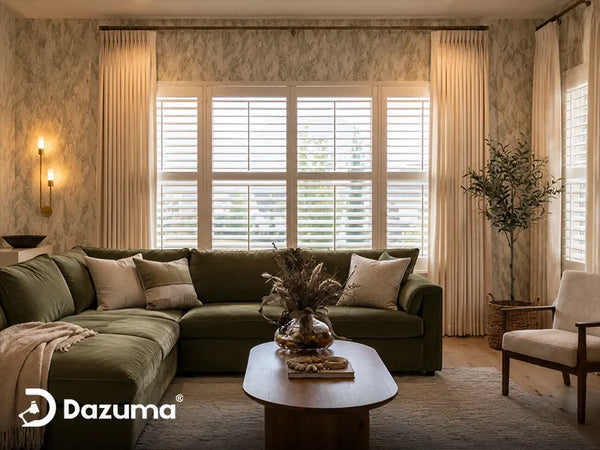
For the overall mood, the guide to cozy ambient lighting at home explains how a low, shaded layer can feel welcoming without replacing useful task light.

The Ten-Minute Guest Test Before Check-In
- Enter after sunset carrying a bag and find the first working light without prior instructions.
- Walk to the bed, set the bag down, and check that the floor and furniture edges are clear.
- Sit and lie on each occupied side of the bed; reach its light and check for exposed bulbs.
- Read a page in the normal position without turning on every fixture in the room.
- Open a suitcase and the closet, then look in the mirror under the normal evening setting.
- Turn off the main light and walk to the bathroom using only the planned night route.
- Return to bed and see whether the route light shines toward either pillow.
- Check cords, plug condition, bulb limits, decorations, and dimmer behavior.
- Leave a brief note about any control a first-time visitor might not understand.
Give the guest the same simple explanation when they arrive. “The wall switch turns on the main light, these lamps work separately, and the bathroom night light comes on automatically” is more helpful than a room that requires trial and error. If a guest has mobility or vision needs, ask what setup helps them navigate comfortably and adjust the room accordingly.
Final Advice
Before holiday visitors arrive, judge the guest room by its first five minutes and its first night. The entry switch should be easy to find, the bedside lights easy to reach, and the route to the bathroom visible without glare. Give the closet, luggage, and mirror a real evening test. Small changes to placement, controls, or shades can make a room feel thoughtfully prepared.
A welcoming room does not need to be bright everywhere. It needs the right light where a visitor will use it, and a simple way to turn that light on and off.