
Have you ever walked into a beautifully furnished room that still felt somehow unwelcoming, flat, or sterile? More often than not, the culprit is poor illumination. As an experienced interior lighting designer, I frequently visit homes where a single, glaring overhead bulb is expected to do all the heavy lifting. This is a critical design mistake. The true secret to achieving a warm, magazine-worthy atmosphere lies in mastering the most fundamental principle of interior illumination: The 3 Lighting Rule, commonly known in the industry as Layered Lighting.
The 3 Lighting Rule dictates that every well-designed room must incorporate three distinct layers of light to achieve visual harmony and maximum functionality. These layers are Ambient Lighting, Task Lighting, and Accent Lighting. By strategically combining these three elements, you eliminate harsh shadows, reduce glare, and create a dynamic, multi-dimensional space that can adapt to any mood or occasion. Whether you are remodeling a cozy bedroom or building a grand living room, understanding how to balance these layers with premium fixtures—like those from our stunning Chandeliers collection—is the ultimate key to elevating your home. Let us break down the exact mechanics of this golden design rule.

Layer 1: The Foundation of Ambient Lighting
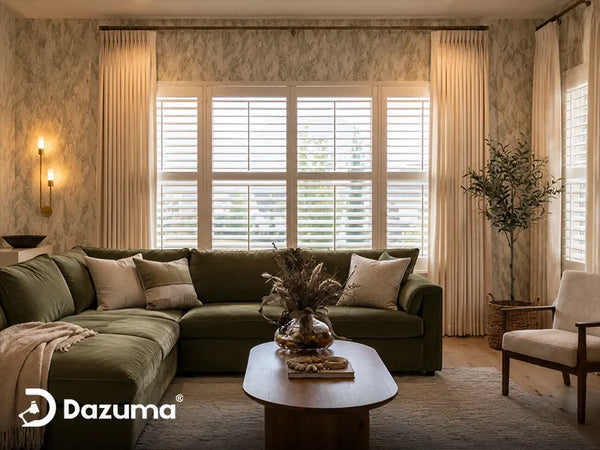
The first step in any professional design schematic is establishing the base layer, known as Ambient Lighting. Also referred to as general lighting, this layer is designed to provide a comfortable, even level of overall visibility without causing glare. Think of Ambient Lighting as a replacement for natural sunlight; it allows you to safely navigate the room, clean, and converse comfortably.
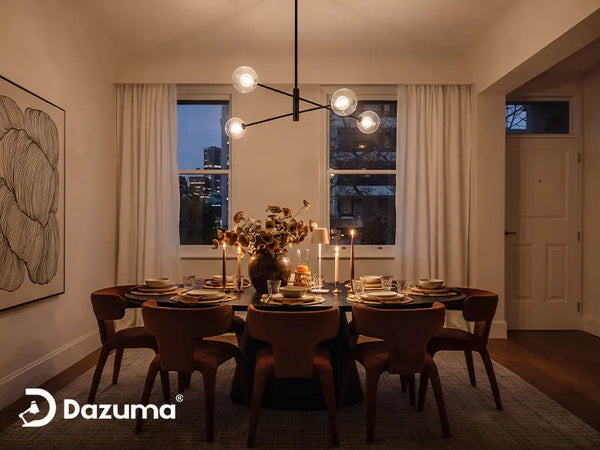
In most American homes, Ambient Lighting is achieved through large, centralized fixtures. Depending on your ceiling height and architectural style, you might install a grand statement piece or opt for subtle, flushed designs from our Ceiling Lights catalog. The goal here is diffusion. You want the light to spread evenly across the floor and bounce off the walls. To maximize versatility, I always recommend putting your Ambient Lighting on a dimmer switch. This allows you to flood the room with bright light during a cloudy afternoon or dial it down to a soft, warm glow for an evening dinner party.
Layer 2: The Focus of Task Lighting
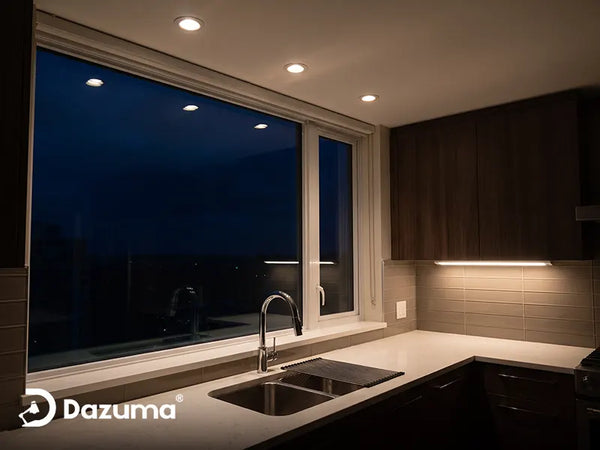
Once the foundation is set, we must address the functional zones of the room. This brings us to the second layer: Task Lighting. As the name suggests, this illumination is highly targeted and intended to help you perform specific activities without straining your eyes. Whether you are chopping vegetables at the kitchen island, reading a novel in bed, or applying makeup at the bathroom vanity, Task Lighting is essential for precision.

The golden rule of Task Lighting is that it must be free of distracting shadows. To achieve this, the light source should be directed down onto the work surface and placed between the person and the task. For example, relying on a central ceiling light while standing at a kitchen counter will cause your body to cast a dark shadow exactly where your knife is working.
This is why we drop pendant fixtures directly over islands or utilize highly adjustable Ceiling Spotlights above home office desks. A proper task fixture provides a concentrated beam of high-lumen output, ensuring absolute clarity and safety for your daily routines.
Layer 3: The Drama of Accent Lighting
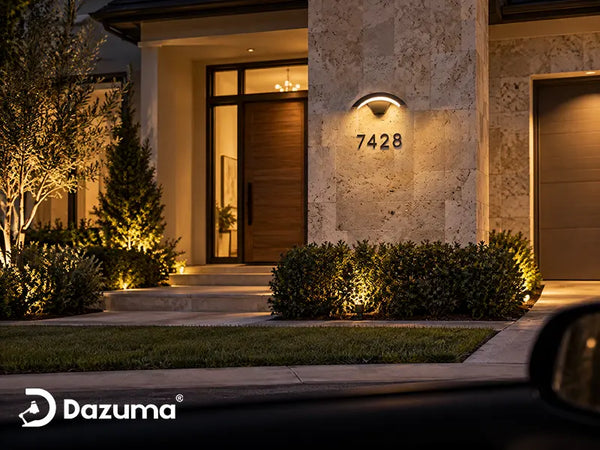
The final and most transformative layer is Accent Lighting. If Ambient Lighting is the canvas and Task Lighting is the functional subject, Accent Lighting is the vivid splash of color that brings the painting to life. This layer is purely decorative; it is used to create visual interest, build drama, and highlight the architectural details or precious belongings within your home.
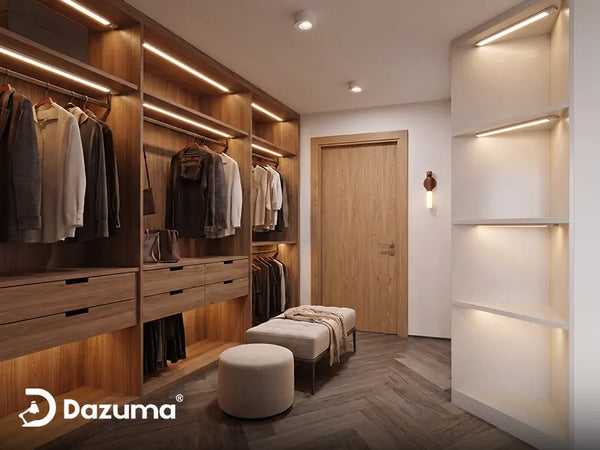
A well-executed Accent Lighting scheme draws the eye exactly where you want it to go. Designers use this layer to illuminate textured brick fireplaces, showcase expensive artwork, or highlight the beautiful styling of a built-in bookshelf. As a general rule, Accent Lighting should be approximately three times brighter than the surrounding Ambient Lighting to effectively create contrast.
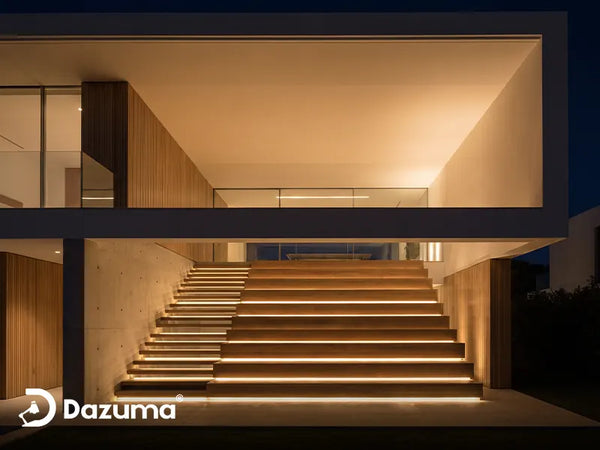
To achieve this dramatic effect without cluttering the room, professionals heavily rely on specialized fixtures like those in our Wall Wash Lighting collection. By placing these directional fixtures close to the wall, you can bathe a vertical surface in a smooth, elegant glow, instantly making the room feel larger, richer, and decidedly high-end.

Technical Guide: Mastering The 3 Layers
Understanding the theory is excellent, but executing it requires technical precision. Selecting the wrong lumen output for a specific layer will throw off the balance of the entire room. Below is our professional reference guide detailing how to properly scale the brightness and select the right fixtures for each of the three layers:
| Lighting Layer | Primary Purpose | Recommended Output | Ideal Fixture Types |
|---|---|---|---|
| 1. Ambient Lighting | Overall room illumination, safe navigation. | 20-30 Lumens per square foot. | Chandeliers, Flush Mounts, Recessed Ceiling Lights. |
| 2. Task Lighting | Focused light for reading, cooking, or working. | 50-75 Lumens per square foot. | Pendant Lights, Desk Lamps, Under-Cabinet Lights. |
| 3. Accent Lighting | Highlighting art, architecture, and creating mood. | 3 times brighter than Ambient layer. | Wall Washers, Picture Lights, Track Spotlights. |
The Visual Grouping "Rule of Three"
It is worth noting that while "The 3 Lighting Rule" primarily refers to layering, interior designers also use a secondary visual "Rule of Three" regarding fixture placement. In design psychology, items arranged in odd numbers are perceived as more visually appealing, balanced, and memorable than even-numbered groupings.
This is why you will almost always see three identical pendant lights suspended over a standard-sized kitchen island, or a cluster of three hanging glass globes in a corner vignette. This odd-number arrangement creates a natural rhythm—a beginning, a middle, and an end—that anchors the space beautifully without looking overly rigid or uniform.
Transform Your Home with Layered Lighting
Do not let a beautiful room fall flat because of single-source lighting. By embracing The 3 Lighting Rule and thoughtfully combining Ambient, Task, and Accent fixtures, you can craft a home that feels warm, luxurious, and expertly designed. Ready to start building your layers?
Explore Our Complete Lighting Collections