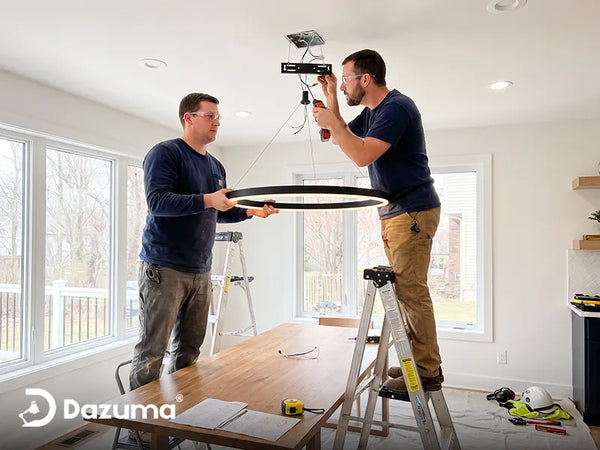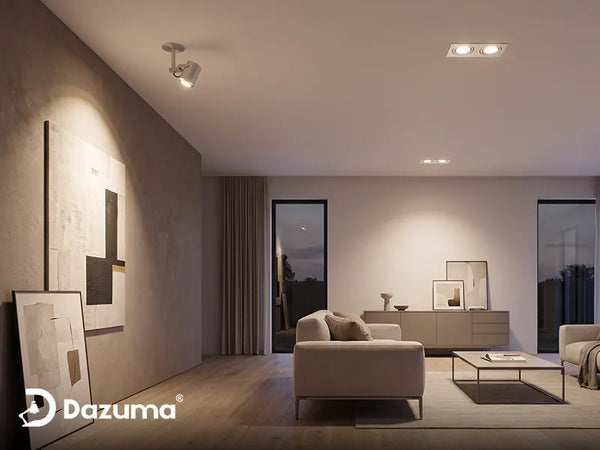

Replacing a light fixture is one of the easiest ways to refresh a home’s style, improve lighting performance, and increase overall comfort. Whether you are updating an outdated chandelier, installing modern sconces, or swapping old ceiling lights for energy-efficient LEDs, many homeowners ask the same question: how much to replace a light fixture?
In the United States, the average cost to replace a light fixture typically ranges from $120 to $650, depending on the fixture type, ceiling height, electrical complexity, and labor rates in your area. Simple installations may cost less, while premium decorative fixtures or rewiring projects can increase the final price significantly.
Average Cost to Replace a Light Fixture
The total replacement cost usually includes the price of the fixture itself and the electrician’s labor fee. Decorative lighting pieces often require more installation time, especially if ceiling reinforcement or wiring upgrades are needed.
| Fixture Type | Average Installation Cost | Typical Difficulty |
|---|---|---|
| Flush Mount Ceiling Light | $120–$250 | Easy |
| Pendant Light | $180–$450 | Moderate |
| Wall Sconce | $150–$350 | Moderate |
| Large Chandelier | $350–$1,200+ | Complex |
| Outdoor Light Fixture | $150–$500 | Moderate |

Labor is usually the biggest factor when replacing a fixture. Most licensed electricians charge between $50 and $150 per hour, with a standard light replacement taking one to three hours depending on accessibility and wiring conditions. Homes with older electrical systems may require junction box updates, grounding improvements, or additional safety work before installation can begin.
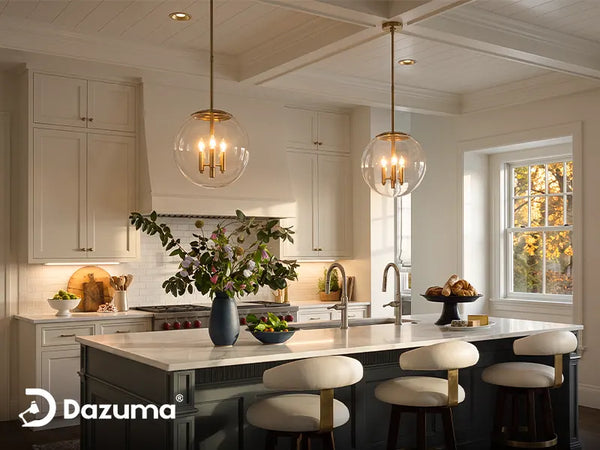
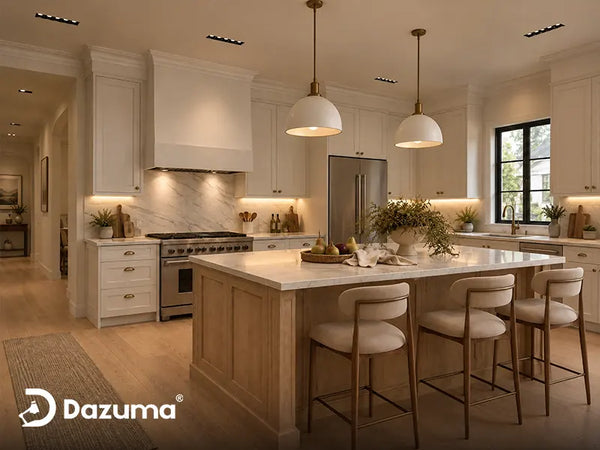
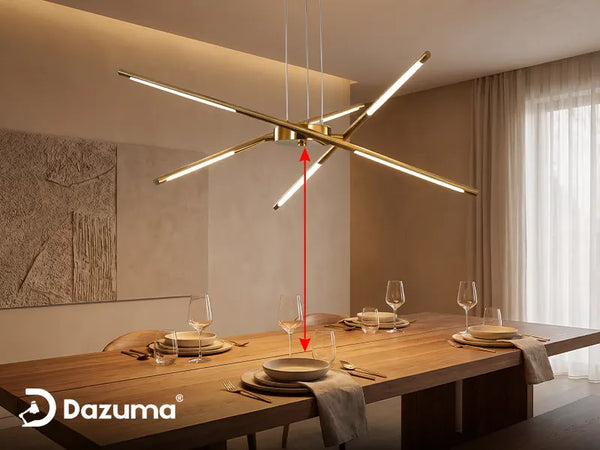
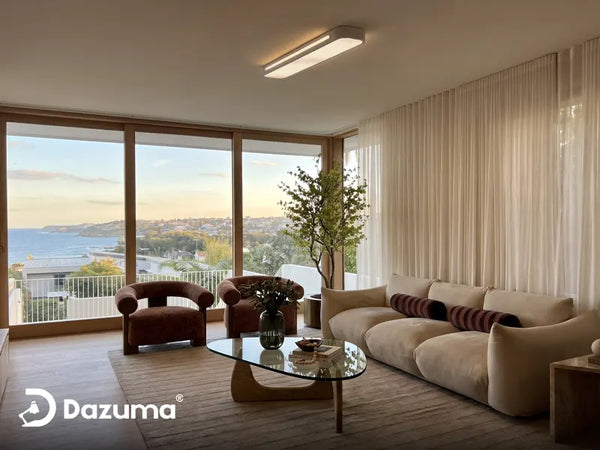
If you are upgrading your home’s interior lighting, stylish options like modern chandeliers or pendant lighting can instantly elevate the atmosphere while improving brightness distribution.
Factors That Affect Light Fixture Replacement Cost
Several important factors influence the final installation price. Understanding these variables helps homeowners budget more accurately before hiring an electrician.
1. Fixture Size and Weight
Lightweight flush mounts are quick and inexpensive to install. However, heavy chandeliers or oversized fixtures often require reinforced ceiling boxes and additional labor. Multi-tier chandeliers installed over staircases or vaulted ceilings are among the most expensive projects.
2. Ceiling Height
Standard 8-foot ceilings are relatively easy to work with. Tall entryways, stairwells, and vaulted ceilings may require scaffolding or specialized ladders, increasing labor costs significantly.
3. Existing Wiring Condition
Older homes sometimes contain outdated aluminum wiring, missing grounding wires, or overloaded electrical boxes. Electricians may recommend rewiring portions of the circuit for safety compliance.
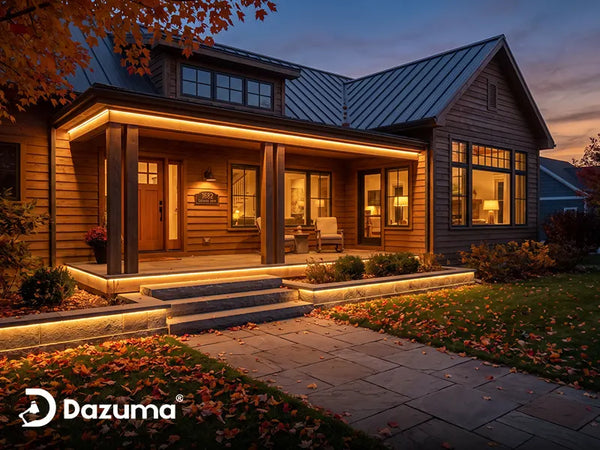
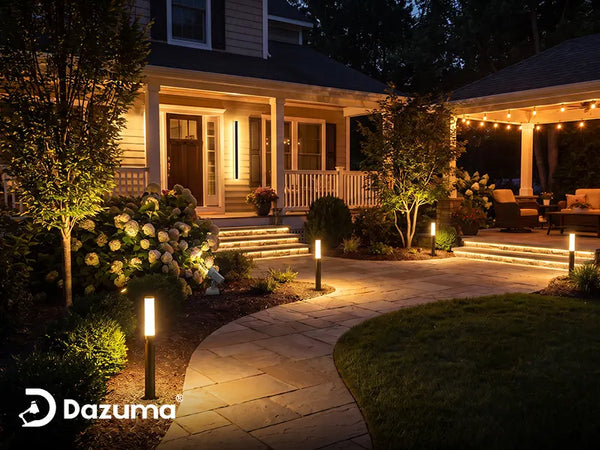
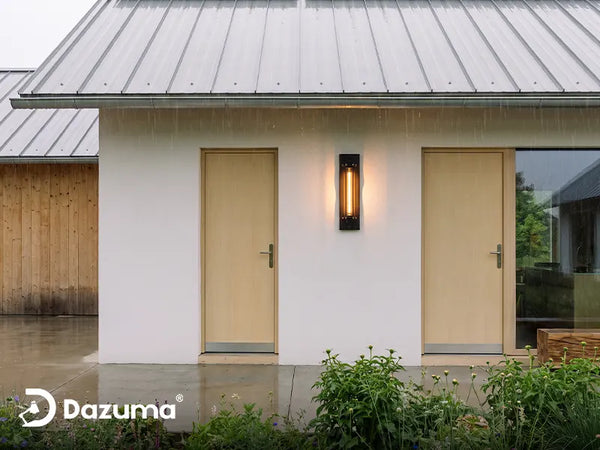
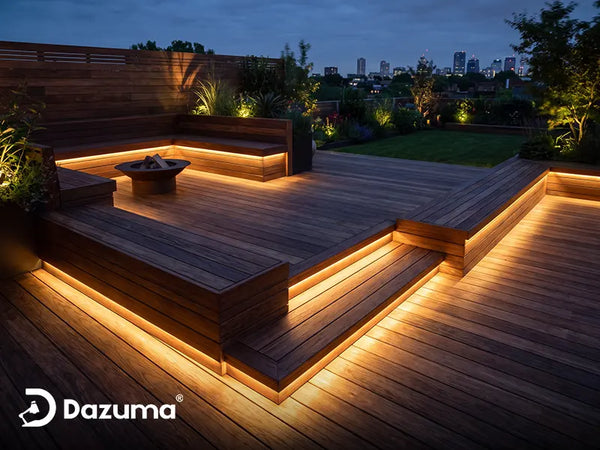
Outdoor lighting projects can also require weatherproof electrical boxes and waterproof wiring connections. For exterior upgrades, many homeowners choose durable outdoor wall lights or decorative landscape lighting to improve both security and curb appeal.
Smart lighting integration may also add to installation costs. Fixtures compatible with dimmers, Wi-Fi systems, or voice assistants often require additional setup and configuration time.

DIY vs Professional Light Fixture Replacement
Many homeowners wonder whether they should replace a fixture themselves or hire a licensed electrician. While simple fixture swaps may appear straightforward, electrical work always carries safety risks.
| DIY Installation | Professional Installation |
|---|---|
| Lower upfront cost | Proper code compliance |
| Suitable for simple swaps | Safer for complex wiring |
| May void warranties if done incorrectly | Usually includes labor warranty |
| Limited for heavy fixtures | Handles structural reinforcement |
For lightweight bedroom or hallway fixtures, experienced DIY homeowners may complete the project safely after shutting off power at the breaker panel. However, complicated installations involving high ceilings, new switches, or electrical upgrades should always be handled by a professional electrician.

How to Save Money on Light Fixture Replacement
There are several practical ways to reduce installation costs without sacrificing quality or style:
- Replace multiple fixtures during one electrician visit to lower labor costs.
- Reuse existing wiring locations whenever possible.
- Choose LED fixtures to reduce long-term energy consumption.
- Select lightweight fixtures that do not require structural reinforcement.
- Purchase high-quality fixtures that offer better durability and fewer maintenance issues.
Energy-efficient LED fixtures also help lower electricity bills over time. According to the U.S. Department of Energy, LEDs use significantly less energy than traditional incandescent bulbs while lasting much longer.
Is Replacing a Light Fixture Worth It?
Absolutely. Replacing outdated fixtures is one of the fastest ways to modernize a home while improving comfort, functionality, and resale value. Updated lighting enhances interior design, creates better task illumination, and improves overall ambiance throughout the home.
Whether you are renovating a single room or upgrading an entire property, investing in quality lighting can make a dramatic visual difference. Elegant wall sconces, statement chandeliers, and modern outdoor fixtures all contribute to a more polished and inviting environment.
At Dazuma, we offer a carefully curated collection of stylish indoor and outdoor lighting designed to fit both modern and classic homes.