
Who This Is For: This guide is for homeowners whose outdoor lights flicker after rain, collect moisture, trip a breaker, or rust around the base. Whether you are maintaining porch lights, fixing backyard fixtures, or planning new outdoor lighting, the goal is to keep water away from electrical parts without making the project unnecessarily complicated.
Introduction
Keeping an outdoor light dry rarely depends on one bead of caulk. Good protection combines a suitable fixture, flat mounting surface, intact gaskets, protected connections, and open drainage paths.
First determine whether the moisture comes from direct rain, irrigation, roof runoff, condensation, or water trapped behind the mounting plate. Once the source is clear, the repair is usually straightforward.

Quick Answer: How Rain Gets Into Outdoor Lights
Rainwater commonly enters through the top seam of a fixture, gaps behind the wall plate, a loose glass cover, a damaged gasket, or an opening near the wiring. The cause may also be wind-driven rain, sprinkler spray, roof runoff, power washing, or condensation created by rapid temperature changes.
To reduce water entry, use a fixture rated for the actual exposure, install it against a flat and properly prepared surface, seat the lens and gasket correctly, protect electrical connections inside an approved box, and keep manufacturer-designed drain or weep openings clear. If you see water near wiring, flickering after rain, or repeated breaker trips, switch off the circuit at the breaker and have the installation inspected before using the light again.
Outdoor fixtures are not simply indoor lights with a tougher finish. A light under a deep porch roof faces different moisture than one on an uncovered wall or garden column. A fixture can perform well in one location and fail in another if its rating does not match the exposure.
Start With the Fixture Rating and Location
Before reaching for sealant, confirm that the fixture belongs in its location. Many leak problems begin with a mismatch between the light and the amount or direction of moisture it receives.
A damp-location-rated fixture is generally intended for covered areas with humidity or occasional moisture. A wet-location-rated fixture is designed for direct rain, splashing, or similar exposure. Check the label and instructions rather than assuming every “outdoor” light handles the same conditions.

Covered Does Not Always Mean Dry
A covered porch can still receive wind-driven rain. A patio ceiling can stay humid after a storm, and a shallow eave may offer less protection than it appears to. Match the fixture rating to the worst moisture the location is likely to receive, not only to normal light rain.
For an exposed entry, garage wall, or patio wall, begin with fixtures intended for Outdoor Wall Lighting. If the light will hang beneath a porch or roof, review both the rating and the amount of side exposure before selecting from Outdoor Hanging Lights. The style matters, but the location rating determines whether the fixture can safely handle its environment.
The Common Places Water Sneaks In
Droplets inside the glass are the visible symptom. The useful question is where the moisture entered or why it could not escape. Check these areas on a dry day with the circuit turned off.
1. The Top Edge of the Back Plate
Rain can run down siding, brick, stone, or stucco and slip behind a wall light. The plate may look tight from the front while small gaps remain behind its upper edge.
2. The Glass Shade or Lens
Outdoor fixtures often use removable lenses, clips, or threaded caps. Over time, screws loosen and gaskets flatten, crack, or shift. Sideways rain can then enter and collect at the bottom of the shade.
3. The Wire Entry and Electrical Box
Water can reach the wiring area when the fixture canopy does not sit flat, the box is not suitable for the location, or the opening behind the light is not properly protected. Moisture near electrical connections is not a cosmetic problem. Turn off the power and call a licensed electrician if the box is wet, corroded, damaged, or unfamiliar.
4. Sprinklers, Hoses, and Pressure Washing
Rain is often blamed for water that actually comes from irrigation or cleaning. A sprinkler aimed at the wall can force water upward or sideways into seams. A pressure washer can be even more aggressive and should not be directed at fixtures, electrical boxes, or exterior connections.
Side Spray Can Be Harder on a Fixture
A light may handle ordinary downward rainfall but struggle when water is pushed into it from below or from the side. Check the direction of sprinkler heads and hose spray before assuming the fixture itself is defective.

5. Condensation That Cannot Escape
Brief fogging can appear when humid air meets a cooler lens. Repeated droplets or standing water may indicate a failed seal, blocked drain, trapped humidity, or unsuitable fixture.
Seal the Right Areas Without Trapping Water Inside
Sealing every visible gap sounds sensible, but some outdoor fixtures rely on drain or weep openings. Blocking them can trap moisture, slow drying, and accelerate corrosion. The correct repair keeps unwanted water out while preserving the paths designed to let incidental moisture escape.

Follow the Fixture Instructions
For many wall lights, the top and sides of the back plate are sealed while the bottom remains open for drainage. This is not a universal rule. Follow the manufacturer’s instructions and never cover a labeled drain hole, vent, or weep opening.
Use a sealant approved for exterior use and compatible with the wall and fixture materials. The surface should be clean and fully dry. If the old bead is cracked, loose, or moldy, placing new sealant over it rarely creates a lasting repair. Remove failed material carefully, prepare the surface, and apply a neat new bead only where the instructions allow.
Also inspect the gasket rather than using caulk as a substitute for every failed component. A hardened, torn, or missing lens gasket should normally be replaced with the correct part. Overtightening screws can distort a gasket or crack a glass lens, creating a new leak while trying to fix the old one.
Think Like Rainwater
Watch the area during or immediately after a storm from a safe location. Notice where water travels down the wall, where it drips from the roof, and where it pools beneath the fixture. This often reveals a sprinkler, gutter, siding, or drainage problem that is easy to miss on a dry day.
Installation Details That Prevent Future Leaks
If a fixture repeatedly collects water, the installation may be the underlying problem. Lap siding, rough brick, stone veneer, textured stucco, and warped trim can keep a back plate from sitting evenly.
Use an Electrical Box Suitable for the Location
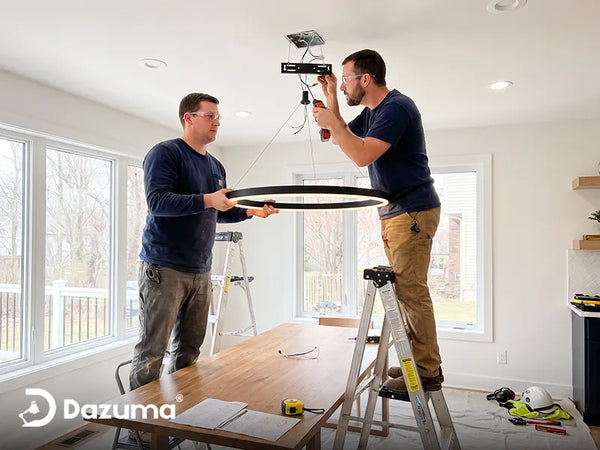
The fixture should attach to an electrical box and mounting system appropriate for the outdoor location, not directly to loose siding or decorative trim. The box, entry points, and connections must remain protected from moisture. Requirements for weatherproof equipment and GFCI protection depend on the circuit, location, and local electrical code, so an electrician should verify anything that is unclear.
Create a Flat Mounting Surface
On vinyl siding, a compatible mounting block can give the back plate a flat surface. Brick, stone, and stucco may need a properly prepared mounting area. A plate that is tight on one side but open on the other gives wind-driven rain a direct path behind the fixture.
Route Water Away From the Light
Sometimes the light is only where the problem becomes visible. A missing gutter end cap, damaged flashing, leaking downspout, roof valley, or balcony drain may send concentrated water over the fixture. Correct that water path before replacing the light, or the same problem is likely to return.
When several exterior fixtures are being installed or moved, it helps to plan the full layout instead of treating each point separately. The guide to outdoor lighting types and installation explains how location and fixture type work together across entries, patios, paths, and landscape areas.
Rain Problem Diagnosis Table
Use the following table to narrow down the likely cause. It does not replace an electrical inspection, but it can help you describe the symptom accurately and avoid fixing the wrong area.
| What You Notice | Likely Cause | Practical Next Step |
|---|---|---|
| Foggy glass after rain | Weak lens seal, condensation, or trapped moisture | Turn off power, let the fixture dry, inspect the gasket, and clear approved drain openings. |
| Water line at the bottom of the shade | Water is entering but cannot drain | Look for a blocked weep hole, failed lens seal, or incorrectly sealed lower edge. |
| Breaker or GFCI trips during storms | Possible moisture near wiring or a ground fault | Leave the circuit off and call a licensed electrician before using the light again. |
| Rust around screws or the base | Standing water, failed finish, or unsuitable hardware | Correct the water path and have damaged components evaluated for replacement. |
| Only one fixture has a problem | Local wind exposure, irrigation, runoff, or an uneven mounting surface | Compare that location with the dry fixtures and inspect the differences. |
Different Outdoor Lights, Different Water Problems
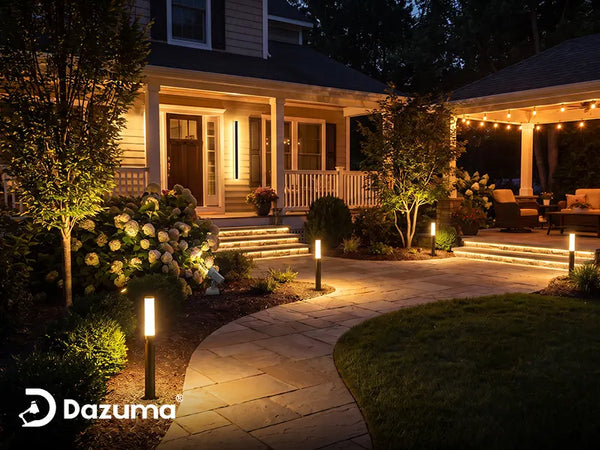
A front-door wall light, covered ceiling fixture, hanging lantern, post light, and ground-level landscape light do not face water in the same way. The prevention method should follow the direction and duration of exposure.
Outdoor Wall Lights
Wall lights commonly leak around the back plate, upper seam, or lens. Siding shape also matters. If the fixture sits crooked or rocks against the wall, correct the mounting surface instead of relying on a thick ring of sealant.
Outdoor Ceiling and Hanging Lights
Covered fixtures may avoid direct rain from above but still face humidity, insects, condensation, and wind-blown moisture. In a breezeway or covered porch, use Outdoor Ceiling Lights intended for exterior conditions rather than treating the location like an indoor hallway.
Post and Column Lights
Water can enter at the fixture head, glass panels, cap, or base. Check whether the post itself holds water and whether the wiring entry remains protected. A sealed-looking top does not help if water collects inside the post below.
Landscape and Ground-Level Lights
These fixtures face splashback, soil moisture, mulch, irrigation, and puddles. Keep drainage areas clear and avoid burying the fixture deeper than its instructions allow. Even a well-rated light will struggle if water stands around it after every storm.

Simple Maintenance Before Storm Season
A short dry-weather inspection can prevent many moisture problems. Turn off power before opening or touching electrical components.
- Check that glass covers, fixture caps, and accessible screws are secure.
- Look for cracked or separated sealant around wall plates and mounting blocks.
- Inspect visible gaskets for flattening, tears, brittleness, or displacement.
- Clear leaves, mulch, dirt, and insect nests from approved drain paths.
- Redirect sprinkler heads away from fixtures and electrical boxes.
- Look for rust, green corrosion, mineral marks, or water stains.
- Check gutters, downspouts, roof edges, and balcony drainage above the light.
- Replace damaged components rather than covering them with more sealant.
If a light has begun flickering, failing, or tripping protection after storms, the issue has moved beyond cosmetic maintenance. The guide to outdoor lighting troubleshooting can help separate common lamp and control problems from symptoms that call for an electrician.
What Not to Do When Water Gets Inside a Light
- Do not open a wet fixture while the power is on.
- Do not repeatedly reset a breaker or GFCI that trips during rain.
- Do not seal every opening without identifying designed drainage or ventilation.
- Do not direct a pressure washer or strong hose stream at an outdoor light.
- Do not install an indoor-only fixture outside, even under a roof.
- Do not assume that dried condensation means a recurring moisture problem is solved.
A heavy bead of caulk can trap water and hide the real entry point. A clean repair begins with exposure, rating, mounting, gaskets, drainage, and the water path.
Final Advice Before You Replace Everything
If rainwater is entering an outdoor light, begin with the simple causes: a gap along the upper back plate, a shifted gasket, a sprinkler aimed at the lens, a blocked drain, or runoff from above. Correcting the source is more effective than repeatedly drying the fixture or replacing bulbs.
For a simple porch light, the solution may be cleaning and resealing the mounting area according to the instructions. If the light trips a breaker, flickers after rain, shows corrosion near the wiring, or holds standing water, stop using it until a licensed electrician evaluates it. Outdoor lighting should make an entry, patio, or garden feel safe and welcoming, not create anxiety whenever the forecast calls for rain.
Frequently Asked Questions
How do I stop rain from getting into an outdoor light fixture?
Check whether the fixture is rated for its exposure, then inspect the mounting plate, lens gasket, wire entry, and drainage openings. Seal only the areas allowed by the manufacturer, and do not block designed weep holes.
Should I caulk all the way around an outdoor wall light?
Not automatically. Many wall lights are sealed along the top and sides while the bottom remains open for drainage, but installation requirements vary. Follow the instructions for the specific fixture.
Is condensation inside an outdoor light normal?
Brief, light fogging may occur with temperature changes. Repeated droplets, heavy fogging, or standing water usually indicates a seal, drainage, placement, or rating problem.
Can rain make outdoor lights trip a breaker?
Yes. Moisture near wiring can cause a ground fault or other electrical problem. Leave the circuit off and have the installation inspected before using the light again.
Can I use an indoor light outside under a porch roof?
Only if the fixture is specifically listed for the damp or wet conditions present there. A covered porch can still expose a light to humidity, condensation, and wind-driven rain.
Why does only one outdoor light fill with water?
That location may receive more wind-driven rain, sprinkler spray, roof runoff, or moisture behind an uneven mounting plate. Compare its exposure and installation with nearby fixtures that stay dry.
When should I call an electrician?
Call an electrician if a breaker or GFCI trips, the light flickers after rain, the electrical box is wet, corrosion is close to wiring, or you are not certain how the fixture is connected.