
Who This Is For
This guide is for homeowners, landscape designers, builders, and property managers choosing outdoor fixtures for patios, porches, driveways, garden walls, fence posts, pillars, and entry columns. It is especially useful if you are comparing Integrated LED Outdoor Fixtures with Replaceable Bulb Outdoor Fixtures and want a practical answer before buying. If you care about long-term maintenance, wet-weather durability, light quality, energy use, and the real cost of ownership, this guide will help you make a cleaner decision.
Introduction
Outdoor lighting is no longer just a decorative detail. It affects curb appeal, safety, wayfinding, nighttime comfort, energy consumption, and how polished a home feels after sunset. One of the most important choices buyers face today is whether to choose an Integrated LED Fixture or a Replaceable Bulb Fixture. Both can work beautifully outside, but they serve different priorities.
An Integrated LED Outdoor Fixture has the LED light engine built into the fixture body. A Replaceable Bulb Outdoor Fixture uses a socket, such as E26 or E27, so the bulb can be removed and replaced. That sounds simple, but the real difference shows up over time: maintenance, repair options, brightness flexibility, weather sealing, and design longevity.
For many modern outdoor applications, Integrated LED Fixtures are efficient, clean-looking, and low-maintenance. For traditional homes, rental properties, or anyone who wants future flexibility, Replaceable Bulb Fixtures can be a smarter long-term choice. The best answer depends on where the fixture is installed, how exposed it is, how often you want to maintain it, and whether you prefer set-and-forget performance or easy bulb changes.

Quick Answer: Which Should You Choose?
Choose Integrated LED Outdoor Fixtures if you want a streamlined fixture with efficient performance, fewer parts to replace, and a sealed design that can work well for modern outdoor lighting. They are ideal for contemporary pillar lights, solar lights, bollard lights, step lights, wall washers, and low-profile fixtures where the light source is part of the design.
Choose Replaceable Bulb Outdoor Fixtures if you want long-term flexibility. You can change the bulb, adjust brightness, try different color temperatures, replace a failed bulb without replacing the whole fixture, and keep the same fixture body for years. This is especially helpful for lanterns, classic post lights, sconces, porch lights, and decorative outdoor fixtures where style may outlast the bulb technology.
For most homeowners, the smartest strategy is mixed: use Integrated LED Fixtures in modern, sealed, solar, or architectural applications, and use Replaceable Bulb Fixtures where you want easy serviceability, traditional styling, or control over bulb output. Dazuma's Outdoor Lighting collection includes both approaches, so the better choice depends on the project rather than a one-size-fits-all rule.
What Integrated LED Means
An Integrated LED Fixture contains a built-in LED module instead of a removable bulb. The LEDs, driver, optics, heat sink, and fixture housing are designed as a system. This gives designers more freedom to create thinner profiles, hidden light sources, modern silhouettes, and sealed lighting chambers.
The major advantage is efficiency. Because the light source is designed specifically for the fixture, the beam can be controlled more precisely. Integrated LEDs often waste less light inside the housing and can create a cleaner glow. In outdoor applications, that can mean a softer wall wash, a more even path light, or a sleeker post-mounted fixture.
The tradeoff is serviceability. If the LED module or driver fails after years of use, the repair may require a replacement module from the manufacturer or replacement of the full fixture. That is not always a problem, especially for affordable fixtures or hard-to-access sealed designs, but it matters for buyers who want to keep a fixture body for a very long time.

Why Integrated LED Works Well Outdoors
Integrated LED designs are popular in outdoor spaces because the light source can be protected inside a more weather-conscious housing. For solar fixtures, the system can combine the solar panel, battery, sensor, and LED module into one coordinated design. For architectural fixtures, integrated LEDs also help create compact shapes that would be difficult with a standard bulb socket.
What Replaceable Bulb Means
A Replaceable Bulb Fixture uses a socket that accepts a removable bulb. In the United States, many residential fixtures use E26 bulbs, while some products use E27, a very similar screw-base standard common in many international fixtures. The practical benefit is straightforward: when the bulb fails or your needs change, you replace the bulb instead of replacing the whole fixture.
This matters because outdoor lighting needs can evolve. You may start with a soft 3000K warm white bulb and later prefer a lower-wattage option. You may want brighter bulbs after landscaping matures. You may decide to use smart bulbs, dusk-to-dawn bulbs, or lower-lumen bulbs for a more neighbor-friendly look. A socketed fixture gives you that flexibility.
The tradeoff is that bulb-based fixtures require more attention to bulb compatibility, socket rating, fixture ventilation, and weather protection. You should choose bulbs rated for damp or wet locations when needed, avoid exceeding the fixture's maximum wattage, and make sure the bulb physically fits inside the shade or lantern body.
Integrated LED Vs Replaceable Bulb Comparison
| Factor | Integrated LED Outdoor Fixtures | Replaceable Bulb Outdoor Fixtures |
|---|---|---|
| Maintenance | Low day-to-day maintenance; no bulb changes during normal use. | Bulbs can be replaced, but you must maintain compatible bulbs. |
| Design Flexibility | Excellent for slim, sealed, modern, and architectural designs. | Excellent for lanterns, traditional fixtures, and decorative shades. |
| Brightness Flexibility | Usually fixed by the built-in module and driver. | Easy to adjust by changing bulb lumens and color temperature. |
| Repairability | May require module, driver, or fixture replacement if it fails. | Often solved by replacing the bulb. |
| Weather Sealing | Can be highly sealed because the LED is built in. | Depends on shade design, socket protection, and bulb rating. |
| Best For | Modern posts, solar fixtures, bollards, wall washers, and low-profile lights. | Porch lanterns, wall sconces, post lights, and classic outdoor fixtures. |
Outdoor Performance: Weather, Heat, And Maintenance
For exposed locations, check the IP rating. IP54 generally offers basic protection against dust and splashing water, making it more appropriate for semi-covered or moderately exposed areas. IP65 provides stronger dust and water-jet resistance, making it a better fit for more exposed outdoor posts, garden columns, and open-air installations. A higher IP rating is not the only sign of quality, but it is a useful clue when comparing fixtures for rain-prone or sprinkler-exposed areas.
| IP Rating | Practical Meaning | Typical Outdoor Use |
|---|---|---|
| IP44 | Protected from splashing water and small objects. | Covered porches, sheltered patios, protected walls. |
| IP54 | Improved dust protection and splash resistance. | Garden fences, semi-outdoor pillars, covered entries. |
| IP65 | Dust-tight and protected from water jets. | Open posts, driveway columns, exposed landscape areas. |
Weather Exposure Should Guide The Light Source
If a fixture sits under a deep porch roof, either Integrated LED or Replaceable Bulb can work well. If the fixture is on a fully exposed gate column, fence post, or garden pillar, the housing, gasket, shade material, and IP rating become more important. In those areas, sealed Integrated LED designs or well-built dual-use fixtures can reduce maintenance and improve reliability.
For exposed entry columns, explore Pillar Lights and post-mounted options that match both the architecture and the weather conditions.

Lighting Quality: Lumens, Color Temperature, And Beam Control
Light quality determines whether an exterior feels welcoming or harsh. For most residential outdoor spaces, 2700K to 3000K creates the most comfortable warm white effect, while cooler light should be used carefully for task or security areas.
Integrated LED Fixtures usually come with a set color temperature and lumen output. That is helpful when the manufacturer has tuned the fixture properly. Replaceable Bulb Fixtures allow more experimentation. If the light is too bright, you can step down in lumens. If the color feels too cold, you can switch to 2700K or 3000K. If you want automation, you can use compatible smart or dusk-to-dawn bulbs.
| Outdoor Area | Suggested Lumens Per Fixture | Recommended Color Temperature |
|---|---|---|
| Entry Porch | 400-800 lumens | 2700K-3000K |
| Driveway Pillar | 200-600 lumens | 3000K |
| Pathway Or Garden | 100-300 lumens | 2700K-3000K |
| Security Zone | 700-1300 lumens | 3000K-4000K |
Cost Of Ownership
The cheapest fixture is not always the least expensive fixture. Think in terms of total cost of ownership: purchase price, installation labor, electricity, bulb replacement, troubleshooting, and possible fixture replacement. Integrated LED Fixtures can cost more upfront, but they may save time because you are not replacing bulbs. Replaceable Bulb Fixtures can be easier to service, but they may require higher-quality bulbs to avoid frequent failures.
A simple way to compare energy use is:
Annual Energy Cost = Fixture Watts × Daily Hours × 365 ÷ 1000 × Electricity Rate
For example, a 10W LED fixture used 8 hours per night consumes about 29.2 kWh per year. At $0.20 per kWh, that is about $5.84 per year. Outdoor lighting is usually not the biggest energy load in a home, but efficient LEDs still matter when you have many fixtures across a driveway, garden, patio, and perimeter wall.
The bigger cost difference is often maintenance. If a fixture is installed on a tall column or across a large property, not having to change bulbs can be valuable. If a fixture is mounted at eye level beside a porch door, replacing a bulb is easy, and a socketed design may be more practical.

Recommended Outdoor Fixtures
These two pillar lights show how outdoor fixtures can balance built-in LED convenience, traditional styling, and long-term installation flexibility. Each card below uses a cleaner product-card layout with price, key specs, and a clear product link.
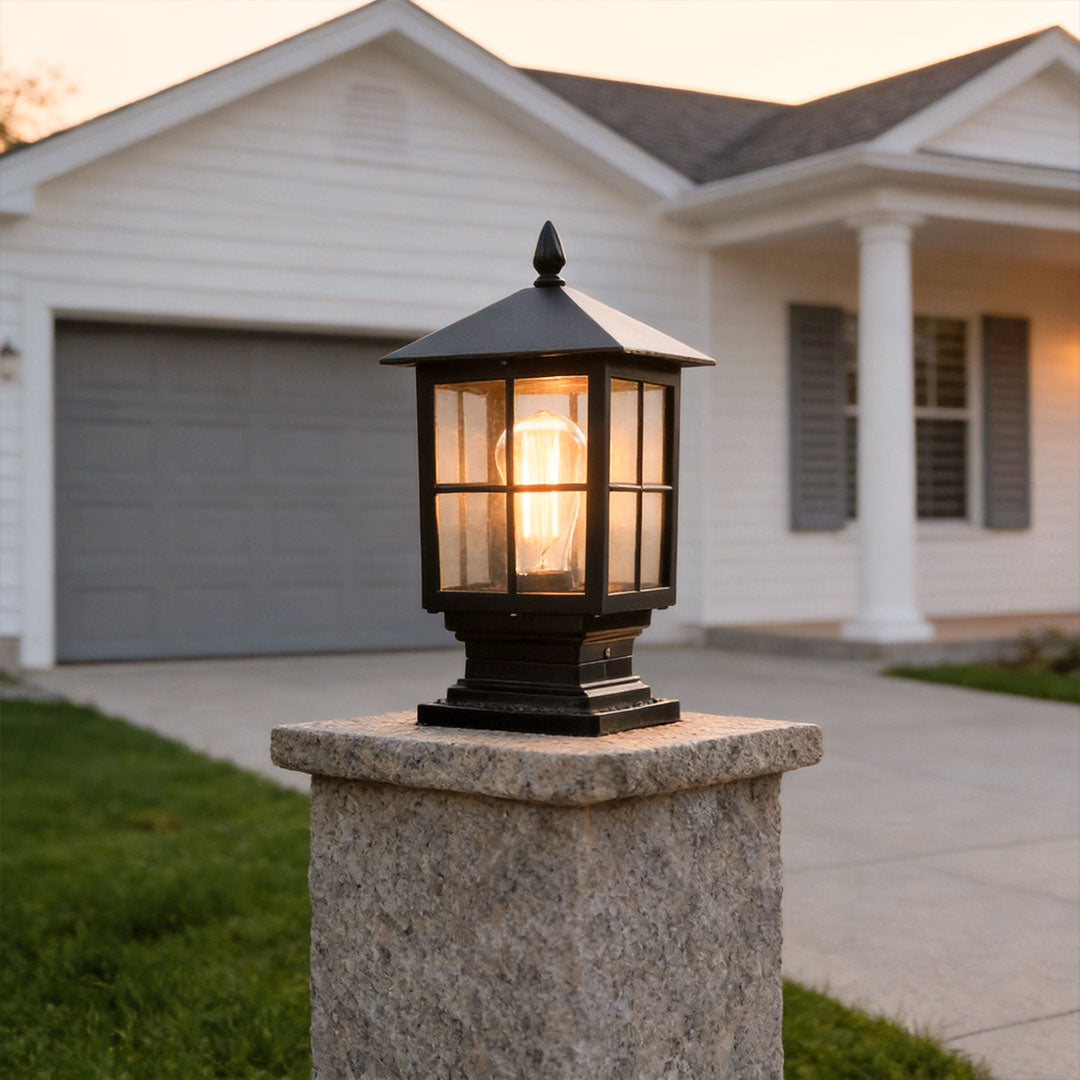
Stone Light Pillar Traditional Black Waterproof LED Light
Best For: Traditional courtyard posts, garden door pillars, fence columns, and classic outdoor entryways.
| Price | $176.99 |
| Material | Aluminum Alloy + Glass |
| Power Supply | Solar / Hardwired |
| Bulb Base | E27 In Hardwired Mode |
| IP Rating | IP65 |
| Size | 7.28'' W x 7.28'' D x 13.98'' H |
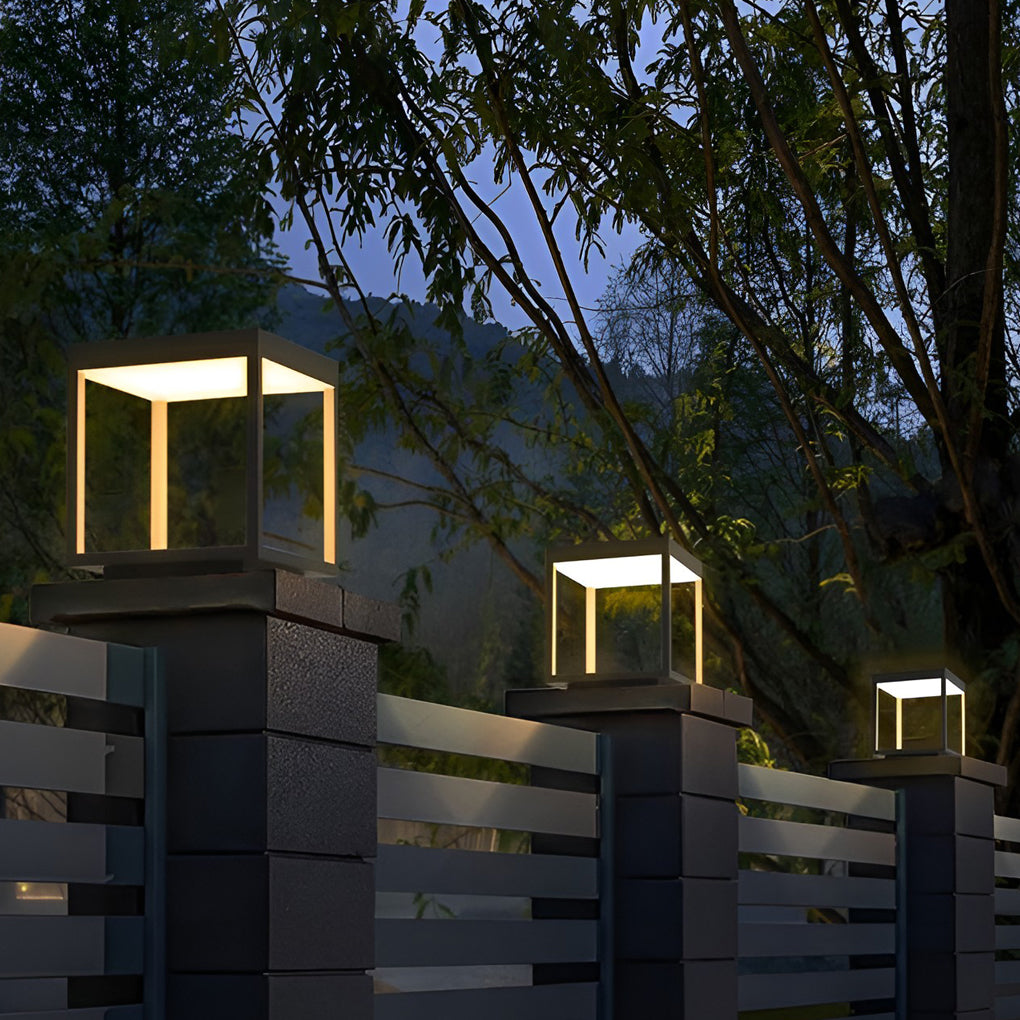
Concrete Pillar Lights Modern Open-Frame Square LED Light
Best For: Modern driveway posts, garden fences, semi-outdoor docks, patios, and minimalist entry columns.
| Price | $319.99 |
| Material | Stainless Steel + Acrylic |
| Power Supply | Solar / Hardwired |
| Color Temperature | 3000K Warm White |
| IP Rating | IP54 |
| Size Options | 9.84'', 11.81'', And 15.75'' Square Width Options |
Best Use Cases By Area
Front Porch And Entry Door
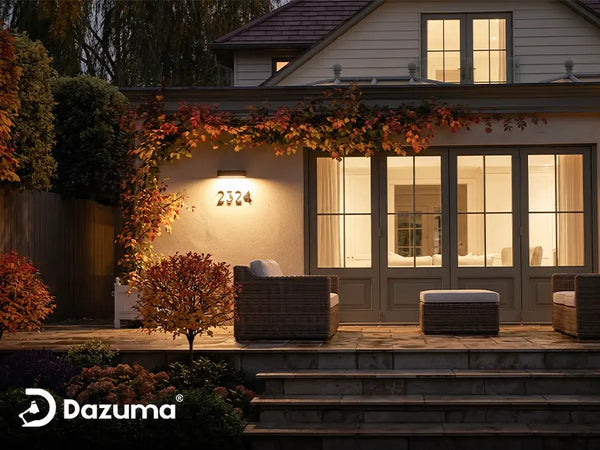
For a front porch, Replaceable Bulb Fixtures are often the safer choice if the fixture is easy to reach. You can fine-tune the brightness, use a warmer bulb, or install smart bulbs for scheduling. Traditional lantern-style Outdoor Wall Lighting also tends to look more timeless with a socketed bulb inside a glass shade.
Driveway Pillars And Gate Columns
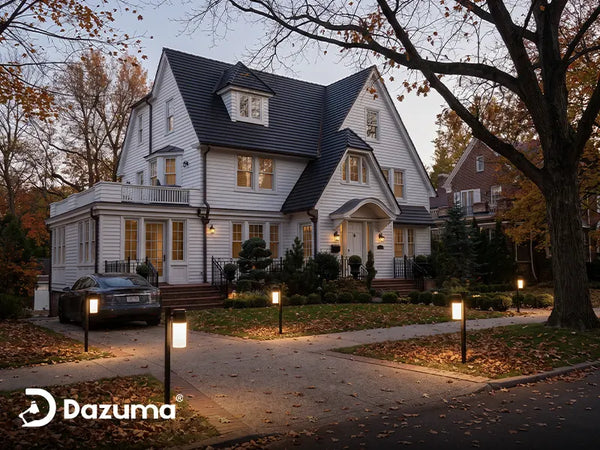
For driveway pillars, either option can work. Integrated LED designs create a clean modern look and reduce bulb maintenance. Replaceable Bulb designs offer flexibility if you want to adjust brightness after installation. If the fixture is exposed to rain, sprinklers, and wind, prioritize construction and IP rating. For classic columns, a dual-use pillar light with E27 compatibility in hardwired mode can be a smart compromise.
Garden Paths And Landscape Edges
Integrated LEDs are excellent for path lights because compact design, low wattage, and consistent output matter more than bulb swapping. For a cohesive landscape plan, consider combining Path Lights with post or pillar fixtures at entrances and transitions.
Modern Patios And Outdoor Rooms
For modern patios, Integrated LED Fixtures often look cleaner. They can create soft indirect light, geometric forms, and concealed illumination. Replaceable bulbs are still useful for outdoor dining pendants, lanterns, and sconces where ambiance changes by season or event.

A Layered Outdoor Lighting Plan Usually Uses Both
The strongest exterior lighting plans rarely depend on one fixture type. A balanced plan may use Integrated LED path lights for low-maintenance wayfinding, Replaceable Bulb wall lanterns near the front door, and solar or hardwired pillar lights at driveway posts. This layered approach improves safety without making the property feel overlit.
For broader exterior planning, compare fixture families in Lamp Post and related outdoor post lighting collections.
A Simple Decision Framework
Use this quick framework before you buy:
Choose Integrated LED If:
- You want a modern, minimal, or architectural look.
- The fixture is difficult to access for bulb changes.
- You prefer low routine maintenance.
- The fixture is solar-powered or designed as a sealed system.
- You are comfortable with the built-in color temperature and brightness.
Choose Replaceable Bulb If:
- You want to adjust brightness or color temperature later.
- You like traditional lantern, sconce, or post-light styling.
- You want easier long-term serviceability.
- You may use smart bulbs, dusk-to-dawn bulbs, or decorative filament LEDs.
- The fixture is easy to reach for maintenance.
Choose A Dual-Use Fixture If:
A dual-use fixture can be ideal when you want both convenience and flexibility. Solar mode may be useful for lower-effort installation or energy-saving operation, while hardwired mode can provide more dependable power and, in some designs, compatibility with a replaceable bulb. This is especially useful for homeowners who are upgrading outdoor columns but still deciding whether long-term hardwiring is worth it.
Final Verdict
There is no universal winner between Integrated LED and Replaceable Bulb Outdoor Fixtures. Integrated LED is the better choice when you want a clean modern profile, efficient built-in performance, solar integration, and lower routine maintenance. Replaceable Bulb is the better choice when you want control, serviceability, and long-term flexibility. For many American homes, the best outdoor lighting plan uses both.
If you are lighting a modern gate, garden wall, or driveway column, start with integrated or dual-use pillar fixtures. If you are updating a porch, entry wall, or classic facade, consider a socketed lantern or sconce that lets you choose the perfect bulb. The goal is not simply to buy a fixture; it is to create outdoor lighting that looks good, performs reliably, and stays easy to live with.
Ready to refine your exterior lighting plan? Browse Dazuma's curated collections for Outdoor Lighting, Pillar Lights, and Outdoor Wall Lighting to find fixtures that match your home, installation needs, and maintenance expectations.