
Who This Is For: This guide is for homeowners who are planning a kitchen update and feel stuck between two pendant lights or three pendant lights over the island. Maybe you have saved a dozen inspiration photos, but your own island has a sink, stools, cabinets, or an open view into the living room that makes the decision feel less obvious.

Quick Answer: Should You Use Two Or Three Pendant Lights Over A Kitchen Island?
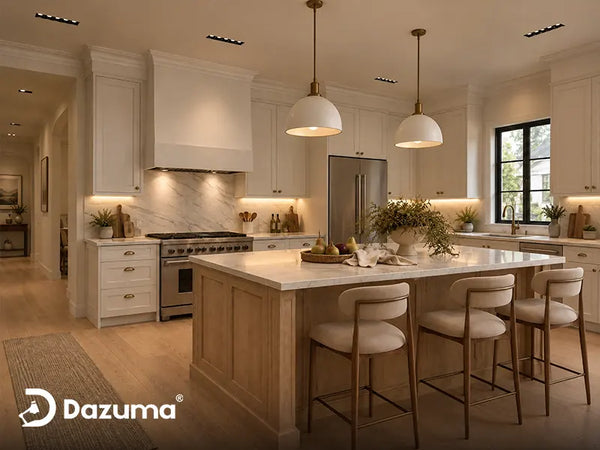
Use two pendant lights when your island is shorter, your pendants are medium to large, your ceiling is lower, or you want a cleaner, calmer look. Use three pendant lights when your island is longer, your pendants are narrow or mini-sized, and you want more even rhythm across the countertop.
In many U.S. kitchens, the most common starting point is simple: a 5 to 6 foot island often looks better with two pendants, while a 7 to 9 foot island often has enough visual length for three. But that is only a starting point. A pair of oversized glass globes can feel perfect over a 7 foot island, while three slim mini pendants can look balanced over the same space. The fixture size matters as much as the island size.
Here is the human version: if your kitchen already feels busy, choose two. If the island feels long and empty, consider three. If the lights block your view from the sink to the living room, go fewer or smaller. Comfort comes before the photo.
Why This Decision Feels Hard In Real Kitchens
The two-versus-three question looks simple online, but it gets messy in an actual kitchen. Your island may have a sink, cooktop, waterfall edge, overhang seating, uneven ceiling joists, or recessed lights already nearby. Those details change what “centered” means.
A homeowner may look at a showroom image and think, “Three pendants look more complete.” Then the electrician comes in and asks where each box should go. Suddenly the decision becomes permanent. That is where people get nervous. Nobody wants to spend money on wiring, patching, and fixtures only to realize the lights feel crowded, too sparse, or slightly off every time they walk into the room.
Another real problem is that pendant lights are not just decoration. They sit in your sightline. They hang over a work surface. They can create glare if the bulb is exposed, shadow if the shade is too opaque, or clutter if there are too many small pieces competing with cabinet hardware, stools, and range hood details. This is why I always tell homeowners to plan Pendant Lighting as part of the room, not as an isolated object.

Start With How You Use The Island
If your island is mainly for prep work, even light matters. If it is mostly for seating, comfort and glare control matter more. If it is the first thing you see from the front door or living room, proportion becomes just as important as brightness.
The Designer Rule I Use First
Before choosing two or three pendant lights, I usually ask three questions: How long is the island? How wide is each pendant? And what else is already happening above the island?
A good pendant layout should leave breathing room at both ends of the island. It should not make the countertop feel chopped into tiny sections. It should also keep the view open enough that someone sitting at the island can talk to someone across the room without feeling like a light fixture is hanging between their faces.
For most kitchens, I begin by leaving roughly 12 to 18 inches from each end of the island to the center of the outside pendant. Then I look at the remaining space. If two pendants leave the middle looking empty, three may be better. If three pendants make the spacing feel tight, two will usually look more intentional.
This is also where fixture style matters. Slim pendants repeat more easily. A sculptural shade, chunky lantern, or large glass globe needs more air. If you are still choosing the style, browsing Kitchen Lighting by room can help you see how pendants, ceiling lights, and under-cabinet lighting work together.
Two Vs. Three Pendant Lights: Practical Comparison
Use this table as a first-pass guide. It will not replace measuring your island, but it can help you avoid the most common layout regrets.
| Question | Two Pendants Usually Work Better When... | Three Pendants Usually Work Better When... |
|---|---|---|
| Island length | The island is about 5 to 7 feet long. | The island is about 7 to 10 feet long. |
| Pendant size | The fixtures are medium or wide and need visual breathing room. | The fixtures are slim, mini, or visually light. |
| Room feeling | You want a simple, open, less busy kitchen. | The island feels long, blank, or under-defined. |
| Sightlines | The island faces a living room, windows, or TV area. | The ceiling feels tall and the fixtures will not crowd the view. |
| Budget and wiring | You want fewer electrical boxes, fewer fixtures, and easier placement. | You are already rewiring and want a more rhythmic designer look. |
When Three Pendant Lights Work Better
Three pendant lights can look beautiful when the island has enough length to support repetition. The effect is rhythmic, finished, and balanced. It can make a long island feel more intentional instead of like a plain slab with one bright spot in the middle.
Three also helps when you are using small or narrow pendants. A single mini pendant can look lonely over a wide surface, but three can create a clean line of light without feeling heavy. This is especially helpful in long kitchens where the island is the main visual anchor between the cabinets and the living space.
The risk is crowding. Three pendants that are too wide can make the island feel like a row of hanging obstacles. If your pendants have a strong shape, dark finish, exposed bulbs, or wide shades, make a quick paper template of the diameter and tape it to the counter. It sounds low-tech, but it is one of the fastest ways to understand whether the layout feels graceful or packed.
A Slim Option When Three Lights Feel Right
If your island is long enough for three fixtures but you are worried about visual clutter, a compact pendant can make the layout feel lighter. The goal is not to fill every inch above the island. The goal is to create a clean rhythm while keeping the kitchen easy to live in.
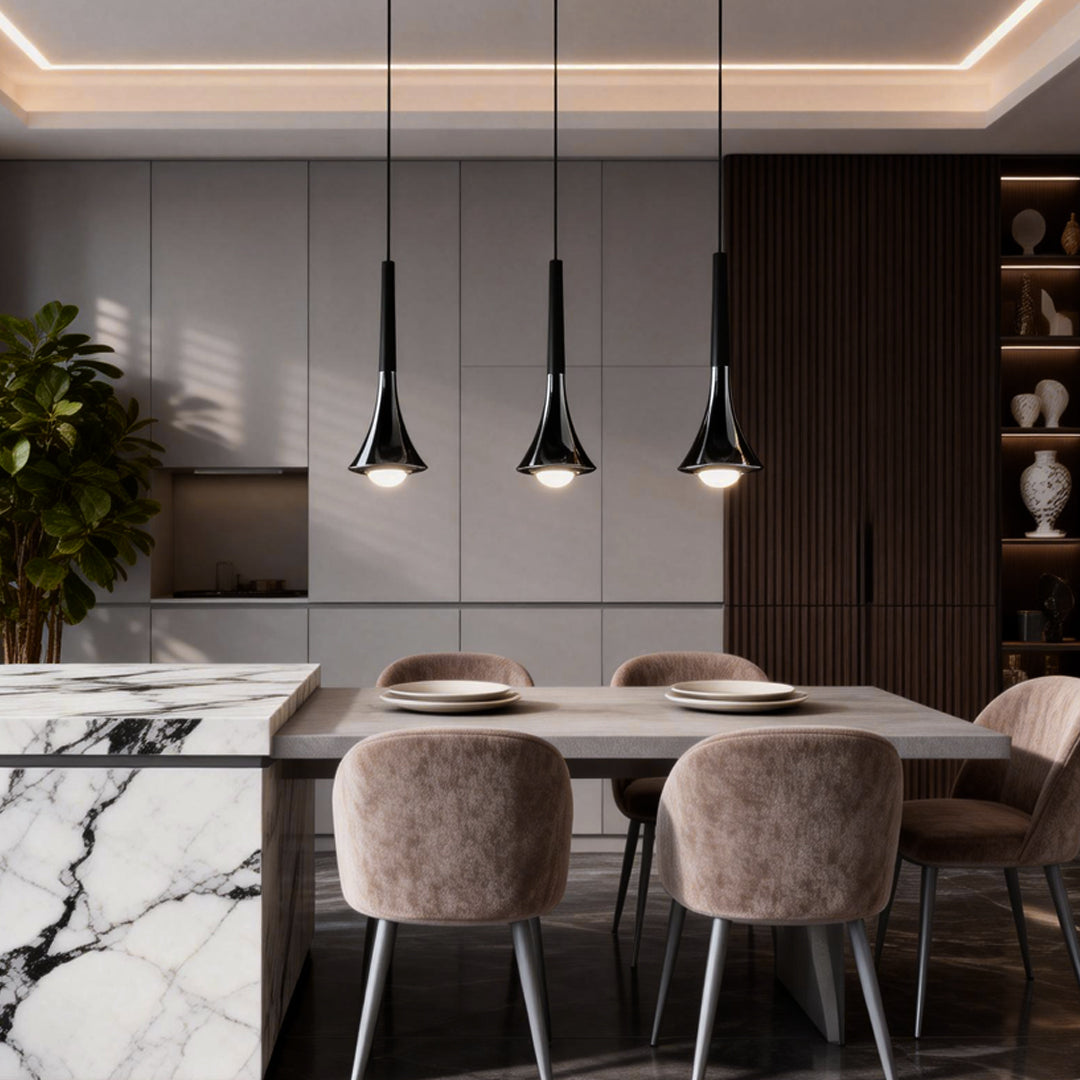
Lightweight mini pendant choice
Contemporary Mini Pendant Lights Teardrop Metal Ceiling Light
Price: $96.99
Best for homeowners who want a slim, repeated pendant layout over a kitchen island without making the ceiling feel crowded.
- The compact teardrop shape is useful when three pendants need to feel airy instead of bulky.
- Black, gold, and chrome finish options make it easier to coordinate with cabinet pulls, faucets, and appliances.
- The integrated 3-color-temperature LED gives flexibility for warm evening light or brighter everyday kitchen use.
Three Lights Should Feel Like Rhythm, Not Clutter
Three pendants work best when each fixture has enough space to breathe. If the shades almost touch visually, or if the row competes with a busy backsplash and large range hood, the kitchen may feel more crowded than finished.

When Two Pendant Lights Work Better
Two pendant lights often look better than people expect. They create a calmer composition, especially in kitchens with strong cabinet colors, bold stone countertops, open shelving, or a statement range hood. If your kitchen already has several design elements fighting for attention, two good pendants can feel more confident than three smaller ones.
Two pendants also make sense when the fixtures are wider, brighter, darker, or more decorative. A larger pendant needs negative space around it. Without that space, the light can feel squeezed, even if the measurements technically fit.
Another reason to choose two is sightline comfort. If you stand at the sink and look into the living room, do you want three objects hanging in your line of sight? In an open-concept home, fewer pendants can keep the kitchen connected to the rest of the room. This is also why many designers choose two dramatic fixtures over three smaller fixtures when the island sits between the kitchen and the family room.
A More Decorative Option When You Want Flexibility
If you like the idea of a more noticeable pendant but still want layout flexibility, a compact crystal style can work as a pair or as part of a repeated arrangement. The key is to avoid treating “sparkle” as the only goal. In a kitchen, the light still needs to feel comfortable, proportional, and easy to maintain.
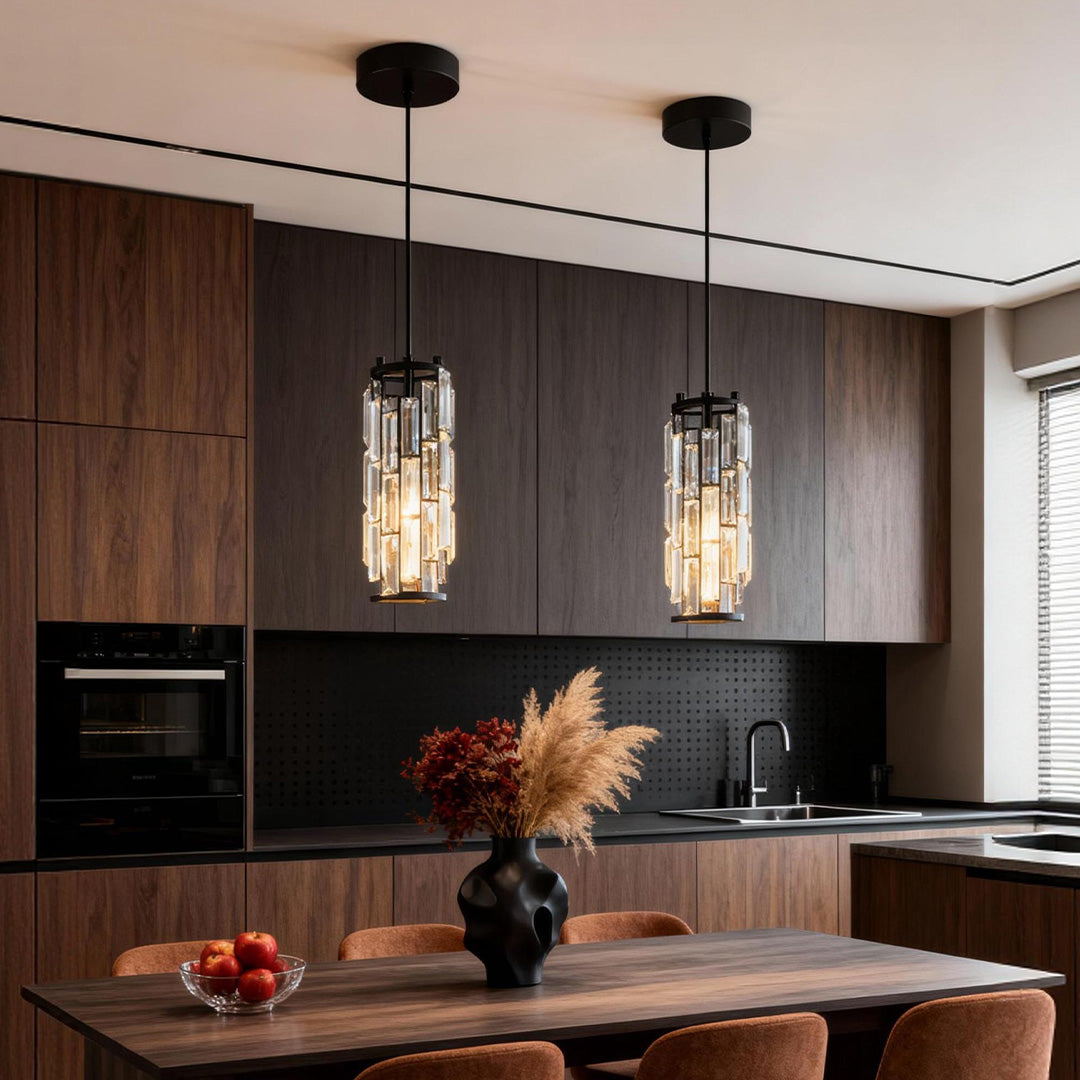
Decorative compact pendant
Mini Crystal Pendant Light Creative Art Crystal Island Ceiling Light
Price: $98.99
Best for kitchens where the island needs a little more visual polish, especially when you want a fixture that can work as a single light or in a multi-light arrangement.
- The crystal glass shade adds sparkle without requiring a large fixture diameter.
- Available in black, gold, and chrome finishes for easier coordination with kitchen hardware.
- The page lists both 1-light and 3-light configurations, which is helpful when comparing pair versus trio layouts.
Spacing Guide For Kitchen Island Pendants
Once you have a rough idea of two or three, measure before you fall in love with a fixture. The mistake I see often is choosing a pendant first, then trying to force the layout to work. Start with the island.
Measure the full island length. Then mark the area where people actually sit or prep. If your island has a sink, you may want the lights centered over the usable counter surface rather than centered blindly on the sink. If your island has seating on one side, stand there and check whether a pendant would hang directly in front of someone’s face.
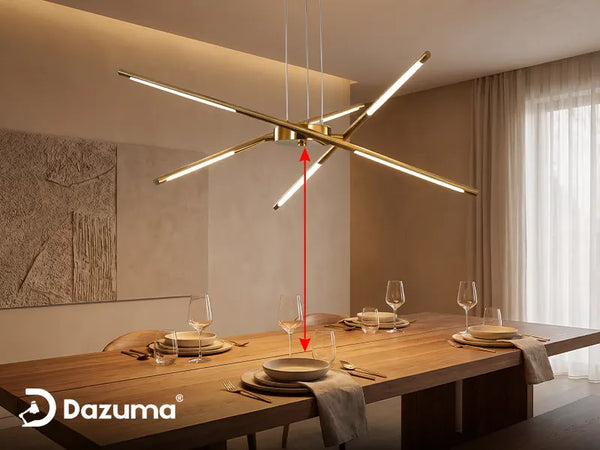
As a general starting point, keep the bottom of most kitchen island pendants about 30 to 36 inches above the countertop, then adjust for ceiling height, pendant shape, and sightlines. If you need a deeper placement guide, the article Pendant Lighting Height Over Kitchen Island: The Ultimate Guide can help you check the hanging height after you choose the number of fixtures.
For two pendants, the centers often land somewhere around one-third and two-thirds of the island length, adjusted inward if the shades are wide. For three pendants, the centers should feel evenly spaced, with enough room between shades so the lights read as separate fixtures. If the math gives you a technically even layout but the lights look crowded, trust your eyes and choose fewer lights or smaller pendants.

How Fixture Style Changes The Answer
A small pendant and a large pendant do not behave the same way. A slim glass cylinder may disappear visually, while a dark metal shade can feel much larger than its actual width. This is why two kitchens with the same island length can need different layouts.
If you like clean modern rooms, Modern Pendant Lights with simple shapes may allow three fixtures without making the kitchen feel busy. If you like reflective or jewel-like detail, Crystal Pendant Light styles often need extra breathing room because sparkle attracts the eye.
Finish also matters. Black pendants create contrast and read as stronger shapes. Gold feels warm but can look busy when repeated alongside brass hardware and warm wood stools. Clear glass feels open, but it may show bulbs and dust more easily. Picture the fixture on a normal weeknight, not only on installation day.

Visual Weight Matters More Than The Count
Three tiny pendants can look lighter than two large lanterns. Two dark metal pendants can feel heavier than three clear glass pendants. Count the visual weight, not just the number of fixtures.
Common Mistakes To Avoid
Choosing Three Because It Looks More “Designer”
Three pendants are not automatically more high-end. They only look better when the scale supports them. If the island is not long enough, three can feel like a row of decorations instead of a thoughtful lighting plan.
Ignoring The View From The Next Room
Walk into the kitchen from the living room, dining area, and hallway. The pendants should look balanced from the main approach, not just from one straight-on photo angle. If you are unsure where the lights should be centered, the guide Should Pendant Lights over Kitchen Islands Be Centered? is useful for thinking beyond simple geometry.
Using Pendant Lights To Fix A Dark Kitchen Alone
Pendants are helpful, but they are not a full kitchen lighting plan. If your ceiling lights are weak, your cabinets cast shadows, or your countertop feels dark at night, adding three pendants may not solve the problem. You may need under-cabinet lights, better ceiling lighting, or brighter bulbs in addition to pendants.
Forgetting About The Electrical Boxes
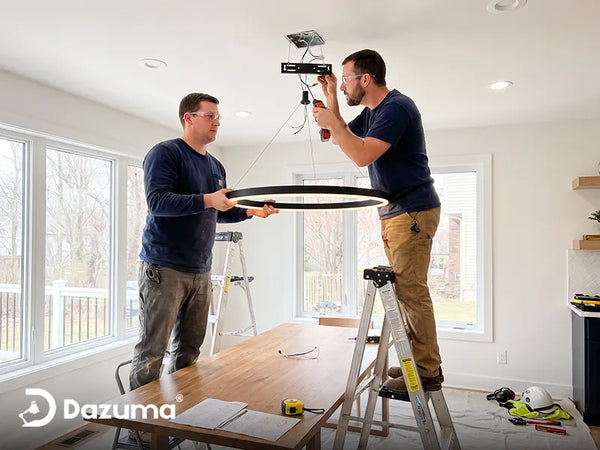
If you are replacing existing fixtures, your ceiling boxes may already limit the layout. Moving from two pendants to three means adding another box and possibly patching the ceiling. If you are remodeling, decide early so the electrician can rough in the layout before drywall and paint are finished.
Test The Layout Before Wiring
Use painter’s tape on the island, or hang balloons from the ceiling with string at the approximate pendant locations. It may feel silly, but it quickly reveals whether two lights feel empty or three lights feel too busy.

Final Advice Before You Choose
If you are still torn, choose the option that leaves the kitchen calmer and easier to use. A simpler pendant layout rarely feels wrong over time. A crowded layout can bother you every day because it sits directly in your view.
For a short or medium island, two well-scaled pendants are often the safest choice. For a longer island, three slim pendants can create rhythm and better visual coverage. The right answer fits your island length, fixture width, ceiling height, and daily routine—not just your saved photos.
Before ordering, measure the island, sketch the centers, check the fixture width, and imagine people sitting at the counter. Then choose the number of pendants that makes the kitchen feel balanced from real life angles. That is the layout you are most likely to enjoy after the renovation dust is gone.