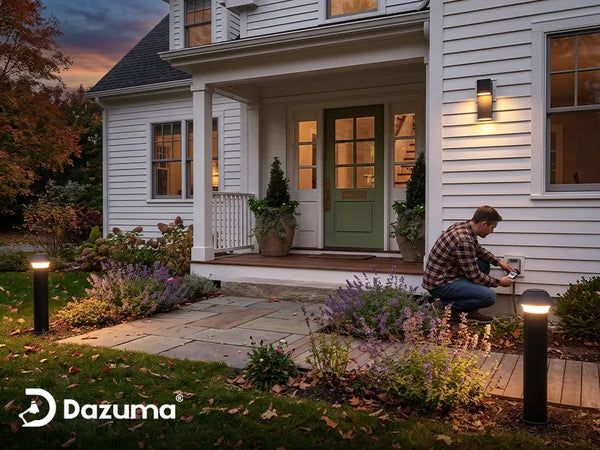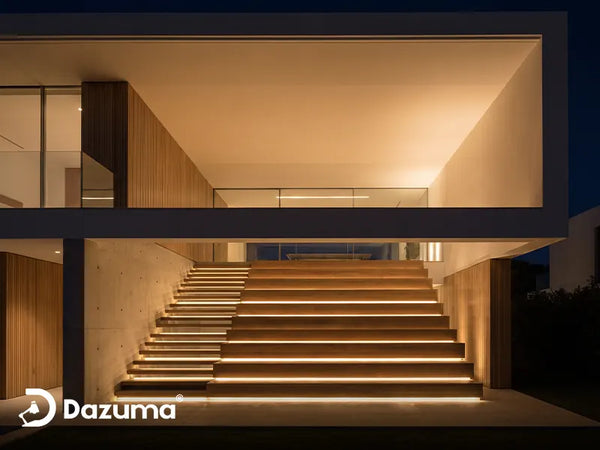

Outdoor step lights are one of the most practical and attractive landscape lighting upgrades for any home. They improve safety, enhance nighttime visibility, and create a sophisticated architectural appearance around staircases, decks, patios, retaining walls, and garden pathways.
Whether you're installing low-voltage LED step lights on deck stairs or adding recessed lights to stone landscape steps, proper planning and installation are essential for achieving professional-looking results. Incorrect placement can create glare, uneven illumination, or even reduce safety.
This guide covers everything homeowners need to know about installing outdoor step lights, including placement recommendations, wiring options, spacing guidelines, and common mistakes to avoid.

What Are Outdoor Step Lights?
Outdoor step lights are low-profile lighting fixtures designed to illuminate stairs, deck steps, retaining walls, and elevation changes in outdoor environments. Unlike floodlights or pathway lights, step lights focus illumination directly on walking surfaces to improve visibility and reduce trip hazards.
Most modern outdoor step lights use LED technology due to its long lifespan, low energy consumption, and minimal maintenance requirements.
Popular installation locations include:
- Front Porch Stairs
- Deck Steps
- Garden Staircases
- Retaining Walls
- Poolside Steps
- Patio Elevation Changes
- Walkway Transitions
Choose The Right Type Of Outdoor Step Light
Before installation begins, select the type of fixture that best suits your project.
| Step Light Type | Best Application | Installation Difficulty |
|---|---|---|
| Recessed Step Lights | Masonry, Concrete Walls | Moderate |
| Surface-Mount Step Lights | Decks & Wooden Structures | Easy |
| Low Voltage Step Lights | Residential Landscapes | Easy-Moderate |
| Solar Step Lights | Simple DIY Projects | Very Easy |
| Integrated LED Step Lights | Modern Landscape Designs | Moderate |
For most homeowners, low-voltage LED step lights offer the best combination of safety, reliability, brightness, and energy efficiency.
Plan The Lighting Layout Before Installation
Successful step lighting begins with thoughtful planning. Before drilling holes or running wires, evaluate the staircase and determine how much illumination is required.
Consider:
- Total number of steps.
- Stair width.
- Nearby power sources.
- Desired lighting effect.
- Fixture spacing.
- Potential glare from viewing angles.
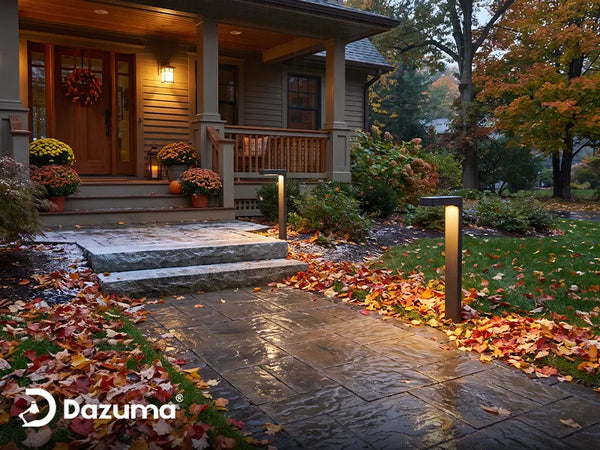
Many homeowners combine step lighting with landscape lighting to create a layered outdoor lighting design that improves both safety and aesthetics.

Where Should Step Lights Be Installed?
The placement of the fixture directly affects visibility and comfort.
For most staircases, step lights are installed on the vertical riser rather than the horizontal tread. This position directs light downward onto the walking surface while minimizing glare.
Typical installation heights include:
- Centered on each riser.
- 2-4 inches below the tread edge.
- Integrated into adjacent retaining walls.
- Mounted on deck side stringers.
Avoid positioning fixtures where they shine directly into a person's eyes while ascending or descending stairs.
How Many Step Lights Do You Need?
The number of fixtures depends on staircase length, width, and desired brightness.
| Stair Width | Recommended Layout |
|---|---|
| Under 4 Feet | One Fixture Per 2-3 Steps |
| 4-6 Feet | Alternate Every Step |
| Over 6 Feet | One Fixture Per Step Or Dual-Side Lighting |
Modern LED fixtures often provide enough illumination that every step does not require its own light.
Step-By-Step Installation Guide
Step 1: Turn Off Power
If you're installing wired step lights, always disconnect power at the breaker panel before beginning work.
Step 2: Mark Fixture Locations
Measure and mark each installation point carefully to ensure consistent spacing and alignment.
Step 3: Drill Mounting Openings
For recessed fixtures, cut openings according to the manufacturer's specifications. Surface-mounted fixtures typically require only pilot holes.
Step 4: Run Low-Voltage Wiring
Most outdoor step lighting systems operate on 12V low-voltage power supplied by a landscape transformer.
Route wiring behind retaining walls, beneath decking, or through conduit where necessary.
Step 5: Connect Fixtures
Use waterproof outdoor-rated connectors to prevent moisture intrusion and future corrosion.
Step 6: Test The System
Before permanently securing fixtures, test all lights to verify proper operation and brightness consistency.
Step 7: Secure Fixtures And Finish Installation
Mount fixtures securely and conceal exposed wiring whenever possible for a clean, professional appearance.
Low Voltage Vs. Solar Step Lights
Many homeowners debate between solar-powered and low-voltage systems.
| Feature | Low Voltage | Solar |
|---|---|---|
| Brightness | High | Moderate |
| Reliability | Excellent | Depends On Sunlight |
| Installation | Moderate | Easy |
| Long-Term Performance | Excellent | Battery Dependent |
For primary stair safety lighting, low-voltage LED systems are generally the preferred solution due to their consistent performance.

Recommended Brightness For Outdoor Step Lights
More light is not always better. Excessive brightness can create glare and reduce visibility.
| Application | Recommended Lumens |
|---|---|
| Residential Steps | 50-150 Lumens |
| Deck Stairs | 50-120 Lumens |
| Garden Stairs | 40-100 Lumens |
| Commercial Applications | 150-300 Lumens |
Most residential installations benefit from warm white lighting between 2700K and 3000K for a comfortable and inviting appearance.
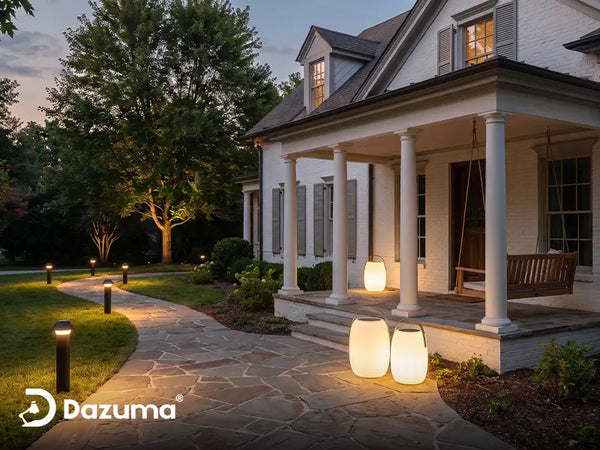
Step lights also pair beautifully with pathway lights, outdoor wall lights, and decorative outdoor lighting fixtures for a complete landscape lighting plan.
Common Installation Mistakes To Avoid
- Installing fixtures too high above the steps.
- Using excessively bright lighting.
- Ignoring waterproof connections.
- Uneven fixture spacing.
- Failing to conceal wiring.
- Using indoor-rated fixtures outdoors.
- Overlooking transformer capacity limits.
Careful planning and proper fixture placement often make a bigger difference than purchasing the most expensive lighting products.
Final Thoughts
Installing outdoor step lights is one of the most effective ways to improve both safety and curb appeal. Whether you're illuminating deck stairs, garden pathways, retaining walls, or front entry steps, properly positioned LED step lights create a professional appearance while helping family and guests navigate safely after dark. For a complete outdoor lighting solution, explore Dazuma's collection of landscape lighting, pathway lights, and premium outdoor lighting fixtures designed to enhance every corner of your landscape.