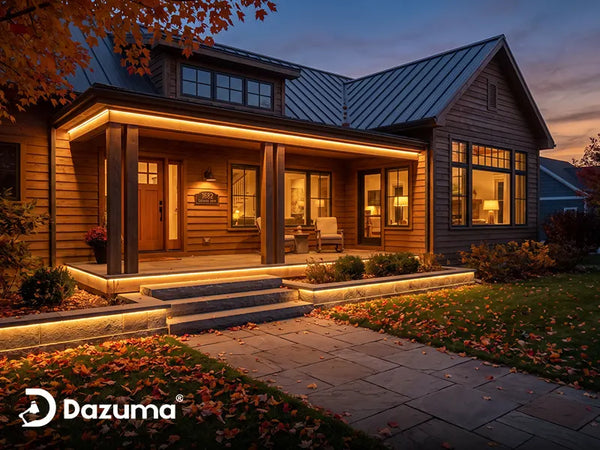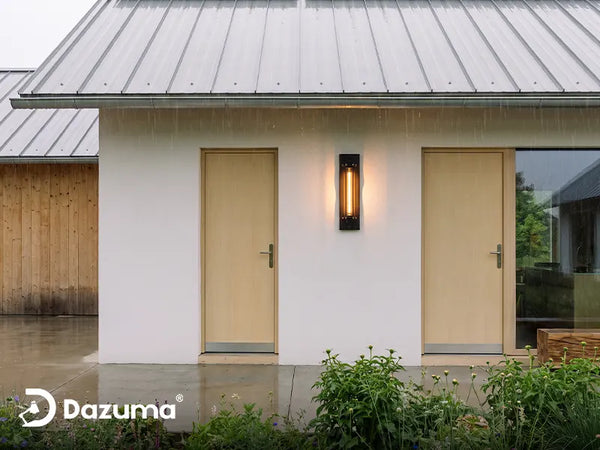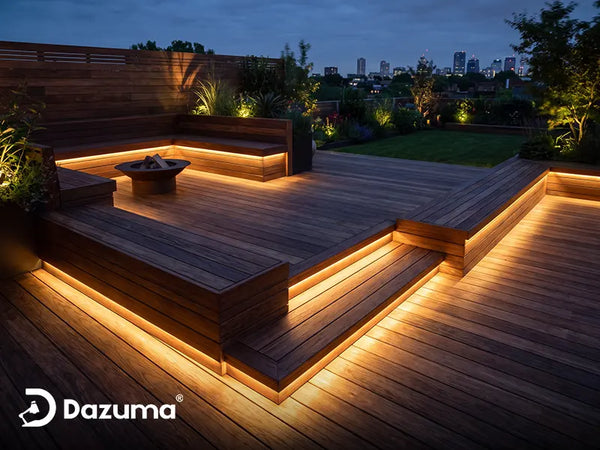

This guide is for homeowners who want outdoor lighting that feels more automatic, more practical, and easier to live with at night—especially around paths, steps, garden edges, and entry zones where motion-controlled light can add both safety and convenience.
Introduction
When people hear the phrase “smart outdoor lights,” they often picture app dashboards, voice assistants, and lots of settings. But in everyday home use, the smartest outdoor light is often the one that quietly reacts at the right moment. It turns on when someone walks up the path, when a guest approaches the steps, or when you come home carrying groceries after dark. That kind of simple automation is what makes motion-controlled outdoor lights so useful.
For 2026, motion-controlled lights are one of the most practical upgrades for homeowners who want better safety and a cleaner night experience without leaving lights on all evening. They help save energy, reduce unnecessary brightness, and make outdoor spaces feel more responsive. The right light can gently wake up a dark garden edge, highlight a step, or make a side walkway easier to read—without making the whole yard feel overlit.
This guide focuses on smart outdoor lights in the motion-controlled sense: fixtures that automatically respond to movement and make outdoor spaces more convenient. We will look at where they work best, how to choose between solar and hardwired designs, and two Dazuma options that suit modern exterior spaces in 2026.

Quick Answer: What Counts As A Smart Outdoor Light?
For most homeowners, a smart outdoor light is any outdoor fixture that responds intelligently to real use instead of staying on all the time. That includes motion-controlled lights, dusk-to-dawn lights, and app-based fixtures. In this guide, we are focusing on motion-controlled outdoor lights because they are one of the easiest smart upgrades to use in real life.
A good motion-controlled light should do three things well: detect movement consistently, provide light where people actually need it, and avoid feeling harsh or random. That means a path light should help guide walking, a step light should improve footing, and a garden light should make a route or boundary easier to understand when someone approaches.
If you are building out a broader system, motion-controlled fixtures work best as one layer within a larger Outdoor Lighting plan. They are especially strong in transitional zones—places where people move in and out, pause briefly, or need a bit of extra visibility without constant illumination.
Why Motion-Controlled Outdoor Lights Feel Smarter In Real Life
There is a reason motion-controlled lights feel more “smart” than some complicated systems: they solve a real problem the second you use them. If you are walking up outdoor stairs with your hands full, you do not want to stop and open an app. If you are taking the trash out or letting the dog into the yard, you do not want to hunt for a switch. A motion-controlled light handles that moment automatically.
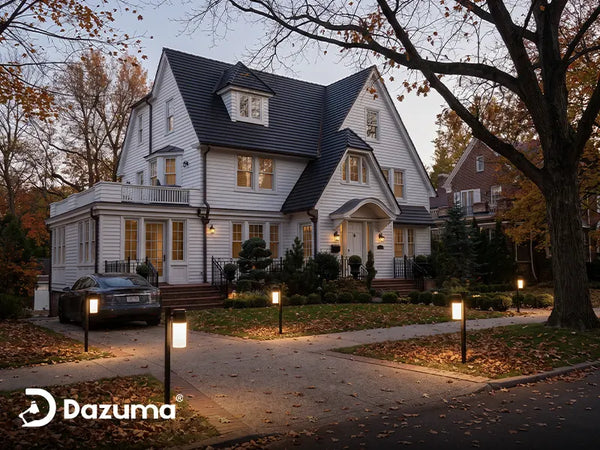
That practical convenience also changes how a home feels at night. A dark path that softly lights up as you approach feels welcoming. A step light that activates near stairs feels safer. A lawn or garden light that turns on only when needed can keep the yard calm instead of permanently bright. In other words, these lights add function without making the exterior feel busy.
There is also an emotional benefit. Outdoor spaces feel more responsive. The house feels awake when you need it, but not wasteful when you do not. That is a small thing, but it changes the nighttime experience in a very real way.

Great Smart Lighting Starts With The Right Trigger
A motion-controlled outdoor light is only useful if it activates at the right time. That sounds obvious, but it matters. The best sensor lights are not just bright enough. They are positioned so their detection zone matches how people actually approach the space.
For side walkways, patios, or garden routes, you can compare motion-controlled fixtures with related Outdoor Solar Lights and Step Lights to decide which zones need automatic response and which ones just need a steady glow.
Where Motion-Controlled Lights Work Best
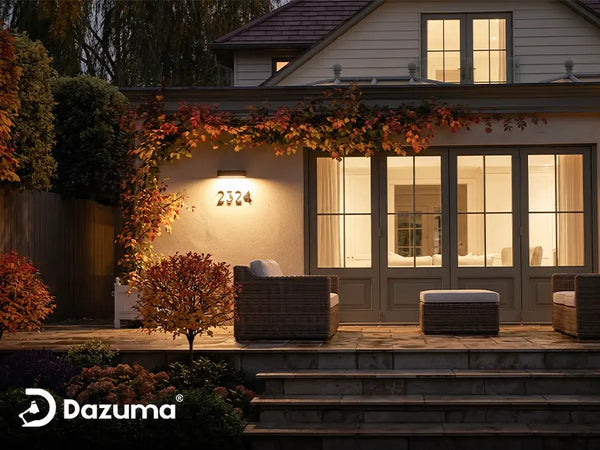
Motion-controlled outdoor lights work best in places with clear nighttime tasks. That includes steps, garden paths, side yards, terrace edges, entry routes, and walkways between the driveway and the house. These are spaces where people want light only when they are using them.
They are especially useful in places where leaving a light on all night feels unnecessary. A garden path may only need light when someone walks through it. A step edge may only need a brighter cue when someone approaches. A side yard may not need constant illumination, but it should not feel completely dark either. Motion control handles that balance well.
In a modern exterior, these fixtures can also make the yard feel more thoughtful. Instead of flooding the whole property, you light the moments that matter: the route, the step, the pause point, the corner that people actually use.
Solar Vs Hardwired Motion-Controlled Lights
One of the main choices is power source. Solar motion-controlled lights are convenient, flexible, and easier to place where wiring would be a hassle. They work especially well in open garden areas, lawn edges, and places with strong daylight exposure. The trade-off is that their performance depends on charging conditions.
Hardwired motion-controlled lights usually provide more stable output and more predictable performance. They are a strong option near built structures like steps, terraces, and courtyard walls where you want the sensor to work consistently night after night. If the area already has power access, hardwired often feels more reliable.
| Type | Best For | What To Watch |
|---|---|---|
| Solar Motion-Controlled Lights | Garden edges, lawn borders, open paths, flexible outdoor placement. | Needs good sunlight for steady nighttime performance. |
| Hardwired Motion-Controlled Lights | Steps, terraces, built-in wall zones, high-use pathways. | Requires installation planning and power access. |
| Mixed Setup | Homes that want easy automation across multiple exterior zones. | Best when each light is chosen for the specific area, not just for a matching look. |

Best Smart Outdoor Lights For 2026 (Motion-Controlled)
The two product picks below represent two very practical forms of smart outdoor lighting. The first is a solar lawn light with motion-sensor behavior for open garden zones and flexible placement. The second is a built-in motion-sensor step light for more structured areas where safety, stairs, and directed light matter most.
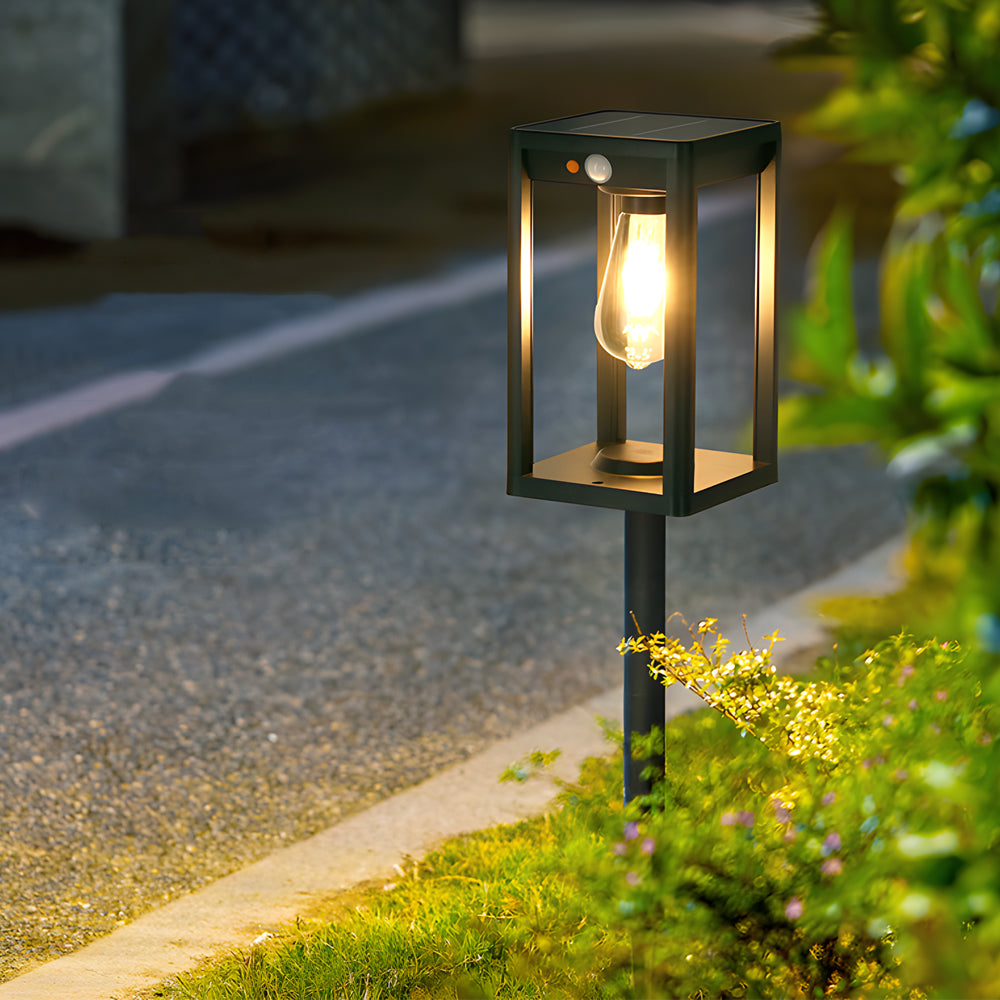
Smart LED Solar Lawn Lights Minimalist Style
Best For: Garden edges, lawn borders, path-side planting, open courtyard zones, and outdoor areas where easy solar placement makes sense.
| Price | $93.99 |
| Power Supply | Solar |
| Power | 2.5W |
| Battery Capacity | 2000mAh |
| Working Time | 6–12 Hours |
| Sensor Range | 3–5 Meters |
| Waterproof Rating | IP55 |
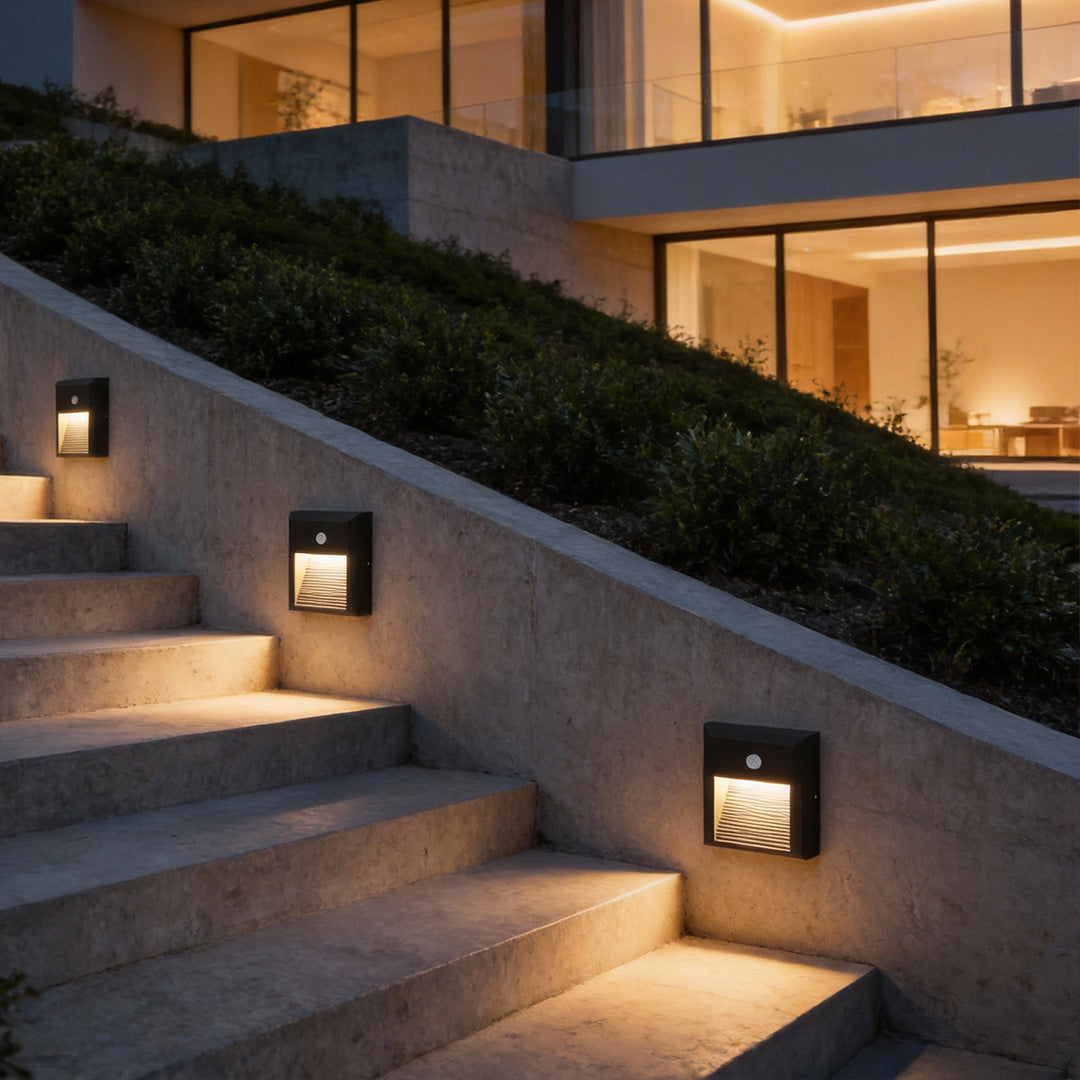
Embedded Motion Sensor Design LED Step Light
Best For: Courtyard stairs, terrace steps, garden step edges, built-in hardscape lighting, and outdoor routes where safe footing matters.
| Price | $104.99 |
| Power Supply | Hardwired |
| Voltage | 110–240V |
| Light Source | Integrated LED |
| Color Temperature | Warm White 3000K |
| Sensor Angle / Range | 110° / 20–26 ft |
| Lighting Area | 54–108 sq ft |
Placement Tips For Better Sensor Performance
Sensor performance depends heavily on placement. A motion-controlled light should be positioned so the sensor meets movement naturally rather than waiting until someone is already standing under the fixture. On a path, that often means placing the light where it can catch side movement. On steps, it means aiming the detection zone toward the approach, not just the landing itself.
Keep sensors clear of dense plant growth, decorative screens, or other barriers that may block or confuse detection. For solar lights, remember that a perfect sensor position still will not help much if the panel sits in shade all afternoon. For hardwired step lights, think carefully about height and spacing so each activated light contributes to a route, not just an isolated bright patch.
Motion Lights Work Best When They Support A Route
The best result is not one bright surprise. It is a route that feels easy to read. That is why step lights, path lights, and lawn lights should be placed in relation to movement. When someone walks, the lighting should feel like it is helping them forward.
If your project is stair-heavy, this topic pairs naturally with Best Step Lights For Outdoor Stairs. If your project is more landscape-focused, it also helps to compare with Best Outdoor Spotlights For Garden Accents.

A Smart Lighting Insight Most Homeowners Miss
Here is the information gain that matters most: smart outdoor lighting works better when you divide the yard into behavior zones, not product zones. In other words, do not ask, “Where can I put this light?” Ask, “Where do people move, pause, or change direction at night?”
That small shift leads to better choices. Use motion-controlled solar lights where people pass through occasionally, like a garden border or open path. Use motion-controlled step lights where a missed step would matter. Use steady or decorative lighting in places where mood matters more than automation. This “behavior zone” mindset keeps the system feeling natural instead of gadget-heavy.
It also helps avoid a common problem: putting smart or motion lights everywhere. Too much automation can make the yard feel jumpy. A smarter plan is selective automation in the places where response genuinely helps.

Think In Behavior Zones, Not Just Fixtures
One of the smartest upgrades you can make is deciding which outdoor areas need automatic response and which ones only need soft support. This keeps the lighting calm and helps every fixture feel intentional.
For layered landscape ideas, browse related Landscape Lighting and Garden Lights options so the motion layer fits into a bigger outdoor plan.
What These Lights Feel Like After Installation
The practical benefit is obvious: paths, steps, and edges become easier to use at the exact moment you need them. But the emotional benefit is just as real. The house feels more responsive. The yard feels less neglected at night. You get that subtle sense that the property is helping you, not just sitting in darkness until you force a switch on.
The solar lawn light creates a soft “someone is approaching” response around the landscape. It can make a garden edge or walkway feel more alive without leaving the area constantly bright. The motion step light feels different. It is more focused and safety-driven. It supports footing, which is one of the best uses of smart lighting because the improvement is immediate and easy to notice.
Common Mistakes To Avoid
Choosing Motion Control For The Wrong Area
Not every outdoor space needs automatic activation. Seating zones, for example, often feel better with steady ambient light instead of light that suddenly turns on and off.
Placing The Sensor Too Late In The Route
If the light only turns on when someone is already at the step or deep into the path, the placement is not doing its job. The sensor should catch the approach early enough to feel helpful.
Ignoring Daylight For Solar Models
A smart solar light is still a solar light. If the charging conditions are poor, the nighttime performance will be weaker. Sunlight still matters.
Using Too Many Triggered Lights In One Small Space
When too many fixtures activate at once, the yard can feel busy instead of calm. Use motion control selectively where it provides real value.
Motion-Controlled Outdoor Light Buying Checklist
- Use Case: Decide whether the light is mainly for steps, paths, garden edges, or entry routes.
- Power Type: Choose solar for flexible landscape placement and hardwired for more stable structured zones.
- Sensor Performance: Check the range, angle, and how the fixture should be positioned.
- Brightness Style: Use soft motion lighting for pathways and more focused output for steps or task zones.
- Weather Resistance: Make sure the fixture is suitable for outdoor exposure.
- Light Color: Warm white is usually the safest choice for residential comfort and a more welcoming feel.
- System Thinking: Motion-controlled lights work best as one part of a complete outdoor lighting layout.

Final Advice
If you are choosing the best smart outdoor lights for 2026 in the motion-controlled category, start with the route, not the product. Think about where people walk, where they pause, where they need a little extra confidence, and where automatic light would actually make life easier. Then choose the fixture that fits that behavior.
The solar lawn light is a smart fit for open garden and landscape edges where easy placement and responsive glow matter most. The motion sensor step light is the stronger choice where safe footing and clear route lighting matter most. Used together, they create a home that feels more awake, more usable, and more thoughtful after dark. For a fuller exterior plan, explore Dazuma’s Outdoor Solar Lights, Step Lights, and Landscape Lighting collections to build a smart outdoor setup that feels practical, not overcomplicated.