
The Real Cost of Getting Your Wiring Wrong
I spend half my week talking homeowners out of buying cheap, big-box store lighting fixtures. The other half is spent explaining why their current yard looks like a landing strip rather than an inviting evening retreat. The conversation always comes down to the foundation of your exterior setup: the wiring. If you are investing in your property's nighttime curb appeal, the absolute first decision you need to make is whether to use a low voltage (12V) or line voltage (120V) electrical system.
This isn't just about picking out a pretty silhouette. The voltage dictates your trenching depth, your permitting requirements, and the long-term safety of your yard. Let's strip away the marketing fluff and look at how these two systems actually perform in the dirt, the rain, and the snow.

Low Voltage (12V): The Standard for Landscape Design
If you are lighting up trees, garden beds, or pathways, low voltage is the industry standard. This system operates on 12 volts, meaning you install a step-down transformer near an exterior outlet to convert your home’s standard 120V power into a safer current.
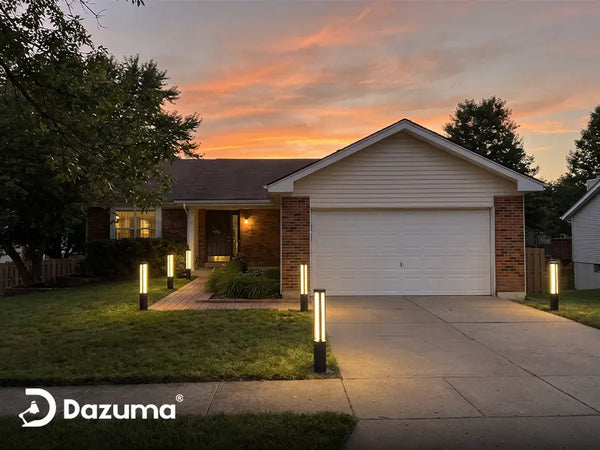
The biggest advantage here is installation flexibility. The National Electrical Code (NEC) doesn't require deep, rigid conduit for 12V wires. You can run the heavy-gauge wire just a few inches below the mulch. If your dog digs it up, or if you accidentally nick the wire with a shovel, you won't get electrocuted—the lights will just turn off. Because the fixtures are easier to move, 12V is perfect for dynamic gardens where plants grow and block sightlines over the years. When browsing our Landscape Lighting, you will find that almost all dedicated garden spots and path lights utilize 12V LED technology.
The Pro Catch: Voltage Drop. You cannot run a 12V wire forever. The further the electricity travels from the transformer, the weaker it gets. If your run is too long, the fixtures at the end of the line will look noticeably dimmer. Planning a low voltage system requires a bit of math to ensure you are using the correct wire gauge (usually 12/2 or 10/2) and balancing your wattage loads properly.
Line Voltage (120V): Permanent Architectural Power
Line voltage connects directly to your home’s breaker panel. There is no transformer. This is raw, unadulterated 120-volt power.
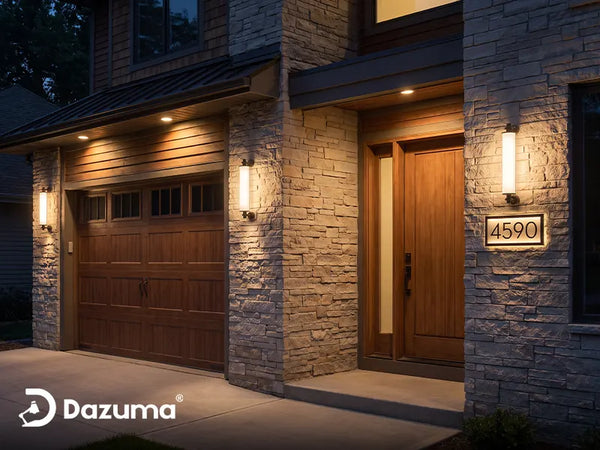
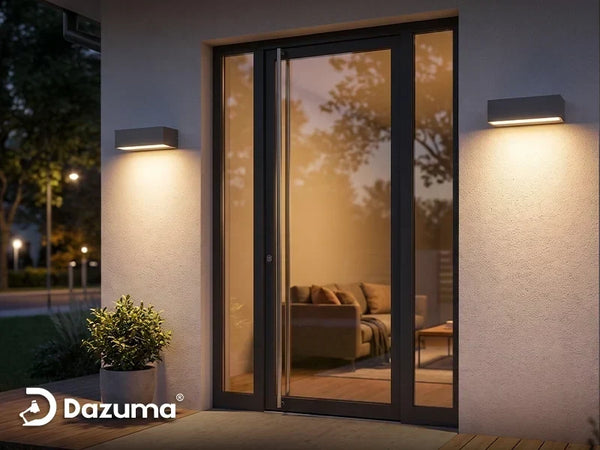
You use 120V when permanence and high output are mandatory. Think of the heavy fixtures mounted directly to your house—like the ones in our Outdoor Wall Lights collection. When you flip the switch inside your foyer, you want an instantaneous, reliable connection.
The tradeoff is that installing 120V in the yard requires serious labor. The NEC mandates that 120V exterior wiring must be buried at least 18 inches underground and encased in rigid PVC conduit. You absolutely need a licensed electrician to pull permits and handle the connections. It is expensive and disruptive to your lawn, which is why we rarely recommend it for standalone garden beds anymore.

Why Material Trumps the Wire
Here is a hard truth I share with all my clients: selecting the right voltage means nothing if the fixture housing disintegrates after a single winter. The outdoor environment is brutal. Harsh UV exposure, freeze-thaw cycles, and coastal salt air will destroy cheap cast-aluminum or plastic fixtures within 18 months. The paint will flake, the seals will fail, and moisture will short out your expensive LED bulbs.
Whether you are burying a 12V landscape cable or running conduit for heavy Outdoor Post Lights at the end of your driveway, the housing must be architectural-grade. Look for fixtures machined from Solid Brass or heavy copper. Solid Brass doesn't rust. Instead of degrading, it reacts with the environment to develop a gorgeous, dark patina. We also incorporate premium materials like Natural Alabaster in some of our covered porch designs because the dense stone diffuses light beautifully while resisting temperature warping. A high-end Weather-Resistant Finish on solid metal is an investment that ensures you only have to dig those trenches once.
Technical Specs: 12V vs 120V Installation Codes
To make this actionable, here is a breakdown of what to expect during installation based on standard US building codes. Always check your local municipal codes, as they can supersede national guidelines.
| Feature | Low Voltage (12V) | Line Voltage (120V) |
|---|---|---|
| Trench Depth (NEC) | 0 to 6 inches (direct burial wire allowed). | Minimum 18 inches underground. |
| Conduit Required? | No. Wire sits directly in the soil. | Yes. Rigid PVC conduit is mandatory. |
| Primary Risk Factor | Voltage drop on long runs (dimming). | Severe shock hazard if dug up accidentally. |
| Ideal Application | Living gardens, pathway edges, uplighting trees. | House exteriors, high-security floodlights, stone pillars. |
The Smart Setup
The best outdoor lighting designs do not pick a side—they use a hybrid approach. Use 120V fixtures attached to the architecture of your house for security and task lighting. Then, plug a high-quality stainless steel transformer into a GFCI-protected outdoor outlet to power a robust 12V Solid Brass system throughout your garden and walkways.
Ready to start planning? Skip the flimsy aluminum and invest in lighting engineered to outlast the weather. Browse our complete Outdoor Lighting collections to discover architectural-grade fixtures that deliver both performance and uncompromising style.