
A well-designed home office requires more than a comfortable desk and ergonomic chair. Lighting plays a critical role in productivity, focus, visual comfort, and overall well-being. Poor lighting can contribute to eye strain, headaches, fatigue, and reduced concentration, while a properly illuminated workspace helps improve efficiency and creates a more enjoyable environment for daily work.
Whether you work remotely full-time, manage a home business, or simply need a dedicated space for studying and administrative tasks, understanding the fundamentals of home office lighting design can help you create a workspace that looks professional and supports long-term productivity.

Why Home Office Lighting Matters
Unlike living rooms or bedrooms, home offices are task-oriented spaces where visual accuracy and concentration are essential. Insufficient lighting can force your eyes to work harder, while excessive brightness or glare may create discomfort and distractions.
Studies have shown that well-balanced lighting can improve workplace productivity, reduce visual fatigue, and contribute to better mood and alertness throughout the day. The most effective home office designs combine natural daylight with carefully planned artificial lighting to maintain consistent illumination from morning through evening.
Many designers recommend combining task lighting, ambient lighting, and accent lighting to create a flexible workspace that adapts to different activities and times of day.
Understanding The Three Layers Of Office Lighting
Professional lighting designers often use a layered approach when planning office environments. Each layer serves a specific purpose and contributes to overall visual comfort.
| Lighting Layer | Purpose | Recommended Fixtures |
|---|---|---|
| Ambient Lighting | General room illumination | Ceiling lights, recessed lights |
| Task Lighting | Focused work illumination | Desk lamps, adjustable wall lights |
| Accent Lighting | Visual interest and depth | Wall sconces, shelf lighting |
A balanced combination of these lighting layers creates a workspace that feels comfortable, functional, and visually appealing.

Start With Effective Ambient Lighting
Ambient lighting serves as the foundation of your home office lighting plan. It provides overall illumination and reduces harsh contrasts between bright and dark areas within the room.
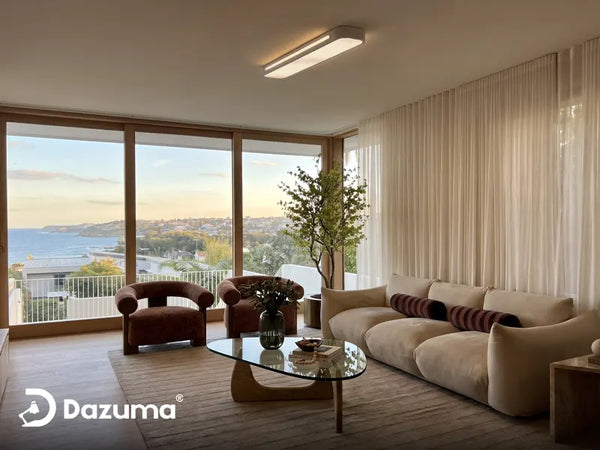
For most home offices, ceiling-mounted fixtures such as ceiling lights provide consistent and even light distribution. Rooms with higher ceilings may benefit from decorative pendant lights, while smaller offices often work best with flush mount lighting.
Choose The Right Task Lighting
Task lighting is arguably the most important component of a home office. It provides focused illumination for reading, writing, computer work, and video meetings.
A high-quality desk lamp with adjustable brightness and positioning allows you to direct light precisely where it's needed. Ideally, task lighting should illuminate the work surface without creating glare on monitors or reflective surfaces.
For right-handed users, place the light source on the left side of the desk to minimize shadows while writing. Left-handed users should generally position the lamp on the opposite side.
Optimize Natural Daylight
Natural light remains one of the most desirable elements in any workspace. Exposure to daylight can support healthy circadian rhythms, improve mood, and reduce dependence on artificial lighting during daytime hours.
Position your desk perpendicular to windows whenever possible. This arrangement helps reduce screen glare while maximizing the benefits of natural illumination. Avoid placing computer monitors directly in front of or facing windows, as excessive contrast can strain the eyes.
Reduce Screen Glare And Eye Strain
One of the most common home office lighting mistakes is overlooking monitor glare. Reflections from windows, ceiling fixtures, and glossy surfaces can make screens difficult to read and increase eye fatigue.
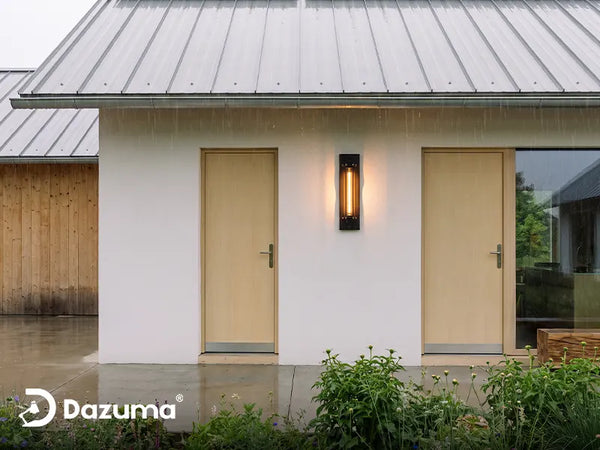
Using indirect lighting, adjustable fixtures, and proper monitor positioning can significantly improve visual comfort. Many professionals also incorporate wall lights to provide supplemental illumination without introducing harsh overhead brightness.

Recommended Brightness For A Home Office
The amount of light required depends on room size, age of occupants, and work activities. However, the following guidelines provide a useful starting point.
| Area | Recommended Lumens |
|---|---|
| General Office Lighting | 3,000-6,000 Lumens |
| Desk Task Lighting | 400-1,000 Lumens |
| Video Conference Area | 800-1,500 Lumens |
| Accent Lighting | 200-500 Lumens |
Best Color Temperature For Productivity
Color temperature affects how a workspace feels and functions. Cooler light tends to support concentration, while warmer light promotes relaxation.
| Color Temperature | Best Use |
|---|---|
| 2700K-3000K | Relaxed home office environments |
| 3500K-4000K | General productivity and daily work |
| 5000K+ | Detail-oriented tasks and creative work |
For most home offices, 3500K to 4000K offers an ideal balance between comfort and focus.
Lighting For Video Calls And Virtual Meetings
With remote work becoming increasingly common, video conference lighting deserves special attention. Position light sources in front of your face rather than behind you. Backlighting from windows can create silhouettes and reduce image quality during meetings.
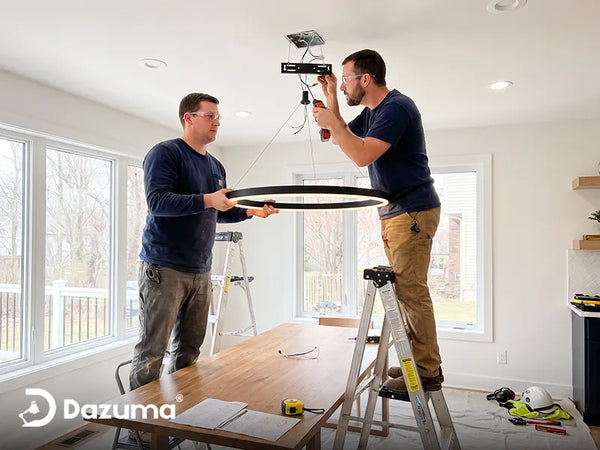
Soft front-facing illumination produces a more professional appearance and improves camera performance. Decorative chandeliers or accent fixtures can also enhance the visual appeal of your office background.
Common Home Office Lighting Mistakes
- Relying on a single overhead fixture.
- Ignoring natural daylight opportunities.
- Using lighting that creates monitor glare.
- Choosing bulbs with inconsistent color temperatures.
- Installing fixtures that are too dim for detailed work.
- Overlooking task lighting at the desk.
Avoiding these common mistakes can significantly improve both comfort and productivity throughout the workday.
Final Thoughts
An effective home office lighting design combines ambient, task, and accent lighting to create a comfortable and productive workspace. By selecting appropriate brightness levels, optimizing natural daylight, and minimizing glare, you can improve focus while reducing eye strain. Whether you're designing a dedicated office or upgrading a flexible work area, explore Dazuma's collection of ceiling lights, pendant lights, wall lights, and decorative fixtures to build a workspace that supports both productivity and style.