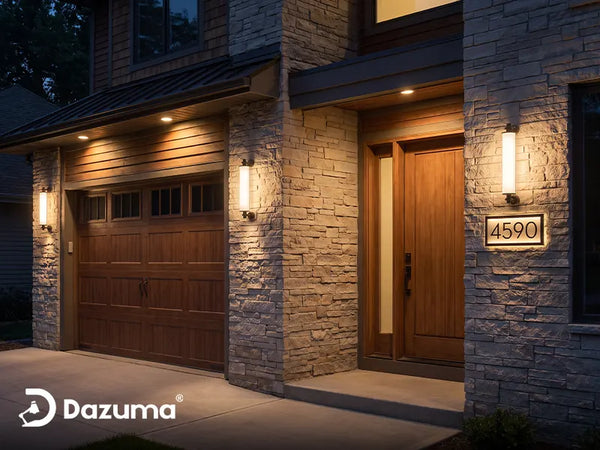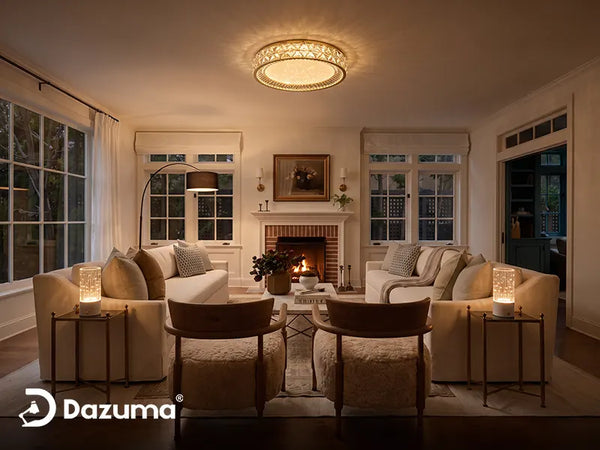

Who This Is For: This guide is for homeowners, remodelers, and property managers who want outdoor walls to look intentional at night but are not sure whether wall wash lighting or flood lights will create the right effect.
Introduction: Outdoor Walls Need More Than Brightness
Outdoor wall lighting sounds simple until you see the wall after dark. A fixture that looks perfect in a product photo can feel too harsh on your own stucco, too flat on brick, or too bright near a seating area. That is why the choice between wall wash lighting and flood lights matters. Both can illuminate exterior walls, but they solve different problems.
Wall wash lighting is usually chosen for atmosphere, architecture, and visual depth. Flood lights are usually chosen for broad visibility, security, and larger-area coverage. The best choice depends on what you want the wall to do: glow softly in the background, show texture, frame an entry, brighten a driveway, or help people see across a large outdoor zone.
This guide explains how the two approaches feel in real residential settings. It also covers beam spread, mounting height, glare, maintenance, wall texture, and where each fixture type makes the most sense around the home.

Quick Answer: Which Is Better For Outdoor Walls?
For curb appeal, architectural detail, entry walls, courtyards, stone facades, and patio backgrounds, wall wash lighting is usually the better choice. It creates a more controlled and finished look, especially when the goal is to make the wall glow rather than blast the area with brightness.
For driveways, side yards, service areas, back fences, large blank walls, and security coverage, flood lights are often more practical. They cover more area with fewer fixtures, but they need careful aiming so they do not create glare, hot spots, or neighbor complaints.
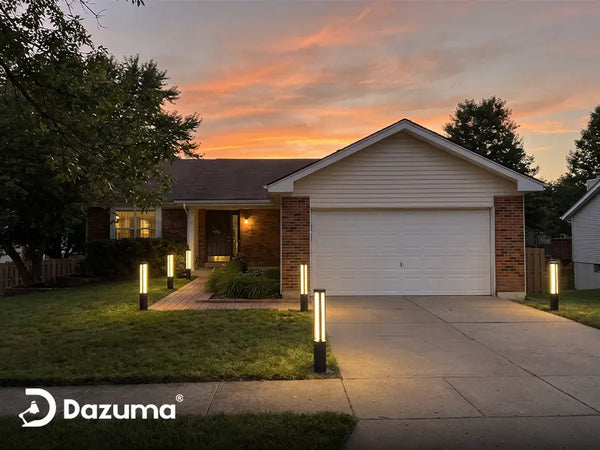
In many homes, the answer is not one or the other. A front entry might use Wall Wash Lighting for the facade and a shielded flood light for the driveway or utility side yard. The cleanest outdoor designs use each type where it naturally belongs.
The Real Difference Between Wall Wash Lighting And Flood Lights
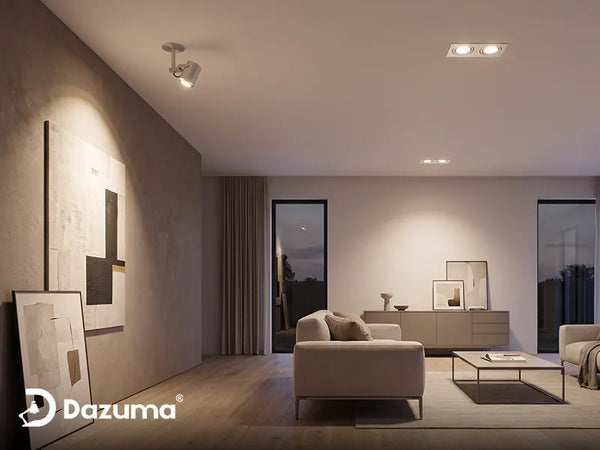
The difference is not simply “decorative versus bright.” It is about control. Wall wash lighting is designed to spread light across a vertical surface in a more even, intentional way. It can make stucco, stone, brick, concrete, siding, or a courtyard wall feel taller and more dimensional. It is often lower in glare because the light is aimed at a surface, not across the viewer’s eyes.
Flood lights use a broader beam to illuminate a larger zone. That zone may include the wall, ground, driveway, trees, gate, or side yard. A flood light can be very useful when people need to see where they are walking or when a camera needs usable nighttime visibility. But a flood light pointed directly at a wall can sometimes create a bright center and dark edges instead of the smooth architectural effect homeowners expect.
If you are still learning fixture language, the older guide What Is a Wall Washer Light Fixture? A Homeowners’ Guide is a helpful foundation before choosing beam angles and fixture layouts.

Wall Wash Lighting Makes The Wall Feel Designed
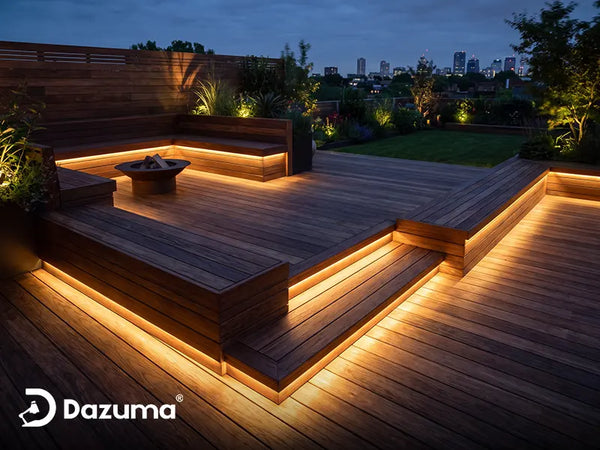
A good wall wash does not scream for attention. It gives the wall a quiet nighttime identity. This is why it works so well near front doors, garden walls, pool courtyards, and modern patio backdrops.
Wall Wash Lighting vs Flood Lights: Side-By-Side Comparison
| Factor | Wall Wash Lighting | Flood Lights |
|---|---|---|
| Main Purpose | Enhances vertical surfaces and architecture | Covers broad outdoor areas for visibility |
| Best Effect | Soft glow, texture, depth, facade drama | Security, task visibility, wide coverage |
| Glare Risk | Lower when aimed carefully along the wall | Higher if aimed outward or too high |
| Best Locations | Entry walls, feature walls, courtyards, facades | Driveways, side yards, backyards, service zones |
| Design Feel | Architectural and refined | Practical and protective |
When Wall Wash Lighting Is Better For Outdoor Walls
Choose wall wash lighting when the wall is part of the design. A tall stucco wall beside a courtyard, a brick chimney, a stone entry column, a fence wall behind a dining patio, or a modern exterior facade can all benefit from controlled vertical light. The goal is not to make the wall as bright as possible. The goal is to let the wall become a calm background layer.
Wall washing is also helpful when you want drama without clutter. Instead of adding decorative objects to a patio or entry, the light itself gives the surface depth. On a small courtyard, this can make the space feel larger because the eye reads the wall as a distant illuminated plane rather than a dark boundary.
For a smooth wall, keep the beam broad and even. For textured stone or brick, decide whether you want a gentle wash or a stronger grazing effect. Mounting the fixture closer to the wall exaggerates texture. Moving it farther away softens the shadows. Collections such as Outdoor Wall Lighting are useful when you want to compare fixture shapes before deciding how architectural the effect should be.
Texture Changes The Choice
Stone and brick walls can look beautiful under angled light, but rough texture also creates shadow. Test one fixture at night before buying a full row, especially on uneven masonry.

A Controlled Wall Washer For Architectural Outdoor Walls
If your main goal is to make a facade, courtyard wall, fence wall, or stair-side wall look more intentional, a linear wall washer is usually easier to control than a broad flood light. It gives the surface a more even upward glow and helps the wall read as part of the design rather than just a background surface.
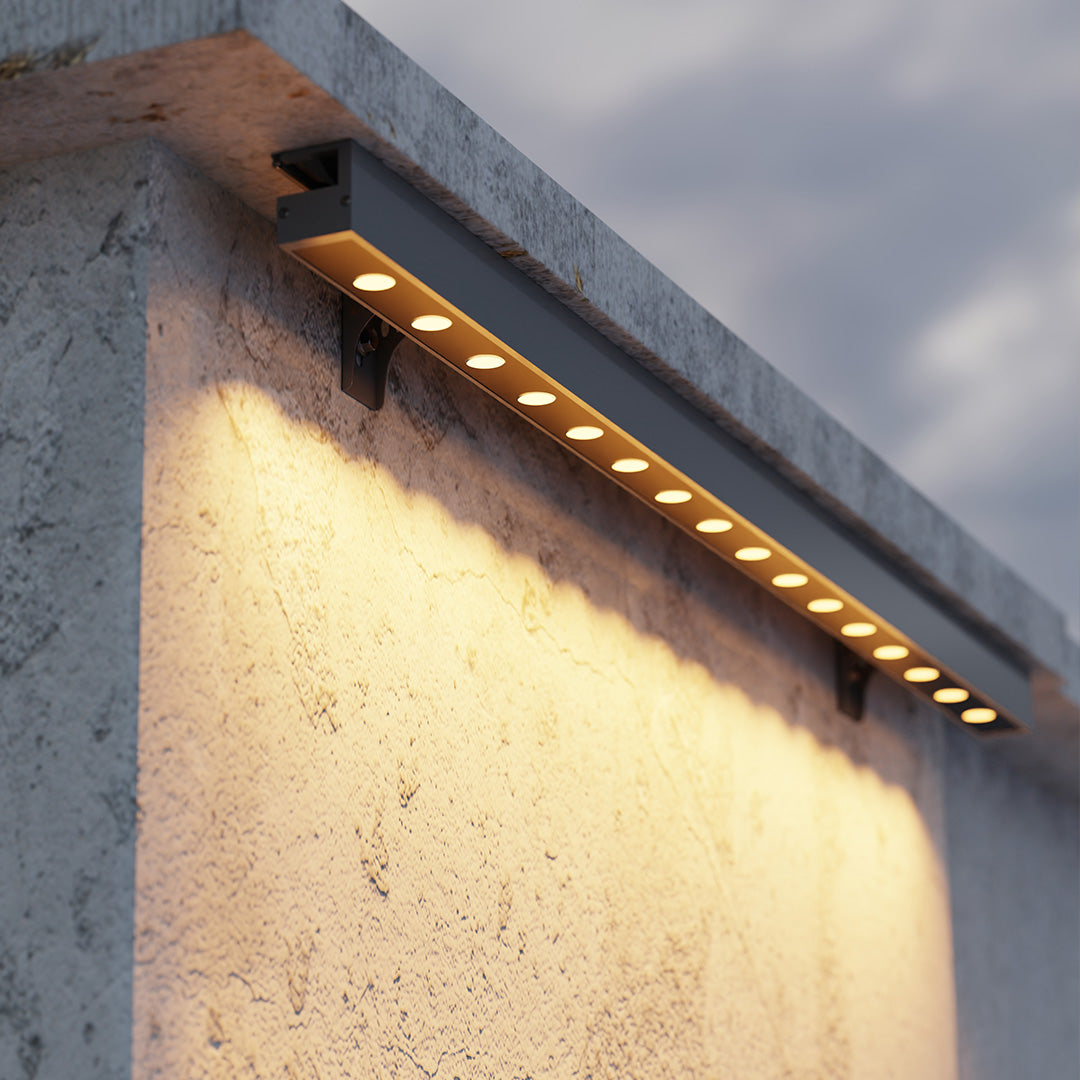
Architectural wall-wash choice
Linear LED Wall Washer Upward Outdoor Aluminum Light
Price: $133.99
Best for building exteriors, courtyard feature walls, fences, and stair side walls where you want controlled upward light and visible nighttime depth.
- Aluminum body with tempered glass lens for outdoor architectural use.
- Available with or without a baffle, depending on glare control needs.
- Requires a DC24V transformer, which is not included.
When Flood Lights Are Better For Outdoor Walls
Flood lights make more sense when the wall is not the only thing you need to light. If you need to brighten a driveway, wide side yard, service walkway, loading area, tall fence line, or open backyard, a flood light can cover more ground with fewer fixtures. It can also support security cameras, trash and utility access, and late-night movement around the property.
The challenge is restraint. A flood light mounted high and aimed outward may look bright, but it can throw glare into neighbors’ windows and make the wall look harsh. A better approach is to mount the fixture where it can angle downward across the target area. The wall can receive spill light, but the primary task is safer movement and broader visibility.
If you are deciding between a flood and a spotlight for nearby trees, driveways, or landscape features, this older comparison on Flood Lights vs Spotlights: Which to Choose Outdoors can help you separate wide coverage from targeted accent lighting.

Flood Lights Should Solve A Visibility Problem
Use flood lights where you need to see across an area, not just admire a wall. Side yards, garage approaches, backyard gates, and utility paths are better examples than a quiet courtyard backdrop.
A Flood Light Option For Larger Outdoor Effects
For homeowners who want broader visibility or a more dramatic exterior effect across a courtyard, garden wall, or building facade, a flood-style fixture can be appropriate. The key is to aim it carefully so the light supports the space instead of flattening the wall.
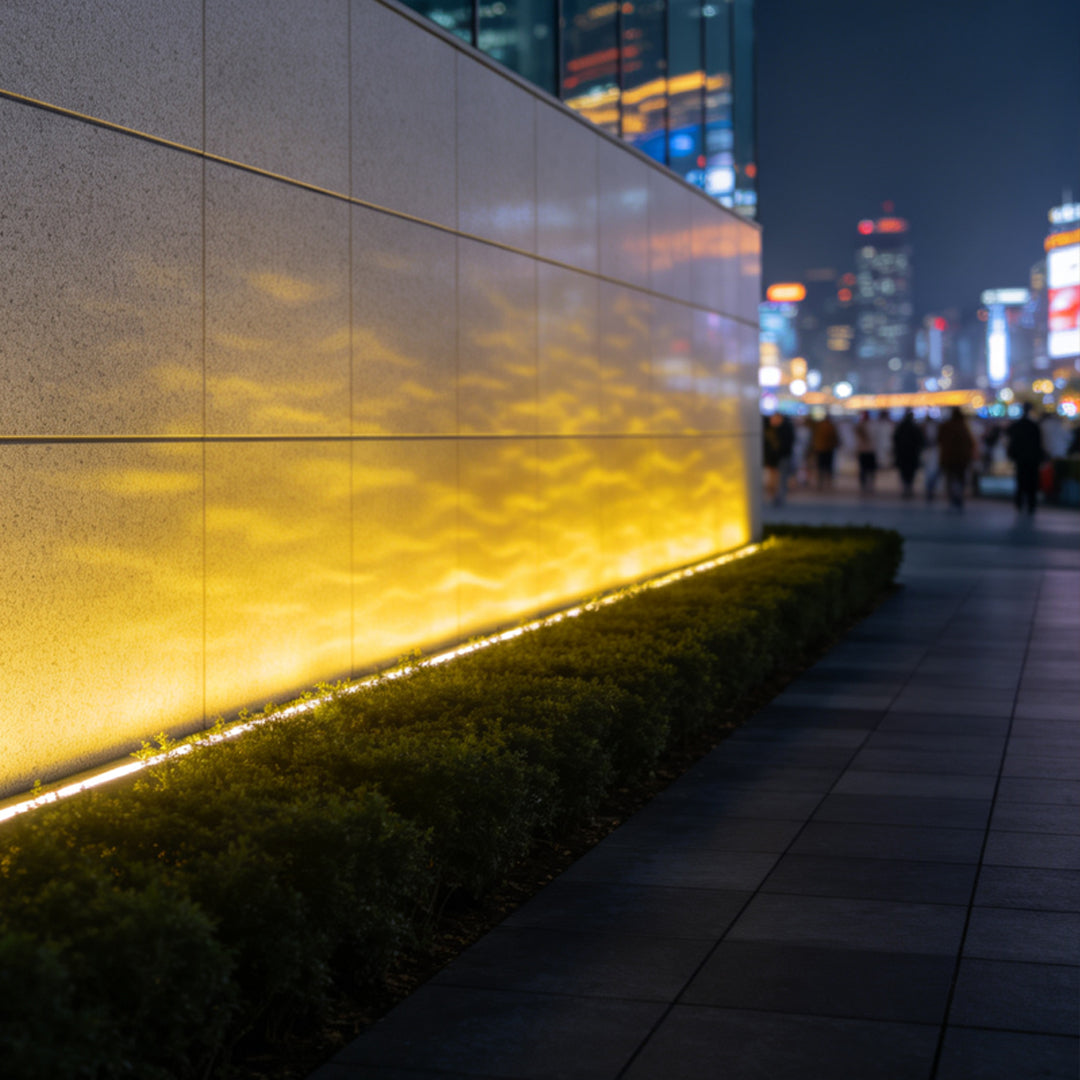
Wide decorative flood effect
LED Flood Light Fixtures Linear Water Ripple Waterproof Light
Price: $306.99
Best for facades, courtyards, and garden areas where you want a wider decorative ripple effect with warm outdoor illumination.
- Designed to project dynamic water ripple patterns onto outdoor surfaces.
- Gray aluminum housing with transparent tempered glass shade.
- Wall-mounted outdoor fixture for landscape and architectural decoration.
Outdoor Wall Placement Tips That Matter
Start With The Viewing Angle
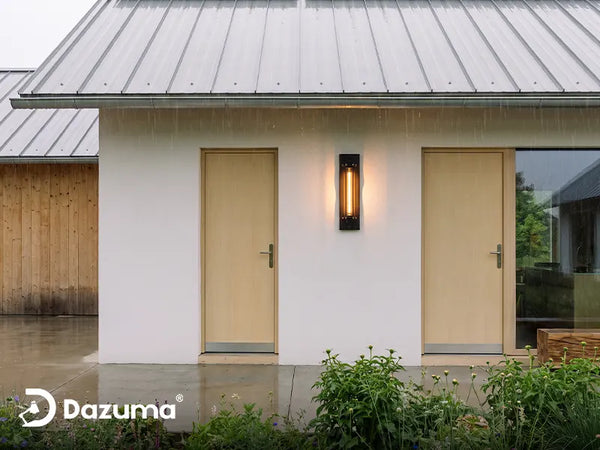
Before choosing a fixture, stand where people actually see the wall: the street, driveway, patio table, front walk, pool edge, or kitchen window. A light that looks beautiful from one angle may show the bare fixture or glare from another. Outdoor wall lighting should be planned from the viewer’s path, not only from the wall elevation.
Use Distance To Control Texture
For wall wash lighting, distance from the wall changes the result. Closer placement creates stronger shadow and texture. Farther placement creates a softer and more even wash. This is why mockups matter. Tape one fixture position, test at night, then adjust before final wiring or trenching.
Keep Flood Lights Lower In Glare
Flood lights should generally aim downward toward the usable area. If the beam is pointed straight out, it may feel bright without making the ground safer. It can also create harsh glare on glass doors, shiny vehicles, and neighboring properties.
For broader exterior planning, Outdoor Lighting can be a practical starting point because wall lights, path lights, spotlights, and flood lights often work together rather than separately.

Glare Control: The Detail That Separates Good Lighting From Bad Lighting
Most disappointing outdoor wall lighting is not too dim. It is too uncontrolled. The eye sees the lamp, the hot spot, or the reflection before it sees the wall. Wall wash fixtures often have an advantage because they can be shielded, linear, recessed, or aimed along the surface. Flood lights need more care because their job is to send light over a larger zone.
Look for shields, baffles, adjustable brackets, warm color temperature, and reasonable output. Brighter is not always better. On a residential wall, a gentle vertical glow often feels more expensive than a high-output blast. If you need higher brightness for security, consider separating the layers: use a flood light for the driveway and a lower-output wall wash for the facade.
For strongly architectural homes, categories like Flood Lights should be compared by beam control, aiming flexibility, not just wattage or price.
Aiming Is Part Of The Design
After installation, return at night and make final adjustments. Turn the fixture slightly, reduce output if possible, and check the view from inside nearby rooms. The best aiming often feels subtle.

Common Mistakes To Avoid
Using Flood Lights For Every Exterior Wall
Flood lights are useful, but they are not the default answer for curb appeal. If the wall is near a front door, patio, or seating area, a broad beam can feel harsh. Start with the desired nighttime mood first, then choose the fixture family.
Choosing Wall Wash Lighting Without Testing Texture
A surface that looks smooth during the day may show waves, patch repairs, uneven paint, or siding defects at night. Wall washing can flatter a wall, but close grazing can also reveal imperfections. Test before committing to a full row.
Ignoring Maintenance Access
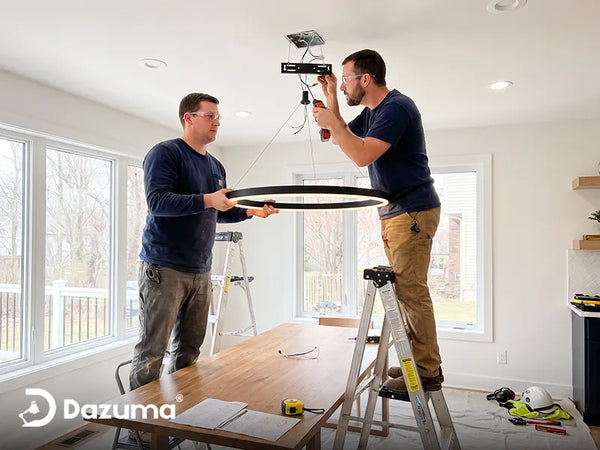
Outdoor fixtures collect dust, pollen, mineral spots, leaves, and spider webs. Place fixtures where lenses can be cleaned and brackets can be adjusted. A buried or hidden fixture may look great on day one but perform poorly after one season.
Mixing Too Many Effects On One Wall
A wall does not need wall washing, uplighting, downlighting, color changing, and flood lighting all at once. Pick one dominant effect and let the rest support it. Restraint usually reads as more premium.
Simple Decision Guide For Homeowners
| Your Goal | Better Starting Point | Reason |
|---|---|---|
| Make a front facade feel upscale | Wall wash lighting | Creates controlled vertical glow and curb appeal |
| Brighten a driveway or side yard | Flood lights | Covers more ground with fewer fixtures |
| Highlight stone or brick texture | Wall wash or wall grazing | Angle and distance can reveal surface depth |
| Support cameras or nighttime work | Flood lights | Prioritizes visibility and area coverage |
| Create a calm patio background | Wall wash lighting | Adds depth without making the seating area feel exposed |
Final Advice: Choose The Effect Before The Fixture
The better choice depends on what you want the outdoor wall to do. If you want the wall to become part of the architecture, start with wall wash lighting. If you need safer movement across a larger outdoor area, start with flood lights. If you need both, separate the layers instead of forcing one fixture to do every job.
For most residential curb appeal projects, wall wash lighting gives the more refined result because it controls the surface and keeps the scene calmer. For large-area visibility, flood lights remain valuable, but they should be aimed, shielded, and sized with care. The best outdoor walls at night are not simply bright. They are readable, comfortable, and intentional.