
Who This Is For: This guide is for homeowners who want their living room, bedroom, dining area, or open-plan space to feel warmer and more relaxing at night—but keep finding that “warm bulbs” alone do not create the cozy atmosphere they imagined.
A cozy room is not simply a dim room. You can install a 2700K bulb, turn the brightness down, and still end up with a space that feels flat, gloomy, or strangely harsh. The reason is that atmosphere comes from the distribution of light just as much as the color of the light itself.
Rooms feel comfortable in the evening when brightness is spread across several smaller sources, when walls and objects receive a gentle glow, and when the brightest part of the lamp is not staring directly into your eyes. In other words, cozy ambient lighting comes from controlling height, direction, contrast, color temperature, and glare together.

Quick Answer: Cozy Lighting Is About Layers, Not One Dim Bulb
If you want a cozy ambient lighting vibe, start with this sequence:
- Dim or reduce the main overhead light.
- Add one or two lower light sources near seating or furniture.
- Keep most evening light around 2700K to 3000K.
- Use shades, frosted glass, walls, or ceilings to diffuse and reflect light.
- Keep exposed bulbs out of normal seated sightlines.
- Leave some areas darker so the room has depth instead of uniform brightness.
- Put different lighting layers on separate switches, dimmers, or controls.
The biggest mistake is trying to make the entire room cozy with one central fixture. A ceiling light can provide useful general illumination, but atmosphere usually comes from the quieter sources around the room.
What Actually Makes Lighting Feel Cozy?
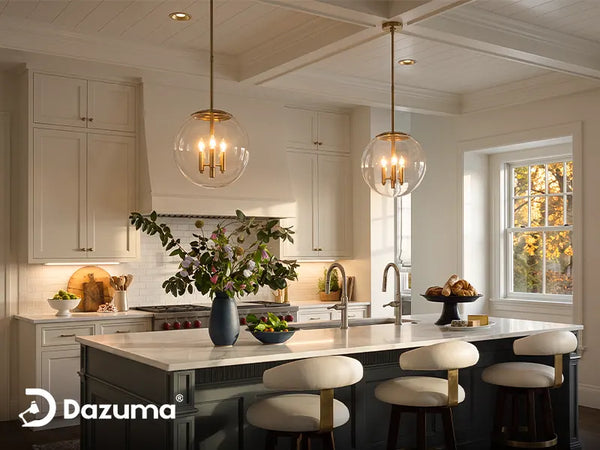
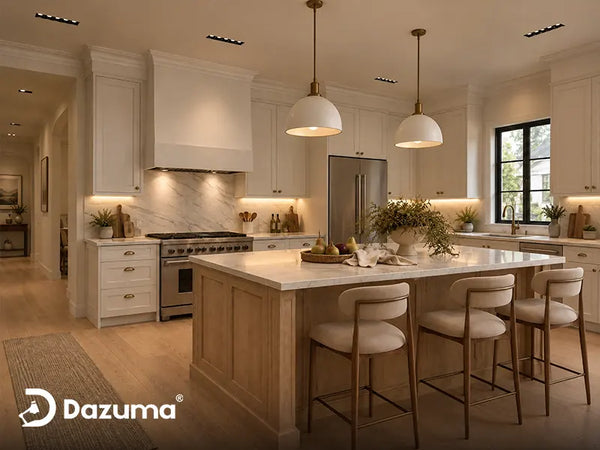
Think about a restaurant, hotel lounge, or living room that feels especially comfortable at night. The room is rarely illuminated like an office. Instead, there are brighter and darker areas, light appears on walls and tabletops, and the source itself is often hidden behind a shade or diffuser.
That contrast is important. If every wall, corner, floor, and ceiling has the same brightness, the room can feel flat even when the color temperature is warm. Cozy lighting needs visual hierarchy: some surfaces glow, some remain quiet, and your eye naturally moves toward seating, artwork, a dining table, or another focal point.
This is why adding more fixtures does not necessarily mean creating more brightness. The real benefit of having more than one light source is having more control.
Step 1: Stop Asking the Ceiling Light to Do Everything

Use the Overhead Light as a Base, Not the Whole Plan
If the room currently depends on one ceiling fixture, start by turning it down or switching it off for a few minutes. Notice which areas immediately become too dark. Those are the places that need a second lighting layer.
You may discover that the sofa needs a lamp, the fireplace wall needs a soft glow, or the dining area needs light lower to the table. Solve those specific dark zones instead of increasing the output of the center fixture.
In a living room, the overhead light is often most useful for cleaning, finding dropped items, or temporarily increasing visibility. For relaxing in the evening, lower-level light generally feels more intimate because it illuminates people, furniture, and walls instead of concentrating attention on the ceiling.
Step 2: Build Light at Three Different Heights
One of the easiest ways to make a room feel professionally lit is to stop placing every source on the same visual plane.
A practical cozy setup usually includes:
- High light: a dimmed ceiling light, pendant, chandelier, recessed light, or light reflected from the ceiling.
- Middle light: wall sconces, shaded floor lamps, or other sources close to standing eye level.
- Low light: table lamps, bedside lamps, shelf lighting, or small decorative lamps.
The middle and low layers are especially important because they bring light closer to furniture and people. A pair of well-placed Table Lamps can make a large sofa area feel more intimate without requiring a major electrical renovation.
For corners where you do not have a side table, Floor Lamps can create a similar lower-level pool of light. The key is to keep the lamp close enough to the seating zone that it feels intentional rather than like a bright object standing alone in a dark corner.
Step 3: Keep Evening Light in a Warm Color Family
2700K to 3000K Is the Sweet Spot for Most Cozy Rooms
Color temperature is measured in Kelvins. Lower numbers look warmer and more golden; higher numbers look cooler and whiter. For living rooms, bedrooms, and dining spaces, 2700K to 3000K usually creates the most comfortable evening atmosphere.
2700K feels softer and more traditional. 3000K looks slightly cleaner while still reading as warm white. The important thing is consistency: a 2700K table lamp beside a 5000K ceiling light will look mismatched even if both fixtures are attractive.

Do not confuse Kelvin with brightness. A 2700K bulb can still be painfully bright, and a 4000K bulb can be dim. Color temperature determines the appearance of the white light; lumens determine how much light the source produces.
If several rooms are visible at once, keep the evening color temperatures reasonably close. This matters especially in open floor plans. Dazuma's guide on How to Mix Lighting in an Open Floor Plan explains why connected fixtures should coordinate without looking like an identical matching set.
Step 4: Lower Brightness Without Making the Room Gloomy
Cozy lighting needs restraint, but “turn everything down” is not a complete strategy. If you dim one central light until it is barely visible, the room may simply become dark.
A better approach is to redistribute brightness. Use the ceiling layer at a low level, then add small pools of useful light where people actually sit, read, eat, or walk. The room can have a modest total amount of light and still feel comfortable because important surfaces remain visible.
Think in Lighting Zones
A sofa conversation area does not need the same brightness as a reading chair. A dining table does not need the same lighting as the surrounding walls. Treat each area as a small scene.
Dimmers are valuable because they let the same fixture support different moments. A chandelier may be brighter during dinner preparation, then lower once everyone is seated. A ceiling fixture may be bright during cleaning and nearly disappear once table and wall lights take over.
Leave Some Darkness in the Room
This is one of the most useful principles for creating atmosphere: not every corner needs to be illuminated. Small areas of shadow create depth and make the glowing areas feel warmer. If you illuminate every surface equally, you lose the contrast that makes ambient lighting feel intentional.
Step 5: Light Walls and Ceilings, Not Just Floors

Reflected Light Makes a Source Feel Larger and Softer
Light aimed at a pale wall or ceiling spreads across a larger surface before returning to the room. That usually feels gentler than a concentrated beam pointing directly downward.
This is why shaded lamps and Wall Sconces can change the atmosphere so quickly. They introduce light onto vertical surfaces, which makes the room feel visually fuller without making the floor excessively bright.
If your room has textured plaster, brick, stone, curtains, wood paneling, or built-in shelves, use gentle side or upward light to reveal those surfaces. Texture becomes part of the atmosphere because it creates small highlights and shadows.
In a television room, indirect wall lighting can also reduce the uncomfortable contrast between a bright screen and a completely dark background. Keep the light away from direct screen reflections and avoid placing a visible bare bulb beside the television.
Step 6: Hide the Brightest Part of the Bulb
A room can be technically dim and still feel harsh if you can see the light source directly. This is glare.
Check the room from normal eye level, not only while standing. Sit on the sofa. Sit in the dining chair. Lie back on the bed. If you can see the bare bulb beneath a lampshade or directly into an intense LED source, the fixture may feel uncomfortable even at moderate output.
Use deeper shades, frosted glass, fabric diffusers, opal glass, indirect wall light, or better fixture positioning to shield the source. A lamp does not have to hide all brightness, but the brightest point should not dominate your field of view.
This is one reason well-designed portable lighting can have more effect on atmosphere than simply changing the central bulb. If you are deciding whether a prominent living-room lamp is worth investing in, the Dazuma guide Are Designer Table Lamps Worth It for Living Rooms? explains how scale, shade design, and light diffusion affect the room as much as decorative style.
Step 7: Let Shades and Materials Soften the Glow
Use Materials That Glow Rather Than Sparkle
Fabric shades, frosted glass, opal glass, paper-like diffusers, woven materials, and some natural stone shades soften light by spreading it across a larger surface. Clear glass and exposed bulbs can still look beautiful, but they usually create more sparkle and contrast.
For a cozy room, decide whether you want the fixture itself to be the bright focal point or whether you want the surrounding room to glow. Most relaxing spaces benefit from at least some diffused sources.

Warm materials also change how light is perceived. Wood, brass-toned metal, cream fabric, warm neutral walls, and textured rugs reflect warm light differently from glossy white tile or cool gray stone. You do not need to redesign the room, but lighting works best when it responds to the surfaces already there.
Room-by-Room Cozy Lighting Guide
| Room | Ambient Base | Best Cozy Layer | Evening Color Temperature | Avoid |
|---|---|---|---|---|
| Living Room | Dimmed ceiling or reflected light | Table lamps, floor lamps, wall light | 2700K–3000K | One bright overhead source at full output |
| Bedroom | Soft ceiling light or indirect ambient light | Bedside lamps or sconces | 2700K | Cool white light near bedtime |
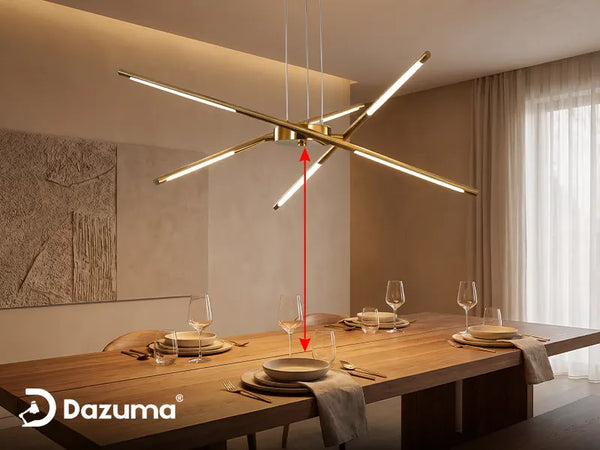
| Dining Room | Dimmable chandelier or pendant | Wall light, sideboard lamp, candles as decor | 2700K–3000K | Lighting the whole room like a kitchen workspace |
| Open Plan | Separate ambient zones | Living-area lamps plus quiet wall lighting | Keep connected evening zones consistent | One brightness level for kitchen, dining, and sofa areas |
Living Room: Make the Seating Area the Brightest Comfortable Zone
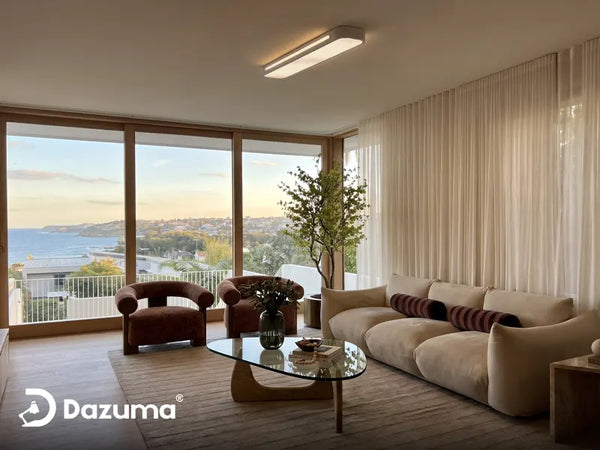
The sofa, chairs, coffee table, and nearby walls should feel visually connected. Place lamps close enough to the seating group that their pools of light overlap slightly. If the room is large, create several independent zones rather than trying to brighten the entire perimeter.
Bedroom: Move the Light Down Toward the Bed
In a bedroom, cozy lighting should become progressively lower and softer as bedtime approaches. Bedside lights let you turn off the main ceiling fixture while keeping enough visibility to read, move around, or get ready for sleep. Dazuma's Bedroom Lighting collection shows how ceiling, bedside, and wall-mounted sources can work together instead of competing.
Dining Room: Brighten the Table, Soften the Perimeter
A dining room often feels most intimate when the table is clearly visible and the perimeter is quieter. Dim the central decorative fixture until faces and food are comfortable, then use a sideboard lamp or wall light to keep the background from disappearing completely.
Common Cozy Lighting Mistakes
Using Warm Bulbs Everywhere but Leaving Them Too Bright
Warm color does not cancel glare. A high-output exposed 2700K bulb can still feel harsh. Adjust brightness and shielding as carefully as color temperature.
Putting Every Lamp in a Corner
Lamps work best when they relate to furniture or an architectural feature. A lamp pushed into an empty corner often illuminates the corner but does little for the people using the room.
Mixing 2700K, 4000K, and 5000K in the Same Evening Scene
Different color temperatures can be useful for different functions, but turning them on together in one relaxed space often creates a patchy, inconsistent appearance.
Making Every Surface Bright
Atmosphere depends on contrast. Allow shelves, corners, or sections of wall to remain darker. The eye needs somewhere to rest.
Ignoring the View From the Sofa or Bed
A beautiful fixture can become uncomfortable if the bulb is visible from the position where you actually relax. Always test glare from seated and reclining eye levels.
Buying More Fixtures Before Adding Better Controls
Sometimes the room already has enough lighting. The real problem is that everything turns on together. Dimmers, separate circuits, or individually controlled lamps can create more useful scenes without adding another fixture.
Cozy Ambient Lighting Checklist
- Dim the main overhead light and identify the areas that become too dark.
- Add lower light near seating, beds, dining surfaces, or architectural features.
- Use multiple heights instead of putting every source on the ceiling.
- Keep most evening lighting around 2700K to 3000K.
- Coordinate color temperature across rooms that are visible together.
- Use wall, ceiling, fabric, or frosted glass to diffuse light.
- Check glare from every important seated position.
- Leave some areas intentionally darker to create depth.
- Use dimmers or separate controls so the lighting can change with the activity.
- Stop adding lights when the room feels complete—not when every corner is bright.
Final Advice
If you want your home to feel cozy at night, do not begin by asking, “What bulb should I buy?” Begin by asking, “Where do I want the room to glow?”
That question changes the entire approach. You start lighting the sofa instead of the empty floor, the wall instead of the center of the ceiling, and the dining table instead of the entire open plan. You use several modest sources instead of one dominant source. You lower the light closer to people, soften it through shades and reflected surfaces, and leave enough darkness for the brighter areas to feel meaningful.
Warm color temperature helps, but cozy ambient lighting is really a composition of brightness, height, direction, material, and contrast. Once those pieces work together, the room feels calmer without feeling underlit—and you can shift from practical daytime brightness to a comfortable evening atmosphere simply by changing which layers are on.