
Who This Is For: This guide is for homeowners who have seen a beautiful porch light, outdoor wall sconce, or patio pendant and wondered whether it could work inside a hallway, bathroom, mudroom, kitchen nook, or living space.
Introduction
Outdoor light fixtures are no longer limited to porch lanterns and basic floodlights. Many modern exterior fixtures are slim, architectural, and surprisingly refined: matte black wall sconces, brass outdoor pendants, cylinder up-and-down lights, globe lanterns, wet-rated ceiling fixtures, and low-profile LED designs. Because of that, it is natural to ask: can you use outdoor lights indoors?
In many cases, yes. An outdoor-rated fixture can often be used indoors as long as the fixture is installed correctly, the electrical rating matches the location, and the style makes sense for the room. In fact, outdoor fixtures can be smart choices for indoor areas that deal with moisture, traffic, dirt, or visual clutter. Think mudrooms, laundry rooms, bathrooms, covered entry halls, home gyms, sunrooms, basements, and casual dining corners where a more durable fixture can still look polished.

Quick Answer: Can You Use Outdoor Lights Indoors?
Yes, you can usually use outdoor lights indoors, provided the fixture is listed for the electrical setup, compatible with the room conditions, and installed according to the manufacturer’s instructions. Outdoor-rated lights are typically designed for tougher environments than standard indoor fixtures, so using one indoors is often acceptable from a durability point of view. However, that does not mean every outdoor light is a good indoor choice.
The safest approach is to check three things before buying or installing: the location rating, the installation type, and the light output. Location ratings matter because lighting products are marked for dry, damp, or wet environments. Indoor rooms are not all the same. A bedroom is usually dry. A bathroom, laundry room, or enclosed porch may be damp. A shower area or indoor pool room can require a more specific wet-location or damp-location rating depending on exact placement. If there is any question about electrical code, moisture, or wiring, use a licensed electrician.
Installation type also matters. A hardwired outdoor wall light is not a plug-in lamp just because it is decorative. A low-voltage landscape light is not automatically suitable as a regular wall fixture, and a solar outdoor light may not charge reliably indoors. In short, choose outdoor fixtures like real indoor lighting: with attention to scale, glare, color temperature, dimming, and maintenance.
Why Outdoor Fixtures Can Look Good Inside
One reason outdoor fixtures work indoors is that they often have a stronger silhouette. Outdoor wall lights, lanterns, and ceiling lights are designed to be seen against large surfaces such as siding, brick, stone, or stucco. When you bring that kind of fixture inside, it can make a flat wall, blank hallway, or plain mudroom feel more designed.
Another reason is durability. Many outdoor fixtures use finishes and materials intended to resist moisture and wear. In indoor spaces where fingerprints, humidity, backpacks, coats, pet traffic, and cleaning products are part of daily life, that can be helpful. A simple fixture from an Outdoor Lighting collection may feel less fragile than a delicate decorative indoor sconce in a busy entry or utility area.

They Add Structure To Utility Spaces
Mudrooms, laundry rooms, and back entries often feel like afterthoughts. A clean outdoor-style sconce can make these spaces look finished without requiring a delicate glass shade or ornate detail. The effect is practical but still warm: bags, coats, and shoes are easier to see, while the room feels less like a storage corner.
Outdoor fixtures can also create a transitional look. If your home has black exterior lanterns, bronze porch lights, or modern exterior cylinders, using a similar style inside the entryway can make the indoor and outdoor areas feel connected. This works especially well in homes with covered porches, black-framed doors, stone fireplaces, exposed beams, or large windows facing the yard.
The Rating Check Before You Install One
Before you fall in love with the look, check the fixture rating. A fixture suitable for wet locations is built to handle direct exposure to rain or water. A damp-rated fixture is meant for moisture and condensation but not direct water contact. A dry-rated fixture is meant for dry indoor locations only. Outdoor fixtures are often wet-rated or damp-rated, but you should still read the product page, label, or installation manual rather than assuming.
Using a wet-rated or damp-rated fixture indoors is usually less risky than using a dry-rated fixture outdoors, but the rating still needs to match the room. Bathrooms, laundry rooms, enclosed porches, spa rooms, and garages can expose fixtures to moisture, temperature changes, or condensation. In those areas, the extra protection of an outdoor-rated fixture can be useful.
| Fixture Rating | What It Usually Means | Indoor Use Case |
|---|---|---|
| Dry Rated | Designed for dry indoor areas only. | Bedrooms, living rooms, dining rooms, dry hallways. |
| Damp Rated | Handles moisture or condensation, not direct water spray. | Powder rooms, covered entries, laundry areas, some bathrooms depending on placement. |
| Wet Rated | Designed for locations where water may drip, splash, or reach the fixture. | High-moisture rooms, shower-adjacent zones when allowed by code, indoor garden rooms, enclosed pool areas. |
One practical detail homeowners often miss: outdoor fixtures may be sealed more tightly than indoor fixtures. That can be good for moisture protection, but it may also affect bulb replacement, heat management, or cleaning. If the fixture uses a replaceable bulb, confirm the allowed bulb type and maximum wattage. If it uses integrated LED, confirm that the color temperature and brightness are right before installation, because you may not be able to swap the light source later.
Smart Indoor Lighting Ideas By Room
The best indoor uses for outdoor fixtures are rooms where the fixture’s ruggedness, shape, or moisture rating solves a real design problem. The goal is not to make the inside of your home look like a patio. The goal is to borrow outdoor lighting’s durability and visual strength in the right places.
Entryways And Hallways
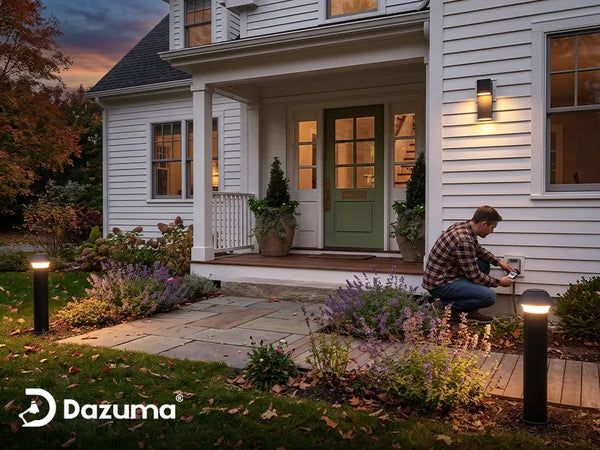
A pair of exterior-style sconces can make an entryway feel grounded and architectural. This works especially well if the front door has black hardware, bronze accents, or a glass-and-metal design. In a narrow hallway, choose a slim fixture with controlled light rather than a bulky lantern that sticks too far into the path. Many Outdoor Wall Lighting styles are strong enough visually to frame a console table, bench, or mirror.
Bathrooms And Powder Rooms
Outdoor-rated wall lights can be smart in bathrooms because they are often better prepared for moisture than delicate indoor-only decorative fixtures. The main issue is placement. A sconce beside a mirror may only need damp-location suitability, while a fixture near a shower may require a different rating depending on local code and manufacturer instructions. For mirror lighting, also watch glare. Clear glass outdoor sconces can sparkle beautifully, but they can be too harsh at face level. Frosted glass, opal shades, or shielded designs tend to be more flattering.
Bathroom Lighting Needs Softer Control
Outdoor fixtures can survive moisture, but indoor bathrooms need comfort. Choose warm or neutral light, keep the fixture close to eye level only if the shade is soft, and avoid exposed high-output LEDs that create sharp reflections in mirrors.

Mudrooms, Laundry Rooms, And Garages
These are some of the easiest places to use outdoor fixtures indoors. They handle humidity, dust, frequent cleaning, and daily bumps better than many decorative indoor lights. In a laundry room, a compact ceiling fixture or wall light can make the space feel brighter without looking precious. In an attached garage entry, a sturdy outdoor sconce can create a more welcoming transition into the home.
Kitchens And Breakfast Nooks
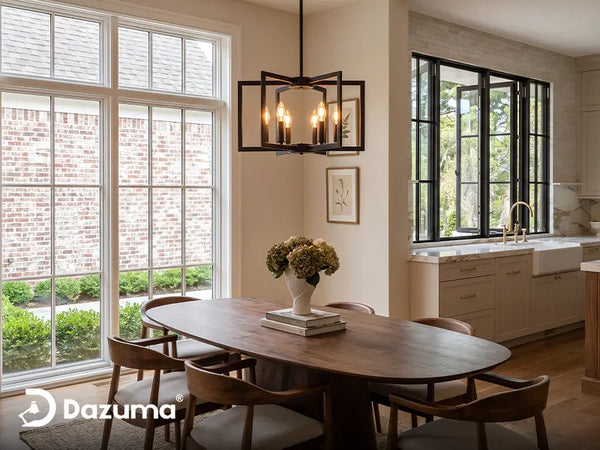
Outdoor pendants can work indoors if they are scaled correctly. A heavy lantern that looks balanced over a porch may feel oversized above a small breakfast table. A slimmer exterior pendant, however, can look beautiful over a casual eating area, especially in farmhouse, coastal, industrial, or transitional interiors. If you are exploring covered-porch style fixtures, compare them with Outdoor Hanging Lights that have softer shapes and more indoor-friendly glass.

Style Rules That Make It Feel Intentional
The main risk of using outdoor lights indoors is that the fixture can look misplaced. To avoid that, repeat at least one design element already present in the room. A black outdoor lantern feels intentional if the room has black cabinet pulls, black door hardware, black window frames, or a dark metal table base. A brass outdoor sconce works better when there are warm wood tones, antique brass knobs, or warm neutral walls nearby.
Scale is just as important. Outdoor lights are often built to read from the street, so they may be larger than expected. Indoors, you view the fixture from a few feet away. If it projects too far from the wall or hangs too low, it can feel clunky. For hallways and small rooms, choose a fixture with a lower profile. For vaulted ceilings, sunrooms, or larger entry spaces, a bolder outdoor pendant may work.
Light direction matters too. Many exterior wall lights are designed to throw light up, down, or outward. Indoors, that can create dramatic shadows. This can be attractive on a textured wall, but uncomfortable next to a mirror, sofa, or dining chair. Before installing a strong exterior sconce inside, imagine where your eyes will be when you sit, stand, or walk past it. If glare is a concern, the same principles in How to Avoid Glare from Outdoor Wall Lights: Light That Welcomes, Not Blinds are useful indoors as well: shield the light source, aim light toward surfaces, and avoid bare high-output bulbs at direct eye level.

Use Directional Light As An Accent, Not A Flood
Up-and-down outdoor sconces can look striking on indoor stone, plaster, or wood walls. The trick is using them as accent lighting rather than the only light source. Let them add depth, then rely on ceiling lights, lamps, or recessed lighting for everyday brightness.
Ceiling fixtures follow the same logic. A flush outdoor ceiling light may be practical for a laundry room, basement, or enclosed porch, but it should not look like a utility fixture unless that is the style you want. If the room has low ceilings, compact Outdoor Ceiling Lights with clean diffusers often work better than bulky cage designs.
Smart Controls, Dimmers, And Sensors
Outdoor fixtures can be part of a smart indoor lighting plan, but control compatibility must be checked carefully. Many outdoor lights are integrated LED fixtures. Some are dimmable, some are not. Some need a specific dimmer type, while others may flicker if paired with the wrong control. If you want mood lighting in a hallway, bathroom, or dining nook, confirm dimming before installation. For a deeper overview of dimming comfort and compatibility, see Mastering Dimmable LED Lights: Ambiance, Smart Buys & Fixes.
Motion sensors can be helpful indoors, but only in the right rooms. A motion-sensor outdoor wall light may be useful in a garage entry, basement stair, storage room, or mudroom where hands are often full. In a living room or bedroom hallway, it may turn on too often and feel intrusive. Timer controls are better for entry lights that you want on in the evening but off overnight. Smart bulbs can work if the fixture accepts replaceable bulbs and the shade does not trap too much heat, but always check the bulb and fixture instructions.
| Control Type | Best Indoor Use | Watch Out For |
|---|---|---|
| Dimmer | Entryways, bathrooms, dining corners, accent walls. | Fixture and bulb must be dimmable and compatible with the dimmer. |
| Motion Sensor | Mudrooms, garage entries, utility rooms, storage areas. | Sensor range may be too wide for small indoor rooms. |
| Timer Or Smart Switch | Evening entry lighting, hallway welcome lights, vacation mode. | Some integrated LED fixtures have specific control requirements. |
| Smart Bulb | Fixtures with replaceable bulbs where color tuning is useful. | Enclosed shades and heat buildup may limit bulb options. |
Common Mistakes To Avoid
Choosing A Fixture That Is Too Bright
Outdoor fixtures are often designed to compete with darkness, distance, and exterior surfaces. Indoors, the same output can feel harsh. For integrated LED fixtures, check brightness and color temperature before buying. For replaceable-bulb fixtures, start with lower-lumen bulbs and add other light layers instead of making one outdoor fixture do all the work.
Using Clear Glass In The Wrong Place
Clear glass lanterns expose the bulb. Indoors, that bulb is closer to your eyes and more likely to create glare. Frosted, seeded, ribbed, opal, or shaded glass is usually more comfortable near mirrors, sofas, dining chairs, and beds.
Ignoring Projection, Power, And Placement
An outdoor wall light may project 7, 9, or 12 inches from the wall. That may be fine on a porch but awkward in a hallway. Solar fixtures also may not charge reliably indoors. Measure first, confirm the power type, and use outdoor styling in moderation so the room feels designed rather than themed.
Buying Checklist Before Using Outdoor Lights Indoors
Before choosing an outdoor fixture for an indoor room, run through this quick checklist:
- Is the fixture rated for the actual room conditions: dry, damp, or wet?
- Does it fit the wall, ceiling, junction box, and available clearance?
- Is the brightness comfortable for indoor viewing distances?
- Is the color temperature warm enough for the mood you want?
- If it is integrated LED, are you comfortable with the fixed output and color?
- Will the finish coordinate with door hardware, faucets, cabinet pulls, or furniture?
- Should an electrician install it because of moisture, wiring, or code concerns?
For hanging styles, make sure the fixture does not hang too low or feel too heavy. A covered patio pendant can sometimes work over an indoor breakfast table or sunroom seating area, but the canopy, chain, shade size, and bulb visibility should all feel indoor-friendly.
Final Advice
Outdoor lights can absolutely be used indoors when the fixture is properly rated, correctly installed, and chosen with indoor comfort in mind. The best uses are not random. They usually happen in rooms where durability, moisture resistance, strong shape, or architectural light adds real value: mudrooms, bathrooms, entry halls, laundry rooms, sunrooms, basements, casual kitchens, and transition spaces between the house and the yard.
The biggest design secret is restraint. Use outdoor lighting indoors when it solves a problem or strengthens the room’s character. Choose the right scale, soften glare with the right shade or bulb, and coordinate the finish with nearby hardware. Done well, an outdoor-rated fixture looks smart, durable, and intentional.