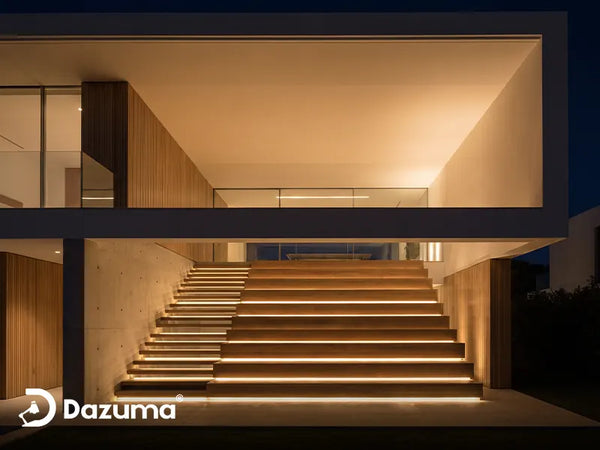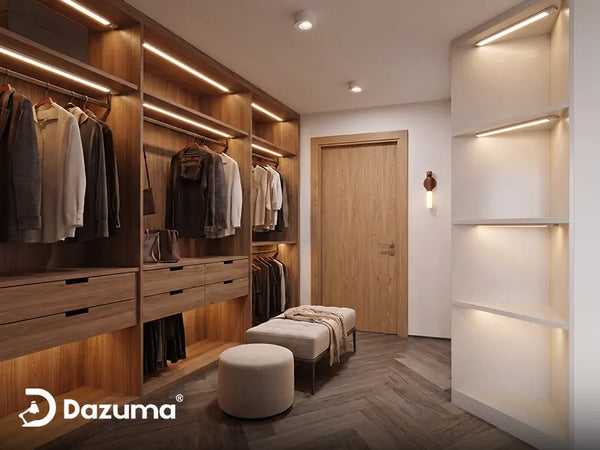

Who This Is For: This guide is for homeowners who already have a patio, porch, deck, balcony, courtyard, or backyard seating area and want to add lighting without tearing everything apart or making the space feel overbuilt.
Introduction
Adding lighting to an existing outdoor space is different from designing lighting for a new build. You are working around finished siding, planted beds, patio furniture, deck boards, ceiling beams, outlets, and habits that already exist. The goal is not to cover the whole yard in light. The goal is to make the space easier to use after sunset while keeping the atmosphere comfortable.
The most successful updates usually begin with small, purposeful layers: one safer path, one better door zone, one softer seating area, and one detail that makes the space feel finished. Before buying fixtures, study how people actually move. Where do they step down? Where do they unlock the door? Where do they sit with drinks? Where does the yard disappear into darkness?

Quick Answer: How Do You Add Lighting To An Existing Outdoor Space?
Start by identifying the zones that need light: entry, seating, dining, steps, pathways, walls, and landscape edges. Then choose the least disruptive power approach that still fits the job. Solar lights can work for sunny secondary areas. Plug-in outdoor lights are useful for flexible decorative lighting. Low-voltage landscape lighting is better for paths, steps, and garden beds. Hardwired fixtures make sense when you need a permanent wall, ceiling, or post-mounted solution.
For most homes, the best plan combines two or three fixture types instead of relying on one bright light. Broad Outdoor Lighting collections are helpful at the browsing stage, but your final choices should come from the space itself. A narrow side yard needs guidance. A covered patio needs mood and visibility. A courtyard entry needs depth. A deck needs edges clearly marked.
One important safety point: do not treat every fixture as outdoor-ready. A light made only for indoor dry locations should not be installed on an exposed patio, open pergola, damp porch edge, or anywhere wind-driven rain can reach it. If a fixture is not clearly rated for the actual location, use it only in a dry enclosed area or choose an outdoor-rated alternative.

Walk The Space After Dark Before Buying Anything
Daytime photos make outdoor areas look simple. At night, the priorities change. You may discover that the patio table is fine, but the step from the house is hard to see, or that one wall light creates glare while the path remains dark.
Audit The Existing Outdoor Space First
Before you choose fixtures, make a short list of what the existing space already gives you. Check whether there is an outdoor outlet, a switch inside the door, an old wall sconce, a junction box under a covered ceiling, a transformer for landscape lights, or a solar-friendly area with direct sun. These details decide whether the update can be simple or whether it should involve an electrician.
Next, look for surfaces that can accept light naturally. A blank stucco wall can hold a sconce. A fence can support low accent lighting if wiring is protected. Deck fascia can hide low step lights. A pergola beam can support outdoor-rated string lights. A garden bed edge can hold path lights without changing the patio itself.
This is also the right moment to set a realistic budget. If you are unsure how much of the space to update at once, compare your plan with How Much Does Outdoor Lighting Really Cost in 2025?. A few thoughtful fixtures often beat a large purchase that still misses the main problem areas.
Choose A Power Option That Fits The Project
The power source matters as much as the fixture style. Existing outdoor spaces usually fall into four practical paths: solar, plug-in, low-voltage, and hardwired. Each has a place. The mistake is choosing the easiest option for an area where reliability matters, or choosing the most permanent option before you know whether the placement is right.
| Power Option | Best Use | What To Watch |
|---|---|---|
| Solar | Sunny garden edges, secondary paths, decorative accents | Shade, winter performance, battery aging |
| Plug-In Outdoor | String lights, temporary patio lamps, seasonal ambience | Outdoor-rated cords, GFCI protection, trip hazards |
| Low Voltage | Paths, steps, garden beds, retaining walls, accent lights | Transformer sizing, wire runs, weatherproof connections |
| Hardwired | Permanent wall, ceiling, post, and entry lighting | Fixture rating, junction box support, local code, electrician labor |
If the space already has a wall fixture near the door, upgrading that point may be the most efficient first step. If the patio has no outlet and no existing wiring, low-voltage or solar may be more realistic than trying to add overhead lighting immediately. For permanent electrical work, especially new wiring, outdoor boxes, switches, or ceiling fixtures, use a qualified electrician.
Build Lighting In Layers, Not Random Fixtures
Outdoor lighting feels best when every fixture has a job. Think of the space in layers: ambient light for general comfort, task light for cooking or dining, path light for movement, wall light for depth, and accent light for plants or architecture. You do not need every layer in every yard. You need the layers that match how the space is used.
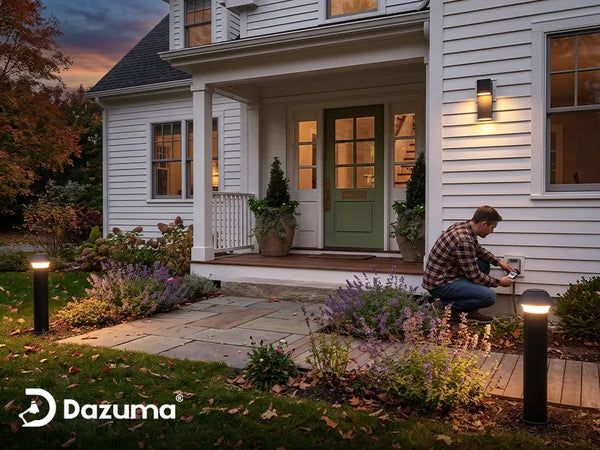
Wall lighting is often the most useful addition because it attaches to an existing vertical surface and changes the way the patio feels. A pair of low-glare sconces can frame a door, define a seating wall, or bring shape to a blank fence. For homeowners who want a cleaner permanent upgrade, Outdoor Wall Lighting is usually a better starting category than overly decorative table pieces.
Use Walls To Give The Space Depth
A single overhead light can make a patio look flat. Wall lighting adds vertical glow, helps people understand the boundary of the outdoor room, and makes plants and furniture feel connected to the house.

Use Statement Ceiling Lighting Only In The Right Conditions
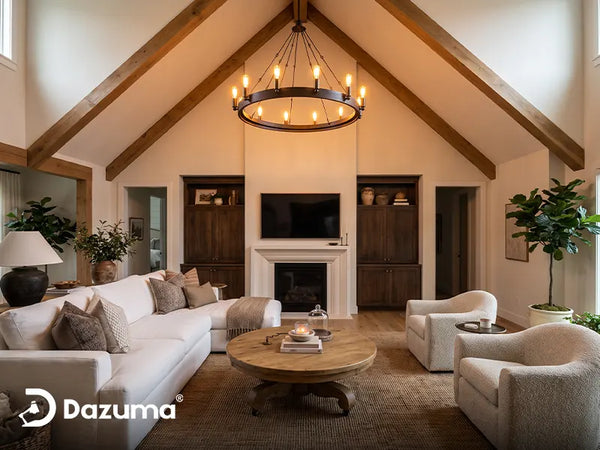
Many homeowners want to add a chandelier or pendant to an outdoor dining area because it makes the space feel like a real room. That can be beautiful, but the location must be correct. A fully exposed patio needs outdoor-rated or wet-rated lighting. A covered porch edge may still be damp if wind-driven rain, condensation, or humidity reaches the fixture. A dry enclosed sunroom, glassed-in porch, or indoor dining room that opens to the patio is different.
If you want a statement overhead piece in a dry, enclosed, outdoor-adjacent room, a chandelier can visually connect the interior dining area to the backyard beyond it. For broader style exploration, the table and room-scale logic in How to Design Landscape Lighting: A Step-by-Step Guide for Homeowners also applies here: decide what the light should do before deciding how decorative it should be.
For a dry interior dining zone beside the patio, Chandeliers can add character and create a more finished transition from inside to outside. The key is not to install an indoor-rated chandelier in an exposed outdoor location.
A Vintage Chandelier For A Dry Indoor-Outdoor Dining Transition
If your existing outdoor space is connected to an enclosed dining room, sunroom, or covered room that stays dry, a vintage chandelier can create the sense that the outdoor area begins before guests even step outside. This is best used as an indoor-adjacent design move, not as an exposed patio fixture.
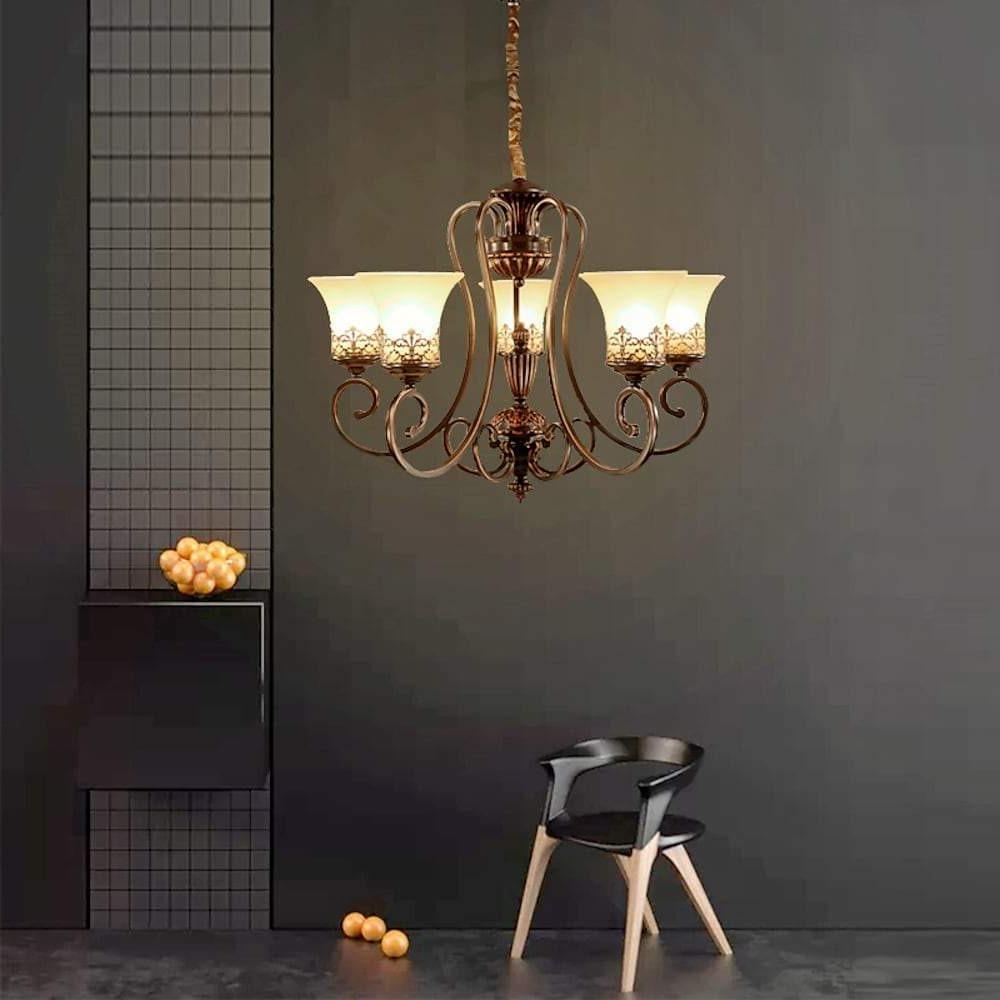
5-light Bending Metal Bar Upside Down Glass Shade Vintage Chandelier Ceiling Light
$655.99
Best for a dry enclosed dining room, sunroom, or indoor patio-adjacent area where you want vintage warmth before the outdoor seating zone begins. The product page currently marks this selected option as out of stock, so check availability before planning installation.
- The bronze finish and white shades can soften a dining space that opens toward a darker backyard.
- The 5-light version measures 26.8 inches in diameter, giving visual presence without covering a large ceiling area.
- Use only in a dry indoor or properly protected enclosed location because the product page lists it as indoor.
Place New Fixtures Where They Solve A Problem
The best fixture location is usually where a person needs information. A light beside the door helps with keys, steps, and guests. A low path light helps the eye follow a curve. A wall wash helps define the outdoor room. A ceiling light over the dining table helps faces and food, but only if the ceiling height and fixture rating make sense.
In an existing patio, avoid placing lights just because a surface is available. A fixture centered on a wall may look symmetrical in daylight but shine directly into someone’s eyes at dinner. A line of path lights may look neat but make the lawn feel like a runway. Start with problem points: the step down, the dark grill corner, the side gate, the transition from deck to stone, and the route back to the house.
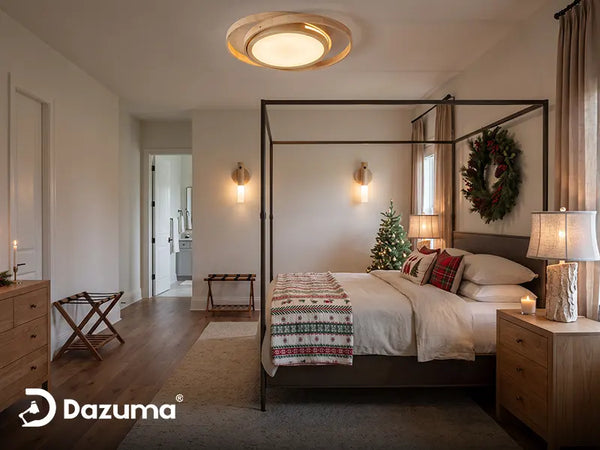
If you are adding overhead lighting to a covered structure, compare the fixture’s clearance with people seated and standing. Low ceilings usually do better with Outdoor Ceiling Lights or compact damp/wet-rated fixtures instead of a deep hanging piece. Taller rooflines can handle more visual weight, but the fixture still needs to be rated for the actual exposure.

Mark The First Five Important Points
Before choosing style, mark the door, the main path, the seating area, the step or level change, and one visual feature. These five points usually reveal whether the project needs wiring, solar, wall fixtures, or a simpler accent layer.
Create An Indoor-Outdoor Dining Feel In Enclosed Spaces
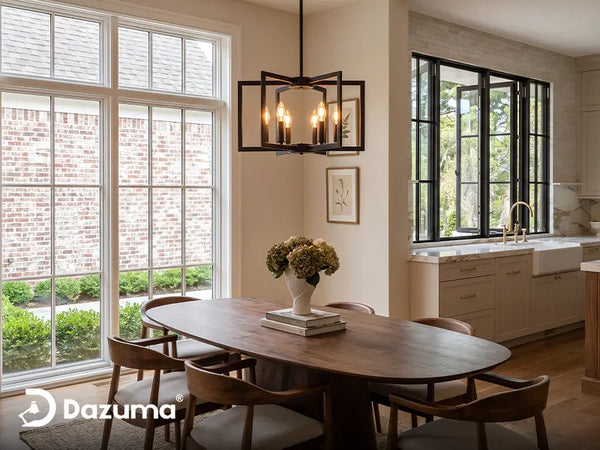
Some homes do not need more fixtures outside; they need better lighting at the threshold. A glass door, French door, sunroom, screened porch, or indoor dining area can set the tone for the outdoor space. If that transition zone is dark or unfinished, the patio beyond it can feel disconnected even if the backyard lighting is good.
This is where a decorative chandelier can be useful in a dry, enclosed setting. It frames the view, creates a warm visual destination, and helps the outdoor area feel like part of the home’s living space. Just separate style inspiration from safety. A fixture listed as indoor should stay in a dry indoor or enclosed room. For exposed exterior areas, choose outdoor-rated pendants, ceiling lights, wall lights, or low-voltage landscape fixtures.
A Floral Chandelier For A Dry Enclosed Garden Room
For a sunroom, enclosed porch, or dining nook looking onto the garden, a floral chandelier can add a softer, more romantic layer than a basic ceiling light. It works best where the goal is mood and character, not broad utility lighting over an exposed patio.

Vintage Floral Chandelier Vintage Rustic Branch Ceiling Light
$436.99
Best for a dry enclosed sunroom, garden-view dining area, or interior room that visually connects to an outdoor entertaining space. It should not be treated as an exposed outdoor fixture.
- The floral glass shades add garden-inspired detail that pairs naturally with plant views and patio doors.
- The 12-head option measures 25.98 inches wide and suits smaller enclosed dining or lounge areas.
- Multiple head counts allow the design to scale up for a larger dry interior room connected to an outdoor space.
Existing Outdoor Space Lighting Plan
A simple lighting plan can be more useful than a long shopping list. Match each area with a purpose first, then choose the fixture type. This keeps the project from becoming a random mix of decorative lights.
| Area | Lighting Goal | Good Fixture Types | Avoid |
|---|---|---|---|
| Back Door | Safe entry and visibility | Outdoor wall light, ceiling light, motion light | Glare directly at eye level |
| Patio Seating | Comfortable conversation | Wall lights, string lights, table lamps, low accents | One harsh overhead source |
| Path Or Garden Edge | Guidance and shape | Path lights, bollards, low-voltage spotlights | Overly tight runway spacing |
| Covered Ceiling | Table light or general ambience | Outdoor-rated ceiling light or pendant | Indoor-only fixture in damp or wet exposure |
| Enclosed Sunroom | Indoor-outdoor visual transition | Chandelier, pendant, wall sconces | Pretending dry-rated fixtures are exterior-rated |
Let The Dark Areas Stay Partly Dark
An existing backyard does not need light everywhere. Keep some plant beds and distant corners softer so the seating area feels cozy instead of overexposed.

Common Mistakes To Avoid
Using Indoor Fixtures Outside Because The Area Is Covered
A roof does not automatically make a location dry. Humidity, condensation, wind-driven rain, and temperature changes still matter. If the fixture is listed for indoor use only, keep it in an indoor or fully enclosed dry room.
Installing The Brightest Fixture First
Brightness is not the same as usefulness. A bright wall light can create glare and make the surrounding yard look darker. Lower, warmer, and better-aimed fixtures often feel more comfortable.
Forgetting Switches And Controls
A beautiful lighting plan becomes annoying if every layer is hard to control. Think about where the switch is, whether a timer makes sense, and whether the dining, path, and accent zones should operate separately.
Ignoring Maintenance Access
Existing outdoor spaces often have furniture, planters, railings, and tight corners. Make sure bulbs, lenses, solar panels, transformers, and junction boxes can be reached after installation.
Final Advice: Add The Light The Space Is Asking For
The best way to add lighting to an existing outdoor space is to listen to the space first. If the main problem is movement, light the path and steps. If the patio feels flat, add wall or accent light. If the dining area feels disconnected from the house, improve the threshold or enclosed room that leads outside. If the yard simply needs mood, one warm low layer may be enough.
Do the project in phases if needed. Start with the door, the route, and the main seating area. Test how the space feels after sunset. Then add decorative or statement lighting only where it supports the way people actually use the space. A thoughtful plan will make the existing patio or backyard feel more finished without making it look crowded, unsafe, or overdesigned.