
Who This Is For: This guide is for homeowners replacing bulbs or choosing fixtures before fall evenings move indoors, especially when a cozy living room, a busy kitchen, and a dining area share one view.
Introduction
When the sun starts setting before dinner, electric light becomes the main color in a home for more of the day. A bulb that seemed fine in July may make a fall living room look flat at 7 p.m. A kitchen that feels inviting during breakfast may seem too yellow for precise prep work at night. Choosing among 2700K, 3000K, and 4000K is less about finding one winning number and more about deciding what each room must do after dark.
One clarification matters at the outset: 4000K is generally a neutral to cooler-looking white, not a warm white. It can be useful for tasks, but it gives a different impression from 2700K and 3000K. A warm fall home can still have a 4000K work light in a focused location; that does not mean every visible fixture should change to 4000K.

The Quick Answer: Start at 2700K or 3000K, Use 4000K Selectively
2700K is a good starting point for a relaxed living room, bedside lamp, or intimate dining scene. 3000K is a versatile warm white when you want the room to feel welcoming but a little cleaner and clearer. 4000K suits some dedicated work areas, such as a laundry counter, garage bench, or a kitchen task source when a more neutral appearance helps. It may feel stark as the only light in a room meant for winding down.
These are design starting points, not rules about visibility or safety. A well-placed 2700K task lamp can illuminate a book better than a poorly aimed 4000K ceiling light. Lumens describe light output; Kelvin describes the color appearance of that light. Fixture optics, shades, surfaces, and placement determine how much useful light reaches the task.
Browse living room lighting by the kind of light a fixture produces, as well as its shape. A shaded lamp that gently lights faces and a bare bulb at eye level will feel different even with the same 2700K label.
What Kelvin Does and Does Not Tell You
Correlated color temperature, or CCT, describes the apparent color of white light. Lower Kelvin numbers appear warmer, often with more yellow or amber in the impression. Higher numbers appear more neutral or cool. The scale can feel backward if you think of an object getting hotter: for household bulbs, simply remember that a smaller K number usually looks warmer.
Kelvin does not tell you how bright the bulb is. Two bulbs can both be rated at 800 lumens and have different color temperatures. They may seem subjectively different because cool-looking light can make certain surfaces appear crisper, but the stated output is a separate specification. Color temperature also does not tell you whether the light renders a red throw, autumn leaves, or food naturally. That depends on color quality as well as the room's materials.
For this reason, do not buy by Kelvin alone. Compare the lumens, dimming behavior, beam distribution, and color rendering information available for the actual bulb or integrated fixture. A frosted shade softens the visible source; a narrow spotlight concentrates light on a small area. Both may say 3000K, but they will produce different rooms.
Why Fall Changes the Decision
The same lamp works longer each evening as the days shorten. Daylight no longer balances a bulb's warmth or coolness, and windows become dark reflective surfaces. You may also spend more time reading, preparing meals, or entertaining indoors. The right question is not “Which Kelvin looks like fall?” It is “What does this space need at the hours we now use it?”

Compare the Same Scene
When you test bulbs, keep the fixture, shade, position, and approximate output as similar as possible. Otherwise, you may be judging a brighter beam or different shade rather than the color temperature. Look at a white wall, a person's face, and a familiar fabric from your normal seat.
Make the comparison after sunset. During the day, window light can hide a color mismatch that becomes obvious in the evening.
2700K vs 3000K vs 4000K at a Glance
| CCT | Typical Appearance | Fall Home Starting Point | Check Before Choosing |
|---|---|---|---|
| 2700K | Soft, familiar warm white | Living room lamps, bedrooms, relaxed dining | Enough output and a clear task light where needed |
| 3000K | Warm white with a cleaner appearance | Shared living and dining spaces, kitchen general light | How it looks beside existing 2700K lamps |
| 4000K | Neutral to cooler white | Focused task areas where clarity is preferred | Whether it clashes with warm rooms in the same view |
Some packages describe 4000K as “cool white” and others as “neutral white.” Those marketing names vary; the Kelvin number is the more useful comparison. Even bulbs with the same stated CCT may not look perfectly identical because their color rendering and manufacturing tolerances differ. If multiple exposed bulbs will be seen together, testing one before buying the entire set is sensible.
Where Each Color Temperature Works Best in Fall
Living Room: 2700K or 3000K for the Evening Base
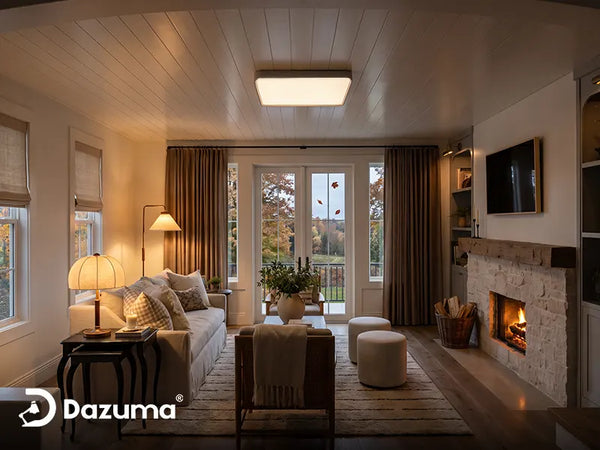
For conversation, television, and a quiet evening, 2700K often makes wood, textiles, and skin look inviting. If the room has pale contemporary finishes or connects directly to a brighter kitchen, 3000K can provide a slightly clearer impression while remaining warm. Neither choice fixes glare from an exposed bulb. Use shaded sources at more than one height and keep a dedicated reading light where someone sits with a book.
Consider table lamps when a side table is close to the reader or sofa. A lamp may be 2700K while still giving plenty of useful page light if its output and position suit the task. The broader guide to cozy ambient lighting at home explains why distribution and glare control matter as much as a warm color label.
Dining Area: Keep Faces and Food in One Warm Family
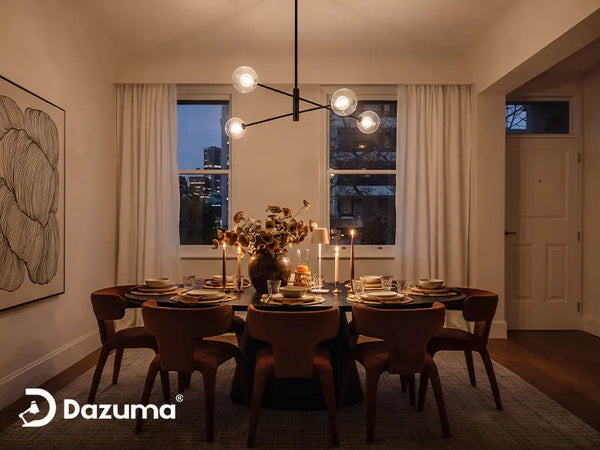
Around 2700K can make a small dinner feel relaxed; 3000K can keep a larger table and serving area feeling a little more defined. If the chandelier and sideboard lamp operate together, compare them in the same evening scene. A 4000K buffet lamp beside a very warm chandelier may make the plates and faces look inconsistent as people move around the room.
Choose a controllable brightness level before debating 2700K versus 3000K. Dinner calls for enough light to see food and faces without a bright source in guests' eyes. If a fixture is dimmable, verify that its bulbs or integrated LED work with the control. The dining room lighting collection can help compare fixture shapes, but the bulb or integrated light specification determines the available color choices.
Make Dinner Look Like One Scene
Put a white napkin and a plate of colorful food on the table, then view them under the chandelier and a sideboard light. If the same white looks amber in one place and stark in the other, the mismatch will be noticeable all evening. Bring the visible layers closer in color, or keep the cooler task source confined to the work area.
Do this with the actual shades installed. Glass, fabric, and a warm-colored wall can change the impression of the light.

Kitchen: 3000K as a Comfortable Default, 4000K for Specific Tasks
A kitchen used for both cooking and conversation often benefits from 3000K general lighting. It can feel connected to warmer rooms while remaining clear enough when fixtures are properly placed. At the counter, a dedicated source is more important than simply choosing a higher Kelvin number. A ceiling light behind the cook can still cast a shadow over the cutting board at 4000K.
Some households prefer 4000K at a laundry counter, pantry work area, or kitchen task zone where they want a more neutral-looking white. If it is directly visible beside 2700K pendants or living room lamps, test the transition at night. Separate controls let the task source turn off when cooking ends. Browse kitchen lighting by the surface and activity it must illuminate, then check each product's actual CCT and dimming specifications rather than assuming a whole collection has one color.
Bedroom, Bathroom, and Work Space
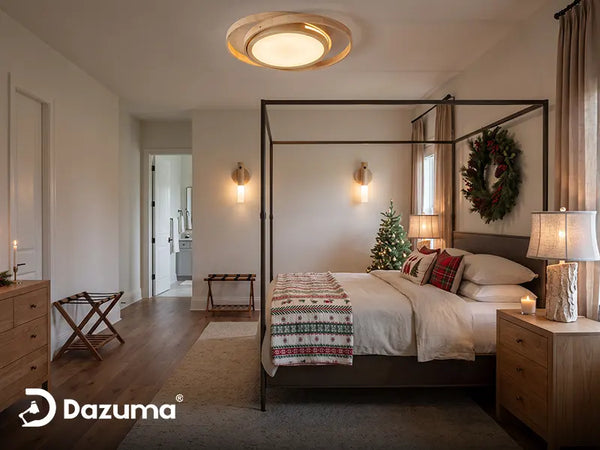
A bedroom used mainly for winding down usually feels comfortable with 2700K. A bedside reading lamp can have its own brighter pool of light without changing the entire ceiling to 4000K. In a bathroom, 3000K is a reasonable starting point for a balanced residential look; a more neutral task source may appeal for grooming, but judge how faces appear at the mirror and whether a cooler light spills into adjacent spaces.
A home office may need a clear work surface during the day and a gentler surrounding room after dark. If you choose 4000K at the desk, keep it controlled separately from the evening ambient layer. This is a preference and task decision, not a claim that one Kelvin number automatically improves concentration.
Mix 2700K, 3000K, and 4000K Without a Patchwork Effect
Imagine a fall evening with the living room at 2700K, dining area at 3000K, and kitchen task strip at 4000K. This can work if the first two spaces feel related and the 4000K source stays focused on a countertop. It may look disjointed if the cool strip reflects off a glossy backsplash and becomes the brightest feature visible from the sofa.
Think in terms of what the eye sees at once. A 2700K lamp beside a 3000K ceiling light can blend comfortably when their shades and surfaces soften the difference. Put two bare bulbs of those colors side by side and the difference may be more conspicuous. A larger jump to 4000K is easier to accept when it is tied to a clear task and can be switched off independently.
For a detailed plan across connected zones, see how to mix lighting in an open floor plan. A useful fall-night test is to stand at the transition and look in both directions with the actual evening scenes on. The goal is a gradual visual handoff, not identical bulbs in every room.

Keep the Coolest Source on the Task
A task light can be a different color without defining the entire open-plan space. Aim it at the counter, avoid a bare view of the LEDs from the sofa, and give it a separate switch. When the work ends, the warmer layers can set the shared evening mood.
Check reflections in polished counters and dark windows. A small cool source can look much larger if it is mirrored into a main sightline.
Color Quality, Dimming, and Glare Can Matter More Than One Kelvin Step
Color rendering describes how naturally an object appears under a light compared with a reference. It is separate from the warm-to-cool color temperature. If fall textiles, food, or skin look dull under a bulb, check its available color rendering information and compare it with another source in the actual room. A 2700K label alone cannot promise rich, natural colors.
Brightness control gives a room more range than buying a single very low-output warm bulb. A brighter, suitable lamp can serve cleaning or reading, then dim for conversation if the entire bulb, fixture, and control combination supports it. Do not assume that a fixture described as “three-color” or “tunable” also dims in brightness. Those are different capabilities; inspect the product details and compatible control list.
At night, a visible bulb or sharp reflection can make an otherwise warm room feel uncomfortable. Shade the source, redirect the beam, or reposition the fixture before moving from 3000K to 2700K in search of softness. A warm spotlight aimed at a seated person's face remains a spotlight.
If the fixture has integrated LEDs, check whether its color is fixed, selectable during installation, or adjustable in daily use. A selectable CCT switch inside a housing may be intended for setup, not an everyday scene change. Access and electrical work should follow the manufacturer's instructions; use a qualified professional for permanent wiring where appropriate.
A Simple Fall-Evening Bulb Test Before You Commit
- Choose one representative fixture. Compare 2700K and 3000K in a shaded lamp or ceiling position you use regularly.
- Keep other variables steady. Use comparable output and the same shade so the Kelvin difference is easier to see.
- Test after sunset. View a face, white paper, wood or fabric, and a task surface from normal seats.
- Check the adjacent room. Turn on the lights you normally use together, then stand at the doorway or open-plan boundary.
- Try a 4000K task source separately. Confirm it improves the work surface without dominating the social room.
- Test dimming and reflections. Look for flicker, glare, and a cool strip reflected in glass or polished counters.
- Buy the remaining matching bulbs. Record the chosen model and color information so replacements remain consistent.
One Bulb Can Save a Whole-Room Rework
Try a single candidate where it matters before replacing every visible lamp. A swatch of paint looks different in a store than on your wall; bulbs can be just as surprising beneath your shade and beside your finishes. The evening test also exposes problems of brightness or glare that a color-temperature chart cannot predict.
When several fixtures will be visible together, keep the model information so you can repeat the successful choice.

Final Advice
For most fall evenings at home, 2700K and 3000K provide the warm family of light people expect in living and dining areas. Use 4000K when its more neutral appearance serves a specific task, and test how it looks from adjacent rooms. Kelvin selects a color impression; brightness, placement, color quality, and controls decide whether the room actually works.
Start with one bulb in a real fixture after sunset. That small test tells you more about your home than a universal room chart, and it helps you create a smooth transition from a clear work surface to a comfortable evening space.