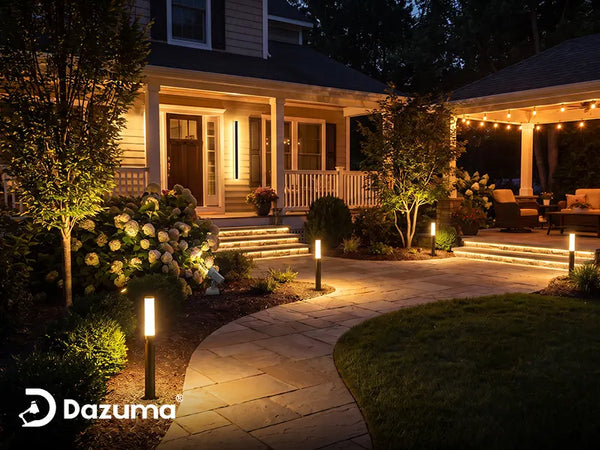

Security lighting is one of the most effective and affordable ways to protect your property. Well-designed exterior lighting can deter intruders, improve visibility, reduce accidents, and make your home feel safer after dark.
However, choosing the right security lights involves more than simply buying the brightest fixture available. Factors such as brightness, beam angle, sensor technology, weather resistance, and placement all play a critical role in achieving effective protection.
This guide explains how to choose security lights for your home and helps you identify the features that matter most for safety, performance, and long-term reliability.
Why Security Lighting Matters
Dark areas around a property provide hiding spots for potential intruders. Proper illumination increases visibility and makes suspicious activity easier to detect.
Security lighting also improves everyday safety by helping family members and guests navigate driveways, pathways, stairs, and entrances.
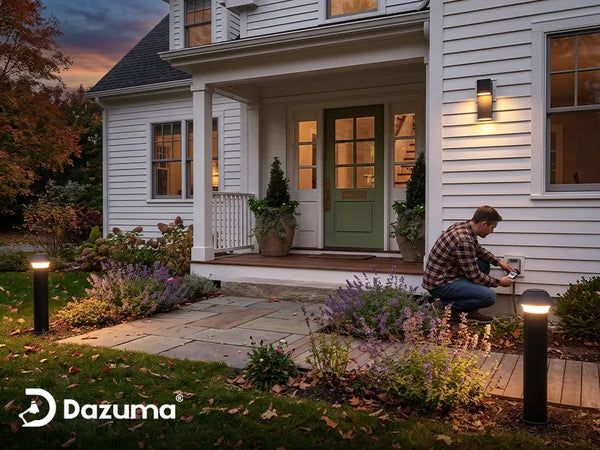
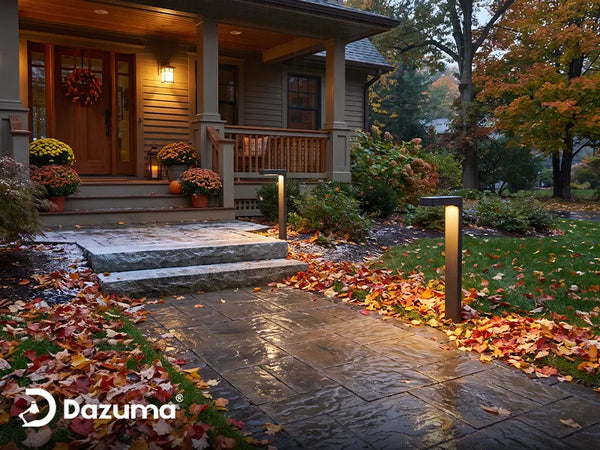
Many homeowners combine dedicated security fixtures with decorative Outdoor Wall Lighting to create a layered lighting design that enhances both security and curb appeal.
Choose The Right Brightness
Brightness is measured in lumens, not watts. Modern LED security lights produce significantly more light while consuming less energy than traditional bulbs.
The ideal brightness depends on the area being illuminated.
| Area | Recommended Lumens |
|---|---|
| Front Door | 700-1300 |
| Driveway | 1300-2500 |
| Backyard | 2000-4000 |
| Large Side Yard | 2500-5000 |
More brightness is not always better. Excessively bright fixtures can create glare and deep shadows that reduce visibility rather than improve it.

For most residential applications, LED security lights between 1500 and 3000 lumens provide an excellent balance between visibility and energy efficiency.
Choosing fixtures with adjustable brightness settings allows you to fine-tune illumination based on your property's specific needs.
Consider Motion Sensor Technology
Motion-activated lighting is one of the most popular security lighting options available today.
These fixtures remain off or dimmed until movement is detected, helping conserve energy while drawing immediate attention to activity around the property.
Look for adjustable features such as:
- Detection range
- Sensitivity settings
- Light duration timer
- Daylight override mode
Most modern motion sensors detect movement between 20 and 70 feet depending on installation height and surrounding conditions.
Select The Proper Beam Angle
Beam angle determines how widely light is distributed.
Narrow beams provide focused illumination for entryways and gates, while wider beams cover larger areas such as driveways and backyards.
As a general guideline:
- 30°–60° Beam: Accent and focused security lighting
- 90°–120° Beam: General residential security
- 180°+ Beam: Floodlight applications
Pay Attention To IP Ratings
Since security lights are exposed to rain, dust, humidity, and temperature fluctuations, weather resistance is critical.
| IP Rating | Protection Level | Recommended Use |
|---|---|---|
| IP44 | Splash Resistant | Covered Locations |
| IP65 | Dust Tight, Water Jet Resistant | Most Security Lighting |
| IP67 | Temporary Immersion Protection | Extreme Weather Areas |
For most homes, IP65-rated fixtures provide sufficient protection and durability.
Weather-resistant construction is especially important for lights mounted near rooflines, garages, and exposed exterior walls.
Investing in high-quality fixtures often reduces maintenance costs and extends product lifespan significantly.

Determine The Best Installation Locations
Strategic placement is just as important as fixture selection.
The most effective security lighting locations include:
- Front door and porch
- Garage entrances
- Driveways
- Side yards
- Backyard access points
- Patios and decks
- Ground-floor windows
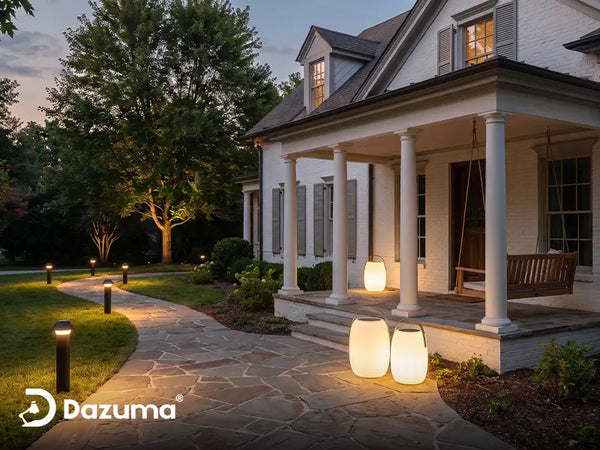
Combining security fixtures with Outdoor Lighting throughout the property helps eliminate dark zones that may attract unwanted activity.
Choose The Right Color Temperature
Color temperature affects visibility and aesthetics.
- 2700K–3000K: Warm White
- 4000K–5000K: Neutral White
- 5000K–6500K: Daylight White
For security applications, 4000K to 5000K is often recommended because it improves visibility while maintaining a natural appearance.
Consider Smart Security Lighting
Modern smart lighting systems offer additional convenience and control.
Features may include:
- Mobile app control
- Scheduling
- Remote monitoring
- Voice assistant integration
- Camera synchronization
- Automation routines
Smart security lighting can work alongside Landscape Lighting to create customized lighting scenes that improve both security and outdoor aesthetics.

Common Security Lighting Mistakes
- Installing lights too high
- Using excessively bright fixtures
- Ignoring motion sensor coverage zones
- Creating glare near entrances
- Overlooking side yards and backyard access points
- Choosing fixtures with inadequate IP ratings
Final Thoughts
The best security lighting combines proper brightness, intelligent placement, reliable weather resistance, and modern control features. By understanding lumens, beam angles, IP ratings, and motion sensor technology, you can create a safer and more secure environment for your family.
Ready to upgrade your home's security and curb appeal? Explore Dazuma's premium collection of Outdoor Lighting, wall lights, landscape fixtures, and exterior security lighting solutions designed for lasting performance and peace of mind.