
Most homeowners think patio lighting begins and ends with a single overhead fixture or a few string lights. While those elements certainly help, a truly well-designed patio relies on layered lighting that addresses multiple functional and visual zones.
If your outdoor space feels flat, lacks atmosphere, or becomes unusable after sunset, chances are you're missing several important lighting areas. Professional outdoor designers rarely illuminate only one part of a patio. Instead, they create layers of light that improve safety, comfort, aesthetics, and usability.
In this guide, we'll cover seven patio lighting zones you're probably missing and show you how to transform your backyard into a welcoming outdoor retreat.
Zone #1: The Dining Area
The dining table is often the focal point of a patio. Yet many outdoor dining areas suffer from either insufficient lighting or overly harsh illumination.
For dining spaces, aim for warm, comfortable light between 200 and 300 lumens per square meter. Pendant fixtures, overhead string lights, and covered-patio chandeliers work exceptionally well.
If your patio includes a pergola or covered structure, consider installing stylish Outdoor Pendant Lighting to create a defined gathering space while maintaining comfortable visibility during meals.

Dining zones should feel intimate rather than overly bright. Warm color temperatures between 2700K and 3000K typically create the most inviting atmosphere for entertaining guests.
Layering decorative fixtures above the table with subtle ambient lighting around the perimeter helps reduce harsh shadows while enhancing comfort.
Zone #2: Walkways And Traffic Paths
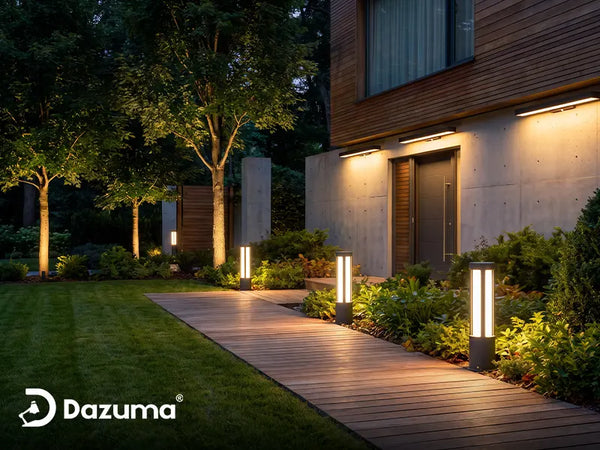
One of the most commonly overlooked patio lighting zones is the transition area connecting your patio to the yard, garden, driveway, or home.
Properly illuminated walkways improve safety and help guests navigate comfortably after dark.
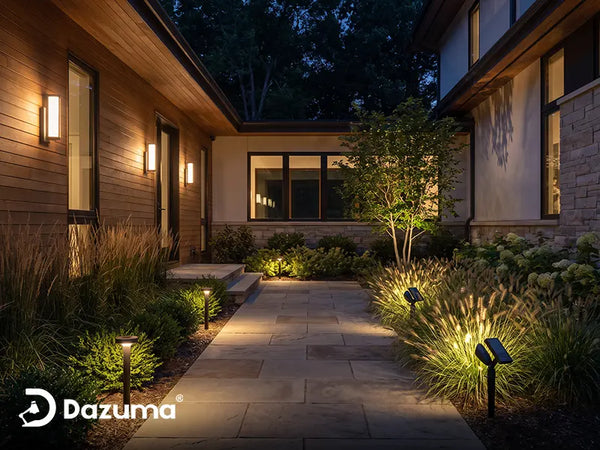
Professional designers often use Landscape Lighting to create subtle guidance without overpowering surrounding areas.
Zone #3: Patio Steps And Elevation Changes
Any elevation change presents a potential safety hazard at night. Even a single step can become difficult to see under low-light conditions.
Integrated step lights or recessed fixtures provide targeted illumination while maintaining a clean architectural appearance.
Many outdoor accidents occur because homeowners focus exclusively on decorative lighting and neglect functional safety lighting.
Zone #4: Seating And Conversation Areas
Most patios include spaces dedicated to relaxation, whether it's an outdoor sectional, lounge chairs, or a fire pit area.
These spaces require softer illumination than dining zones. The objective is comfort and ambiance rather than task lighting.
Wall sconces, indirect landscape lighting, and decorative lanterns can create a cozy atmosphere that encourages conversation.
Installing elegant Outdoor Wall Lighting near seating areas provides both visual interest and practical illumination.
The best conversation spaces feel warm, welcoming, and visually balanced without creating glare.

Zone #5: Architectural Features
Your patio is part of a larger outdoor environment. Highlighting nearby architectural elements can dramatically enhance the overall visual experience.
Consider illuminating:
- Stone columns
- Pergolas
- Outdoor fireplaces
- Accent walls
- Outdoor kitchens
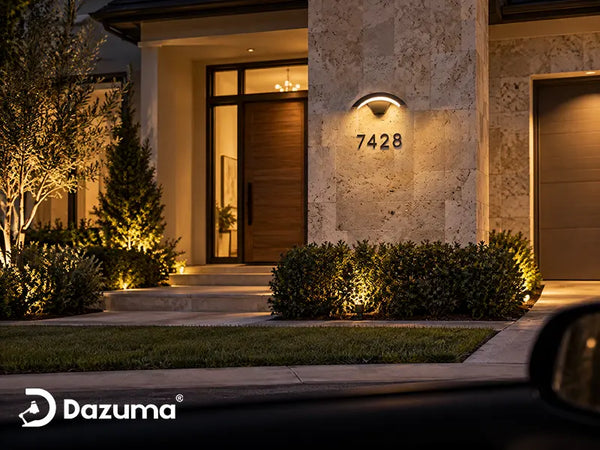
Strategic uplighting and wall grazing techniques add depth and sophistication that basic overhead lighting cannot achieve.
Zone #6: Landscaping Around The Patio
Many homeowners focus solely on the patio itself while leaving surrounding landscaping in darkness.
Illuminating trees, shrubs, flower beds, and garden features expands the perceived size of your outdoor living area.
Well-placed landscape fixtures create depth, visual layering, and a more luxurious nighttime appearance.
Zone #7: Patio Perimeter And Boundaries
The final zone is one of the most overlooked: the edges of your patio.
Perimeter lighting subtly defines outdoor spaces while improving visibility and orientation.
Boundary lighting can include low-level fixtures, fence lighting, planter illumination, or decorative string lights positioned around the patio's outer edges.

Recommended Patio Lighting Levels
| Patio Zone | Recommended Lux Level | Primary Purpose |
|---|---|---|
| Dining Area | 100–300 Lux | Dining & Entertainment |
| Walkways | 20–50 Lux | Safety |
| Steps | 50–100 Lux | Visibility |
| Seating Areas | 50–150 Lux | Comfort |
| Landscape Features | 30–100 Lux | Accent Lighting |
Why Layered Lighting Works Better
Professional outdoor lighting follows a simple principle: no single fixture should do all the work.
Layering ambient, task, accent, and safety lighting creates a balanced environment that feels both functional and luxurious.
Combining fixtures such as Outdoor Lighting, wall lights, landscape lights, and decorative pendants allows each zone to perform its intended role while contributing to the overall atmosphere.
Final Thoughts
If your patio feels underwhelming after dark, the issue may not be fixture quality—it may be missing lighting zones. By addressing dining areas, pathways, steps, seating spaces, architectural features, landscaping, and perimeter boundaries, you can dramatically improve both functionality and visual appeal.
Ready to upgrade your outdoor living space? Explore Dazuma's collection of premium Outdoor Lighting, landscape fixtures, wall sconces, and patio lighting solutions designed to bring every zone of your backyard to life.