
Who This Is For: This guide is for homeowners who are early in a remodel, walking through lighting options, and wondering what a wall sconce actually is, whether it is the same thing as a wall light or wall lamp, and where it makes sense in a real home.

Quick Answer: What Is A Wall Sconce?
A wall sconce is a light fixture mounted to a wall instead of a ceiling, table, or floor. In everyday terms, it is the kind of light you see beside a bathroom mirror, next to a bed, along a hallway, above a fireplace, or flanking a front door. Some sconces point light upward, some point downward, some glow through a shade, and some have an adjustable arm for reading.
The easiest way to understand it is this: a sconce uses the wall as its support. A wall sconce can be decorative, practical, or both. It may replace a bedside table lamp, add soft light to a hallway, give a powder room a more flattering glow, or help a living room feel layered instead of flat.
In many U.S. homes, sconces are not meant to be the only light in the room. They are usually part of a layered lighting plan. The ceiling light gives general brightness. Table lamps and floor lamps add comfort. Sconces fill in the middle layer at eye level, where rooms often feel bare, shadowy, or unfinished.
Why Designers Use Wall Sconces
As a designer, I usually bring up wall sconces when a room has one of three problems: there is not enough space for a lamp, the walls feel visually empty, or the room technically has enough light but still feels cold. That last one surprises homeowners. A bright ceiling fixture can make a room visible, but it does not always make the room feel inviting.
Ceiling light falls from above. It is useful, but it can create shadows under brows, cabinets, shelves, and furniture. Wall sconces sit closer to eye level, so they add warmth to vertical surfaces. This is why a hallway with two or three sconces often feels more welcoming than the same hallway with one harsh overhead light.
If you are still comparing lighting layers, it helps to think of ceiling lights as the room's main brightness and sconces as the mood, shape, and human-level comfort. One is not better than the other. They solve different problems.

Sconces Add Light Where People Actually See It
Most people notice walls before they notice the ceiling. A sconce brightens the vertical plane of a room, so the space feels more open and intentional. This is especially helpful in hallways, stair landings, powder rooms, and small bedrooms where overhead lighting alone can feel flat.
Wall Sconce Vs. Wall Light Vs. Wall Lamp
This is where homeowners often get confused, mostly because stores and manufacturers do not use the terms the same way. You may search for wall sconce, wall light, wall lamp, bedside wall light, or wall mounted lamp and see similar products. The overlap is real, but the words carry slightly different meanings.
A wall sconce usually sounds more decorative or fixture-like. It often refers to a light that is mounted to the wall and meant to look like part of the room's architecture. A wall light is the broader category. It can mean almost any light installed or mounted on a wall, including outdoor wall lights, vanity lights, picture lights, wall washers, and simple utility fixtures. A wall lamp often sounds more like a lamp attached to the wall, especially if it has a shade, swing arm, plug-in cord, or reading function.
| Term | Plain-English Meaning | Best Used For | What To Watch For |
|---|---|---|---|
| Wall Sconce | A decorative or functional fixture mounted to the wall. | Bedrooms, bathrooms, hallways, dining rooms, living rooms, entries. | Check height, glare, shade direction, and whether it is hardwired or plug-in. |
| Wall Light | A broad term for almost any light attached to a wall. | Indoor or outdoor use, general search, architectural lighting, security lighting. | The term is broad, so confirm the product type, brightness, direction, and location rating. |
| Wall Lamp | A lamp-style wall fixture, often with a shade, arm, or plug-in design. | Bedside reading, rental-friendly lighting, desks, small apartments. | Cord visibility, switch location, arm reach, and whether it looks too casual for the room. |
| Vanity Light | A wall-mounted light used around a bathroom mirror. | Bathrooms and powder rooms. | Avoid mounting only above the mirror if it creates shadows under the eyes and chin. |
| Wall Washer | A fixture designed to spread light evenly across a wall surface. | Textured walls, exterior facades, art walls, landscape features. | It is more about illuminating a surface than acting as a decorative sconce. |
Here is the practical shopping advice: if you want something decorative for a hallway, bedside, bathroom, or living room, search wall sconce first. If you are still exploring the full category, wall light is fine. If you need a reading light beside a bed or desk, especially one with an arm or plug-in option, wall lamp may lead you to better results.
Where Wall Sconces Work Best At Home
Wall sconces work best where you need light but do not want another object on the floor, counter, nightstand, or side table. They are especially useful in homes where every inch matters: narrow hallways, small bedrooms, compact bathrooms, apartment living rooms, and entryways with no room for furniture.
Bedroom: When Nightstands Are Too Small
One of the most practical places for sconces is beside the bed. If your nightstands are small, a pair of wall sconces can free up space for a book, phone, glass of water, or alarm clock. For reading, choose a sconce or wall lamp that directs light downward or has an adjustable arm. For atmosphere, choose a shaded or diffused style that softens the glow.
Placement matters more than people think. If you are planning bedside sconces, this related guide on how high to hang wall sconces next to bed is useful when you are deciding between hardwired and plug-in placement.
Bedside Sconces Are Not Only Decorative
A good bedside sconce solves a real daily annoyance: not enough nightstand space and poor reading light. The best height depends on your bed, mattress thickness, headboard, and whether you read sitting up or lying down.

Bathroom: Better Face Lighting
In bathrooms, sconces can be more flattering than one overhead fixture because they bring light closer to face level. If you have ever looked in a mirror and seen strong shadows under your eyes, nose, or chin, that is usually a lighting placement problem. A pair of sconces on both sides of the mirror often gives a more even result than a single ceiling light.
For bathrooms, pay close attention to damp-location suitability, shade material, and bulb color temperature. Around 2700K to 3000K feels warm and residential. Around 3000K to 3500K can feel cleaner for grooming without becoming too clinical. Very cool light can make a bathroom feel sharp and unflattering, especially at night.
Hallway Or Stair Landing: Light Without Clutter
Hallways are where wall sconces quietly earn their keep. A narrow hallway rarely has space for a floor lamp or console table. Sconces add rhythm to the wall, help guide people through the space, and make a plain passage feel designed. In a long hallway, spacing the fixtures evenly matters more than choosing the fanciest design.
Living Room: A Softer Alternative To More Lamps
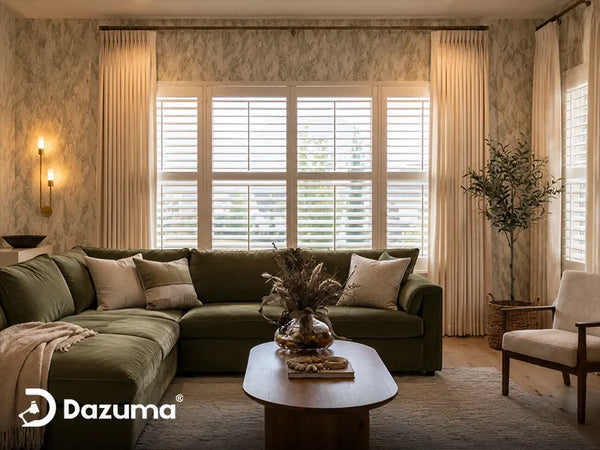
If your living room already has a sofa, coffee table, side chairs, and maybe a floor lamp, another table lamp can make the room feel crowded. Wall sconces can add glow without adding furniture. They work well beside built-ins, above a fireplace, around art, or on both sides of a large window.
For a room that needs a statement hanging fixture instead, pendant lighting may make more sense. The difference is simple: pendants create a focal point from above, while sconces shape the walls and side zones of a room.
Wall Sconce Height And Placement Basics
There is no single perfect wall sconce height, but there are good starting points. In many rooms, wall sconces are mounted so the center of the fixture sits around eye level, often somewhere near 60 to 66 inches from the floor. That range is not a law. It is a starting point that works because it keeps the fixture visually connected to the people using the room.
The correct height depends on the fixture shape, shade direction, ceiling height, furniture, and where your eyes naturally land. A tall sconce with a long body may need to sit lower than a tiny shaded fixture. A bedside sconce should relate to the mattress and headboard. A hallway sconce should avoid shining directly into the eyes as people walk past.

Think About Eye Level, Not Just Inches
Many placement mistakes happen because homeowners measure from the floor but forget the person using the room. Stand where you will brush your teeth, read, walk, or sit. The sconce should support that activity without shining directly into your eyes.
If you are installing a new hardwired fixture, review the electrical location early, before drywall repair, tile work, wallpaper, or custom millwork. Moving a junction box later is possible, but it can turn a small lighting choice into a bigger project. For more installation context, this guide on how to install a wall sconce light fixture can help you understand what decisions need to be made before the electrician arrives.
How To Choose The Right Wall Sconce
Start with the problem, not the style. Do you need reading light, mirror light, hallway guidance, accent glow, or a decorative layer? A beautiful fixture in the wrong role will still annoy you every day. A sconce that looks perfect in a product photo may be too dim for a vanity, too bright for a bedside, or too deep for a tight hallway.
1. Decide Whether It Is Task, Ambient, Or Accent Light
Task sconces help you do something specific, like read in bed or shave at the mirror. Ambient sconces add soft room light. Accent sconces highlight architecture, art, texture, or a special wall. The same fixture cannot always do all three well, so decide the main job first.
2. Check The Direction Of The Light
Upward sconces make a room feel taller and softer. Downward sconces are better for tasks and focused lighting. Up-and-down sconces create a more architectural effect. Shaded sconces diffuse light and feel cozy. Clear glass sconces show more sparkle but may create glare if the bulb is too bright or exposed.
3. Match The Installation Type To Your Remodel Stage
Hardwired sconces look cleaner because the wiring is hidden in the wall. They are ideal during remodels or new construction. Plug-in wall lamps are more flexible and easier for renters or finished rooms, but the cord becomes part of the look. Battery-powered options may be useful for a quick visual fix, but they are usually not the best choice for serious daily lighting.
4. Coordinate, But Do Not Over-Match
Your sconces do not need to match every light in the house. They should feel related. If your space already has black hardware, brass cabinet pulls, or warm wood, use those finishes as a guide. In a layered lighting plan, table lamps, ceiling fixtures, and sconces can mix finishes as long as the shapes and tones feel intentional.

Common Wall Sconce Mistakes
Mounting Too High
A sconce mounted too high can look disconnected from the furniture and may throw light in the wrong place. This often happens in bedrooms where the fixture is installed based on a generic wall measurement instead of the actual bed height. Tape the fixture size on the wall before installation. It is a simple trick, but it prevents a lot of regret.
Choosing Clear Glass Without Thinking About Glare
Clear glass can look beautiful, especially in bathrooms, hallways, and modern interiors. But if the bulb is visible and too bright, it can feel harsh. Consider frosted bulbs, lower-lumen bulbs, dimmers, or fabric/frosted shades if the sconce will be close to eye level.
Using A Tiny Sconce On A Large Wall
Scale is one of the most common design mistakes. A small fixture may look cute online but disappear on a tall stair wall or beside a large mirror. For a large wall, choose a taller sconce, a pair of sconces, or a style with enough visual weight to feel intentional.
Forgetting Switch Location
Think about how you will turn the light on and off. A bedside sconce needs a switch you can reach from bed. A hallway sconce may work best on a wall switch. A plug-in wall lamp may have an inline cord switch or a switch on the backplate. The switch sounds like a small detail until you use the light every night.
The Best Sconce Is The One You Will Actually Use
Pretty is not enough. The fixture needs the right brightness, switch location, shade direction, and scale. A successful sconce feels natural in your daily routine, not like a decorative object you have to work around.

Summary: The Simple Way To Think About Sconces
A wall sconce is a wall-mounted light fixture that adds function, atmosphere, and visual structure to a room. It is not just another decorative detail. In the right place, it can solve real problems: a dark hallway, a crowded nightstand, an unflattering bathroom mirror, a blank living room wall, or a room that feels technically bright but not comfortable.
The difference between a wall sconce, wall light, and wall lamp is mostly about scope and use. Wall light is the broadest term. Wall sconce usually suggests a more finished fixture mounted to the wall. Wall lamp often describes a lamp-like wall fixture, especially for reading or plug-in use. Once you understand that difference, shopping becomes much less confusing.
If you are still early in the selection process, start with the room problem first. Decide whether you need task light, soft glow, mirror lighting, or architectural accent. Then choose the size, light direction, finish, and installation type. That order will get you much closer to a sconce that looks good and makes everyday life easier.
For homeowners comparing broader lighting layers, it can also help to browse related categories such as Wall Sconces, Ceiling Lights, and Pendant Lighting side by side so you can see which layer your room is missing.