
Who This Is For: This guide is for homeowners who are still early in the remodel or lighting-selection stage and keep seeing phrases like “wall wash lighting,” “wall washer,” or “wall grazing” without knowing what they would actually look like in a real home.
Quick Answer: What Does The Wall Wash Lighting Effect Look Like?
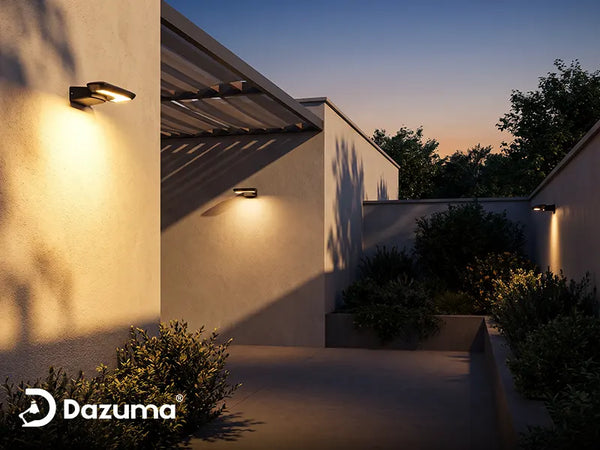
The wall wash lighting effect means spreading light smoothly across a wall so the surface looks brighter, cleaner, and more open. Instead of creating one small circle of light, the fixture is placed and aimed so the wall receives a wide, even layer of illumination. The result is soft and architectural: the room feels larger, the ceiling feels less heavy, and the wall becomes part of the lighting design instead of staying dark in the background.
In a real home, you might notice wall washing behind a sofa, along a long hallway, beside a staircase, across a textured outdoor wall, or on the front facade of a house. It is often used when a room technically has enough light, but still feels flat, shadowy, or unfinished. That is a common frustration I hear from homeowners: “We added brighter bulbs, but the space still looks dull.” The missing piece is often not more light in the center of the room. It is light on the vertical surfaces your eyes actually see.

Why Wall Washing Changes The Way A Room Feels
Most people think lighting is about brightness, but good residential lighting is just as much about where the brightness lands. A bright ceiling light can make the floor visible, but it may leave the walls looking gray and lifeless. Since walls make up a large part of what you see when you walk into a room, dark walls can make the whole space feel smaller, even when the light level is technically adequate.
Wall washing solves that by putting light on vertical surfaces. This is why designers use it in open living rooms, entryways, dining rooms, art walls, and exterior facades. It adds visual volume. It also helps your paint color, stone texture, wallpaper, plaster, or architectural detail show up after sunset. If you are comparing fixture families, a dedicated Wall Wash Lighting category is usually more relevant than a general decorative fixture category because the shape of the beam matters as much as the style of the fixture.
A simple way to think about it: ceiling lights help you see the room; wall washing helps the room feel designed. That difference matters when you want a home to feel warm, finished, and comfortable rather than just bright enough to function.
Wall Washing Vs. Wall Grazing Vs. Accent Lighting
These terms are easy to mix up because all three involve aiming light at a surface. The difference is the look you want. Wall washing is usually the smoothest and most forgiving. Wall grazing is more dramatic because it reveals texture. Accent lighting is narrower and more focused, usually meant to highlight one object or feature.
| Lighting Effect | What It Looks Like | Best For | Common Mistake |
|---|---|---|---|
| Wall Washing | A broad, even layer of light across the wall. | Smooth drywall, painted walls, galleries, facades, hallways. | Placing fixtures too close, which creates hot spots. |
| Wall Grazing | Light skims close to the wall, emphasizing texture and shadows. | Stone, brick, wood slats, rough plaster, exterior columns. | Using it on imperfect smooth walls, where flaws become obvious. |
| Accent Lighting | A tighter beam aimed at one object or small area. | Artwork, plants, sculptures, fireplace details, address signs. | Expecting one narrow beam to brighten an entire wall. |

If you are still choosing between the fixture and the effect, it may help to read What Is a Wall Washer Light Fixture? A Homeowners’ Guide. The fixture is the tool; the wall wash lighting effect is the visual result you are trying to create.
Different Types Of Wall-Washing Effects
There is not just one way to create a wall wash. The right approach depends on whether the wall is indoors or outdoors, smooth or textured, tall or short, and whether you want the light to feel invisible, decorative, modern, or dramatic.
1. Recessed Ceiling Wall Washing
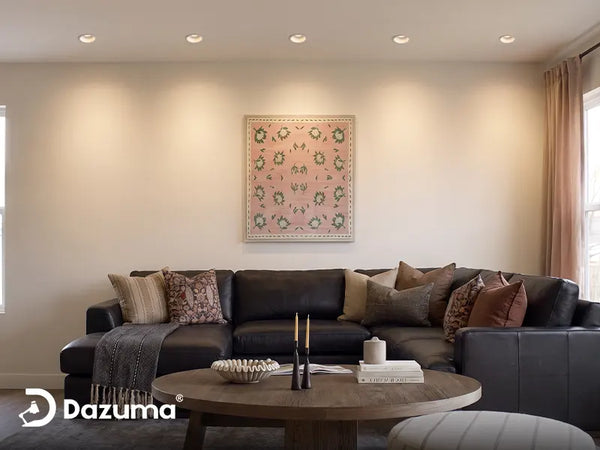
This is the clean, built-in look many homeowners imagine for remodels. Recessed lights are placed away from the wall and aimed or designed to spread light down the surface. It works well in hallways, living rooms, stairwells, and art walls where you do not want visible fixtures to compete with furniture or decor.
The key is distance. If the light is too close to the wall, you may see bright scallops. If it is too far away, the wall will not receive enough vertical light. In many residential layouts, designers start by placing wall-wash fixtures roughly 2 to 3 feet from the wall, then adjust based on ceiling height, beam angle, and fixture type.

Best For A Quiet, Built-In Look
Use this type when you want the wall to feel softly lit without adding visible decorative fixtures. It is especially useful in narrow spaces where wall-mounted fixtures might feel crowded.
2. Track Or Adjustable Spotlight Wall Washing
Track lighting and adjustable ceiling spotlights are useful when you need flexibility. Maybe the room already has a ceiling outlet, the artwork may change, or you are not ready for a full electrical remodel. Adjustable fixtures let you aim the beam after installation, which is helpful when you are still figuring out furniture placement.
This method can create a wash effect, but it depends on beam spread and aiming. A narrow spotlight will behave more like accent lighting, while a wider beam can soften across the wall. If you are choosing fixtures for this approach, look for directional categories such as Ceiling Spotlights rather than assuming every ceiling light can wash a wall evenly.
3. Linear Wall Washer Lighting
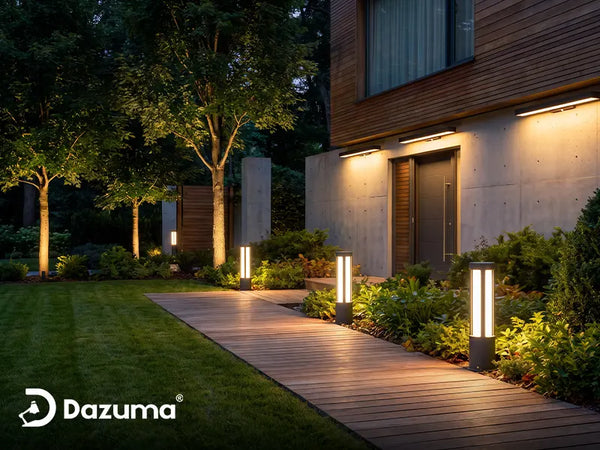
Linear wall washing uses a long fixture to spread light along a wall, fence, exterior facade, or architectural surface. This is the look you often see on modern homes, commercial entries, hotel courtyards, and clean outdoor walls. It is good for creating a continuous, polished band of light rather than individual pools.
For exterior use, this approach is often paired with weather-rated fixtures and planned spacing. Long walls, stucco facades, concrete surfaces, and garden boundary walls can all benefit from a linear wash. Homeowners often like it because it makes an outdoor area feel intentionally designed, not just lit for visibility.
Best For Modern Outdoor Walls
Linear wall washing can make a plain exterior wall feel like an architectural feature. It works best when the wall is clean enough to deserve attention and the fixture placement is planned before the final landscape layout.

4. Uplight Wall Washing From The Ground
Outdoor wall washing often starts from the ground. Fixtures are placed near the base of a wall, column, tree backdrop, or garden structure and aimed upward. This can feel more dramatic than ceiling-based washing because the light climbs the surface and creates depth at night.
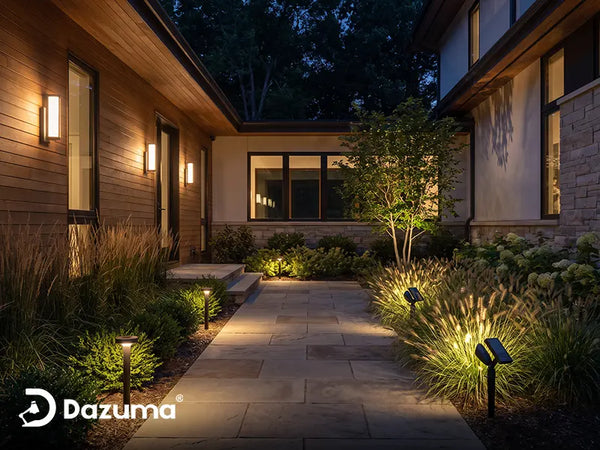
Ground-based washing is useful for front entries, courtyard walls, retaining walls, and garden architecture. It can also help a house feel safer and more welcoming because exterior surfaces are visible without flooding the yard with harsh light. If your project includes landscape lighting, Outdoor Wall Lighting can help you compare wall-mounted and ground-aimed approaches.
5. Hidden LED Strip Wall Washing
Hidden LED strip lighting can create a soft wash from coves, shelves, headboards, niches, or under floating details. This is less about lighting an entire wall evenly and more about adding a gentle glow that makes architecture feel layered. In bedrooms, media rooms, powder rooms, or modern stair areas, hidden wall washing can feel calm and indirect.
The trick is to hide the dots and avoid harsh reflection. A diffuser channel, proper setback, and clean surface make a big difference. For exterior applications, weather rating and connection protection matter. If the design calls for a hidden line of light outside, Outdoor Led Strip Lights are usually a more relevant starting point than indoor-only tape lights.

Where The Wall Wash Lighting Effect Works Best
Wall washing is not necessary on every wall. It works best when the wall has a reason to be seen. That reason can be a beautiful paint color, an art grouping, a fireplace, a stair wall, a long hallway, a stone surface, or an exterior facade. It can also be used to correct a room that feels gloomy even after you changed bulbs.
In living rooms, I like wall washing when the main ceiling light makes the space feel flat. A softly lit wall behind a sofa can make the room feel wider and more relaxed. In dining rooms, wall washing can make the perimeter feel warm so the table does not look like it is floating in a dark box. In hallways, it helps guests move through the home without the harsh feeling of overhead-only light.
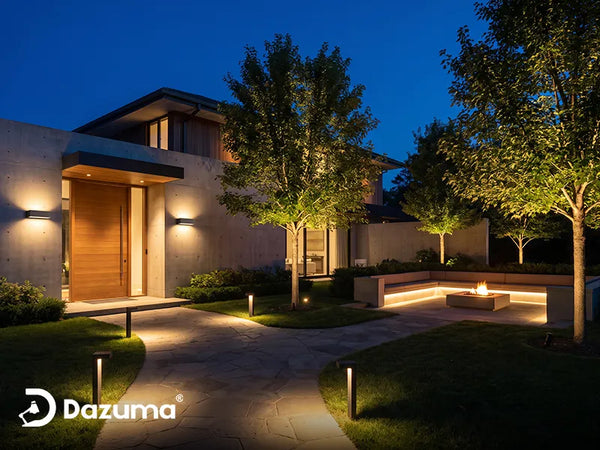
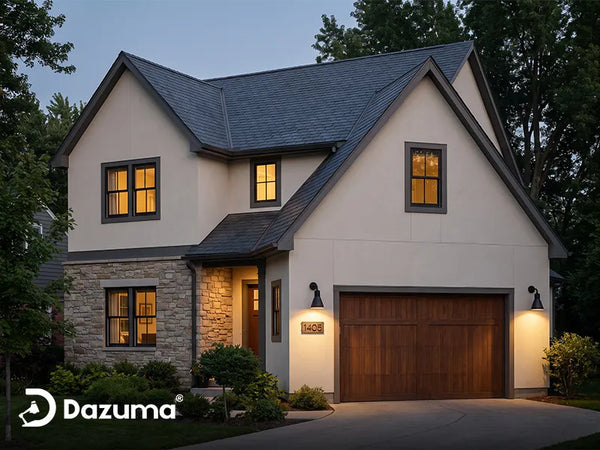
Outdoors, wall washing is helpful when the house disappears at night except for the porch light. A washed facade, courtyard wall, or garden backdrop gives the property shape after dark. It also makes outdoor seating feel more comfortable because the eye sees a softly lit boundary instead of a black void.

Best Rooms And Outdoor Areas
Use wall washing where people naturally look: entry walls, fireplace walls, art walls, stair walls, garden walls, and facades. Skip it on cluttered walls, messy storage zones, or surfaces with damage you do not want to highlight.
How To Plan A Wall-Washing Layout
Start with the wall, not the fixture. Ask what you want the wall to do for the space. Should it make the room feel larger? Show off art? Reveal texture? Create a calm evening glow? Make the outside of the house look more welcoming? Once the purpose is clear, fixture type and placement become easier.
Check The Wall Surface First
Smooth walls usually need evenness. Textured walls can handle more shadow. Glossy paint, glass tile, and polished stone can reflect bright points, so they need extra care. If the wall has cracks, uneven drywall patches, or rough paint touch-ups, wall washing may reveal those flaws. In that case, a softer ambient layer or a decorative wall sconce may be safer.
Plan Distance And Spacing
For ceiling-based wall washing, fixtures are usually set back from the wall enough to spread the beam before it lands. Too close creates bright vertical streaks. Too far away wastes light into the room. For outdoor linear fixtures, spacing depends on the fixture length, beam angle, wall height, and how continuous you want the effect to look.
Choose A Color Temperature That Matches The Mood
Warm white light around 2700K to 3000K usually feels best for homes, patios, entries, and relaxing spaces. Neutral white around 3500K to 4000K can work for modern facades, galleries, and crisp architectural surfaces, but it can feel cooler and less cozy. For exterior projects, the color choice also affects how stone, stucco, wood, and plants appear at night; How to Choose Exterior Wall Wash Color Temperature goes deeper into that decision.
A Practical Designer Rule
If the goal is cozy, keep the light warm and soft. If the goal is architectural drama, use stronger contrast, cleaner beam control, and more precise placement.

Layer It With Other Lighting
Wall washing should not be the only light in most rooms. It works best as one layer. In a living room, combine it with table lamps, recessed ambient light, or a pendant. In a hallway, combine it with safe walking light. Outdoors, combine it with path lights, step lights, or entry lights. The wall wash gives the scene depth; the other fixtures help people move, cook, read, or gather comfortably.
Common Mistakes That Make Wall Washing Look Wrong
Mistake 1: Trying To Fix Everything With Brighter Light
If the wall looks dull, the answer is not always a brighter bulb. A brighter narrow beam can create more glare and stronger hot spots. The goal is controlled distribution, not just higher output.
Mistake 2: Placing Fixtures Too Close To The Wall
This is the most common reason wall washing looks patchy. Instead of a smooth wash, you see scallops, streaks, or bright cones. The closer the fixture sits to the wall, the more dramatic and uneven the effect becomes.
Mistake 3: Washing A Wall That Should Not Be Highlighted
Lighting is honest. It reveals what is there. If the wall has poor drywall finishing, messy texture, or random switches and vents, wall washing may make those details more noticeable. Choose the wall with care.
Mistake 4: Forgetting How People Use The Space
A beautiful wall wash can still be annoying if it shines into someone’s eyes from a sofa, bed, dining chair, or patio seat. Always imagine where people will sit or stand.
Mistake 5: Using The Same Layout Indoors And Outdoors
Outdoor wall washing has more variables: rain rating, glare from the street, landscaping growth, bugs, mounting surfaces, and local code requirements. Interior wall washing is more about comfort, finish quality, and furniture placement.
Summary: The Simple Way To Think About Wall Washing
The wall wash lighting effect is a smooth layer of light across a wall. It can make a room feel larger, soften a dark hallway, bring attention to art, give an exterior wall shape at night, or turn a plain surface into part of the design. It is not the same as simply pointing a bright light at a wall. Good wall washing depends on beam spread, fixture distance, spacing, wall surface, and color temperature.
If you are early in your remodel, start by choosing the wall that deserves attention. Then decide whether you want the effect to feel quiet and even, textured and dramatic, or hidden and atmospheric. From there, the fixture choice becomes much easier. The goal is not to make the wall shout. The goal is to make the whole space feel more finished, more comfortable, and more intentional after the sun goes down.