
Who This Is For: This guide is for homeowners, pool owners, landscape designers, and property managers who are trying to understand how long underwater lights last before buying, replacing, or planning lighting for a pool, fountain, pond, or backyard water feature.
Quick Answer: How Long Do Underwater Lights Last?
Most modern LED underwater lights can last for many years, but the honest answer is not just about the LED chip. In real homes and outdoor landscapes, the lifespan of underwater lights depends on water chemistry, sealing quality, voltage stability, installation, heat management, fixture material, and how many hours the light runs each night.
As a practical expectation, a well-made LED underwater fixture can often serve for several years in a residential pool, fountain, or pond. Some LED systems may run far longer in terms of rated operating hours, but calendar life can be shorter if the fixture sits in harsh water, is installed with the wrong transformer, or develops seal failure. The key point is this: underwater lights usually fail because water gets where it should not, metal corrodes, a driver or transformer fails, or the lens becomes too cloudy—not simply because the LED suddenly burns out.
If you are comparing Underwater Lights, look beyond the wattage and color. Check the IP rating, material, voltage requirements, transformer notes, installation style, and whether the fixture is designed for the type of water feature you actually have.

Why Underwater Light Lifespan Varies So Much
Two homeowners can buy similar underwater LED lights and get very different results. One light may look great for years, while another starts flickering after one season. That difference often comes from the surrounding system, not the fixture alone.
The LED Chip Is Not the Only Part That Ages
Many shoppers focus on LED lifespan because LED bulbs are known for long operating hours. That is useful, but underwater lighting has extra stress points. The seal around the lens must keep water out. The housing must resist corrosion. The cable entry must stay tight. The driver or transformer must supply stable power. If any of these parts fail early, the LED chip life does not matter much.
Water Chemistry Can Shorten Fixture Life
Pool water, fountain water, and pond water are different environments. Chlorine, salt systems, mineral buildup, algae treatment, and changing pH can all affect metal finishes, lenses, gaskets, and cables over time. A fixture used in a clean decorative fountain may age differently than a fixture in a heavily treated pool or a pond with sediment and organic debris.
Brighter Is Not Always Longer-Lasting
A common mistake is choosing the highest wattage because it looks more powerful on the product page. Underwater lighting is different from general room lighting. A brighter pool or fountain light may be useful in a large body of water, but in a small basin it can create glare, flatten the texture of the water, and run hotter than necessary. Heat is one of the quiet enemies of LED systems, even when the fixture is surrounded by water. The goal is to choose enough output for the space, not the most output available.
For small fountains, narrow ponds, and decorative water bowls, a lower-wattage warm beam may last more comfortably because it is doing less visual work and is less likely to be left on at maximum output all evening. For large pools, the better solution is often multiple properly placed fixtures rather than one intense light trying to cover everything. This creates smoother illumination, fewer dark corners, and less stress on any single fixture.
Runtime Changes the Calendar Life
A light that runs two hours per night ages more slowly than one that runs eight hours every night. For decorative water features, you may not need full-night operation. A timer, smart outdoor controller, or dusk-to-evening schedule can reduce wasted runtime and help extend the practical service life of the system. If you are building a broader nighttime plan, the same idea applies to path lights, accent lights, and Well Lights around the water feature.

Think in Systems, Not Just Fixtures
An underwater light is part of a larger lighting system. The transformer, cable route, water treatment, fixture material, and maintenance access all affect how long the installation stays beautiful and safe.
Typical Lifespan by Underwater Light Type
There is no single number that applies to every underwater light. The table below gives a practical way to think about expected service life and what usually causes problems.
| Light Type | Common Use | What Usually Affects Lifespan |
|---|---|---|
| LED pool lights | Swimming pools and spa walls | Water chemistry, gasket condition, transformer compatibility, cable sealing |
| Fountain spotlights | Fountains, ponds, sculptures, water basins | Sediment, mineral deposits, lens clarity, stainless steel quality |
| Underwater strip lighting | Steps, ledges, decorative linear effects | Adhesion, channel protection, waterproofing, bending stress |
| Older halogen or incandescent lights | Older pool systems | Heat, bulb replacement frequency, gasket wear, higher energy use |
LED is usually the better choice for longevity, but the fixture still needs to match the water environment. For decorative edges, guardrails, or outdoor transitions near water, homeowners sometimes compare underwater fixtures with Outdoor LED Strip Lights. The right choice depends on whether the light will be submerged, splashed, or simply exposed to weather.
For Fountains and Ponds, Housing and Lens Quality Matter
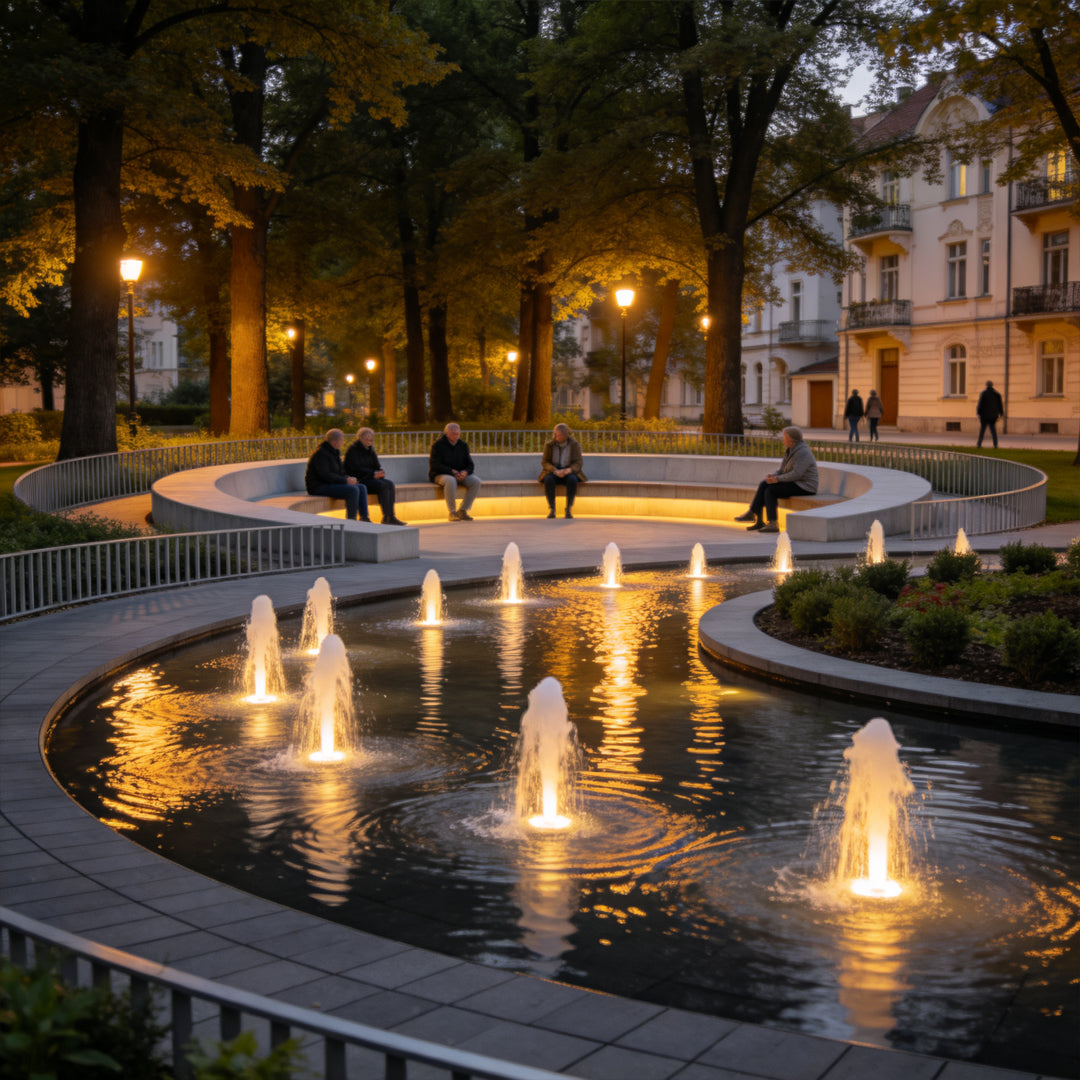
Fountain and pond lighting is often more decorative than task-focused. You are not just trying to make the water visible; you are trying to make the movement, texture, and reflections feel intentional. A warm underwater spotlight can turn a plain basin into a calming focal point at night.
For long-term use, pay close attention to stainless steel construction, lens clarity, waterproof rating, voltage requirements, and whether the fixture can be positioned securely. In fountains and ponds, sediment and mineral buildup are common. If the lens is hard to clean or the fixture is difficult to access, even a strong light can start looking weak before the actual LED fails.
Underwater Fountain Lights LED Underwater Fountain Landscape Light
Price: $167.99
Best for fountains, ponds, pools, and decorative water features where a compact warm-white beam can highlight water movement, stone, plants, or sculpture without overpowering the scene.
- Warm 3000K light helps water features feel calm, natural, and less harsh at night.
- Stainless steel housing and glass lens are useful for wet environments where corrosion and clarity matter.
- Compact 3W output suits accent lighting rather than high-glare pool floodlighting.
IP68 Helps, But It Is Not a Lifetime Promise
IP68 is important because it means the fixture is designed for continuous submersion under defined conditions. Still, real lifespan also depends on sealing quality, water chemistry, cable protection, transformer matching, and maintenance access.

For Pool Lights, Transformer Compatibility and Sealing Are Critical
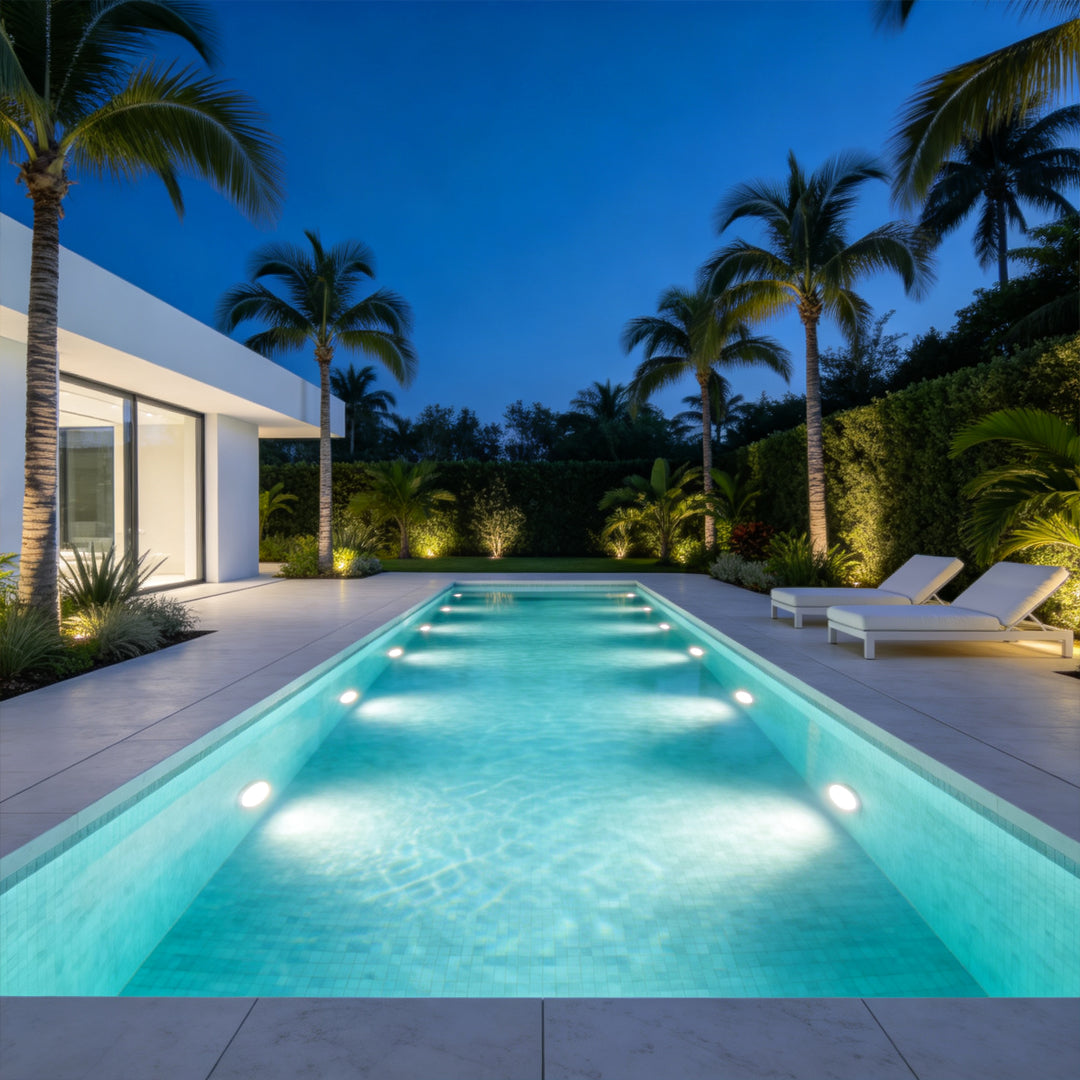
Pool lighting usually has a different job from fountain lighting. A pool light needs to make the water feel safe, visible, and inviting. It also has to survive a more chemically active environment. That is why hardwired underwater pool lights should be planned carefully and installed by a qualified professional, especially when transformers, wet-location wiring, and pool codes are involved.
If a pool light is rated for low-voltage operation, do not treat the transformer as an optional accessory. The wrong voltage can shorten the life of the driver or LED module. Water intrusion at a cable entry point can also create early failure, even if the face of the fixture looks fine.
LED Underwater Pool Lights Stainless Steel RGB Light
Price: $350.99
Best for pools, hotel water features, and larger fountains where RGB color control, stainless steel construction, and multiple wattage options make the lighting more flexible.
- RGB lighting gives pool areas more mood flexibility than a single-color fixture.
- Multiple wattage options help match brightness to pool size and desired visual effect.
- Remote control switching supports easier color and mode changes for nighttime use.
Maintenance Habits That Help Underwater Lights Last Longer
Underwater lights are not usually high-maintenance, but ignoring them completely can shorten their life. The goal is to keep the lens clear, protect the electrical system, and catch early warning signs before the fixture fails.
Keep the Lens Clear
Cloudy lenses make a light look weaker even when the LED is still working. Mineral deposits, algae, and fine sediment can block output and create uneven glow. Clean the lens according to the product care instructions, and never use harsh tools that could scratch the glass or damage the seal.
Use Timers Instead of Leaving Lights On All Night
Running lights only during the hours you actually enjoy the yard reduces operating time and heat stress. For pools and fountains, a practical schedule might start at dusk and shut off after outdoor activity ends. If you are planning a no-outlet or low-power yard, the principles in How To Light A Front Yard With No Outlets can help you think through power access before buying fixtures.
Do Not Ignore Flickering
Flickering can point to voltage problems, moisture intrusion, a failing driver, a poor connection, or a controller issue. Occasional color changes on an RGB system may be normal when using a remote, but random flicker is worth checking. Turn off power before inspection and contact a qualified electrician or pool professional for hardwired underwater systems.

Power Quality Is Part of Lifespan
For low-voltage underwater lights, the transformer and wiring are not small details. A stable, correct power supply helps the fixture perform as intended and reduces avoidable stress on the system.
Signs Your Underwater Lights May Need Replacement
Sometimes a fixture does not fail all at once. It may lose brightness, shift color, flicker, or develop moisture inside the lens. If the light is old and the repair cost is close to replacement, upgrading can be more practical than trying to revive a tired fixture.
| Warning Sign | Possible Cause | What to Do |
|---|---|---|
| Flickering or intermittent light | Voltage issue, loose connection, driver problem, moisture intrusion | Turn off power and have the system checked before continued use |
| Water or fog inside the lens | Seal or gasket failure | Replace the seal or fixture depending on product design |
| Severe corrosion | Harsh water chemistry or unsuitable material | Consider stainless steel or a fixture better suited to the water condition |
| Weak, cloudy output | Dirty lens, aging LED module, mineral buildup | Clean first; replace if brightness does not recover |
If the goal is dramatic nighttime curb appeal around a pool or fountain, underwater lighting should work with the surrounding layers rather than overpower them. For more exterior design planning, Dramatic Nighttime Curb Appeal With Lighting is a helpful companion topic.
Match the Fixture to the Visual Goal
A fountain usually benefits from warm, focused light. A pool may need broader visibility or RGB color. A decorative interior category such as Drum Pendant Lighting has a very different purpose, but the same design rule applies: the fixture should fit the space, not just look good on its own.

Buying Checklist for Longer-Lasting Underwater Lights
Before you choose an underwater light, use this simple checklist. It will save more frustration than comparing brightness alone.
- Confirm the water environment: pool, fountain, pond, spa, basin, or decorative water wall.
- Check the waterproof rating: For submerged installation, look for underwater-rated fixtures such as IP68 models.
- Match the voltage: Low-voltage fixtures must be paired with the correct transformer.
- Choose the right color effect: Warm white feels calm and natural; RGB creates more theatrical or festive scenes.
- Review material quality: Stainless steel and glass can be valuable in wet, mineral-heavy environments.
- Plan access: A light that is impossible to reach is harder to clean, inspect, or replace.
- Think about the full landscape: Pool and fountain lighting should coordinate with path lights, planting lights, and nearby wall or step lights.
Final Advice: Underwater Light Life Depends on the Whole Setup
So, how long do underwater lights last? In a well-planned residential setting, LED underwater lights can provide years of nighttime beauty. But the fixture is only one part of the answer. The longest-lasting installations usually combine proper waterproof rating, corrosion-resistant materials, correct voltage, controlled runtime, clean lenses, stable wiring, and realistic expectations for the water environment.
If you are lighting a small fountain or pond, prioritize warm color quality, easy cleaning, and a durable housing. If you are lighting a pool, prioritize transformer compatibility, safe installation, brightness options, and visibility. If you want a dramatic backyard scene, think of underwater lights as one layer in the larger landscape plan—not the only light in the yard.