
Who This Is For
This guide is for homeowners who want outdoor stairs to look better and feel safer after dark. It is especially useful if you have front entry steps, deck stairs, garden steps, patio stairs, porch transitions, or a sloped backyard path. If guests have ever missed a step, if your stair edges disappear at night, or if your outdoor stairs feel too dark even when the porch light is on, step lights are one of the most practical upgrades you can make in 2026.
Outdoor stairs are one of the easiest places to overlook in a lighting plan. A bright porch light may illuminate the door, but it often leaves the actual step edges in shadow. Floodlights can make the whole area brighter, but they can also create glare, harsh contrast, and an uncomfortable entry experience. Step lights solve the problem more directly: they place light close to where people need it, helping define each tread, riser, and landing.
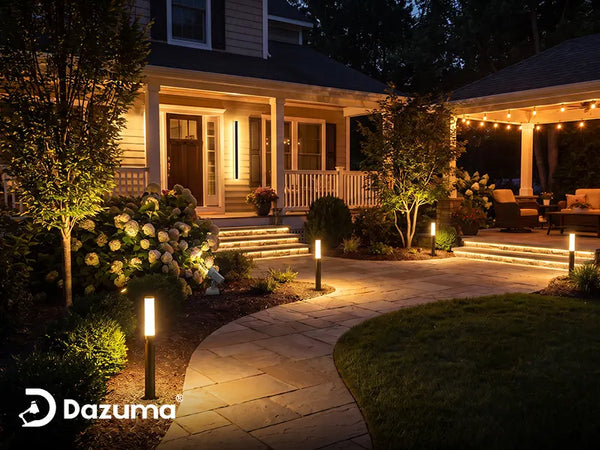
The best outdoor step lights are not necessarily the brightest. For stairs, good lighting is about visibility, consistency, and comfort. A small warm light placed at the right height can be more effective than a powerful fixture placed too far away. In 2026, many homeowners are choosing solar step lights because they reduce wiring work, automatically charge during the day, and can support safer movement at night. For larger outdoor lighting plans, step lights also pair well with Path Lights, wall lights, and low-level garden lighting.

Quick Answer: What Are The Best Step Lights For Outdoor Stairs?
The best step lights for outdoor stairs are low-profile LED fixtures that illuminate each step edge evenly, resist weather, and match your installation needs. For stairs that receive direct sunlight, solar step lights are often the easiest option because they do not require hardwiring. For covered stairways, shaded entrances, or high-use commercial-style entries, hardwired step lights may offer more consistent output.
For most residential outdoor stairs, look for warm white or adjustable color temperature, weather-resistant construction, and a beam pattern that spreads light across the walking surface. A good step light should help people see where each step begins and ends. It should not shine directly into the eyes or create bright spots that make the rest of the stairway look darker.
The 2026 Safety Priority
In 2026, outdoor stair lighting is moving toward low-glare, automatic, and energy-efficient solutions. Dusk-to-dawn sensors, solar charging, and compact LED designs are especially popular because they support daily safety without needing constant manual control.
Why Outdoor Step Lights Matter
Outdoor stairs become more difficult to read at night because shadows hide depth. Even one uneven step can become a tripping point when the edge is not visible. Step lights reduce that risk by placing light where the foot lands and where the eye needs contrast. This is especially important for older guests, children, delivery drivers, and anyone walking outside with their hands full.
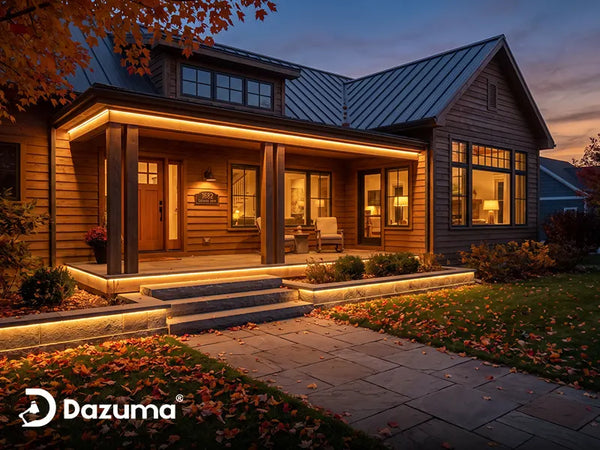
Step lights also improve curb appeal. A softly lit stairway makes an entry look more finished and intentional. Instead of relying on one strong fixture above the door, step lights create a layered effect that feels more polished. If your entry has nearby Outdoor Wall Lighting, step lights can complete the lower part of the lighting plan.
| Problem Area | Lighting Issue | How Step Lights Help |
|---|---|---|
| Front Entry Steps | Door light misses lower treads | Defines every step edge for safer arrival |
| Deck Stairs | Railing shadows hide the stair run | Adds low-level light close to the walking surface |
| Garden Steps | Plants and curves reduce visibility | Guides movement without overpowering the landscape |
| Patio Transitions | Small height changes are easy to miss | Highlights level changes before someone steps down |

Light The Edge, Not The Whole Yard
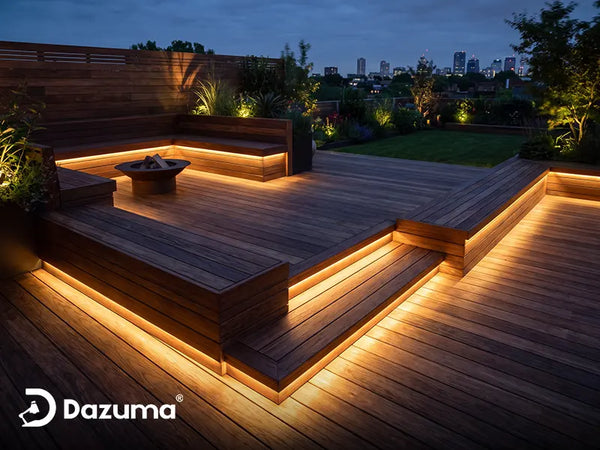
Step lights should guide the foot, not flood the entire entry. The best placement creates a soft band of light across each step or along the side edge. This helps people understand the stair shape without making the space feel overly bright.
Types Of Outdoor Step Lights
There are several ways to light outdoor stairs. The right choice depends on your stair material, sun exposure, wiring access, and design style. Solar fixtures are convenient for existing stairs. Hardwired fixtures are best for remodels and new construction. Surface-mounted lights are easier to install than recessed models, while recessed lights create a cleaner architectural look.
Solar Step Lights
Solar step lights are a practical choice when your stairs receive direct sunlight during the day. They are especially helpful for garden steps, deck stairs, fences, and outdoor areas where running wire would be inconvenient. Look for automatic charging, dusk-to-dawn operation, and a waterproof rating suitable for outdoor exposure.
Hardwired Step Lights
Hardwired step lights offer more consistent power and are a strong option for covered stairs, shaded entries, and permanent installations. They often require planning during construction or a professional retrofit, but they can connect to switches, timers, or smart controls.
Wall-Mounted Step Lights
Wall-mounted step lights work well when stairs run along a wall, retaining wall, or solid side surface. They can cast light downward across the treads while keeping the fixture visually contained.
Surface-Mounted Step Lights
Surface-mounted lights are easier to add to existing stairs because they do not need deep cutouts. Compact solar designs often fall into this category, making them a good option for quick safety improvements.

How Bright Should Outdoor Step Lights Be?
Outdoor step lights should be bright enough to reveal the stair edge, but not so bright that they create glare. For residential stairs, low-output LED fixtures are usually sufficient because they are close to the walking surface. Instead of chasing high lumen numbers, focus on even coverage and consistent spacing.
Warm white light is often the most comfortable for home entries and backyard stairs. It works well with wood, stone, concrete, brick, and landscaping. Cooler white light can look sharper, but it may feel less welcoming for residential entrances. If you want a clean modern look, 3000K is a reliable choice. If you want a softer garden mood, warm white is usually better.
| Stair Area | Suggested Light Effect | Best Color Feel |
|---|---|---|
| Front Entry | Clear tread edges and welcoming glow | Warm White |
| Deck Stairs | Soft side lighting with low glare | Warm White Or 3000K |
| Garden Steps | Gentle guidance through plants and curves | Warm White |
| Modern Concrete Stairs | Clean, crisp edge definition | 3000K Or Neutral White |
Use Repetition For Better Safety
One light at the top or bottom is rarely enough for a full stair run. A repeated pattern helps the eye read the entire staircase. Keep placement consistent so the steps feel predictable from the first tread to the last.

Safety Picks 2026: Recommended Outdoor Step Lights
These two step light options are useful for homeowners who want safer outdoor stairs without complicated wiring. Both are solar-powered, compact, and designed for outdoor step or stair applications.
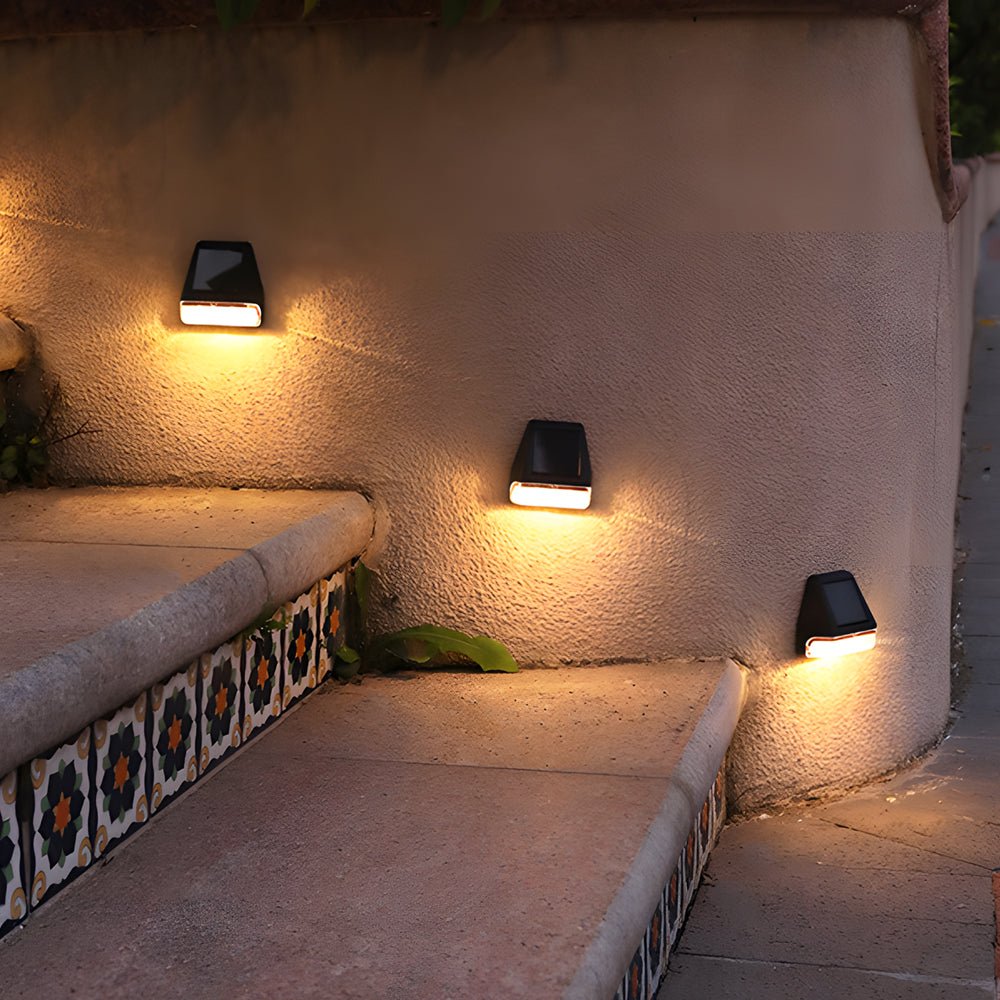
4 Pcs Dusk-To-Dawn Sensor Step Lights Outdoor Warm White LED Solar Stair Lighting
Best For: front steps, fences, garden stairs, balcony edges, and outdoor areas with direct sunlight.
| Power Supply | Solar With Built-In Battery |
| Light Source | LED |
| Color Temperature | Warm White Light |
| Sensor | Dusk-To-Dawn |
| Working Time | 8–10 Hours In The Evening |
| Installation | Screw Or Nail-Free Adhesive |
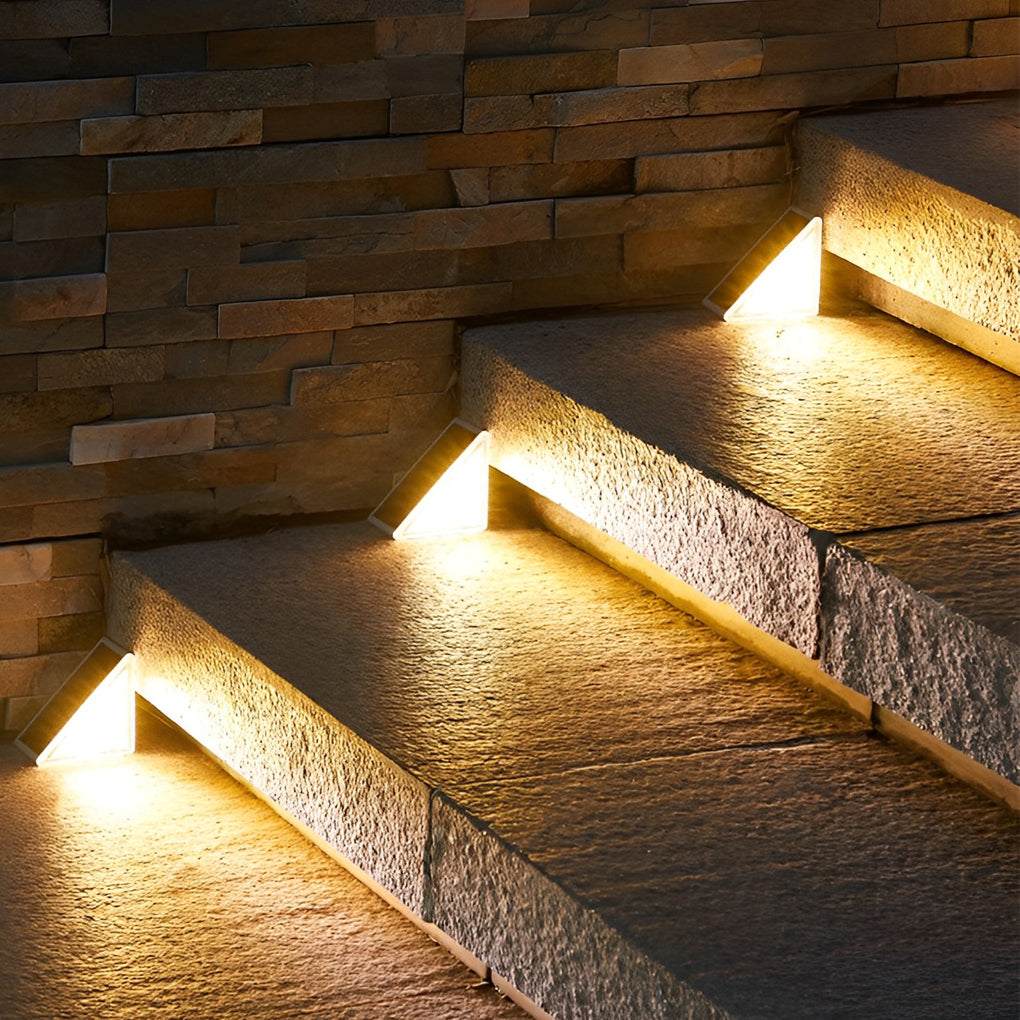
Solar Powered Lights For Steps Modern Waterproof Triangle Ladder Light
Best For: modern stairs, concrete steps, garden paths, courtyard steps, and stair edges that need compact lighting.
| Power Supply | Solar |
| Light Source | LED |
| Power | 0.6W × 2 |
| Lumens | 96LM |
| Waterproof Rating | IP65 |
| Color Temperature | 3000K Warm White Or 6000K White |
Where To Place Outdoor Step Lights
Placement should make the stair shape obvious. For straight stairs, lights can be placed on the side wall, riser, or outer edge. For curved stairs, place lights where the direction changes so people can follow the path naturally. For wider stairs, consider lights on both sides or more frequent spacing so the center does not disappear into shadow.
Good Placement Guidelines
- Place lights low enough to illuminate the walking surface.
- Avoid pointing light directly into the eyes.
- Use consistent spacing from top to bottom.
- Install more lights near turns, landings, or uneven transitions.
- Make sure solar panels receive enough direct daylight.
If your stairway connects to a porch or entry, coordinate the step lights with Outdoor Ceiling Lights or porch wall fixtures. The goal is not to match everything perfectly, but to keep the brightness and color temperature visually balanced.

Think About Sun Exposure
Solar step lights need daylight to perform well at night. Before installation, check whether the stair area gets direct sun or heavy shade. A sunny fence, railing, or stair side can be a better mounting point than a covered riser.
Solar Step Lights Vs Hardwired Step Lights
Both options can work well, but they serve different needs. Solar step lights are easy to add to existing stairs and are ideal when wiring is difficult. Hardwired step lights are more permanent and usually provide the most consistent performance in shaded or high-use areas.
| Option | Best For | Main Advantage | Possible Limitation |
|---|---|---|---|
| Solar Step Lights | Existing outdoor stairs with sunlight | No wiring needed | Performance depends on sun exposure |
| Hardwired Step Lights | New construction or shaded stairs | Consistent power and control | More installation planning |
| Battery Step Lights | Temporary or low-use areas | Flexible placement | Battery maintenance |
Common Outdoor Step Lighting Mistakes
Using One Light For Too Many Steps
A single bright light may make the top landing visible, but it can still leave lower steps uneven. Use repeated low lights to guide the entire stair run.
Choosing Lights That Are Too Bright
Overly bright step lights can create glare and make nearby areas seem darker. Soft, low-level light is usually safer and more comfortable.
Ignoring Water And Weather
Outdoor stairs are exposed to rain, dust, sun, and temperature changes. Choose fixtures designed for outdoor use and check waterproof ratings before installation.
Forgetting The Landing
Landings are transition points. Make sure the top and bottom of the stairway are visible, not just the steps in the middle.
Final Thoughts: Choose Step Lights That Make Stairs Easy To Read
The best outdoor step lights are simple, consistent, and well placed. They do not need to turn the stairs into a bright display. They need to help people see each step clearly. For sunny outdoor stairs, solar step lights are a smart safety upgrade because they are easy to install and can operate automatically after dark. For shaded or heavily used stairs, consider a permanent hardwired solution.
To complete your outdoor entry, pair step lights with related Dazuma collections such as Step Lights, Outdoor Solar Lights, and Outdoor Lighting. A thoughtful stair lighting plan can make your home safer, more welcoming, and more polished every night.