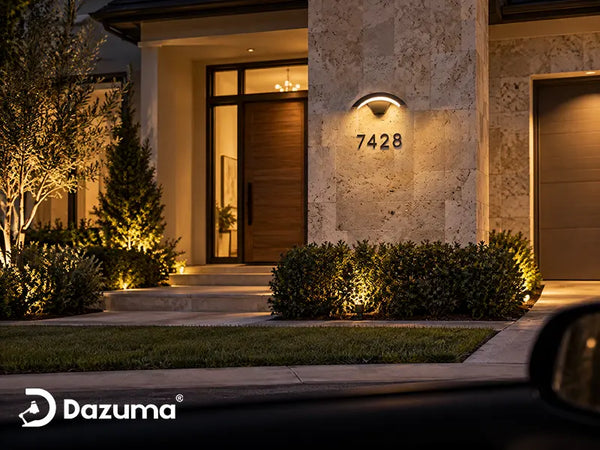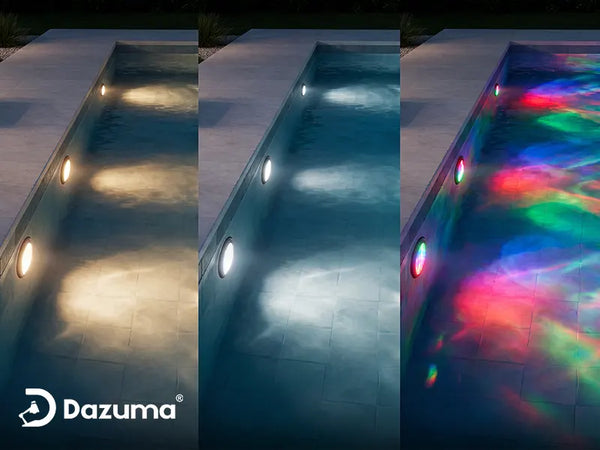

This guide is for homeowners planning landscape well lights around a front yard, garden path, patio, deck, driveway edge, or courtyard. If you like the clean look of lights hidden in the ground but are not sure where they actually belong, the best answer is not “everywhere.” Well lights work best where they can add depth, guide movement, or highlight something worth seeing after dark.

Quick Answer: Put Well Lights Where They Can Do A Specific Job
The best places to install landscape well lights are at the base of trees, beside garden paths, along deck or step edges, near architectural walls, around courtyard planting beds, and at selected driveway or entry transitions. They are especially useful when you want the fixture to disappear during the day and create soft upward or ground-level guidance at night.
A good rule is simple: install a well light only where it either improves safety, reveals texture, or creates a beautiful nighttime view from inside the home. That last part is easy to forget. A backyard tree lit from below may be enjoyed more from your living room window than from the yard itself. A row of subtle paver lights along a path can make guests feel guided without making the walkway look like a runway.
If you are comparing product types, start with Well Lights for recessed ground fixtures, then compare them with Path Lights when you need wider horizontal coverage. Well lights are more hidden and architectural; path lights usually spread light more broadly across walking surfaces.
How Landscape Well Lights Work In Real Outdoor Spaces
Landscape well lights are recessed into the ground, deck boards, steps, pavers, gravel, or soil so that the light source sits low and discreet. Some aim upward to graze a tree trunk or wall. Others sit flush and provide small points of guidance along walking surfaces. The effect is different from a lantern or bollard. A well light does not decorate with a visible fixture first; it decorates with shadow, texture, and glow.
That is why placement matters more than quantity. One well light placed at the base of a Japanese maple can make the leaves feel sculptural at night. Ten badly spaced lights across a lawn can look random and create glare. Before you buy, walk around the yard at dusk and ask, “What deserves attention here?” Trees with interesting bark, stone walls, steps, planting beds, and entry transitions usually make better targets than flat grass.

Trees Are The Classic Location
Well lights are excellent under trees because the fixture stays out of sight while the trunk and canopy become the feature. For small ornamental trees, place the light close enough to catch bark texture. For larger trees, use two or three fixtures around the base so the tree does not look flat from one side.
Recommended Installation Locations For Landscape Well Lights
1. At The Base Of Trees And Tall Shrubs
Trees give well lights something vertical to work with. A fixture placed near the base can send light upward through bark, branches, and leaves, creating a quiet focal point that feels natural instead of overly designed. This works especially well for ornamental trees, palms, birch, olive trees, crepe myrtles, and mature shrubs with open structure.
For a soft look, keep the beam from pointing directly toward seating areas or windows. The goal is to light the tree, not the eyes of the person sitting on the patio. If the tree is visible from the front door or living room, test the angle from those views too.
2. Along Garden Paths And Stepping Stones
Low-profile well lights can make garden paths feel safer without adding vertical posts along the edge. This is helpful when the path is narrow, curved, or already surrounded by plants. Small recessed lights between pavers or beside stepping stones create a dotted rhythm that says, “walk this way,” without flooding the garden with brightness.
For paths, avoid spacing every fixture perfectly like airport runway lights unless the design is very modern. A more natural rhythm often looks better: one light near a turn, one near a step change, one near a planting feature, and one near the destination. For broader pathway planning, the older guide Where to Place Landscape Lighting: An Expert Guide is useful because it explains how different outdoor zones work together.
Paths Need Guidance, Not Glare
Well lights near paths should feel like quiet markers. Keep the output gentle, choose warm color temperature when possible, and place fixtures where feet need help: curves, edges, small level changes, and entrance points.

3. Deck Edges, Outdoor Steps, And Stair Landings
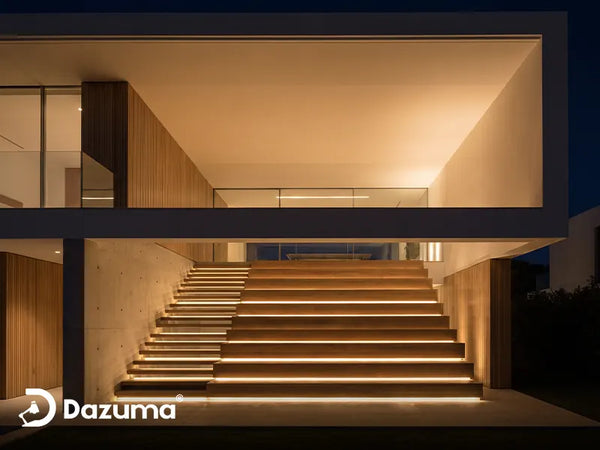
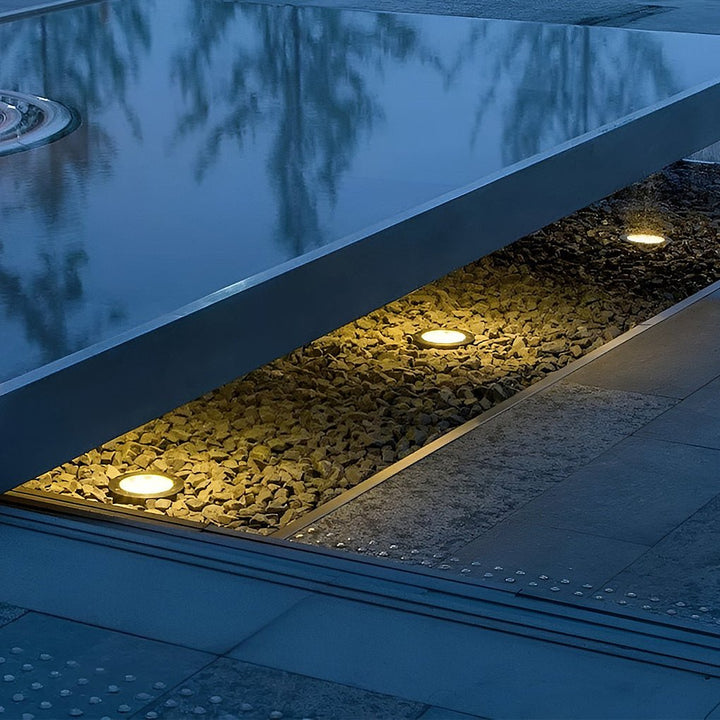
Deck and stair areas are where well lights stop being only decorative and start helping with safety. Recessed fixtures can mark the edge of a deck, show the first and last stair, or make a landing easier to read after dark. This is one of the most practical uses for compact in-ground or recessed paver lights.
For steps, think about direction of travel. Lights should make the tread edge visible without shining upward into the face. If the fixture is installed in a vertical riser or side wall, the light can skim across the step surface. If it is installed flat, choose a low-glare design and avoid placing it where people may step directly on the lens unless the product is rated and designed for that use.
For a wired option in this type of setting, the following recessed kit fits the practical side of the conversation. It is not a “big statement” fixture. It is the kind of small, reliable light that makes the path feel finished and safer at night.
Wired Guidance For Steps And Pavers
In-Ground Paver Lights Waterproof Recessed Lights
Price: $175.99
Best for deck edges, concrete steps, garden paths, courtyard walkways, and outdoor areas where consistent wired lighting feels more dependable than solar charging.
- Small recessed size helps the fixture stay visually quiet in decks, pavers, and steps.
- IP67 rating supports exposed outdoor use where rain, dust, and damp ground are part of the setting.
- Warm white and neutral white options make it easier to match either cozy garden ambiance or clearer guidance lighting.
4. Beside Stone Walls, Columns, And Architectural Details
Well lights are great for showing texture. Stone, brick, stucco, concrete, and wood screens can look flat during the day but dramatic at night when a small light grazes upward from below. This is a good place to use them if your yard has a retaining wall, entry column, privacy wall, water feature backdrop, or textured facade.
Keep the fixture close enough to the surface to create shadow and depth. If it is too far away, the light can wash the area evenly and lose the texture you were trying to reveal. For walls, well lights can also pair with Outdoor Spotlights when you need a stronger beam from planting beds or corners.
5. Around Courtyard Planting Beds
Courtyards often need a softer lighting approach than driveways or front walks. A few low recessed lights can outline a planted area, show off a sculptural pot, or add a hotel-like glow near seating without cluttering a compact space. This works especially well when you want the outdoor room to feel calm after dinner.
The emotional value here is real. A courtyard with hidden well lights feels more settled. Plants stop disappearing into darkness, the hardscape gains depth, and the home feels cared for even when the fixtures themselves are barely visible. For this reason, many homeowners use well lights as part of a broader outdoor lighting plan instead of treating them as one-off accents.

Planting Beds Need A Light Hand
Use well lights to reveal a few strong shapes, not every plant. One lit planter, one textured wall, and one tree can make a small courtyard feel layered without turning it into a showroom.
6. Driveway Edges And Entry Transitions
Well lights can work along driveway edges, but they need thoughtful placement. They should not sit where tires will regularly cross unless the fixture is specifically designed for that kind of load. Instead, use them near the transition from driveway to walkway, beside entry columns, or along planting strips where they can guide guests without taking abuse from vehicles.
At the front of the home, a few recessed lights can make the arrival feel polished. They help guests read the route to the door. Keep brightness modest. Front-yard lighting should feel welcoming, not like a commercial parking lot.
Landscape Well Lights Placement Table
| Location | Best Purpose | Placement Tip | Avoid |
|---|---|---|---|
| Tree Base | Uplighting and drama | Aim toward trunk and canopy, not seating areas | Direct glare into windows |
| Garden Path | Walking guidance | Place near curves, edges, and stepping changes | Overly even runway spacing |
| Deck Or Steps | Safety and edge definition | Light the tread edge without shining into eyes | Fixtures where feet or furniture damage them |
| Stone Wall | Texture and depth | Keep close enough to graze the surface | Flat, washed-out lighting |
| Sunny Lawn Edge | Solar accent lighting | Check for full daytime sun before choosing solar | Deep shade under dense shrubs |
Wired Vs Solar Well Lights: Choose By Location First
Many homeowners start by asking whether solar or wired well lights are better. The more useful question is: what does the location allow? Wired or low-voltage lights are usually better for stairs, main walkways, and areas where you want dependable lighting every night. Solar well lights are excellent where the fixture gets direct sun and where running cable would be inconvenient.
Solar lights need sunlight more than they need a pretty installation spot. A solar well light tucked under a dense shrub may look perfect during the day, but it will not charge well if the panel is shaded. Before installing solar in landscaping, watch the area through the day or use the practical tips in How To Place Solar Lights In Landscaping. The best solar locations are often open path edges, sunny lawn borders, poolside hardscape, and garden ground with clear daytime exposure.
For homeowners who want simple installation without trenching, the solar option below makes sense in sunny areas. It gives you that hidden-by-day, glowing-by-night effect without planning a full wiring run.
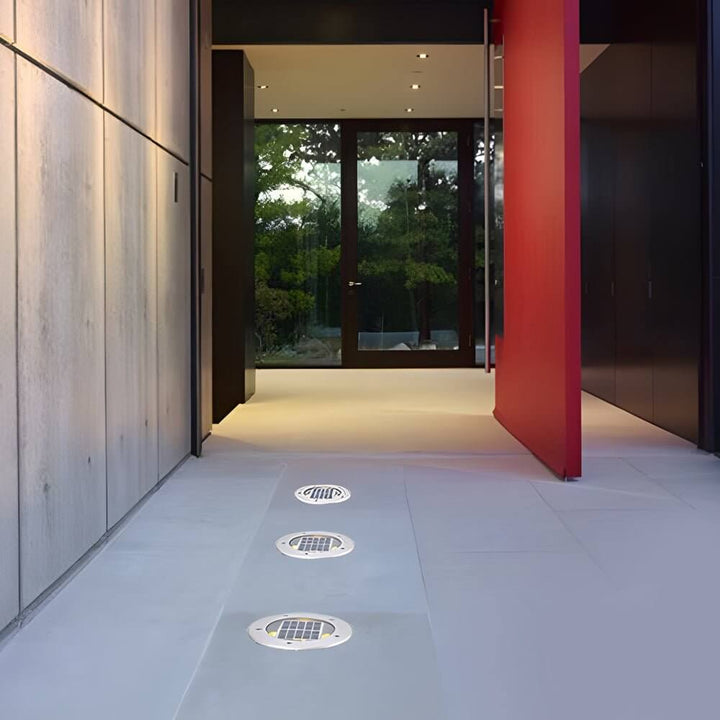
Solar Option For Sunny Ground Areas
Recessed Floor Lighting Solar LED Metal Well Light
Price: From $42.99
Best for sunny garden paths, lawn edges, poolside areas, and walkway accents where you want recessed outdoor lighting without wiring.
- No wiring is required, which helps when the best accent location is far from an easy power run.
- Multiple size and bead-count options allow softer path marking or brighter accent points.
- Warm 3000K light keeps garden and walkway areas comfortable rather than harsh.
If you are building a solar-heavy layout, compare well lights with Solar Path Lights. Solar path lights are usually more visible above ground and spread light wider; solar well lights stay lower and feel more architectural.
Spacing, Drainage, And Safety Tips Before Installation
Well lights live close to dirt, mulch, rainwater, irrigation, and foot traffic, so the small practical details matter. First, do not install them in a low spot where water constantly pools. Even outdoor-rated fixtures perform better when water can drain away. For soil or gravel beds, a small gravel base under the fixture can help drainage and reduce mud buildup. For pavers or concrete, make sure the cutout is clean and the fixture sits stable and flush.
Second, keep lights away from sprinkler heads when possible. Repeated hard spray leaves mineral spots on lenses and can make the beam look cloudy. Third, leave access for cleaning. Landscape well lights collect leaves, mulch, dust, and grass clippings faster than wall lights do. A quick wipe every few weeks during active outdoor seasons keeps the glow clean.
Drainage Is Part Of The Lighting Plan
A beautiful well light in a soggy low point will become a maintenance headache. Choose locations that drain naturally, especially near lawns, irrigation zones, and poolside hardscape.

For spacing, think in scenes rather than strict math. A short path may need only three or four lights. A long straight path may need wider spacing so it does not feel too busy. Tree uplighting depends on trunk size and canopy width. Steps need enough light to define changes in elevation. When safety is the reason, test the layout at night before finalizing the installation.
Common Mistakes To Avoid
The first mistake is installing too many well lights. Because the fixtures are small, it is tempting to sprinkle them everywhere. But outdoor lighting looks better when some areas stay dark. Shadows make the lit areas feel special.
The second mistake is pointing lights directly at eye level. This happens near seating areas, windows, and front entries. A well light should reveal the landscape, not make people squint. If a fixture creates glare, shift the angle, move it closer to the object, or use a softer output.
The third mistake is using solar lights where there is not enough sun. If the location is under trees, north-facing walls, dense shrubs, or covered structures, wired low-voltage lighting is usually more reliable.
The fourth mistake is forgetting daytime appearance. A well light may be recessed, but it is still visible if installed in light-colored stone, tight pavers, or a clean modern patio. Choose fixture size and finish carefully so the daytime look does not feel messy.

Final Advice: Start With The View You Want At Night
Before choosing exact fixtures, stand where people will actually see the yard at night: the front walk, patio chair, kitchen window, driveway arrival point, and back door. Then choose locations that improve those views. One light at the base of a tree may matter more than five scattered through the lawn.
For most homes, the strongest well light plan includes a few anchor points: one or two trees, one main path or step area, one textured wall or entry feature, and a softer garden accent. Use wired fixtures where reliability matters most, and solar where the ground gets strong sunlight.
Done well, landscape well lights make your outdoor space feel more intentional. The fixtures stay quiet, the plants and hardscape take the spotlight, and your home feels safer, warmer, and more welcoming when evening comes around.