
Outdoor wall lighting has become more than just a finishing touch to your home’s exterior. It now plays a central role in enhancing curb appeal, boosting safety, and creating a welcoming atmosphere. Whether you're illuminating a front porch, securing a side yard, or simply adding visual interest to an exterior wall, choosing the right outdoor wall light involves more than picking a pretty fixture.
This guide will walk you through how to choose outdoor wall lighting that suits your home, lifestyle, and environment. We’ll explore practical considerations like weather resistance and brightness, as well as design elements and lighting technology. Let’s get started.
Step 1: Identify Your Lighting Goals
What Are You Trying to Light?
Before you even begin browsing fixtures or comparing styles, it's important to start by identifying your specific lighting needs. Think about what area you’re trying to illuminate and why. Outdoor wall lights serve a range of purposes, and the right choice largely depends on the function you expect them to fulfill.
Here are some of the most common applications:
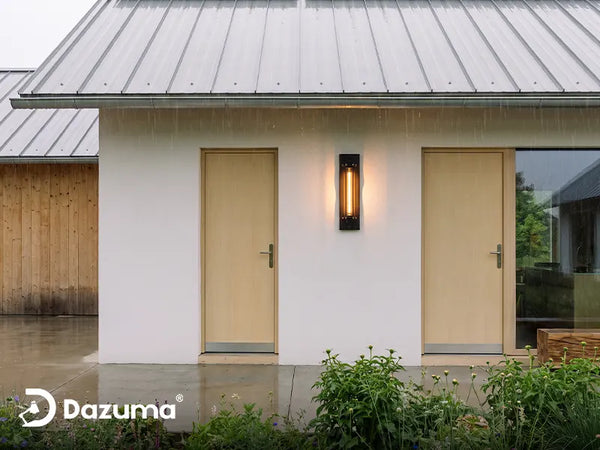
- Entryway: A well-placed wall light at your front door can create a warm and inviting glow that makes your home feel more welcoming to guests. It also improves visibility for you and your visitors, especially when unlocking the door at night.
- Garage & Driveway: Adequate lighting near your garage or along your driveway ensures safe entry and exit, helps with parking after dark, and can act as a deterrent for potential intruders.
- Backdoor & Side Yard: These often-overlooked areas are just as important to light properly. Installing a fixture here helps illuminate dark corners, prevent tripping hazards, and increase your sense of security when stepping outside at night.
- Patio or Deck: For outdoor living spaces where you entertain, dine, or relax, lighting plays a crucial role in setting the mood. Wall lights can enhance ambiance, define the area, and make evening gatherings more enjoyable and functional.
- Decorative Accent: Beyond practicality, outdoor wall lights can be used to highlight architectural features, stone walls, landscaping, or garden art. These accents draw attention to your home’s design and increase nighttime curb appeal.
Each of these locations comes with its own lighting demands, both in terms of brightness and fixture style. By determining the primary purpose of the light—whether it's for safety, convenience, ambiance, or decoration—you’ll be able to make more focused decisions as you shop.
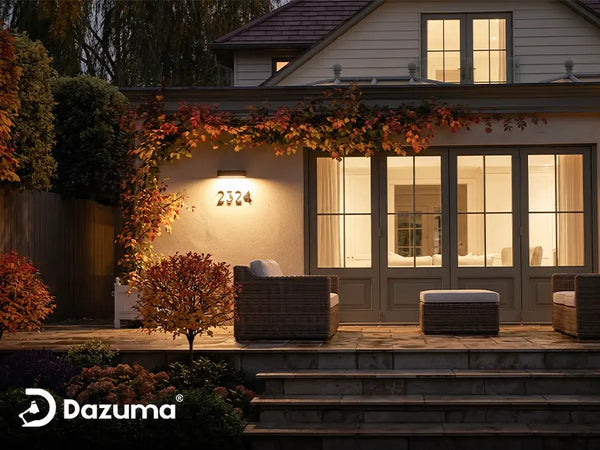
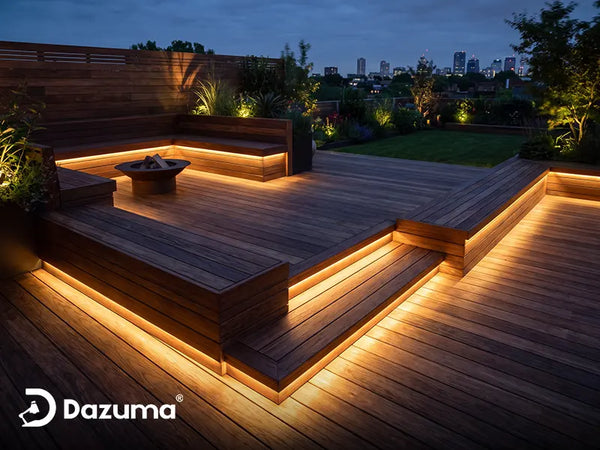
Sophisticated outdoor terrace lighting design featuring recessed wall fixtures.
How Much Light Do You Need?
Once you’ve decided what space you’re lighting, the next step is figuring out how much light you actually need. Outdoor lighting isn’t one-size-fits-all—some areas require a soft glow, while others demand bright, focused illumination. Getting the brightness right ensures that the light is effective without being overwhelming.
The brightness of outdoor lighting is measured in lumens, not watts (which refer to energy usage). Here's a general breakdown to guide your selection:
- 100–300 lumens: Best suited for soft, ambient lighting, perfect for decorative purposes or adding subtle highlights to a porch, garden wall, or entry column.
- 300–700 lumens: A versatile range ideal for entryways, patios, and side doors, where moderate lighting is needed for both visibility and atmosphere.
- 700+ lumens: This higher output is more appropriate for areas where strong illumination is crucial, such as garages, driveways, or high-traffic zones requiring added safety and security.
Evaluate the Installation Environment
Weather and Exposure: Pick the Right Rating
Material selection is key to long-term performance. Look for high-quality, weather-resistant materials like:
- Powder-coated aluminum: Lightweight, corrosion-resistant, and ideal for most climates.
- Stainless steel: Offers a sleek look and strong resistance to rust, especially in damp or salty environments.
- Resin composites or marine-grade polymers: Great for coastal or extreme climates thanks to their durability and UV resistance.
Taking climate into account ensures your investment lasts and performs safely through all seasons.
Wall Surface and Space Constraints
Another often-overlooked consideration is the type of wall where your light will be mounted, and how much physical space you have to work with. The texture, material, and size of your wall surface directly influence both the mounting process and the style of fixture you can choose.
Common exterior wall materials include:
- Brick and Stone: These surfaces offer solid support but may require specialized masonry anchors.
- Stucco: Slightly more delicate and may need additional backing for secure installation.
- Vinyl or Wood Siding: Typically easier to drill into but may need sealing to prevent water infiltration behind the siding.
Equally important is evaluating clearance and proportions. For example, narrow entryways or stairwells may call for more compact fixtures that don’t protrude too far. Wider, more open areas can accommodate larger or extended-arm fixtures that provide broader illumination.
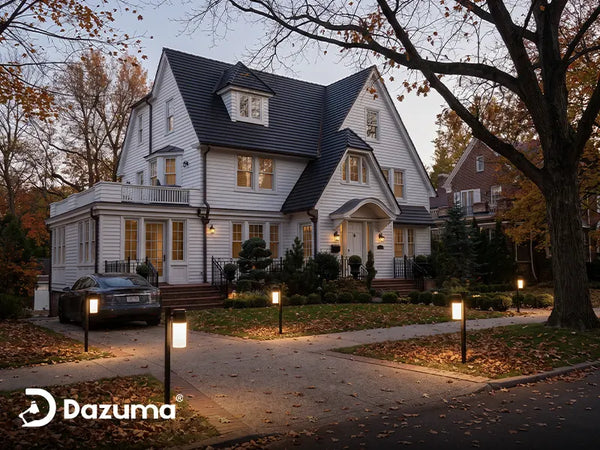
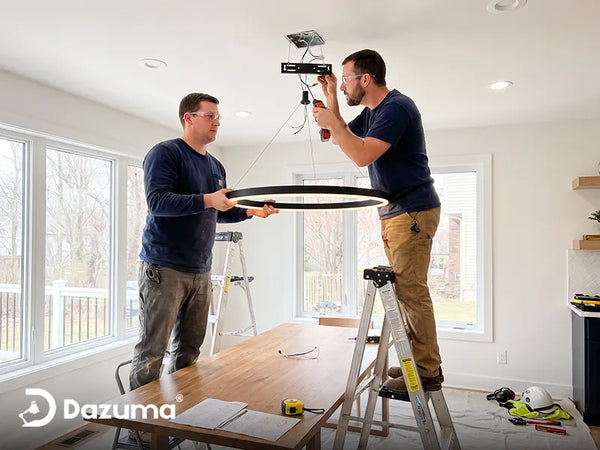
Professional commercial exterior lighting installation.
Step 3: Choose the Lighting Technology
Hardwired vs. Solar Wall Lights
One of the most practical decisions you’ll need to make is whether to go with hardwired or solar-powered wall lighting. These two options differ significantly in terms of installation, performance, and maintenance, so your choice should align with your property layout, budget, and sustainability preferences.
Hardwired wall lights are directly connected to your home’s electrical grid. This type of lighting provides a steady, reliable power source and typically supports more advanced features.
Benefits of hardwired lighting:
- Consistent illumination without dependence on weather conditions or battery levels
- Compatible with smart home systems and dimmers, allowing for scheduling or mood adjustments
- Durable and bright, making them an excellent choice for high-traffic or security-sensitive areas
However, installation might require professional help, especially if you're not simply swapping out an existing fixture. If no electrical connection is present, an electrician may be needed to add wiring.
Solar wall lights, on the other hand, are powered by sunlight collected through integrated solar panels. They're easy to install and don't require any wiring, making them a convenient choice for DIY projects.
Advantages of solar wall lights:
- No wiring or trenching required—just mount and go
- Environmentally friendly and energy-saving, perfect for eco-conscious homeowners
- Best used in areas that receive at least 6–8 hours of direct sunlight daily
Wondering how to choose solar wall lights? Look for models with monocrystalline solar panels, which offer higher efficiency, as well as long battery life (8+ hours) to keep lights glowing through the night. Features like motion sensors are especially useful for increasing security without running up your energy bill.
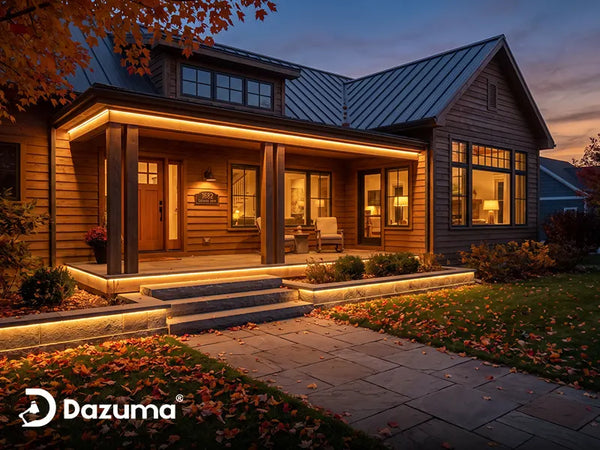
Creative outdoor lighting design in a private courtyard setting.
Step 4: Match Lighting Style with Your Home
Architectural Harmony
Your outdoor wall lighting should enhance—not compete with—the overall aesthetic of your home. This goes beyond just color and shape; it’s about creating visual harmony between architecture and accessory. Here are a few style-specific suggestions to help you stay cohesive:
- Modern or Contemporary Homes: Stick to clean lines, geometric shapes, and minimalist finishes like matte black, brushed nickel, or chrome. Fixtures with frosted glass or integrated LEDs work well here.
- Farmhouse or Cottage Style: Embrace warmth and charm with barn-style gooseneck lights, lantern sconces, or seeded glass in antique bronze or rust finishes.
- Traditional or Colonial Homes: Choose symmetrical lanterns, often with multiple bulbs or candelabra elements. Clear glass and ornate detailing are classic picks.
- Industrial or Urban Lofts: Think bold and raw—exposed bulbs, caged housings, and dark iron or mixed-metal finishes complement these edgy exteriors.
Taking inspiration from your home’s architecture ensures that lighting feels intentional rather than an afterthought.
Color, Finish, and Materials
Beyond the general style, the finish and material of your fixture significantly impact both appearance and durability. Since outdoor lights are exposed to the elements year-round, it’s essential to pick finishes and materials that are both weather-resistant and attractive.
Popular finishes and their characteristics:
- Matte Black: Offers a sleek, modern edge; pairs well with both dark and light exteriors
- Oil-Rubbed Bronze: Rich, earthy, and perfect for traditional or rustic homes
- Brushed Nickel or Stainless Steel: Cool-toned and contemporary, ideal for modern or industrial aesthetics
- Aged Brass or Copper: Develops a beautiful patina over time, making it a favorite for vintage or coastal homes
Material matters, too. Choose die-cast aluminum or marine-grade stainless steel for corrosion resistance, especially in salty or humid climates. For budget-friendly options, UV-stabilized resin or composite materials can offer decent durability without sacrificing style.
FAQs about Choosing Outdoor Wall Lighting
Q1: What size outdoor wall light should I choose for my front door?
A: A good rule of thumb is that the fixture should be about one-third to one-fourth the height of your door. For a single light, center it at eye level. If you’re installing two lights on either side, make sure they’re proportionate to the door frame so they don’t look too small or oversized.
Q2: What’s the best material for outdoor wall lighting?
A: Durable materials like aluminum, brass, copper, and stainless steel are popular because they resist rust and corrosion. Powder-coated finishes also help extend the life of your fixture, especially in humid or coastal environments.
Q3: Should I go with hardwired or solar-powered wall lights?
A: Hardwired options provide reliable brightness and are ideal if you already have electrical connections in place. Solar-powered lights are energy-efficient and easier to install but work best in areas with direct sunlight exposure.
Q4: How do I choose outdoor wall lighting that’s weather-resistant?
A: Look for fixtures with a high IP (Ingress Protection) rating, which indicates resistance to water and dust. For U.S. homeowners, check for “wet-rated” or “damp-rated” labels depending on whether the light will be fully exposed to rain or placed under a covered area.
Q5: Can outdoor wall lighting improve home security?
A: Yes. Motion-sensor or dusk-to-dawn wall lights automatically activate when movement is detected or when it gets dark, which helps deter intruders and keeps pathways safe at night.
Q6: How can I match my outdoor wall lighting to my home’s style?
A: Traditional homes often pair well with lantern-style fixtures, while modern or minimalist houses look better with sleek, geometric designs. Choosing the right finish—such as matte black, brushed nickel, or bronze—can also help tie everything together.
Q7: What type of bulb is best for outdoor wall lights?
A: LED bulbs are the most popular choice because they’re long-lasting, energy-efficient, and available in different color temperatures, from warm white for cozy ambiance to cool white for security and task lighting.
Light Up Your Outdoors with Confidence
Choosing the right outdoor wall lighting doesn’t have to be overwhelming. By understanding your space, identifying your lighting needs, and selecting the right technology and style, you can transform your exterior into a safe, stylish, and welcoming environment. Whether you’re highlighting architectural features, boosting nighttime security, or simply adding a warm glow to your entryway, the right wall light makes all the difference. Explore our handpicked collection of high-quality outdoor wall lights at Dazuma. From solar-powered sconces to elegant LED fixtures in every style—from farmhouse to modern—we’ve got just what you need to brighten your home’s exterior with confidence and style.